Hanfu On Global Runways: 2026 Paris And Milan Fashion Trends
The Hanfu Renaissance on the 2026 Global Runway
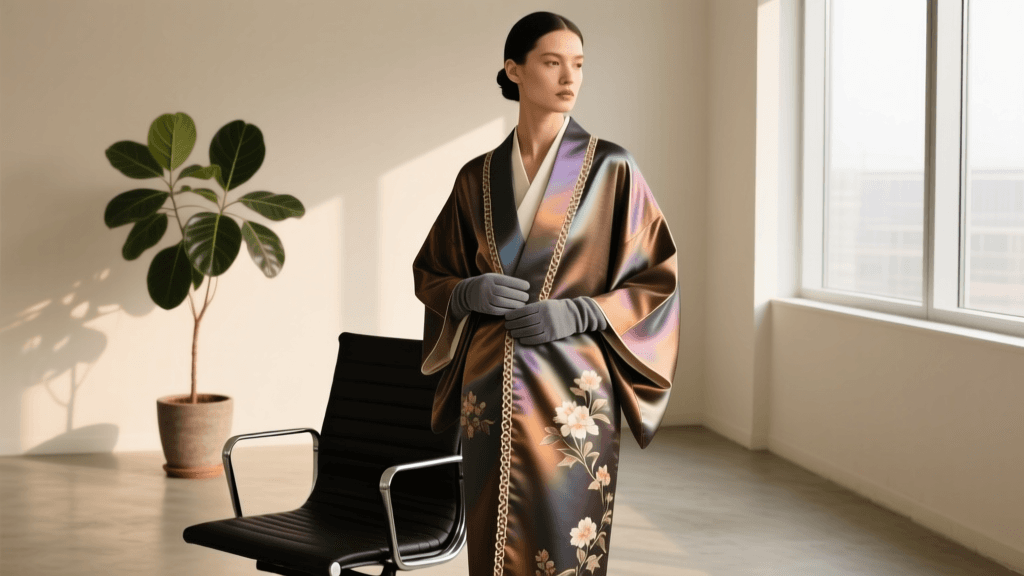
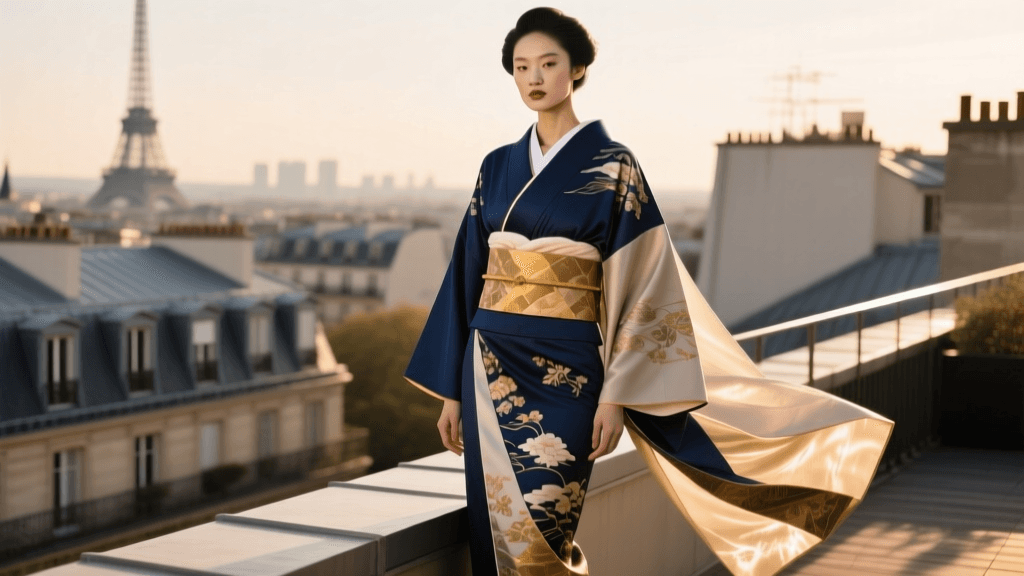
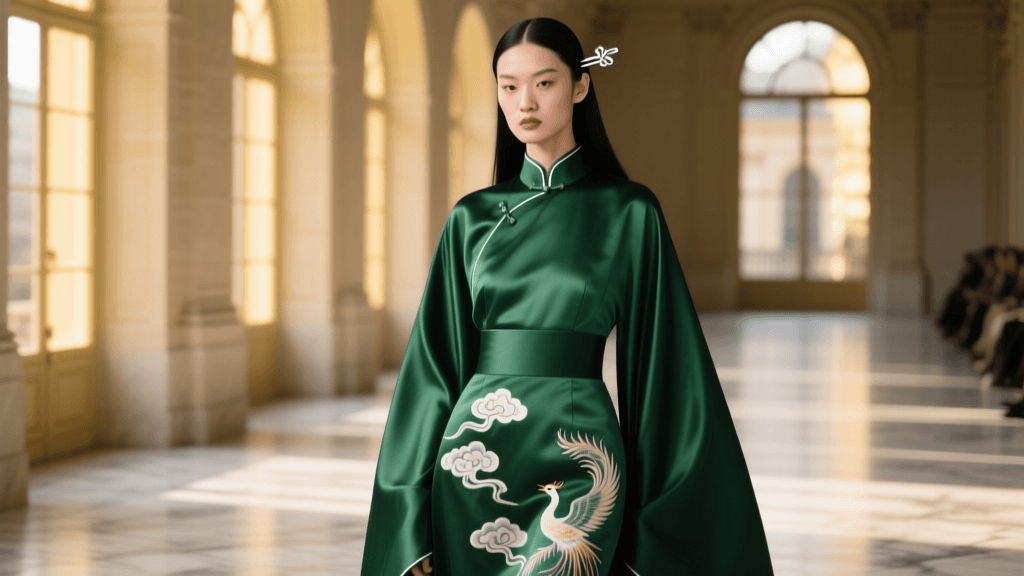
As the 2026 fashion calendar unfolds across Paris, Milan, and New York, a profound sartorial shift is commanding the attention of luxury buyers, fashion journalists, and haute couture enthusiasts alike. Traditional Chinese Hanfu has transcended its status as a niche cultural revival movement to become a foundational pillar of global luxury fashion. No longer confined to historical reenactments or localized street style, Hanfu silhouettes—specifically the intricate Mamianqun and the elegantly draped Song dynasty Beizi—are being deconstructed, reimagined, and elevated by top-tier international design houses and avant-garde indie labels. This year, the integration of ancient Chinese garment architecture into contemporary high fashion represents a masterclass in cross-cultural design, sustainable textile innovation, and the redefinition of modern elegance.
The 2026 runway season is defined by a rejection of fast-fashion homogenization in favor of garments that carry deep historical weight, artisanal craftsmanship, and structural innovation. According to cultural analyses and historical garment archives maintained by institutions like the Victoria and Albert Museum, the structural complexity of traditional Asian garments offers a rich vocabulary for modern designers seeking to push the boundaries of silhouette and drape. In this comprehensive guide, we explore how Hanfu elements are dominating the 2026 international fashion weeks, the specific textiles driving this trend, and how industry professionals can adapt these ancient forms for the contemporary global market.
The Mamianqun Reimagined: From Heritage to Haute Couture
If there is one garment that has unequivocally conquered the 2026 runways, it is the Mamianqun, traditionally known as the horse-face skirt. Originating in the Song and Ming dynasties, this wrap-around skirt features flat front and back panels flanked by intricately pleated sides. In past years, the fashion industry saw controversial, uncredited appropriations of this silhouette by Western luxury houses. However, in 2026, the narrative has been rightfully reclaimed and led by Chinese designers and international collaborators who deeply understand the garment's architectural significance.
On the runways of Paris Fashion Week this March, we witnessed the Mamianqun translated into high-tech, sustainable fabrics. Designers are moving away from traditional heavy brocades for everyday runway pieces, opting instead for micro-pleated recycled organza and copper-infused silks that offer a futuristic sheen while maintaining the skirt's iconic kinetic movement. The traditional 12-pleat structure has been expanded by avant-garde labels to 24-pleat and even 36-pleat configurations, creating a liquid-like effect when the model walks. Furthermore, the waistbands, traditionally fastened with simple fabric ties, are now being engineered with hidden magnetic closures and architectural corsetry to meet the rigorous demands of modern luxury dressing.
Market Pricing and Sourcing for 2026
For luxury buyers and boutique owners looking to source runway-grade Mamianqun for the 2026 autumn and winter season, pricing has shifted to reflect the premium nature of authentic craftsmanship. A high-end, authentic Mamianqun utilizing traditional jacquard weaving techniques and genuine mulberry silk currently wholesales between $450 and $850 per piece, depending on the complexity of the woven motifs such as the auspicious cloud and dragon patterns. Mass-market adaptations utilizing polyester blends and heat-set pleats can be sourced for $80 to $120, though these lack the prestige and drape required for the luxury sector.
Song Dynasty Minimalism and the Quiet Luxury Movement
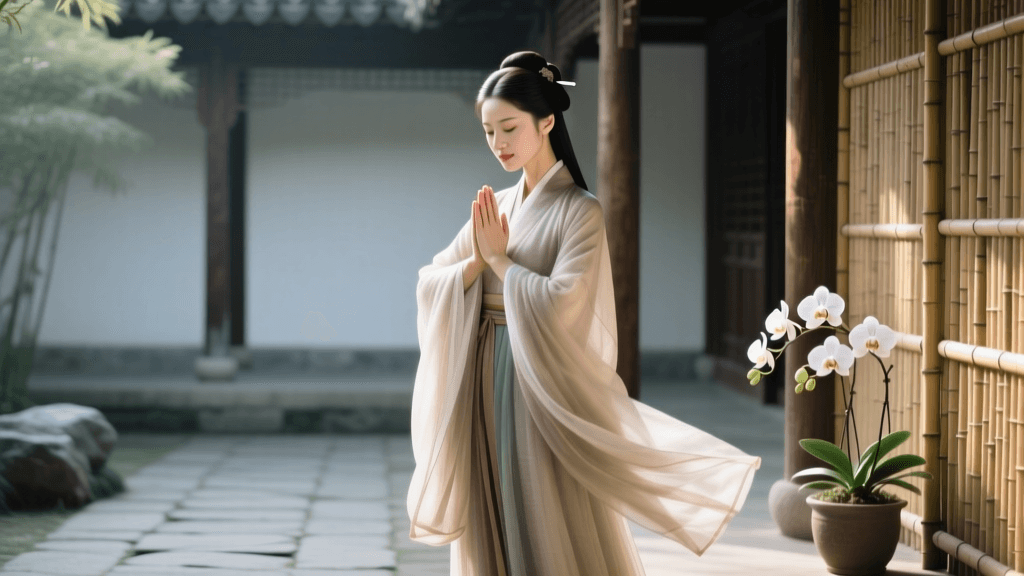
While the Ming dynasty Mamianqun offers theatrical volume, the Song dynasty's approach to fashion has become the cornerstone of the 2026 quiet luxury and stealth wealth movements. The Beizi, a traditional parallel-collar jacket that falls below the knee, and the Songku, wide-legged pleated trousers, have been widely adopted by Milanese tailoring houses this year. The Song aesthetic prioritizes clean lines, understated elegance, and a monochromatic palette that aligns perfectly with contemporary minimalist sensibilities.
In the 2026 Milan collections, the Beizi has been reimagined as a transitional outerwear piece. Designers are cutting the Beizi from heavyweight wool crepe and double-faced cashmere, stripping away the traditional embroidered trims in favor of tone-on-tone topstitching and raw, hand-rolled hems. The signature parallel collar is being utilized to create striking lapel alternatives on modern trench coats and duster jackets. Paired with the flowing Songku trousers, this silhouette offers a gender-fluid, deeply comfortable, yet highly sophisticated alternative to the traditional Western business suit. As noted in the historical textile archives of The Metropolitan Museum of Art, the straight-line cutting methods of traditional Chinese garments minimize fabric waste and allow for a natural drape that follows the body's movement without constriction, a principle that 2026 eco-conscious designers are heavily leveraging.
Sustainable Textiles: Xiangyunsha and Lotus Silk on the Runway
The 2026 global fashion mandate heavily penalizes environmentally destructive practices, pushing designers toward heritage textiles that utilize natural, eco-friendly dyeing and finishing methods. Two traditional Chinese fabrics have emerged as the undisputed stars of this year's sustainable luxury runways: Xiangyunsha (gambiered Guangdong silk) and Lotus silk.
Xiangyunsha is a highly complex, labor-intensive silk that is dyed using the juice of the Dioscorea cirrhosa plant and coated with iron-rich mud from the Pearl River Delta. The result is a fabric with a rich, dark, leathery texture on one side and a matte, earthy finish on the other. In 2026, top-tier designers are utilizing Xiangyunsha for structured jackets, corsetry, and evening wear, capitalizing on its natural water-resistant properties and its unique, sculptural drape. Due to the strict geographical indications and the intensive manual labor required, authentic Xiangyunsha silk commands a premium price in 2026, ranging from $180 to $250 per meter on the wholesale market.
Lotus silk, extracted from the stems of the lotus flower, is another marvel of ancient textile engineering that has captured the attention of the haute couture world. Known for its exceptional breathability, natural stain resistance, and incredibly soft hand-feel, lotus silk is being used for delicate blouses, linings, and summer-weight Beizi jackets. The extraction and weaving process remains entirely manual, making it one of the rarest and most expensive textiles in the world, with 2026 runway samples costing upwards of $400 per meter.
2026 Runway Adaptation Matrix: Traditional vs. Contemporary
To understand how international design houses are translating these ancient garments for the modern consumer, we have compiled a detailed adaptation matrix based on the 2026 Spring/Summer and Autumn/Winter runway shows.
| Garment Element | Traditional Historical Use | 2026 Runway Adaptation | Key Textile Innovations |
|---|---|---|---|
| Mamianqun (Skirt) | Everyday and ceremonial wear for women (Ming Dynasty) | High-slit evening gowns, micro-pleated streetwear, modular separates | Recycled organza, copper-infused silk, heat-set memory pleats |
| Beizi (Jacket) | Casual outerwear for scholars and women (Song Dynasty) | Oversized trench coats, gender-fluid tailoring, minimalist duster jackets | Double-faced cashmere, heavyweight wool crepe, Xiangyunsha silk |
| Yunjian (Cloud Shoulder) | Ceremonial detachable collar for weddings and nobility | Architectural epaulettes, 3D-printed bodice overlays, statement capes | Laser-cut vegan leather, bio-resin, upcycled silk organza |
| Ruqun (Top and Skirt) | Standard daily attire for women across multiple dynasties | High-waisted wide-leg jumpsuits, cropped wrap tops with maxi skirts | Lotus silk blends, Tencel, organic hemp-cotton weaves |
Actionable Styling and Merchandising for the Global Market
For fashion merchandisers, stylists, and boutique owners preparing for the late 2026 retail season, integrating Hanfu-inspired pieces requires a nuanced understanding of cross-cultural styling. The goal is to honor the garment's heritage while making it accessible and desirable for a global, cosmopolitan clientele.
Footwear and Accessory Pairings
The traditional pairing of Hanfu with embroidered cloth shoes is rarely seen on the global runway. Instead, 2026 styling dictates a juxtaposition of ancient silhouettes with hyper-modern or rugged footwear. Pairing a flowing, silk Mamianqun with chunky, lug-sole leather boots or sleek, pointed-toe architectural heels creates a dynamic tension that appeals to the modern luxury consumer. For accessories, the traditional jade pendants and silk sashes are being replaced or supplemented by minimalist, sculptural metal hardware and oversized, structured leather handbags that ground the ethereal nature of the silk garments.
Layering for Diverse Climates
Hanfu was historically designed for the specific climatic variations of East Asia. To adapt these pieces for global retail, particularly in markets with harsh winters or extreme heat, layering is essential. For autumn and winter collections, the Song dynasty Beizi is being layered over fine-gauge merino wool turtlenecks and paired with tailored wool trousers. For resort and spring collections, lightweight lotus silk Ruqun tops are being styled under oversized, unstructured linen blazers. This modular approach to styling ensures that Hanfu-inspired pieces are not relegated to costume or occasion wear, but are integrated into the daily luxury wardrobe.
Furthermore, industry professionals must prioritize education on the sales floor. As highlighted by market trend analyses from the Business of Fashion, luxury consumers in 2026 are highly motivated by provenance, craftsmanship, and cultural authenticity. Sales associates must be trained to articulate the history of the Mamianqun's pleating structure, the ecological benefits of Xiangyunsha dyeing, and the philosophical underpinnings of Song dynasty minimalism. By framing these garments not merely as trend-driven pieces, but as wearable artifacts of a rich, continuous cultural heritage, brands can command higher price points and foster deeper brand loyalty.
Conclusion: The Future of Heritage in High Fashion
The prominence of Hanfu on the 2026 global runways is not a fleeting trend; it is a permanent recalibration of the international fashion hierarchy. By embracing the structural brilliance of the Mamianqun, the quiet elegance of the Beizi, and the sustainable luxury of Xiangyunsha and lotus silks, the global fashion industry is finally giving traditional Chinese garments the reverence and innovation they deserve. As we move through the 2026 fashion calendar, it is clear that the future of haute couture is deeply rooted in the ancient wisdom of Asian textile traditions, proving that true luxury is timeless, culturally rich, and endlessly adaptable.