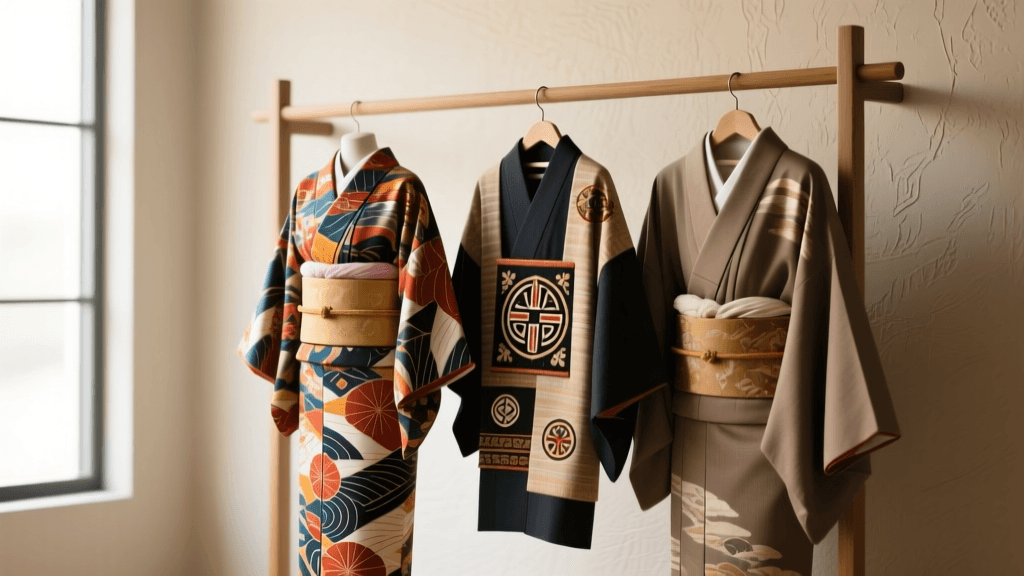
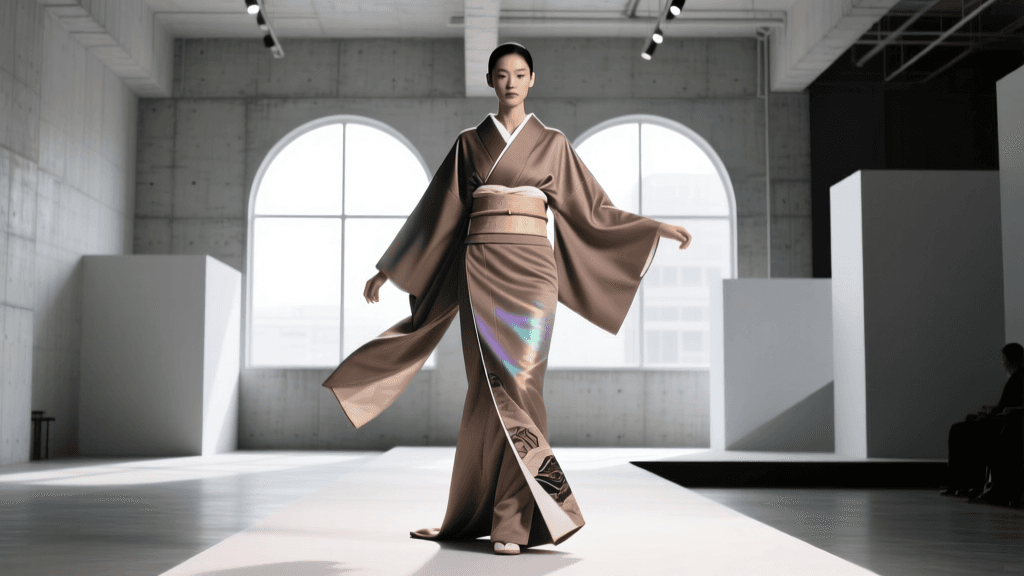
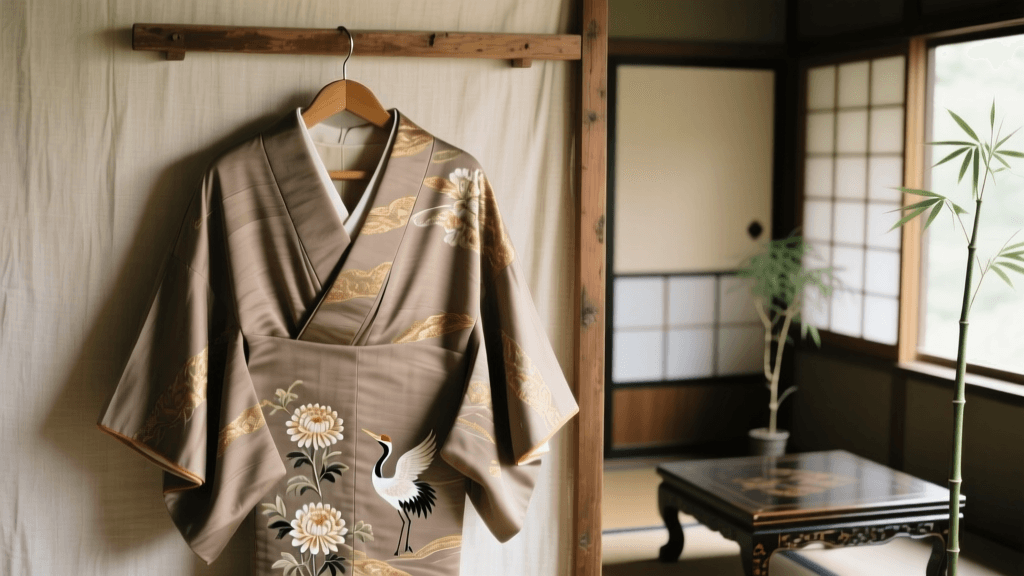
Styling Silk Haori Jackets with Modern Minimalist Tailoring 2026
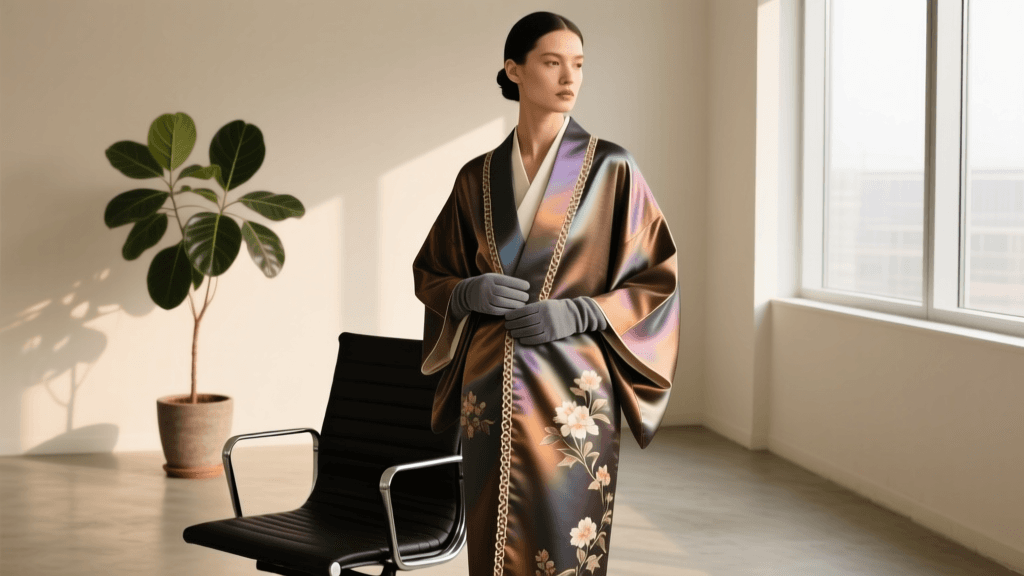
The Renaissance of the Haori in 2026 Urban Fashion
As we navigate the global fashion landscape of 2026, the appetite for 'quiet luxury' and heritage-driven wardrobes has reached an all-time high. Discerning dressers are moving away from fast fashion and logomania, seeking instead garments with profound cultural narratives, exceptional craftsmanship, and sustainable lifecycles. At the forefront of this movement is the integration of traditional Asian outerwear into contemporary Western silhouettes. Specifically, the Japanese haori—a traditional hip- or thigh-length kimono-style jacket—has emerged as a masterclass in cross-cultural styling. By understanding its unique geometry and textile properties, you can seamlessly elevate your 2026 office and smart-casual wardrobes without resorting to costume-like mimicry.
Understanding the Haori Silhouette and Construction
The haori is defined by its T-shaped, straight-seam construction. Unlike Western tailoring, which relies on darts, shoulder pads, and curved seams to map the human form, the haori drapes naturally from the shoulders, creating a fluid, architectural silhouette. A defining feature is the miyatsukuchi, the vertical slits located under the arms on the side seams. Originally designed to allow women to adjust their obi (sash) and provide ventilation, these slits add incredible mobility and a modern, deconstructed edge when worn over contemporary clothing.
The front panels do not overlap or fasten with buttons; instead, they are left open or secured with a haori himo (a braided or woven tie), allowing the layers beneath to remain visible. According to the Victoria and Albert Museum's comprehensive guide to Japanese dress, this unstructured approach to outerwear represents a fundamentally different philosophy of clothing the body, prioritizing the textile's surface design and drape over rigid anatomical tailoring.
Navigating the Haori Himo
In traditional settings, the haori himo is tied in a specific knot at the center of the chest. However, in 2026 streetwear and office styling, many opt to leave the haori completely open to allow the jacket to flow like a modern duster coat. If you choose to use the himo, consider swapping the traditional silk braid for a minimalist leather cord or a simple matte cotton tie to bridge the gap between Edo-period tradition and contemporary minimalism.
Core Styling Formulas for the Modern Wardrobe
Integrating a haori into a Western wardrobe requires a careful balance of proportions and textures. Here are two highly actionable formulas for 2026.
Formula 1: The Corporate Minimalist (Office Wear)
In 2026, the modern office dress code has fully embraced relaxed elegance. To integrate a haori into a professional setting, opt for a Tsumugi (pongee silk) or matte-finish haori in muted, earthy tones such as charcoal, deep indigo, or olive. The matte texture bridges the gap between traditional ceremonial wear and modern business casual.
- The Base: A fine-gauge, 200gsm merino wool mock-neck sweater in black or navy.
- The Trousers: High-waisted, wide-leg wool trousers with a clean, unbroken drape and a slight puddle at the hem (around a 30cm leg opening).
- The Proportions: A standard haori measures approximately 80cm to 90cm in length, hitting right at the hip. Ensure your trousers balance the boxy volume of the jacket.
- The Sleeves: Because the haori sleeves are wide and feature a deep drop (often 45cm from the shoulder seam), avoid bulky under-layers that could bunch up at the forearm.
Formula 2: The Weekend Artisan (Smart-Casual)
For smart-casual weekend wear, the haori introduces an effortless, worldly sophistication to rugged basics. Take a vintage Chirimen (crepe silk) haori featuring subtle, tone-on-tone woven patterns and layer it over rugged textiles.
- The Base: A crisp, mid-weight Oxford Cloth Button-Down (OCBD) shirt in white or pale blue, leaving the collar unbuttoned for a relaxed vibe.
- The Bottoms: 14oz raw selvedge denim with a straight or tapered leg.
- The Footwear: Minimalist leather derby shoes or clean, unbranded white sneakers.
The contrast between the delicate, lustrous silk of the haori and the heavy, utilitarian texture of the raw denim creates a visually striking tension. As noted by The Metropolitan Museum of Art's Heilbrunn Timeline of Art History, the juxtaposition of luxurious silks with everyday garments has historical precedent in Edo-period Japan, where wealthy merchants would wear plain, dark outer garments to conceal exquisitely patterned silk linings and under-layers.
Fabric Guide: Choosing the Right Silk for 2026 Climates
Not all silk is created equal. Understanding the weave and weight of your haori is crucial for year-round styling. Below is a comparison chart to help you select the right textile for your climate and wardrobe needs.
| Silk Type | Texture & Weight | Best Modern Pairing | 2026 Vintage Price Range |
|---|---|---|---|
| Chirimen (Crepe) | Textured, medium-heavy, matte sheen | Raw denim, heavy cotton chinos | $45 - $120 USD |
| Tsumugi (Pongee) | Nubby, rustic, lightweight, matte | Merino wool, flannel, office tailoring | $60 - $150 USD |
| Rinzu (Damask) | Smooth, glossy, intricate woven patterns | Evening wear, silk-blend trousers | $80 - $200 USD |
| Ro / Sha (Gauze) | Sheer, breathable, open-weave | Linen shirts, summer resort wear | $50 - $130 USD |
Pro Tip for 2026: If you are purchasing a vintage haori online, always check the yuki (sleeve length measured from the center back seam to the cuff). A standard modern Western blazer sleeve is measured from the shoulder seam. To ensure the haori fits over your Western shirts without the cuffs riding up too high, look for a yuki measurement of at least 75cm to 80cm.
Sourcing, Pricing, and Ethical Acquisition
The secondary market for vintage kimono and haori has boomed, making it easier than ever to acquire authentic pieces ethically. In 2026, specialized Japanese export services and curated online vintage shops offer meticulously inspected garments. When shopping, prioritize sellers who provide exact flat-lay measurements rather than generic size labels, as vintage sizing does not align with modern S/M/L conventions.
For those seeking newly manufactured, ethically produced haori, several contemporary Japanese ateliers are creating modern interpretations using upcycled silk offcuts and natural botanical dyes. These modern artisan pieces typically range from $300 to $800 USD, reflecting the cost of sustainable labor and heritage weaving techniques.
Archival Care and Maintenance for Heritage Silks
Owning a silk haori is an exercise in garment stewardship. To preserve the structural integrity and vibrancy of your piece, follow these archival care guidelines:
- Avoid Wire Hangers: Never hang a haori on a wire or thin plastic hanger. The concentrated weight will distort the delicate shoulder seams. If you must hang it temporarily, use a wide, padded wooden hanger.
- The Tatou Folding Method: For long-term storage, fold the haori using the traditional tatou method, which aligns the seams to prevent permanent creasing. Store the folded garment in a breathable tatoushi (acid-free paper wrapper) or a cotton storage bag.
- Climate Control: Silk is highly susceptible to humidity and direct sunlight. Store your haori in a cool, dark closet. Air the garment out in the shade on a dry, breezy day twice a year to prevent musty odors.
- Cleaning: Avoid commercial dry cleaning unless absolutely necessary, as the harsh chemicals can strip the silk of its natural luster and degrade the metallic threads often found in vintage brocades. Instead, rely on spot cleaning with a damp microfiber cloth and professional textile conservationists for major stains.
Conclusion
Mixing traditional Asian garments with modern wardrobes is not about appropriation or costume; it is about appreciation, proportion, and the celebration of masterful textile arts. By treating the haori as a masterful piece of structural outerwear rather than a relic of the past, you unlock a versatile, deeply personal layering piece that will anchor your 2026 wardrobe with unmatched elegance and historical resonance.