Regional Japanese Garments: Okinawan Ryusou, Ainu Attus, and Kimono
The Geographic Tapestry of Japanese Dress
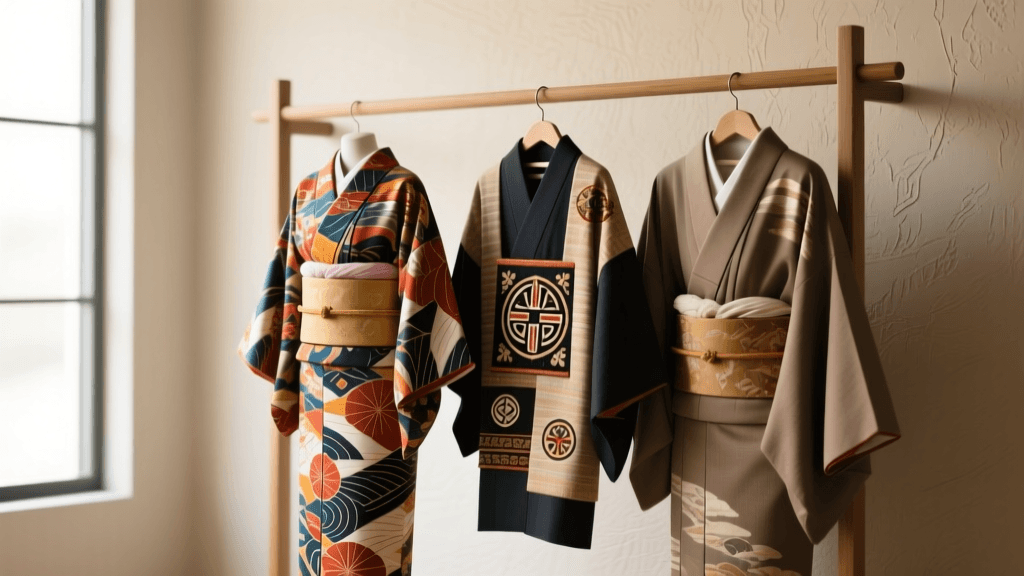
When most of the world envisions traditional Japanese clothing, the image that immediately comes to mind is the mainland silk kimono. However, Japan's vast archipelago stretches from the subarctic, snow-swept landscapes of Hokkaido in the north to the subtropical, coral-ringed islands of Okinawa in the south. This extreme geographic and climatic diversity has birthed a rich tapestry of regional garments, each engineered for its specific environment and steeped in distinct cultural histories.
Understanding these regional variations is essential for textile collectors, cultural enthusiasts, and travelers seeking authentic experiences. From the meticulous mud-dyeing techniques of Kagoshima and the botanical realism of Kanazawa to the vibrant resist-dyed Bingata of the Ryukyu Kingdom and the elm-bark woven Attus of the indigenous Ainu, Japan's sartorial heritage is profoundly regional. This guide explores these distinct traditions, offering actionable advice on sizing, sourcing, and styling these remarkable garments.
Mainland Japan: Kaga Yuzen and Oshima Tsumugi
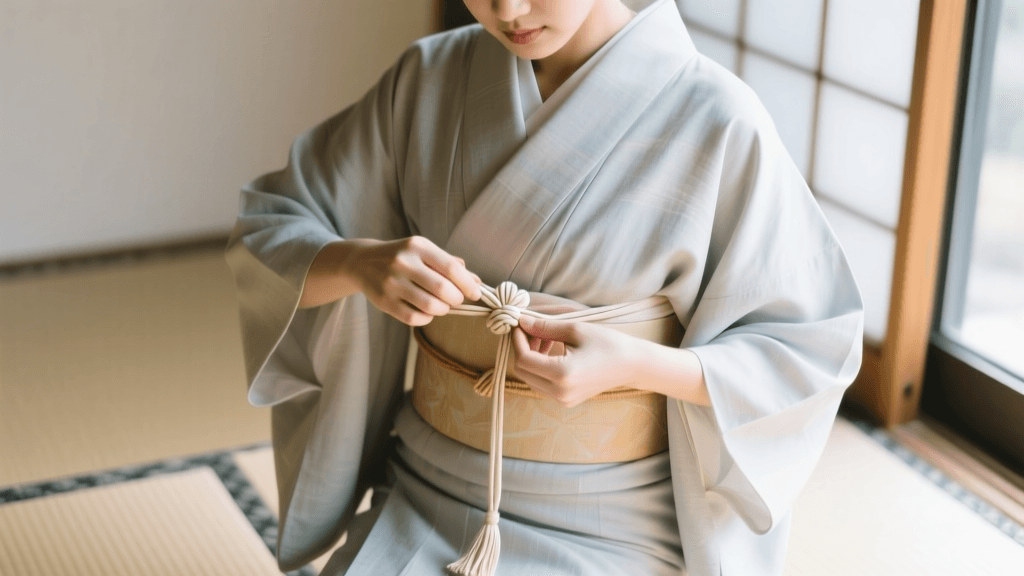
The mainland Japanese kimono is a highly structured, T-shaped garment wrapped left over right and secured with an obi sash. While the silhouette remains relatively uniform, regional textile production methods vary wildly.
Kaga Yuzen of Ishikawa Prefecture
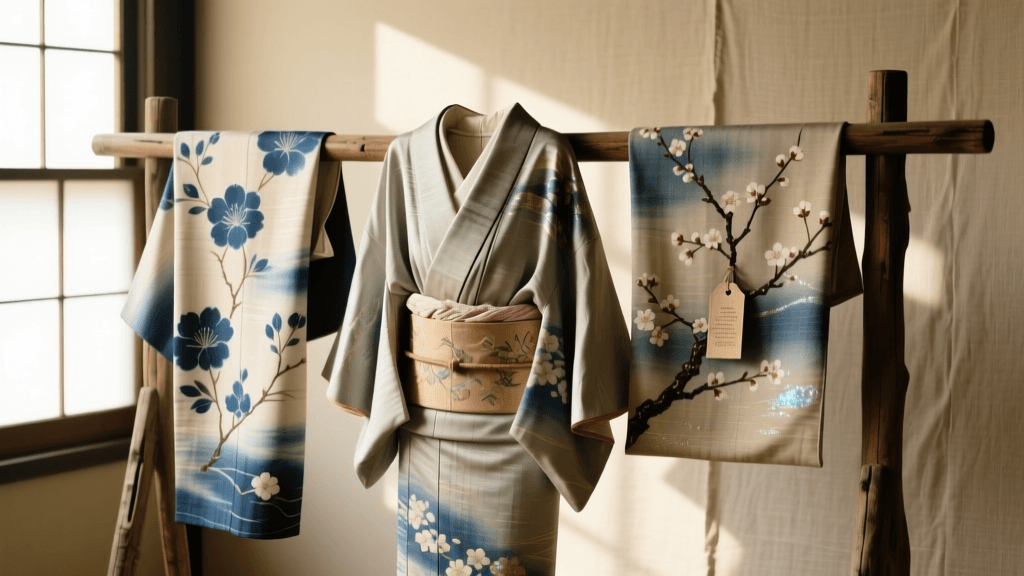
Originating in Kanazawa, Kaga Yuzen is celebrated for its hyper-realistic, nature-inspired motifs. Unlike the stylized patterns of Kyoto's Kyo-Yuzen, Kaga Yuzen employs a strict five-color palette known as kaga-gosai (indigo, ochre, grass green, rose, and deep purple). Artisans use a resist-dyeing technique where rice paste is applied through stencils to protect areas from dye, allowing for intricate, painting-like gradients (bokashi). A hallmark of authentic Kaga Yuzen is the mushikui technique, where the edges of leaves are deliberately dyed to look as though they have been nibbled by insects, celebrating the imperfection of nature.
Oshima Tsumugi of Kagoshima Prefecture
In the southern reaches of Kyushu, Oshima Tsumugi represents the pinnacle of woven silk craftsmanship. Produced primarily on Amami Oshima, this textile is famous for its complex kasuri (ikat) patterns and its unique dyeing process. Threads are dyed using the tannin-rich bark of the sharinbai (Yeddo hawthorn) tree and then repeatedly submerged in iron-rich mud. This chemical reaction creates a deep, lustrous black that is remarkably lightweight and resistant to wrinkles. According to the Ministry of Economy, Trade and Industry (METI), authentic Oshima Tsumugi requires up to 40 distinct manual processes and over a year to complete a single bolt of fabric.
Okinawa: Ryusou, Bingata, and Bashofu
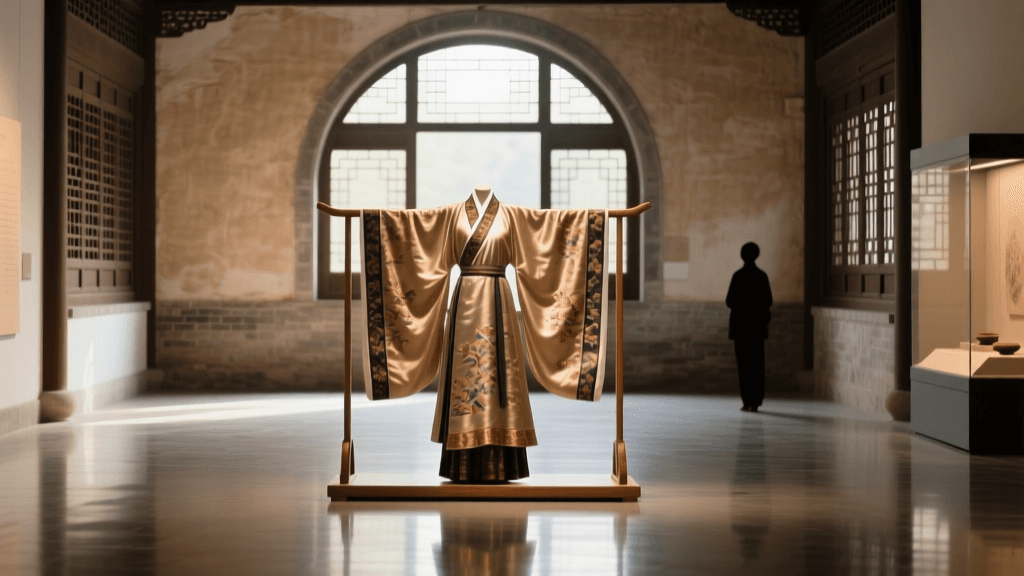
The traditional dress of Okinawa, known as Ryusou, evolved during the Ryukyu Kingdom era (15th–19th centuries), heavily influenced by trade with Ming Dynasty China and Southeast Asia. Because of Okinawa's subtropical climate, the garments are structurally distinct from mainland kimono: they feature wider sleeves, a looser fit for better airflow, and a simpler, softer obi tying method that sits lower on the waist.
Bingata: The Colors of the Ryukyu Court
Bingata is Okinawa's iconic resist-dyed textile, historically reserved for royalty and the warrior class. Using stencils cut from mulberry paper, artisans apply a soybean-based resist paste before painting vibrant pigments—traditionally derived from local plants, minerals, and even imported cochineal—directly onto the fabric. The motifs are a tropical explosion of peonies, koi fish, dragons, and ocean waves. Today, Bingata is worn during major cultural events like the Eisa dance festivals. Travelers can explore authentic workshops and rent Ryusou through local cultural initiatives supported by the Okinawa Convention and Visitors Bureau.
Bashofu: Banana Fiber Weaving
For everyday wear in the sweltering Okinawan summer, Bashofu is the textile of choice. Woven from the fibers of the Japanese fiber banana plant, Bashofu is incredibly lightweight, breathable, and possesses a crisp, linen-like texture. It is often dyed with indigo or left in its natural pale cream color, offering a rustic elegance that mainland silks cannot replicate.
Hokkaido: The Indigenous Ainu Attus and Morew
In the northernmost prefecture of Hokkaido, the indigenous Ainu people developed garments entirely suited to harsh, freezing winters and a hunter-gatherer lifestyle. The traditional Ainu garment is not a silk kimono, but a tunic-like robe made from natural, locally sourced materials.
Attus: Elm Bark Cloth
Attus is a durable, water-resistant cloth woven from the inner bark of the elm tree (ohyo). The bark is harvested, boiled, dried, and split into fine threads before being woven on a backstrap loom. The resulting fabric is thick, highly insulating, and becomes softer with wear. Because the Ainu did not traditionally cultivate cotton or silk, Attus was the foundational textile for everyday workwear and ceremonial garments alike.
Morew: Protective Embroidery
Ainu garments are adorned with Morew, intricate appliqué and embroidery patterns that are not merely decorative but deeply spiritual. The swirling, thorn-like motifs (known as aiushi) are placed at the hems, cuffs, and collars—openings where evil spirits might enter the body. As documented by the Upopoy National Ainu Museum and Park, these patterns serve as spiritual armor, protecting the wearer from malevolent forces while honoring the kamuy (spirits) of the natural world.
Comparative Data Table: Regional Garment Profiles
| Region | Primary Garment | Key Textile | Climate Suitability | Average Entry Cost (Authentic) |
|---|---|---|---|---|
| Ishikawa (Mainland) | Houmongi / Tomesode | Kaga Yuzen (Silk) | Spring / Autumn (Lined) | ¥300,000 - ¥800,000+ |
| Kagoshima (Mainland) | Iromuji / Komon | Oshima Tsumugi (Mud-Dyed Silk) | Year-Round (Unlined/Lined) | ¥150,000 - ¥500,000 |
| Okinawa (Ryukyu) | Ryusou | Bingata / Bashofu (Cotton/Banana) | Summer / Subtropical | ¥80,000 - ¥300,000 |
| Hokkaido (Ainu) | Attus Amip (Tunic) | Attus (Elm Bark) / Cotton Appliqué | Winter / Subarctic | ¥200,000+ (Commissioned) |
Practical Guide: Sizing, Sourcing, and Styling
Acquiring and wearing regional Japanese garments requires an understanding of traditional tailoring, which differs vastly from Western clothing. Here is actionable advice for collectors, practitioners, and travelers.
Measurements and Tailoring
Mainland kimono are not sized by standard S/M/L metrics. They are cut from a single bolt of fabric (tanmono) measuring approximately 36cm wide and 11.5 meters long. The ideal length of a mainland kimono is calculated using a specific formula: (Wearer's Height × 0.3) + 27cm. This allows for the ohashori, the fold at the waist that adjusts the hemline to the ankle.
Conversely, Okinawan Ryusou is far more forgiving. Because it is designed for tropical heat, it is worn without the restrictive ohashori fold, and the hem falls naturally. The sleeves are wider and shorter, preventing the fabric from dragging or trapping heat. For non-Japanese body types or those with broader shoulders, Ryusou is significantly more comfortable and easier to tailor off-the-rack than a mainland silk kimono.
Cost and Investment Guide
If you are looking to invest in regional textiles, understanding the market is crucial:
- Vintage Oshima Tsumugi: You can find high-quality, mid-20th-century Oshima Tsumugi kimono in Tokyo's antique markets (like the Oedo Antique Market) or Kagoshima specialty shops for ¥50,000 to ¥150,000. Look for the kizuna (kiss mark) on the selvedge, a hallmark of authentic mud-dyeing.
- Bingata Obi Sashes: Hand-stenciled Bingata obi are highly coveted. A genuine, hand-painted Nagoya obi will start around ¥120,000. Beware of printed imitations sold in tourist traps; authentic pieces will have slight variations in the resist paste outlines and a distinct, slightly stiff hand-feel from the soybean paste.
- Ainu Attus: Because Attus weaving is a time-intensive, endangered craft, ready-made garments are rare. Most buyers commission pieces directly from Ainu artisans in Hokkaido via cultural cooperatives. Expect to pay upwards of ¥200,000 and wait several months for completion.
Seasonal Timing and Care
Rule of Thumb: Mainland silk garments dictate strict seasonal rules. Wear lined (awase) silk from October to May, and unlined (hitoe) silk in June and September. Okinawan Bashofu and cotton Ryusou bypass these rules, acting as perfect, breathable summer wear globally.
When caring for these garments, never wash Oshima Tsumugi or Kaga Yuzen at home; the mud-dye and rice-paste resist require specialized dry cleaning by artisans who understand regional dyes. Bashofu and Attus, being plant fibers, should be stored in breathable cotton bags with natural camphor to prevent moisture buildup and insect damage, avoiding direct sunlight which will bleach the natural plant dyes.
Whether you are wrapping yourself in the cool, mud-dyed silk of Kagoshima, the vibrant tropical cottons of Okinawa, or the spiritual, elm-bark weaves of Hokkaido, engaging with Japan's regional garments offers a profound connection to the diverse environments and histories that shaped them.