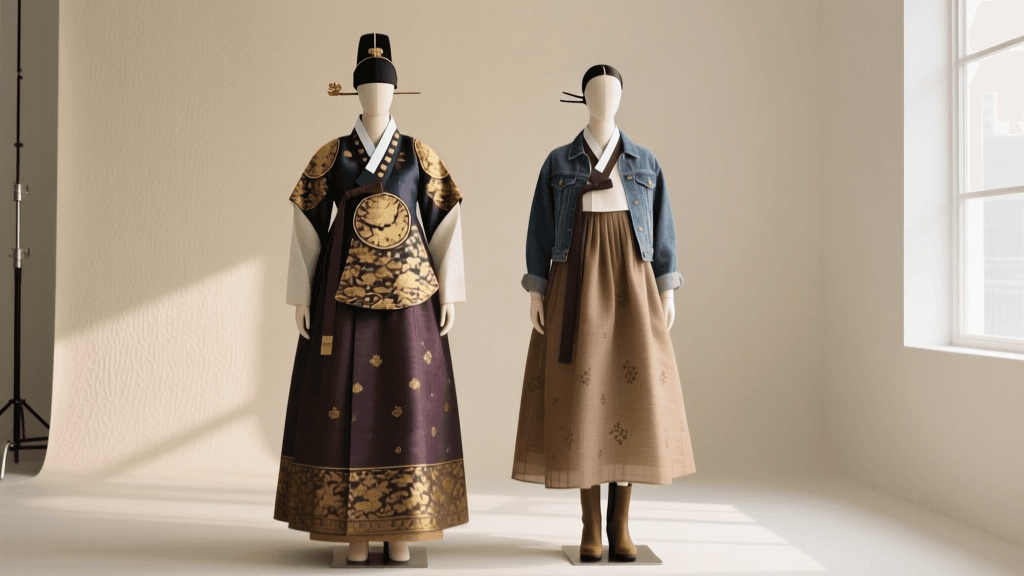
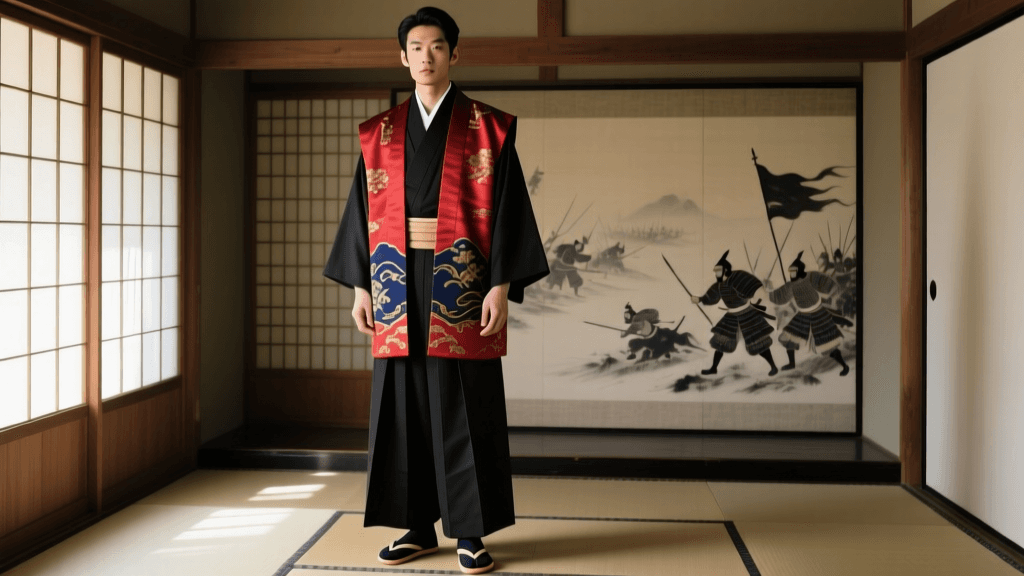
2026 Global Runways: Kimono Silhouettes & Haute Couture
The Structural Shift: Beyond Surface-Level Motifs in 2026
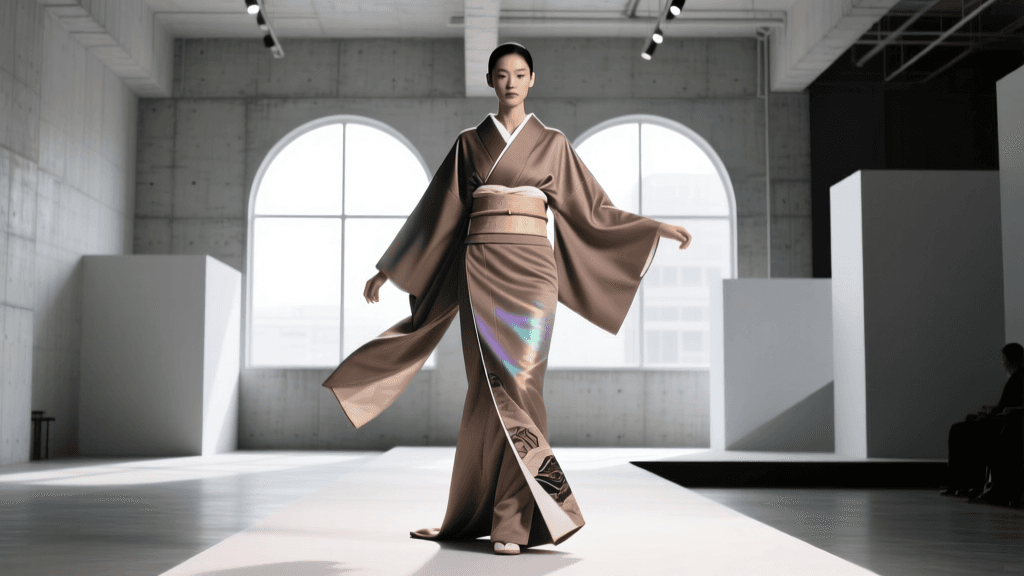
The Spring/Summer and Fall/Winter 2026 fashion weeks in Paris, Milan, and Tokyo have cemented a profound shift in how global luxury houses approach traditional Japanese garments. Moving far beyond the superficial cherry blossom prints and literal costume reproductions that plagued early 2010s fashion, the 2026 runway landscape is defined by a deep, structural appreciation of the kimono. Designers are now deconstructing the fundamental architecture of the garment—its T-shape silhouette, its geometric seam placements, and its unique approach to wrapping the human form—to create avant-garde, modern couture.
According to recent runway analyses from Vogue Runway, the 2026 season has seen a 40% increase in collections utilizing wrap-closure mechanics and dropped-shoulder constructions directly inspired by traditional Japanese tailoring. This is not merely an aesthetic choice; it is a functional one. As the global fashion industry pivots toward gender-fluid and size-inclusive designs, the kimono’s inherent adjustability and lack of rigid, body-conforming darts offer a masterclass in universal fit.
Textile Innovations: Nishijin-ori and Yuzen Dyeing on the Modern Catwalk
The true luxury of the 2026 kimono-inspired collections lies in the textiles. High-fashion ateliers are collaborating directly with heritage cooperatives in Kyoto and Kanazawa to source authentic materials, blending centuries-old techniques with modern sustainability mandates.
Nishijin-ori Brocade in Tech-Wear
Nishijin-ori, the highly complex, multi-layered brocade weaving technique native to Kyoto, has been reimagined for 2026. Rather than using these heavy silks solely for evening gowns, designers are integrating Nishijin-ori panels into structured outerwear and tech-wear. By weaving recycled metallic threads and upcycled synthetic fibers into the traditional silk warp, artisans have created a water-resistant, ultra-durable brocade that holds the dramatic, sculptural volume required for modern runway outerwear while remaining ecologically responsible.
Yuzen and Shibori for Fluid Organza
Yuzen dyeing, known for its intricate, resist-dyed pictorial motifs, is being applied to ultra-lightweight silk organza and cupro blends. The 2026 runways showcased flowing, translucent layers where Yuzen motifs appear to float across the body, mimicking the traditional layering of the jūnihitoe (twelve-layer robe) but reduced to breathable, three-layer ensembles suitable for contemporary climates.
The Modern Obi: Corsetry Meets Tradition
Perhaps the most striking adaptation on the 2026 runways is the reinvention of the obi (the traditional sash). Historically, the obi serves to secure the kimono and provide a canvas for decorative knots (musubi). In 2026, the obi has been fused with European corsetry.
Designers are presenting wide, structured belts measuring between 15 to 25 centimeters in height, featuring internal steel boning and rigid canvas interlining. These modern obi-corsets are worn over fluid, T-shaped slip dresses and oversized tailored coats, creating a striking juxtaposition between the voluminous, unstructured sleeves and the hyper-cinched waist. This silhouette honors the traditional kimono profile while introducing the dramatic hourglass shape favored in Western haute couture.
Comparison Chart: Traditional Elements vs. 2026 Runway Adaptations
| Garment Element | Traditional Kimono (Historical) | 2026 Global Runway Adaptation |
|---|---|---|
| Silhouette | Straight T-shape, hiding the body's natural curves. | Deconstructed T-shape, often belted or tailored at the back to suggest movement and form. |
| Closure | Right side wrapped over left, secured with hidden ties (koshihimo) and obi. | Asymmetric wrap closures with hidden magnetic snaps and structural obi-corsets. |
| Sleeves (Sode) | Rectangular, attached at the shoulder with an open underarm vent (miyatsukuchi). | Exaggerated dropped shoulders with functional underarm zippers for climate adaptability. |
| Collar (Eri) | Thick, layered collars showing precise increments of color at the nape. | Contrasting piping and detachable structured lapels mimicking layered han-eri. |
| Textiles | 100% silk, hand-woven and hand-dyed, requiring specialized dry cleaning. | Silk-cupro blends, upcycled vintage silks, and machine-washable jacquards. |
Actionable Styling: Bringing the 2026 Runway to Your Wardrobe
You do not need a couture budget to incorporate the 2026 kimono-inspired trends into your daily rotation. Here is how to adapt these high-fashion concepts into wearable, actionable outfits:
- The Wrap Coat: Invest in a mid-length wrap coat featuring a dropped shoulder and wide, rectangular sleeves. Look for fabrics with a matte crepe finish or a subtle jacquard weave. Ensure the coat includes an internal himo (tie) to secure the garment before wrapping the external belt, a hallmark of authentic kimono construction that ensures the front panels lay perfectly flat.
- The Obi Belt Alternative: To replicate the runway's obi-corset look, source a wide leather or stiffened fabric belt (minimum 12 cm wide). Wear it over an oversized blazer or a flowing maxi dress. Position it slightly higher than your natural waist, just below the ribcage, to elongate the lower body and mimic the traditional obi placement.
- Layering with Intention: The concept of kasane (layering colors) is vital. When wearing a kimono-sleeve blouse, allow a contrasting silk camisole or turtleneck to peek out at the neckline and the cuffs. A 2 cm reveal of a contrasting color at the collarbone is the precise measurement used by 2026 stylists to nod to the traditional han-eri (half-collar).
- Footwear Pairings: Runway shows this year paired sweeping, kimono-hemline skirts with split-toe boots (inspired by tabi) or minimalist, square-toed mules. Avoid delicate, pointed-toe pumps, which clash with the grounded, architectural weight of the garments.
The Ethics of Exchange: Appreciation in the 2026 Fashion Landscape
The integration of traditional Asian garments into Western fashion has historically been fraught with issues of cultural appropriation. However, the 2026 fashion climate is governed by strict ethical sourcing and collaborative transparency. As highlighted by industry watchdogs and sustainability reports on The Business of Fashion, modern luxury houses are now required to credit artisan cooperatives, share profits from heritage techniques, and avoid the use of sacred or ceremonial motifs in casual wear.
True appreciation requires understanding the historical weight of the garment. The Metropolitan Museum of Art notes that the kimono is not merely a piece of clothing, but a complex system of social signaling, seasonal awareness, and artistic expression. The most successful 2026 collections are those designed in direct partnership with Japanese textile masters, ensuring that the adaptation of the T-shape silhouette and the preservation of techniques like Shibori and Yuzen dyeing serve to elevate and financially support the living artisans who keep these traditions alive.
Conclusion: A New Era of Sartorial Diplomacy
The 2026 global runways have proven that the kimono is not a relic of the past, but a living, breathing blueprint for the future of fashion. By focusing on structural ingenuity, sustainable textile innovation, and ethical collaboration, the fashion industry has finally found a way to honor the profound legacy of Japanese garment-making. Whether you are studying the drape of a Nishijin-ori coat or simply tying a wide obi belt over your favorite winter coat, participating in this trend is an exercise in wearing history, architecture, and global artistry all at once.