Chinese Natural Plant Dyeing Guide 2026: Indigo & Pagoda Tree
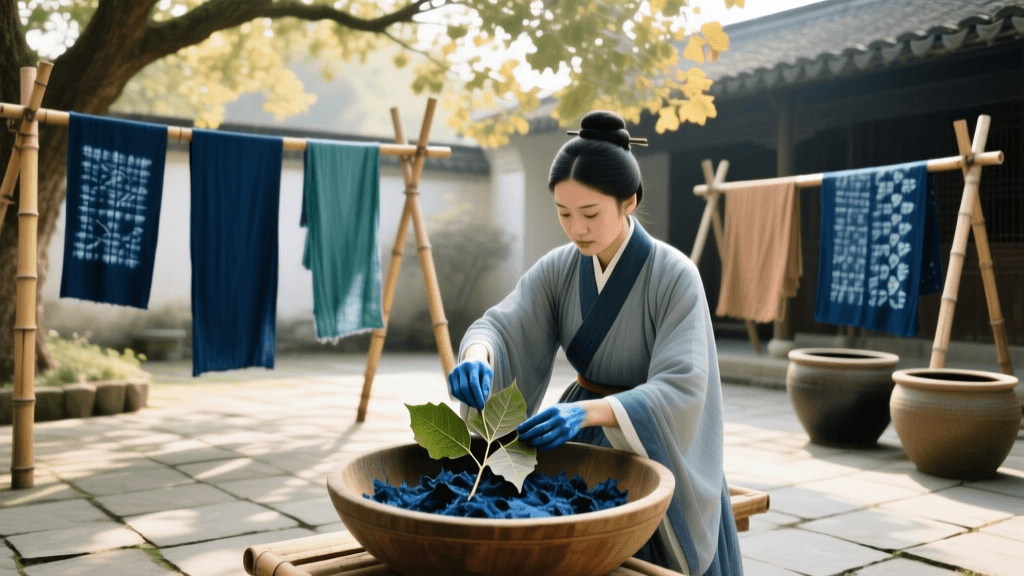
The Renaissance of Traditional Chinese Natural Dyes in 2026
As the global fashion industry confronts its environmental footprint in 2026, the revival of traditional Chinese natural dyeing—known as Cao Mu Ran (草木染)—has moved from a niche artisanal practice to a cornerstone of sustainable textile design. With synthetic azo dyes facing stricter international regulations due to water toxicity and microplastic shedding, eco-conscious makers and Hanfu enthusiasts are returning to the ancient botanical wisdom of China. According to the United Nations Environment Programme, the shift toward regenerative, plant-based colorants is critical for reducing the fashion industry's devastating impact on global freshwater systems.
For those crafting traditional Hanfu, Mamianqun (horse-face skirts), or modern eco-linen garments, mastering natural dyes offers unparalleled depth of color, inherent antibacterial properties, and a profound connection to Asian heritage. In this comprehensive 2026 guide, we explore the two most iconic and accessible Chinese dye plants: Liao Lan (Chinese Indigo) and Huai Hua (Pagoda Tree), providing a precise, actionable protocol for home and studio dyeing.
The Botanical Powerhouses: Liao Lan and Huai Hua
Liao Lan (Chinese Indigo / Polygonum tinctorium)
While the Western world often relies on Indigofera tinctoria, traditional Chinese indigo dyeing primarily utilizes Polygonum tinctorium (Liao Lan). Cultivated extensively in provinces like Guizhou and Yunnan, Liao Lan yields a remarkably cool, deep blue with subtle violet undertones. In 2026, organic Liao Lan fermentation pastes are widely available through sustainable agricultural cooperatives, ensuring a zero-chemical vat setup. The active compound, indigotin, is entirely biodegradable and actually nourishes soil microbiomes when the spent vat is composted.
Huai Hua (Pagoda Tree / Sophora japonica)
For vibrant yellows and chartreuse greens, Huai Hua (the dried flower buds of the Pagoda Tree) is the undisputed champion of the traditional Chinese dyer's pantry. Rich in rutin and quercetin, Huai Hua yields exceptionally lightfast and wash-fast yellows when paired with an alum mordant. Unlike synthetic yellow dyes that often contain heavy metals like lead or cadmium, Pagoda Tree dye is entirely non-toxic, making it the premier choice for dyeing children's ceremonial Hanfu and intimate apparel.
2026 Sustainability Metrics: Natural vs. Synthetic Dyes
To understand the environmental imperative of adopting Cao Mu Ran, we must look at the data. The push for circularity, championed by organizations like the Ellen MacArthur Foundation, highlights the necessity of eliminating toxic inputs. Below is a comparative analysis of traditional Chinese plant dyes versus conventional synthetic reactive dyes based on 2026 textile lifecycle assessments.
| Metric | Liao Lan (Natural Indigo) | Huai Hua (Pagoda Tree) | Synthetic Reactive Dyes |
|---|---|---|---|
| Water Consumption (per kg of fabric) | 15 - 20 Liters (Closed-loop vat) | 25 - 30 Liters | 100 - 150 Liters |
| Carbon Footprint | Negative (Carbon sequestering crop) | Low (Tree byproduct) | High (Petrochemical derived) |
| Heavy Metal Toxicity | None | None | High (Often contains fixatives) |
| End-of-Life Biodegradability | 100% Compostable | 100% Compostable | Non-biodegradable / Toxic leaching |
| Skin Sensitization Risk | Hypoallergenic / Antibacterial | Hypoallergenic | Moderate to High |
Step-by-Step Eco-Friendly Dyeing Protocol for 2026
Dyeing natural fibers like raw silk, linen, and organic cotton requires precision. The following protocol is designed for a standard home studio setup, utilizing a 100-gram dry weight of fiber (WOF - Weight of Fiber).
Phase 1: Scouring and Preparation
Natural fibers are coated in waxes, pectins, and natural oils that repel water and dye.
- For Linen/Cotton (Cellulosics): Simmer the fabric in a stainless steel pot with 5 grams of washing soda (sodium carbonate) and a drop of pH-neutral eco-detergent for 60 minutes at 85°C (185°F). Rinse thoroughly in warm water.
- For Silk (Protein): Simmer gently at 60°C (140°F) for 45 minutes using a mild, pH-neutral olive oil soap. Never boil silk, as it will degrade the fibroin structure and ruin the fabric's luster.
Phase 2: Mordanting with Soy Milk (The Traditional Chinese Method)
While Western dyers often use aluminum sulfate (alum), traditional Chinese dyers utilize soy milk to bind dyes to cellulosic fibers. The proteins in the soy milk act as a bridge between the plant cellulose and the dye molecules.
- Extract fresh soy milk using a ratio of 1 part dried soybeans to 10 parts water. Blend and strain through a fine mesh nut-milk bag.
- Submerge your scoured, damp linen or cotton into the raw soy milk.
- Massage the fabric for 15 minutes, ensuring deep penetration.
- Wring out gently and hang to dry completely. Repeat this process three times for optimal colorfastness.
Phase 3: The Dyeing Process
Extracting Pagoda Tree (Huai Hua) Yellow
Place 100 grams of dried Huai Hua buds in a muslin bag. Submerge in 4 liters of distilled water and bring to a gentle simmer (80°C) for 45 minutes. The water will turn a vibrant, fluorescent yellow-green. Remove the bag, add your mordanted fabric, and maintain the temperature at 70°C for one hour. Stir gently every 10 minutes to prevent uneven patching.
Preparing the Liao Lan (Indigo) Vat
Indigo is a vat dye, meaning it is insoluble in water and must be chemically reduced. In 2026, the most eco-friendly reduction method uses fructose and calcium hydroxide (the 1-2-3 organic vat).
- Ingredients: 1 part organic Liao Lan indigo paste, 2 parts calcium hydroxide (slaked lime), 3 parts fructose powder.
- Method: Dissolve the ingredients in a 5-liter pot of water heated to exactly 50°C (122°F). Stir gently to avoid introducing oxygen. Cover and let it rest for 2 hours until a coppery 'flower' forms on the surface and the liquid beneath is a clear yellow-green.
- Dyeing: Wet your fabric, squeeze out air bubbles, and submerge it into the vat for 10 minutes. Massage gently underwater.
Phase 4: Oxidation and Washing
When you pull the fabric from the indigo vat, it will be yellow-green. As it meets the oxygen in the air, it will magically transform into a deep, rich blue over 15 minutes. Repeat the dip-and-oxidize process 4 to 6 times to achieve a dark navy. For the Pagoda Tree yellow, simply remove the fabric from the dye bath and let it cool. Wash both fabrics in cool water with a pH-neutral detergent, and hang to dry out of direct sunlight.
'The true luxury of 2026 fashion is not found in synthetic perfection, but in the living, breathing nuances of plant-based colorants that age gracefully with the wearer.' — Journal of Sustainable Asian Textiles, Spring 2026 Issue
Sourcing Authentic Dye Materials in 2026
As the demand for Cao Mu Ran has surged, the market has seen an influx of adulterated products. To ensure you are practicing truly eco-friendly dyeing, source your materials from certified organic cooperatives. Look for suppliers that provide GC-MS (Gas Chromatography-Mass Spectrometry) testing reports, verifying the absence of synthetic indigo or acid yellow additives. In 2026, platforms like the Global Organic Textile Standard (GOTS) directory and specialized Asian heritage craft marketplaces are the safest avenues for procuring pure Liao Lan paste and sun-dried Huai Hua buds.
Conclusion
Embracing Chinese natural plant dyeing is more than a creative pursuit; it is an act of environmental stewardship and cultural preservation. By utilizing the profound chemistry of Liao Lan and Huai Hua, modern makers can produce breathtaking, sustainable Hanfu and everyday garments that honor Asian traditions while protecting the planet. As we navigate the ecological challenges of 2026, the ancient wisdom of Cao Mu Ran provides a vibrant, non-toxic path forward for the future of fashion.