Kitsuke Mindfulness: Kimono Dressing for Wellness in 2026
The Intersection of Kitsuke and Modern Mindfulness
As we navigate the hyper-connected, screen-saturated landscape of 2026, digital fatigue has prompted a global return to tactile, analog traditions. Among the most profound of these is kitsuke—the traditional Japanese art of dressing in a kimono. Far from being a mere sartorial choice or a historical reenactment, kitsuke is increasingly recognized by wellness practitioners and slow fashion advocates as a powerful form of moving meditation. In an era where getting dressed is often a rushed, thoughtless chore performed while checking notifications, the deliberate, multi-layered process of wrapping oneself in silk offers a radical act of presence.
The philosophy of kitsuke aligns perfectly with the 2026 wellness zeitgeist, which emphasizes somatic (body-based) healing and intentional living. According to leading psychological frameworks on mindfulness, engaging in structured, tactile routines can significantly lower cortisol levels and anchor the nervous system. As noted by experts at Mindful.org, mindfulness is fundamentally about maintaining a moment-by-moment awareness of our bodies, thoughts, and sensations. Kitsuke demands exactly this level of granular awareness, transforming the simple act of getting dressed into a daily sanctuary of mental clarity.
The Neuroscience of Slow Dressing
When you engage in the meticulous process of kitsuke, you are activating the parasympathetic nervous system—the body's natural 'rest and digest' network. The sensory input involved in handling vintage silk, adjusting the precise tension of cotton ties (koshihimo), and aligning the seams of the garment provides rich proprioceptive feedback to the brain. This tactile engagement forces the mind away from abstract anxieties and into the immediate physical reality of the body.
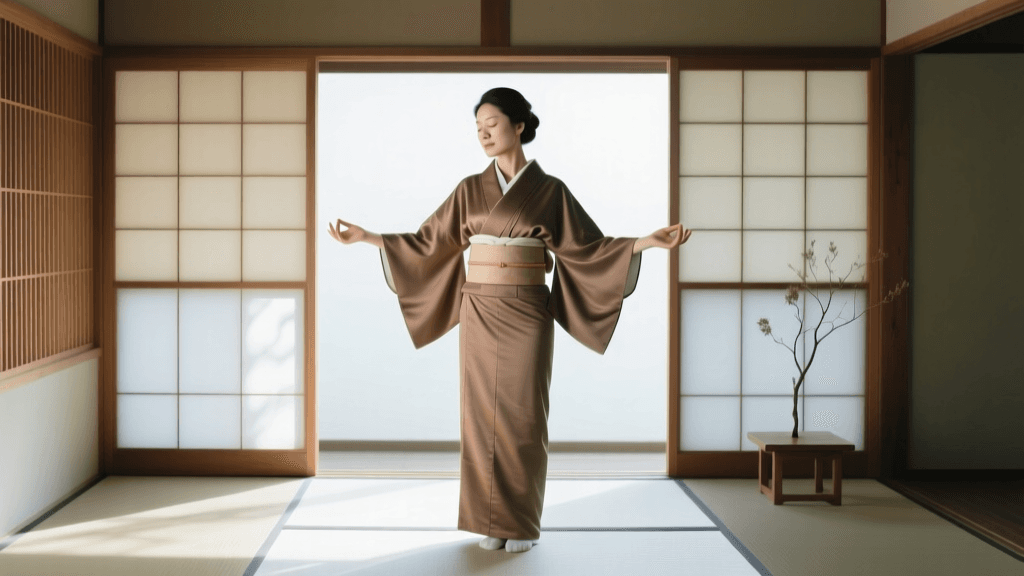
Furthermore, the physical posture required for wearing a kimono naturally encourages a grounded, upright stance. The center of gravity is lowered, the spine is elongated, and the breath is regulated by the gentle, supportive compression of the obi (sash). This physical alignment mirrors the postural cues used in clinical biofeedback therapy to reduce stress and improve emotional regulation. In 2026, somatic therapists are increasingly recommending 'embodied dressing' rituals to patients suffering from burnout, recognizing that how we physically wrap our bodies directly influences our psychological state.
A Step-by-Step Mindful Kitsuke Routine for 2026
To harness the wellness benefits of the kimono, one must approach the dressing process not as a race to the finish line, but as a layered meditation. Here is how to practice mindful kitsuke.
1. Preparation (Junbi) and Spatial Awareness
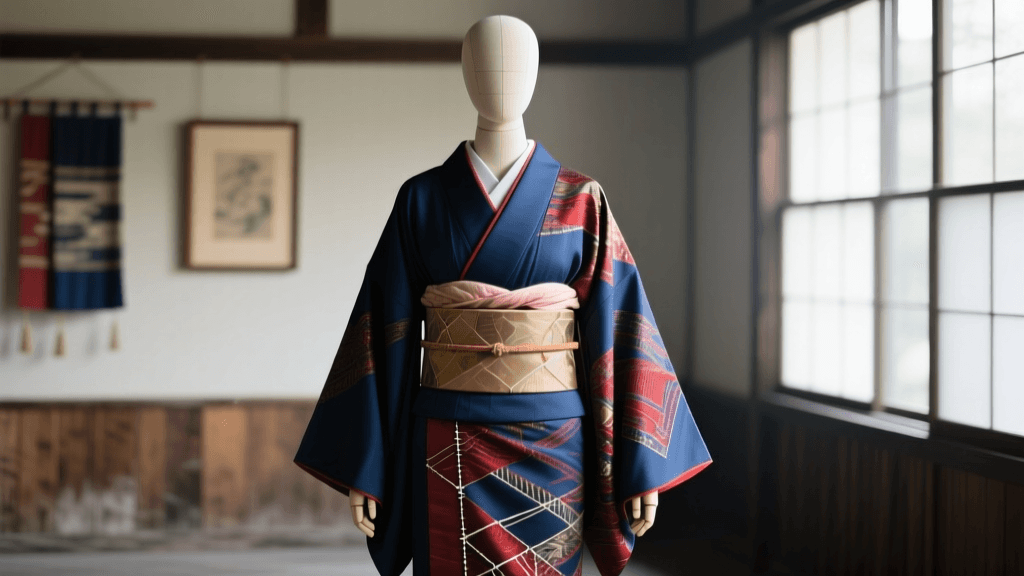
Begin by clearing your physical space. Lay out your kimono, nagajuban (undergarment), and accessories on a clean surface or a traditional kimono hanger (ikou). This preparation phase is about setting an intention. As you smooth the fabric with your hands, focus on the sound of the silk and the temperature of the textile against your skin. Take three deep, diaphragmatic breaths to signal to your brain that this time is sacred and separate from the demands of the outside world.
2. The Juban and Postural Alignment
Put on the juban and secure it with the datejime (a wide, elasticized belt). As you tie the datejime just below the bust, focus on your posture. Roll your shoulders back and lengthen your neck. The gentle compression of the datejime serves as a physical reminder to maintain this dignified, grounded posture throughout the day. Feel the fabric settling against your skin, creating a protective, comforting boundary.
3. The Kimono and the Ohashori Fold
Drape the main kimono over the juban. The most meditative aspect of this step is creating the ohashori—the horizontal fold at the waist that adjusts the length of the kimono to fit the wearer perfectly. This requires precise measurement, symmetry, and patience. If the fold is uneven, you must untie, adjust, and try again. This repetition teaches patience and non-judgmental awareness. You learn to observe your mistakes without frustration, simply adjusting and realigning until balance is achieved.
4. The Obi as a Somatic Anchor
Finally, wrap the obi. The obi is the emotional and physical anchor of the kimono. As you pull the silk taut around your core, visualize it securing your energy and centering your mind. Tying the otaiko (the traditional drum bow) at the back requires a sequence of deliberate, choreographed movements that engage both hemispheres of the brain, promoting cognitive focus and spatial reasoning. When the final tie is secured, take a moment to feel the gentle, supportive embrace of the garment. You are now armored in intention.
Comparing Fast Fashion vs. Mindful Kitsuke
To understand the profound shift that kitsuke offers, it is helpful to contrast it with the modern, fast-fashion approach to dressing. The table below highlights the physiological and psychological differences between these two paradigms in 2026.
| Aspect | Fast Fashion Dressing | Mindful Kitsuke |
|---|---|---|
| Time Investment | 3 to 5 minutes | 20 to 45 minutes |
| Cognitive State | Distracted, rushed, multitasking | Focused, present, single-tasking |
| Posture & Breath | Slouched, shallow breathing | Upright, deep diaphragmatic breathing |
| Tactile Sensation | Synthetic, low sensory feedback | Natural silk/cotton, high sensory feedback |
| Psychological Outcome | Utility, often decision fatigue | Grounding, emotional regulation, pride |
Slow Fashion: Kimono Care as a Meditative Practice
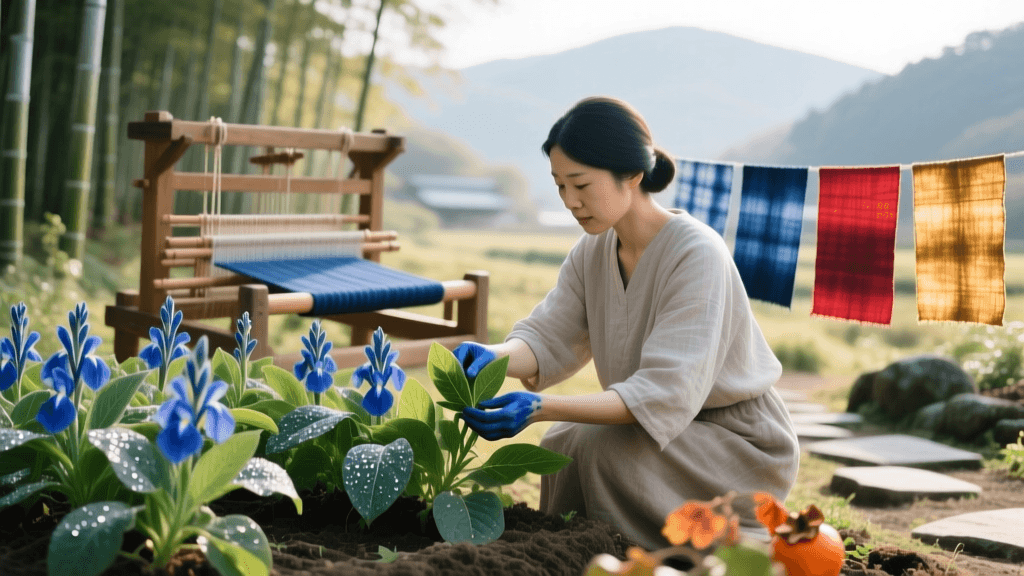
The wellness benefits of the kimono extend far beyond the act of wearing it; they encompass the entire lifecycle of the garment, making it a cornerstone of the 2026 slow fashion movement. In an age where the environmental toll of disposable clothing is a major source of eco-anxiety, engaging with heirloom and vintage textiles offers a restorative alternative. The Victoria and Albert Museum's extensive research into the history and craftsmanship of the kimono highlights how these garments were designed to be endlessly repurposed, unpicked, and re-dyed, embodying a truly circular economy centuries before the term was coined.
Caring for a kimono is, in itself, a mindfulness practice. After wearing, the garment must be carefully aired out and folded into its precise, rectangular tato paper. This folding process requires a quiet mind and gentle hands. Furthermore, the thriving vintage kimono markets in Tokyo, Kyoto, and online global platforms in 2026 allow consumers to participate in sustainable fashion. By rescuing, upcycling, and wearing vintage silks, practitioners align their personal wellness with planetary wellness. As highlighted by initiatives from the United Nations Environment Programme (UNEP), shifting toward durable, culturally significant garments is a vital step in reducing global textile waste and fostering a healthier relationship with our resources.
Where to Experience Kitsuke Wellness in 2026
For those looking to deepen their practice, 2026 has seen a surge in specialized wellness retreats that incorporate kitsuke into their holistic itineraries. In Kyoto, boutique ryokans now offer 'Somatic Kitsuke' mornings, where guests are guided through the dressing process by certified masters in tranquil, incense-filled tatami rooms before proceeding to silent tea ceremonies. These sessions are explicitly marketed not as costume rentals, but as mental health and cultural immersion therapies.
Globally, Japanese cultural centers and slow-fashion collectives in cities like London, New York, and Melbourne are hosting 'Mindful Wardrobe' workshops. These classes teach the fundamentals of kitsuke using accessible, upcycled cotton yukata and vintage obi belts, emphasizing the meditative rhythm of the ties and folds over strict historical perfection. This democratization of the practice ensures that the calming benefits of slow dressing are accessible to a diverse, international audience seeking refuge from the noise of modern life.
Conclusion: Wrapping Yourself in Intention
The kimono is often misunderstood in the West as a rigid, restrictive garment bound by impossibly complex rules. However, when approached through the lens of mindfulness and slow fashion, kitsuke reveals itself to be a deeply liberating practice. It forces us to slow down, to breathe deeply, and to treat our bodies and our environment with profound respect. In 2026, as we continue to seek out meaningful antidotes to digital exhaustion and ecological despair, the quiet, methodical art of wrapping oneself in silk offers a timeless sanctuary. By adopting a mindful kitsuke routine, you are not just putting on clothes; you are wrapping yourself in intention, history, and peace.