Kabuki, Noh & Bunraku Theater Kimono Costumes in 2026
The Visual Language of Japanese Theater Garments
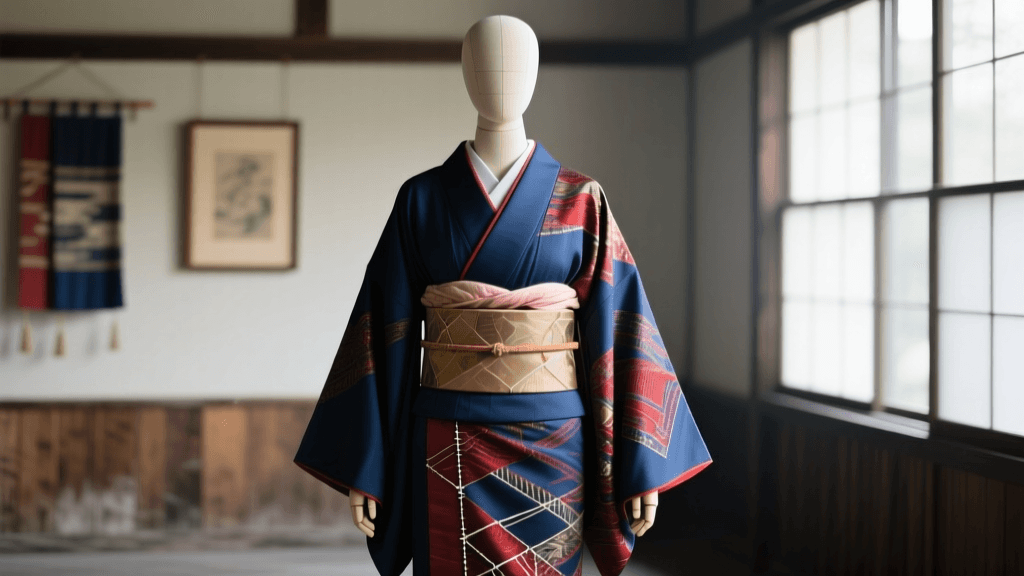
In the realm of traditional Japanese performing arts, the kimono is never merely a garment; it is a vital storytelling device, a marker of social status, and a vessel for spiritual energy. As we navigate the cultural landscape of 2026, the preservation and evolution of theatrical textiles in Kabuki, Noh, and Bunraku remain at the forefront of Asian heritage conservation. While everyday kimono wearing has seen shifts in modern Japan, the stage costumes of these three classical forms continue to demand the highest level of artisanal craftsmanship, utilizing techniques that date back to the Edo period and earlier. For textile enthusiasts, fashion historians, and cultural travelers, understanding the distinct sartorial languages of these theaters offers a profound glimpse into Japan’s aesthetic soul.
Kabuki: Extravagance and the Art of the Hikinuki
Kabuki theater is synonymous with visual spectacle, dynamic movement, and exaggerated emotion. The costumes, known as isho, are designed to be seen from the back of large, multi-tiered theaters. In 2026, the Kabuki-za Theatre in Tokyo continues to showcase garments woven from opulent Nishijin-ori (Kyoto brocade), heavily embroidered silks, and vibrant yuzen dyed fabrics. The sheer weight and volume of a Kabuki kimono, particularly the osode (large, sweeping sleeves), are used by actors to amplify their gestures, turning a simple sleeve flick into a display of profound grief or fierce anger.
One of the most breathtaking textile engineering feats in Kabuki is the hikinuki (quick-change) technique. During a dramatic climax, an actor may instantly change their costume on stage without leaving the audience's view. This is achieved through a complex system of basting threads that hold the outer kimono together. When stage assistants (kurogo) pull these specific threads, the outer robe falls away seamlessly to reveal a completely different kimono underneath. The tailoring required for a hikinuki garment in 2026 still relies on traditional hand-stitching, as modern sewing machines cannot replicate the precise tension and breakaway mechanics required for live performance.
Furthermore, the color palettes in Kabuki are strictly codified. A young, romantic heroine might wear a vivid red and white furisode adorned with cherry blossoms, while a villainous samurai might be draped in stark black and gold kinran (gold brocade) featuring aggressive motifs like lightning or snarling tigers. The interplay between the 2026 state-of-the-art LED stage lighting and the metallic threads of these historic brocades creates a mesmerizing visual depth that defines the Kabuki experience.
Noh: The Spiritual Weight of the Karaori and Surihaku
If Kabuki is the theater of the extravagant, Noh is the theater of the profound and the restrained. Recognized by UNESCO as an Intangible Cultural Heritage, Noh theater relies on the concept of yugen—a deep, mysterious sense of the beauty of the universe. The costumes, collectively called shozoku, are not designed to mimic everyday historical clothing but to elevate the actor to a realm between the human and the divine.
The most iconic Noh garment is the karaori, a stiff, heavily woven brocade robe traditionally worn by female characters (who are played by male actors). The stiffness of the karaori is intentional; it forces the actor to move with a slow, deliberate grace, restricting sudden movements and enhancing the haunting, gliding walk known as suriashi. Another vital garment is the nuihaku, which combines intricate silk embroidery with surihaku (gold or silver leaf pressed directly onto the fabric). The geometric and nature-inspired motifs on a nuihaku—such as autumn grasses, flowing water, or scattered fans—are chosen to reflect the emotional state of the character or the season of the play.
In 2026, the maintenance of Noh costumes is a meticulous science. Many troupes utilize Edo-period antique garments that are over two centuries old. The Japan Arts Council and associated National Theatre conservation departments employ specialized textile conservators who use custom-dyed, low-impact silk threads to repair micro-tears in these priceless artifacts. The collar (eri) of the Noh kimono is also a critical tool; by adjusting the angle and thickness of the collar, the actor can subtly alter the perceived age, gender, and even the supernatural nature of the character they are portraying.
Bunraku: Engineering Miniature Kimono for Puppets
Bunraku, or Ningyo Johruri, presents a unique challenge in the world of traditional garments: dressing a puppet. Also safeguarded by UNESCO, Bunraku puppets are large, often measuring up to 1.5 meters in height, and are operated by three visible puppeteers. The costumes must not only look historically accurate and visually stunning from a distance, but they must also accommodate the complex mechanical armatures and the hands of the puppeteers hidden within the fabric.
Unlike human kimono, which drape over the curves of a living body, Bunraku kimono are essentially architectural structures. The kosode (basic robe) and the kamishimo (the formal pleated vest and trousers worn by samurai characters) are heavily stuffed with cotton, hemp, and modern synthetic batting to create the illusion of a flesh-and-blood torso. The textiles used must be durable enough to withstand the friction of the puppeteers' movements night after night, yet fine enough to mimic the delicate drape of high-status silk.
In 2026, Bunraku costume makers have begun integrating advanced, breathable micro-fibers into the inner lining of the puppets' garments. This innovation helps regulate the temperature inside the costume, preventing the degradation of the antique outer silks caused by the heat and humidity generated by the three puppeteers working in close physical proximity. The sleeves of the Bunraku kimono are also tailored with specific internal slits and weighted hems, allowing the lead puppeteer (omozukai) to manipulate the arms with fluid, lifelike gestures without the fabric snagging on the wooden control rods.
2026 Textile Preservation and Sustainable Silk
The year 2026 marks a significant turning point in the sustainability and preservation of theatrical textiles. With global climate shifts impacting traditional sericulture (silk farming) in East Asia, theaters are facing a shortage of the ultra-fine, high-tensile silk threads required for authentic Nishijin-ori weaving. In response, a coalition of Kyoto textile artisans and Tokyo theater houses has launched the "Heritage Silk Initiative." This program focuses on ethical peace silk harvesting and the development of bio-based, lab-grown silk proteins that perfectly mimic the light-refracting qualities of traditional mulberry silk.
For heavy Kabuki robes, which can weigh upwards of 15 kilograms, actors have long suffered from physical strain. In 2026, it is now standard practice for costume departments to weave the inner linings and structural layers of these heavy garments with advanced, ultra-lightweight carbon-silk blends. This preserves the external visual authenticity and drape of the kimono while reducing the physical burden on the performer by nearly 30%. Meanwhile, the archives of the National Theatre have been fully digitized using 3D textile scanning, allowing researchers worldwide to study the weave structures of 18th-century stage garments without risking damage to the fragile originals.
Comparison Chart: Kabuki vs. Noh vs. Bunraku Costumes
| Theater Form | Primary Garment | Key Textile Technique | Movement & Function |
|---|---|---|---|
| Kabuki | Osode (Large-sleeved robe) | Nishijin-ori brocade, Yuzen dyeing | Exaggerated gestures, Hikinuki quick-changes |
| Noh | Karaori, Nuihaku | Surihaku (foil pressing), heavy embroidery | Restricts movement to enforce slow, spiritual gliding (suriashi) |
| Bunraku | Kosode, Kamishimo | Reinforced weaving, internal structural stuffing | Accommodates puppet armatures and three puppeteers |
Experiencing Theater Garments in 2026: A Traveler’s Guide
For those planning a cultural immersion trip to Japan in 2026, witnessing these garments in person is an unforgettable experience. Here is how to integrate theatrical textile appreciation into your itinerary:
- The Kabuki-za Theatre (Tokyo): Book a hitomaku-mi (single-act) ticket if you are short on time, but opt for a full program to see the evolution of costumes throughout a narrative. Arrive early to visit the basement gallery, which frequently rotates exhibits of actual stage-worn kimono, allowing you to see the intricate embroidery up close.
- National Noh Theatre (Shibuya, Tokyo): Attend a beginner-friendly performance with English audio guides. Pay close attention to the shozoku during the intermission, as the theater's lobby often displays the specific masks and robes used in that day's performance, accompanied by detailed textile placards.
- National Bunraku Theatre (Osaka): Osaka is the historical heart of Bunraku. The 2026 season features special backstage tours where you can observe the isho-ya (costume masters) stuffing and dressing the puppets, offering a rare look at the structural engineering beneath the silk.
- Tokyo National Museum (Ueno): The Honkan (Japanese Gallery) houses a permanent collection of Edo-period theatrical garments. In 2026, their newly renovated textile wing features climate-controlled, low-lux display cases that protect the fragile surihaku gold leaf while allowing visitors to examine the microscopic weave structures via interactive digital magnifiers.
Whether you are marveling at the explosive colors of a Kabuki quick-change, the haunting stiffness of a Noh brocade, or the hidden engineering of a Bunraku puppet's robe, the kimono in traditional Japanese theater remains a living, breathing testament to Asia's unparalleled textile heritage.