Top Hanfu Styling & History Certification Programs 2026
The Professionalization of Hanfu Education in 2026
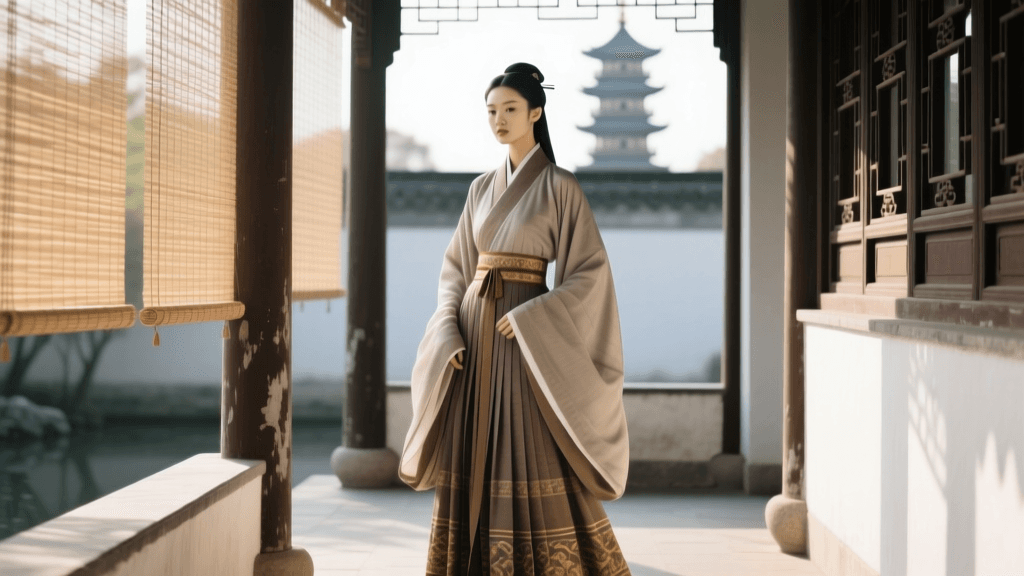
The global fascination with traditional Chinese clothing has evolved from a niche internet subculture into a highly professionalized, multi-billion-dollar industry by 2026. As the Hanfu movement matures, the demand for formal Hanfu education workshops and certification programs has skyrocketed. Enthusiasts, fashion designers, and cultural historians are no longer satisfied with basic online tutorials; they seek rigorous, historically accurate training in garment reconstruction, dynastic styling, and traditional textile weaving. Whether you aspire to become a lead costume designer for historical dramas, a certified Hanfu stylist for the booming cultural tourism sector, or a master tailor specializing in Ming dynasty silhouettes, obtaining a recognized certification in 2026 is the definitive way to validate your expertise.
According to Britannica's comprehensive guide to Chinese dress, the historical continuity of Chinese fashion is deeply tied to social hierarchy, philosophy, and regional textile capabilities. Modern certification programs now bridge this ancient knowledge with contemporary fashion technology, ensuring that the next generation of Hanfu practitioners can accurately reproduce garments while utilizing modern sustainable practices and digital pattern-making tools.
Why Pursue a Hanfu Certification in 2026?
The year 2026 marks a turning point in the traditional garment sector. With the rise of immersive historical tourism in cities like Xi'an, Luoyang, and Hangzhou, local governments and private enterprises are actively hiring certified Hanfu stylists to manage wardrobe departments for large-scale cultural festivals. Furthermore, the global film and television industry has implemented stricter historical accuracy guidelines for period dramas, making certified reconstruction specialists highly sought after. A formal certification not only provides you with a deep understanding of the structural differences between a Tang dynasty Ruqun and a Song dynasty Beizi, but it also connects you with a network of master weavers, silk artisans, and museum curators.
Top Hanfu Education Workshops & Certification Programs
Navigating the educational landscape can be challenging, but several premier institutions have established gold-standard programs for 2026. Below are the most respected pathways for Hanfu education, ranging from intensive academic degrees to accessible online hybrid workshops.
1. Beijing Institute of Fashion Technology (BIFT) - Historical Textile Reconstruction
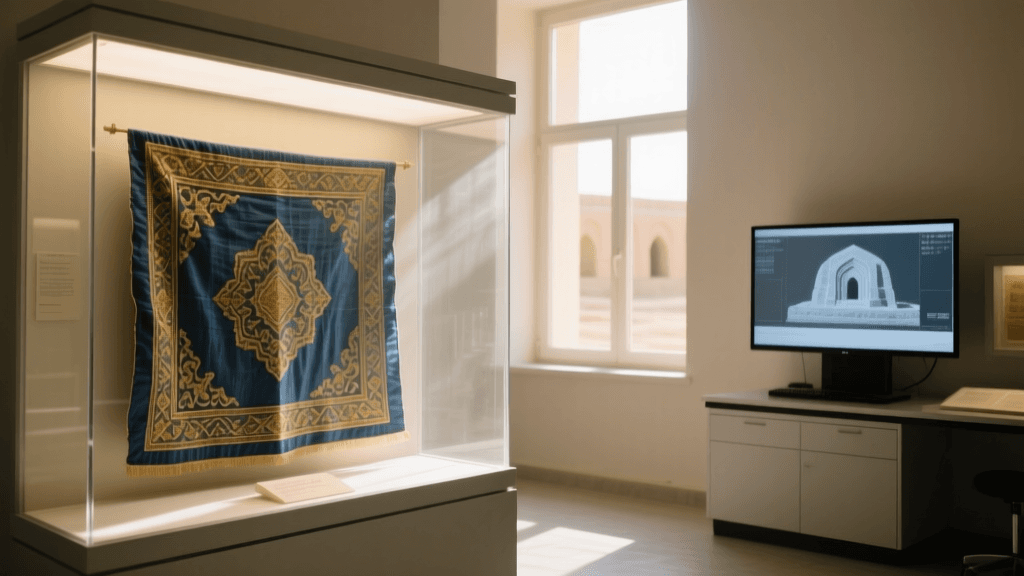
For those seeking an academic and deeply technical route, BIFT continues to lead the industry in 2026 with its Continuing Education Certificate in Historical Textile Reconstruction. This 12-month intensive program focuses on the archaeology of Chinese dress. Students spend time in the Metropolitan Museum of Art's Silk Road textile archives (via digital partnership) and local Chinese museums, analyzing extant garments. The curriculum heavily emphasizes traditional weaving techniques, such as the complex Luo (gauze) and Kesi (silk tapestry) methods, which are recognized by UNESCO's Intangible Cultural Heritage registry. Graduates are equipped to work in museum conservation, high-end bespoke tailoring, and academic research.
2. China Hanfu Association (CHA) - Professional Stylist & Draping Certification
The CHA offers a highly practical, 6-week certification program designed for working stylists, wedding planners, and cultural tourism managers. The 2026 syllabus has been updated to include modern AI-assisted color theory matched with traditional Chinese five-element philosophy. Students learn the precise draping techniques required for different body types, the correct layering of undergarments (Zhongyi), and the historical rules of accessorizing with jade, gold, and silk ribbons based on specific dynastic sumptuary laws. This certification is widely recognized across Asia's premier Hanfu rental boutiques and cultural experience centers.
3. International Traditional Textile Alliance (ITTA) - Global Hanfu Heritage Diploma
For international students unable to relocate to China, the ITTA offers a 9-month hybrid diploma. Combining asynchronous video lectures with live virtual workshops and a final in-person practicum, this program covers the sociological and historical evolution of Hanfu. The 2026 cohort features guest lectures from master artisans in Suzhou and Hangzhou, focusing on the sustainable sourcing of peace silk and the revival of natural plant-based dyeing methods, such as indigo and madder root, tailored specifically for traditional Chinese silhouettes.
Comparative Analysis of 2026 Certification Pathways
Choosing the right program depends on your career goals, budget, and time commitment. The table below outlines the core differences between the top three certification pathways available this year.
| Program Name | Institution | Duration | 2026 Tuition (USD) | Primary Focus Area | Format |
|---|---|---|---|---|---|
| Historical Textile Reconstruction | Beijing Institute of Fashion Tech | 12 Months | $4,200 | Weaving, Pattern Drafting, Conservation | In-Person (Beijing) |
| Professional Stylist Certification | China Hanfu Association | 6 Weeks | $850 | Draping, Era-Specific Styling, Tourism | Hybrid / Intensive |
| Global Hanfu Heritage Diploma | Intl. Traditional Textile Alliance | 9 Months | $1,500 | Cultural History, Natural Dyeing, Theory | Online + 1 Week Residency |
Core Curriculum: What to Expect in a Hanfu Workshop
Regardless of the institution you choose, a reputable 2026 Hanfu certification program will require you to master several core competencies. The curriculum is generally divided into three distinct modules:
- Module 1: Dynastic Silhouettes and Proportions. Students must learn to differentiate and draft patterns for major historical periods. This includes the high-waisted, flowing aesthetics of the Tang dynasty, the slender, understated elegance of the Song dynasty, and the structured, voluminous silhouettes of the Ming dynasty, particularly the intricate pleating of the Mamianqun (horse-face skirt).
- Module 2: Textile Identification and Sourcing. Understanding the 'Four Famous Brocades' of China is mandatory. Workshops teach students how to identify authentic Song brocade, Shu brocade, Yun brocade, and Zhuang brocade, including how to source ethical, high-quality alternatives that drape correctly without damaging historical silhouettes.
- Module 3: The Art of the Collar and Closure. The fundamental rule of Jiaoling Youren (left lapel crossing over the right) is explored in depth. Students learn the precise geometry required to draft collars that lay flat against the collarbone without gaping, a common issue in mass-produced, uncertified Hanfu garments.
Essential Tools for the 2026 Hanfu Student
To succeed in these certification programs, students must invest in a specialized toolkit that bridges traditional craftsmanship with modern technology. In 2026, the standard toolkit for a Hanfu reconstruction student includes:
- CLO 3D with Hanfu Historical Archive Plugin: Released in late 2025, this specialized plugin allows students to simulate the exact drape and weight of historical silks, such as 12-momme Habotai or 30-momme Shantung, before cutting physical fabric.
- Traditional Bamboo Measuring Tapes and Wooden Pattern Weights: Essential for maintaining the tension and grainline of delicate silk fabrics during the flat-pattern drafting process.
- Specialized Silk Shears: Micro-serrated scissors designed specifically to prevent the fraying of raw silk edges, particularly when working with complex brocades and gauzes.
- Natural Dye Testing Kits: As sustainability becomes a core tenet of 2026 fashion education, students are required to test natural mordants (like alum and iron) on various silk weaves to achieve historically accurate colors, such as 'Tianqing' (sky blue) or 'Yuhong' (jade red).
Career Trajectories Post-Certification
Graduating from a recognized Hanfu education workshop opens doors to a variety of lucrative and culturally significant career paths. In the entertainment sector, streaming platforms producing high-budget historical epics are actively recruiting certified reconstruction specialists to ensure their costumes pass the scrutiny of increasingly knowledgeable audiences. In the private sector, bespoke Hanfu tailoring has become a premium service for weddings, with certified stylists commanding high fees for designing historically accurate, multi-layered ceremonial ensembles. Furthermore, the booming 'Guochao' (national trend) movement has led global luxury brands to hire Hanfu historians as consultants to ensure their Asian-inspired collections avoid cultural appropriation and instead celebrate authentic textile heritage.
Conclusion
The landscape of traditional Chinese fashion has never been more vibrant or demanding of expertise. By enrolling in a Hanfu education workshop or certification program in 2026, you are not merely learning how to sew a garment; you are becoming a custodian of a living, breathing cultural heritage. Whether you choose the academic rigor of BIFT or the practical styling focus of the CHA, the investment in your education will position you at the forefront of the global traditional garment renaissance.