Mastering Kimono Layering: Seasonal Rules and Dressing
The Philosophy of Shun in Japanese Dress
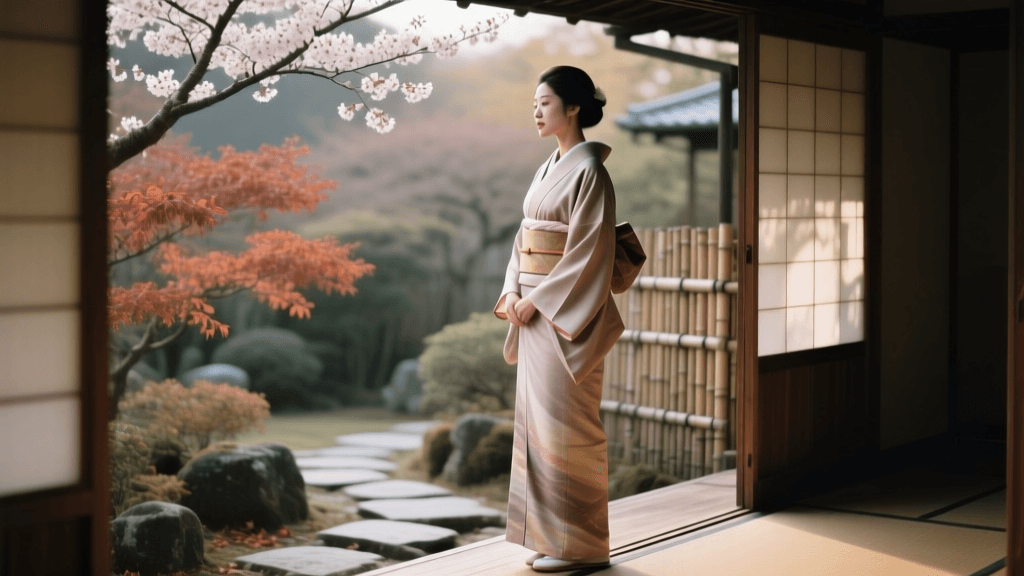
In traditional Japanese culture, the concept of shun (seasonality) dictates not only culinary practices but also the aesthetics of dress. Wearing a kimono is an exercise in environmental harmony, where the garment reflects the precise moment in the natural calendar. According to the Victoria and Albert Museum's exploration of the Kimono, the garment is not merely clothing but a canvas for seasonal expression, with motifs, colors, and most importantly, fabric weights shifting in tandem with the weather. For modern practitioners and cultural enthusiasts, mastering the seasonal transition of kimono wear—known as koromogae (changing clothes)—is essential for both aesthetic correctness and physical comfort.
Unlike Western fashion, which often relies on adding or removing outer layers like coats and sweaters, traditional Japanese dressing (kitsuke) manages temperature through the structural engineering of undergarments, the weave of the silk, and the precise tension of the sashes. Understanding these techniques allows you to wear traditional Japanese clothing comfortably across drastic climate shifts, from the humid, sweltering peaks of August to the biting winds of February.
The Three Pillars of Seasonal Kimono
The foundation of seasonal kimono wear relies on three primary garment structures. The transition between these is strictly governed by the lunar and solar calendar, though modern practitioners often adjust these dates based on local climate realities. The Metropolitan Museum of Art's Asian Art collection highlights how historical textiles shifted in weight and weave to accommodate Japan's distinct four seasons, a practice that remains rigidly observed in formal settings today.
| Kimono Type | Season | Traditional Months | Fabric & Characteristics |
|---|---|---|---|
| Awase | Winter/Spring/Autumn | October 1 - May 31 | Lined silk. Features an outer layer and an inner lining, providing insulation and a heavy, elegant drape. |
| Hitoe | Early Summer/Early Autumn | June 1 - June 30 Sept 1 - Sept 30 | Unlined silk. A single layer of fabric. The lack of lining allows for better airflow while maintaining formal opacity. |
| Usuyamono (Ro/Sha) | Peak Summer | July 1 - August 31 | Sheer, gauze-weave silk. Ro features a striped mesh pattern, while Sha is a finer, more delicate gauze. Highly breathable. |
While these dates serve as the formal rulebook, practical dressing requires adapting to the actual temperature. If a heatwave strikes in late May, wearing an awase kimono can lead to dangerous overheating. In such cases, transitioning to a hitoe early is an accepted modern concession to comfort.
Strategic Layering: Undergarments and Temperature Control
The true secret to seasonal kimono comfort lies beneath the outer silk. The undergarments, collectively referred to as shitagi, act as a micro-climate management system. In winter, they trap heat; in summer, they wick moisture and prevent the sheer outer layers from clinging to the skin.
Winter Layering Techniques
During the awase season, the goal is insulation without adding bulk that disrupts the cylindrical silhouette of the kimono. Modern practitioners utilize specialized thermal undergarments designed specifically for kitsuke.
- Hadajuban and Susoyoke: The base layer consists of a thin cotton or silk camisole (hadajuban) and a wrap skirt (susoyoke). In winter, opt for silk or specialized heat-retaining synthetic blends rather than standard cotton, which can hold moisture and chill the body.
- Thermal Legwear: Because the kimono hem allows cold air to circulate around the legs, wearing fleece-lined tights or traditional momohiki (padded leggings) dyed to match your tabi socks is a vital, invisible layering technique.
- The Nagajuban: This is the robe worn directly under the kimono. For winter, a lined nagajuban made of silk crepe provides excellent warmth. The collar of the nagajuban is covered by a removable erimono (collar cover), which can be swapped for thicker, embroidered silk in colder months.
Summer Cooling Foundations
Summer dressing is arguably the most complex, as you must maintain the formal structure of the kimono while combating high humidity. As noted by the Japan National Tourism Organization's guide to Traditional Culture, the preservation of these techniques showcases the ingenuity of traditional Japanese textile engineering.
- Ro and Sha Undergarments: When wearing a sheer usuyamono kimono, the nagajuban must also be made of ro or sha gauze. This creates a double-mesh effect that allows wind to pass directly through the garments to the skin.
- Sleeveless and Short-Sleeve Juban: To reduce heat trapping around the arms and torso, summer hadajuban are often sleeveless or feature very short, wide sleeves.
- Bamboo and Hemp Blends: Modern summer undergarments frequently incorporate hemp (asa) or bamboo fibers, which possess natural antimicrobial and moisture-wicking properties, preventing the outer silk from staining with perspiration.
Kitsuke Techniques for Climate Adaptation
Kitsuke (the art of dressing) is not static; the physical technique of tying the kimono changes depending on the season to facilitate airflow and manage sweat.
Collar Adjustments (Eri-nuki)
The angle and tension of the collar (eri) drastically alter both the formality and the ventilation of the garment. In winter, the collar is pulled relatively snug against the nape of the neck to retain body heat and present a modest, formal profile. In summer, practitioners employ a technique called eri-nuki, where the back collar is pulled down and away from the neck by exactly 8 to 10 centimeters (roughly the width of a fist). This exposes the nape—a traditionally eroticized and highly sensitive cooling point in Japanese aesthetics—and creates a chimney effect, allowing hot air to escape upward from the torso.
Sash Tension and Air Pockets
The obi (sash) and its accompanying ties (koshihimo and datejime) act as the structural corset of the kimono. In summer, tying these too tightly restricts breathing and traps sweat against the ribs.
- Mesh Datejime: Replace standard silk or cotton datejime (the wide sash used to secure the kimono before the obi) with a rigid, plastic or bamboo mesh belt. This provides the necessary structural support to hold the o-hashori (the folded tuck at the waist) in place while allowing maximum airflow to the midsection.
- The Otaiko Bow: When tying the popular otaiko musubi (drum bow) in summer, dressers intentionally leave a small pocket of air between the obi and the lower back. This is achieved by inserting a specialized summer obi-ita (belt board) made of perforated mesh, preventing the heavy brocade of the obi from suffocating the lower spine.
Actionable Guide: Building and Budgeting for a Seasonal Wardrobe
Acquiring a full seasonal wardrobe can be daunting, but understanding the second-hand market and prioritizing versatile pieces makes it highly achievable. Because hitoe (unlined) kimonos were historically worn for only two months out of the year, they are surprisingly rare and often more expensive than heavily lined winter kimonos on the vintage market.
Budgeting and Sourcing
- Awase (Winter/Spring): Highly abundant. You can find excellent vintage silk awase kimonos at Japanese recycle shops or online auction sites for $30 to $100 USD. Invest in neutral colors with subtle seasonal motifs (like pine or plum blossoms) that can span from late autumn to early spring.
- Hitoe (Transitional): Scarce and highly sought after. Expect to pay $80 to $250 USD for a quality vintage piece. Because they are unlined, check the seams carefully for fraying, as the single layer of silk bears all the structural tension.
- Usuyamono / Ro / Sha (Summer): Priced between $50 and $150 USD. When buying vintage sheer kimonos, inspect the fabric for 'shattering' (silk rot), as the delicate gauze weaves are highly susceptible to dry rot if not stored properly in camphor-lined chests.
Care and Storage
Seasonal transitions require meticulous storage. When packing away your awase kimonos in May, they must be professionally cleaned or thoroughly aired out to remove microscopic skin oils that attract pests. Wrap each kimono in tatou (traditional Japanese paper) rather than plastic, which traps moisture and causes mold. Include natural camphor blocks to deter silverfish, ensuring your seasonal wardrobe remains pristine for the next cycle of koromogae.
Conclusion
Mastering the seasonal wear and dressing techniques of the kimono transforms it from a rigid historical costume into a living, breathing interaction with the natural world. By understanding the structural differences between awase, hitoe, and usuyamono, and by adapting your undergarments and kitsuke tension to the climate, you honor the deep ecological mindfulness embedded in Japanese sartorial traditions. Whether you are navigating the humid streets of Kyoto in a sheer ro kimono or attending a crisp autumn tea ceremony in layered silk, the correct seasonal approach ensures you do so with both authenticity and grace.