Ceremonial vs Everyday Hanbok: 2026 Styling Guide
The Resurgence of the Hanbok in 2026
As we navigate the global fashion landscape of 2026, the Korean hanbok has successfully transcended its status as a purely historical artifact or occasional tourist rental. Today, it stands as a dynamic, living garment that bridges the gap between ancestral heritage and contemporary streetwear. For enthusiasts and newcomers alike, understanding the distinction between ceremonial and everyday hanbok is crucial for building a versatile, culturally respectful, and highly functional wardrobe. The modern market is distinctly divided into two primary categories: the opulent, highly structured ceremonial garments (often referred to as Honbok for weddings or Myeongjeol for major holidays) and the streamlined, practical everyday wear known as Gaeryang Hanbok (modernized or improved hanbok).
According to cultural insights provided by the Korea Tourism Organization, the integration of traditional garments into daily life has seen a massive surge over the last few years, driven by a desire for sustainable, meaningful fashion. In 2026, consumers are no longer forcing themselves into restrictive historical silhouettes for daily wear; instead, they are embracing the Gaeryang movement, which respects traditional construction while adapting to the realities of modern commuting, working, and socializing. Meanwhile, ceremonial hanbok remains fiercely protected in its traditional forms, serving as the ultimate expression of Korean textile artistry during life’s most significant milestones.
Ceremonial Hanbok (Honbok): Heritage and Grandeur
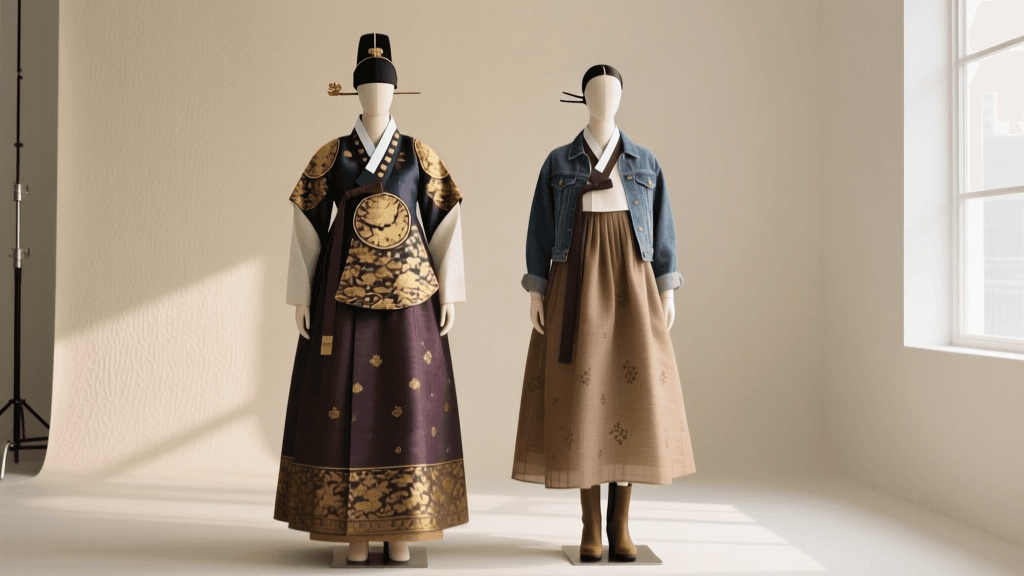
Ceremonial hanbok represents the zenith of traditional Korean textile arts. Designed for weddings, ancestral rites (Charye), and major cultural festivals, these garments prioritize visual impact, historical accuracy, and symbolic meaning over physical comfort. The silhouettes are voluminous, the fabrics are heavy, and the layering is complex. In 2026, bespoke ceremonial hanbok remains a significant financial investment, often treated as a family heirloom passed down through generations.
Key Components of Ceremonial Wear
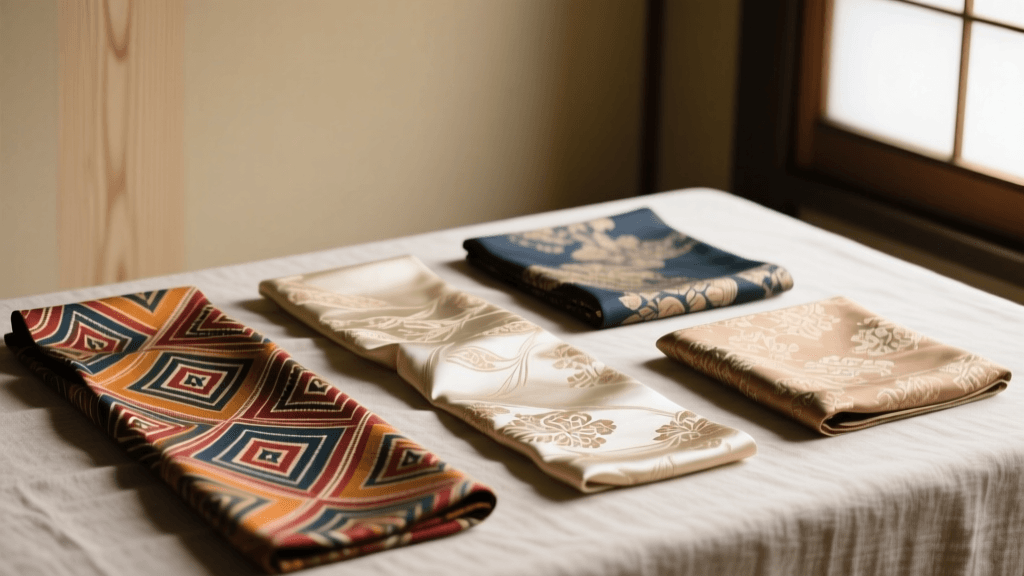
The most iconic ceremonial garment for women is the Wonsam or the Hwalot (bridal robe). The National Museum of Korea highlights the historical significance of the wonsam, noting its origins in courtly dress and its intricate embroidery featuring peonies, butterflies, and phoenixes that symbolize wealth, longevity, and marital harmony. These robes are typically crafted from heavy silk brocade or myeongju (traditional Korean silk), which requires specialized, climate-controlled storage to maintain its luster.
For men, ceremonial wear often includes the Gwanbok (official court attire) or a dark silk durumagi (overcoat) paired with a gat (traditional hat). The construction of these garments involves minimal cutting and sewing, relying instead on the natural drape of wide, uncut fabric panels to create a dignified, imposing silhouette. The sleeves of a ceremonial jeogori (jacket) are exceptionally wide, sometimes measuring up to 60 centimeters across, creating a dramatic, sweeping motion when the wearer moves. While breathtaking, this volume makes navigating modern urban environments, driving, or using public transit nearly impossible, cementing its status as strictly occasional wear.
Everyday Hanbok (Gaeryang): Practicality Meets Tradition
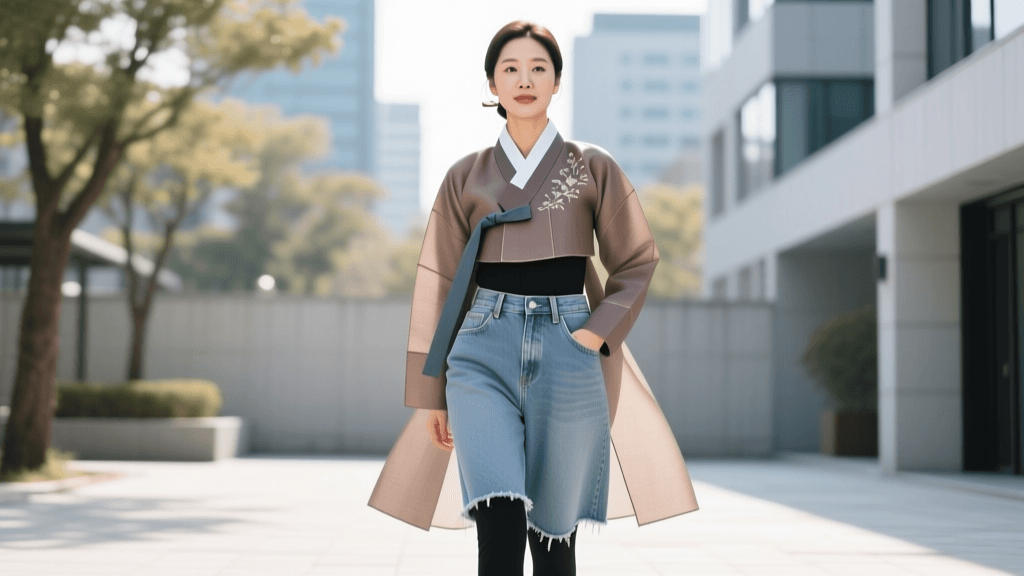
The Gaeryang Hanbok movement, which began in the late 20th century, has fully matured by 2026 into a sophisticated sub-sector of the global fashion industry. Gaeryang hanbok retains the fundamental DNA of the traditional garment—such as the goreum (chest ties), the curved baerae (sleeve bottom), and the high-waisted chima (skirt)—but alters the proportions, fabrics, and fastening methods to suit contemporary lifestyles.
Modern Adjustments for Daily Life
In 2026, the most prominent everyday hanbok brands utilize organic cotton-hemp blends, washable synthetic silks, and even tech-integrated moisture-wicking fabrics for summer wear. The traditional chima, which historically required multiple heavy petticoats (sokchima) to achieve its bell shape, has been reimagined. Modern everyday skirts feature built-in structural lining, hidden side pockets, and discreet zipper closures alongside the traditional decorative ties. The hemline is frequently raised from the floor-sweeping traditional length to a practical midi or tea-length (falling just below the calf), preventing the fabric from dragging on wet city streets or subway floors.
The jeogori has also undergone significant tailoring. While historical everyday jackets were already relatively short, the 2026 Gaeryang versions often feature slightly elongated front panels to provide more modest coverage, and the sleeves are tapered to a standard 25-centimeter cuff, allowing the wearer to type on a keyboard or cook without the fabric getting in the way. Furthermore, the complex traditional knotting of the goreum is often supplemented with hidden magnetic snaps or hook-and-eye closures, ensuring the jacket stays securely fastened during busy commutes while maintaining the illusion of a perfectly tied bow.
2026 Comparison Chart: Honbok vs. Gaeryang Hanbok
To help you decide which style fits your needs, refer to the comprehensive comparison table below detailing the specifications, costs, and care requirements for both categories in the current market.
| Feature | Ceremonial (Honbok / Myeongjeol) | Everyday (Gaeryang Hanbok) |
|---|---|---|
| Primary Fabrics | Heavy silk brocade, Myeongju, Ramie | Cotton-linen blends, washable poly-silk, Tencel |
| Skirt Length (Chima) | Floor-sweeping (requires petticoats) | Midi, tea-length, or ankle-grazing (no petticoats) |
| Sleeve Width | 45cm - 60cm (Wide, dramatic drape) | 20cm - 28cm (Tapered, practical for work) |
| Closure System | Traditional tying, complex layering | Hidden zippers, magnetic snaps, decorative ties |
| 2026 Price Range | $2,500 - $15,000+ (Bespoke) | $120 - $450 (Ready-to-wear) |
| Maintenance | Specialized dry cleaning, climate-controlled storage | Machine washable (gentle cycle) or hand wash |
Sourcing, Pricing, and Care in 2026
Acquiring a hanbok in 2026 is easier than ever, but knowing where to look ensures you receive authentic construction rather than mass-produced, culturally diluted costumes. For everyday Gaeryang hanbok, boutique designers in Seoul’s Bukchon and Ikseon-dong neighborhoods have established robust global e-commerce platforms. Brands are increasingly offering made-to-measure services online, where you input your bust, waist, and shoulder measurements, and the garment is tailored and shipped globally within three weeks. When ordering a modernized jeogori, ensure you provide your exact shoulder-to-wrist measurement, as the tapered sleeves of 2026 designs lack the forgiving drape of historical wide sleeves.
For ceremonial Honbok, the process remains deeply personal and localized. It typically involves multiple in-person fittings at specialized ateliers in Seoul or Busan. The high cost—often exceeding $5,000 for a full bridal set—reflects the hundreds of hours of hand-embroidery and the sourcing of premium, naturally dyed silks. If purchasing ceremonial wear, buyers in 2026 are increasingly opting for rental services for weddings, which offer access to museum-quality garments for a fraction of the retail price, while investing their purchasing budget into high-quality everyday hanbok that can be worn for years.
Garment Care and Maintenance
The longevity of your hanbok depends entirely on proper care. Ceremonial silks are highly sensitive to moisture and light. They must never be washed at home. After wearing, a ceremonial garment should be aired out in a shaded, well-ventilated room for 24 hours before being returned to its archival storage box with acid-free tissue paper to prevent permanent creasing. Conversely, the beauty of the 2026 Gaeryang hanbok lies in its low-maintenance nature. Cotton and Tencel blend skirts can be machine washed on a delicate, cold-water cycle using a mesh laundry bag. To maintain the crispness of the jeogori collar (dongjeong), which is often a detachable white strip of fabric, it should be removed before washing and lightly ironed on a low setting to preserve its stiff, clean line against the neck.
Conclusion
The dichotomy between ceremonial and everyday hanbok in 2026 is not a battle between the old and the new, but rather a harmonious division of labor within Korean fashion. Ceremonial Honbok serves as the guardian of history, preserving the grand, sweeping silhouettes and intricate symbolism of the past for moments of profound cultural and personal significance. Meanwhile, Gaeryang Hanbok acts as the ambassador of the culture, translating traditional aesthetics into a wearable, sustainable, and highly practical format for the modern global citizen. By understanding the distinct purposes, fabrics, and care requirements of both, you can thoughtfully integrate the beauty of Korean heritage into your wardrobe, whether you are attending a formal wedding or simply navigating your daily commute.