Best Traditional Chinese Footwear 2026: Cloud Shoes & Boots
The 2026 Renaissance of Traditional Chinese Footwear
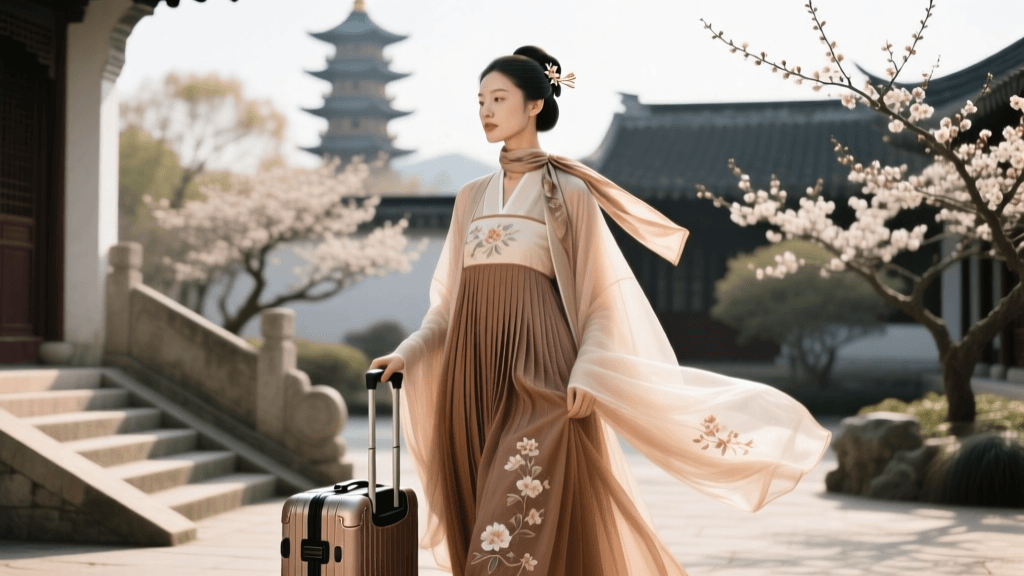
As the Xin Zhongshi (New Chinese Style) movement continues to dominate global and domestic fashion weeks in 2026, enthusiasts and designers alike have realized that a truly authentic silhouette requires more than just a beautifully draped Mamian (horse-face) skirt or a tailored Song dynasty-inspired jacket. The foundation of any traditional ensemble lies in its footwear. Traditional Chinese footwear, particularly the iconic Cloud Shoes (Yunxie) and structured Scholar Boots (Xuezi), have experienced a massive resurgence. No longer relegated to museum displays or theatrical stages, these historical designs have been re-engineered for the modern urbanite, blending centuries-old embroidery techniques with 2026 ergonomic standards.
According to cultural historians and textile experts at the Metropolitan Museum of Art, the evolution of Chinese dress has always been deeply intertwined with social status, philosophy, and regional craftsmanship. Today, the revival of these garments is driven by a desire for cultural reconnection and sustainable, artisanal fashion. In this comprehensive guide, we explore the anatomy, modern adaptations, styling rules, and maintenance of traditional Chinese footwear in 2026.
Decoding the Classics: Types of Traditional Footwear
Yunxie (Cloud Shoes)
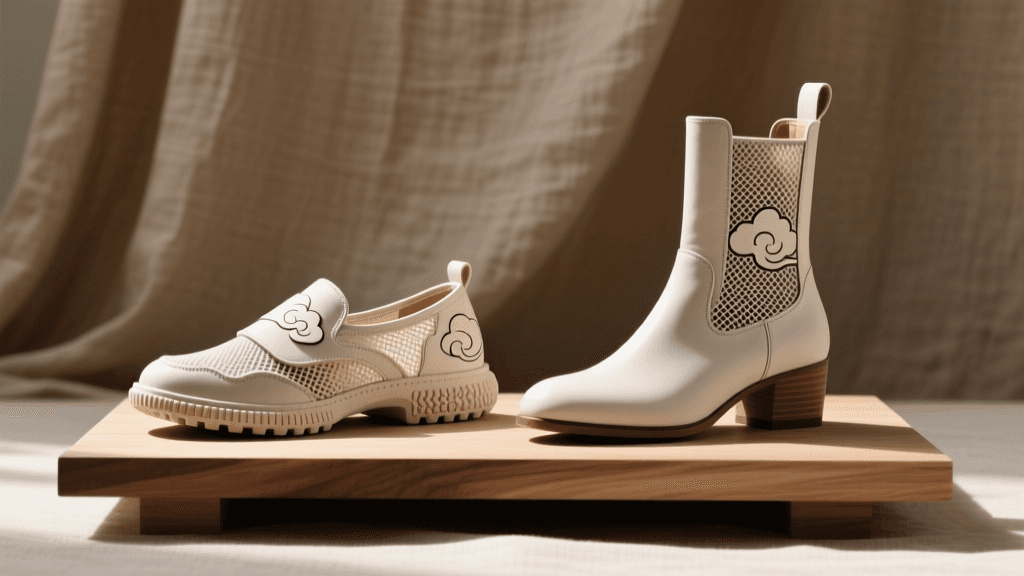
The Yunxie, or Cloud Shoe, is arguably the most recognizable piece of traditional Chinese footwear. Historically worn by women of the Han ethnic group, the name derives either from the cloud-shaped motifs meticulously embroidered on the toe or from the upturned, cloud-like silhouette of the shoe's tip. In 2026, contemporary artisans are crafting Yunxie using premium vegan silks, breathable organic cottons, and lightweight rubber-cork hybrid soles that mimic the look of traditional layered cotton but offer superior shock absorption for city walking.
The upper is typically adorned with Su (Suzhou) or Shu (Sichuan) embroidery, featuring auspicious symbols like peonies for wealth, bats for good fortune, or plum blossoms for resilience. Modern iterations often feature subtle, tonal embroidery for everyday office wear, while vibrant, multi-threaded silk pieces are reserved for festivals and weddings.
Xuezi (Scholar and Official Boots)
For a more structured, gender-neutral, or masculine-leaning aesthetic, the Xuezi boot is the quintessential choice. Originating from the Ming and Qing dynasties, these boots were traditionally worn by scholars, officials, and martial artists. They are characterized by their sleek, ankle-high silhouette, crafted from black satin, velvet, or finely woven cotton, and set upon a thick, stark white layered sole.
In the 2026 fashion landscape, luxury Xin Zhongshi brands have updated the Xuezi boot with hidden memory-foam insoles and water-resistant nano-coatings on the velvet uppers. The stark contrast between the dark upper and the white sole remains a hallmark of the design, providing a striking visual anchor to wide-legged trousers and flowing robes.
Modern Platform Adaptations (Qixie Influences)
While the extreme 'flowerpot' platform shoes of the Qing dynasty court are largely historical artifacts, their DNA survives in 2026's chunky-soled Xin Zhongshi sneakers and platform Mary Janes. Designers are integrating traditional brocade fabrics and cloud-toe caps onto modern platform silhouettes, offering height and streetwear edge while maintaining a distinctly Chinese cultural vocabulary. The Victoria and Albert Museum's extensive footwear archives highlight how platform shoes have historically denoted status and theatricality, a concept that modern streetwear has eagerly adopted.
The Craftsmanship Behind the Traditional Sole
One of the most defining features of authentic traditional Chinese footwear is the sole. Historically, the qiandi (layered sole) was constructed by stitching together dozens of layers of cotton cloth, coated in natural paste, and compressed over weeks. This meticulous process, known as 'pulling the sole,' required immense physical strength and resulted in a breathable, shock-absorbing base that conformed to the wearer's foot over time. While authentic hand-stitched cotton soles are still available from master artisans in provinces like Shanxi and Hebei, they are highly susceptible to water damage and wear down quickly on modern asphalt.
To bridge the gap between heritage aesthetics and 2026 urban realities, leading Xin Zhongshi footwear brands have developed proprietary composite soles. These modern soles feature a core of lightweight EVA foam or recycled cork for cushioning, wrapped in a textured, water-resistant rubber that visually mimics the ribbed, layered appearance of traditional cotton. This innovation has been the primary catalyst for the explosion in daily wearability of Cloud Shoes and Scholar Boots, allowing enthusiasts to honor the visual language of the past without sacrificing the biomechanical support required for contemporary life.
2026 Buyer’s Guide: Comparison and Pricing
When shopping for traditional Chinese footwear in 2026, buyers must navigate between mass-produced costume pieces and genuine artisanal crafts. Below is a comparison of the primary styles available on the market this year, including average price points for authentic, high-quality pairs.
| Footwear Type | Primary Materials (2026) | Best Use Case | Avg. Price (USD) |
|---|---|---|---|
| Yunxie (Cloud Shoes) | Mulberry silk, organic cotton, cork-rubber sole | Daily wear, pairing with Mamian skirts, office attire | $85 - $240 |
| Xuezi (Scholar Boots) | Velvet, satin, microfiber, EVA-foam white sole | Winter wear, martial arts, avant-garde streetwear | $120 - $350 |
| Brocade Platform Sneakers | Song brocade, leather, chunky rubber outsole | Casual streetwear, travel, fashion week events | $150 - $400 |
| Straw/Woven Sandals (Mangxie) | Hemp, rattan, recycled cotton yarn | Summer wear, indoor tea ceremonies, wellness retreats | $40 - $90 |
Styling Traditional Footwear for Modern Wardrobes
Integrating heritage footwear into a 2026 wardrobe requires a balance of proportion and texture. The goal of Xin Zhongshi is not to wear a historical costume, but to weave cultural elements into contemporary life.
- The Mamian & Yunxie Combo: The most popular silhouette of the decade pairs a mid-calf length Mamian skirt with flat or low-wedge Cloud Shoes. Ensure the hem of the skirt grazes just above the shoe's collar to allow the embroidered toe cap to remain visible.
- Tailored Trench & Xuezi Boots: For a sophisticated, gender-fluid autumn look, pair black velvet Scholar Boots with wide-leg, pleated wool trousers and a structured, mandarin-collar trench coat. The white sole of the boot will pop against dark autumnal pavements.
- Denim & Brocade: To dress down traditional brocade platform sneakers, pair them with raw, straight-leg denim and a simple organic cotton t-shirt. Let the intricate weaving of the shoe serve as the outfit's focal point.
Care and Maintenance for Heritage Textiles
Traditional footwear utilizes delicate natural fibers that require specific care to maintain their structural integrity and visual brilliance. As highlighted by textile conservation guidelines from institutions like Britannica's archives on Chinese art and textiles, silk and velvet are highly susceptible to moisture and UV degradation.
Daily Care
Never wear silk or velvet traditional shoes in heavy rain. If your velvet Xuezi boots collect dust or lint, use a soft-bristled suede brush or a specialized velvet steamer to lift the fibers and restore the nap. For silk Yunxie, spot clean only using a damp microfiber cloth and a pH-neutral detergent.
Storage and Archival Preservation
When transitioning between seasons, stuff the toes of your Cloud Shoes with acid-free tissue paper to maintain the upturned shape of the cloud toe. Store them in breathable cotton dust bags—never plastic, which traps moisture and encourages mold. Place natural cedar blocks in your storage boxes to repel insects and absorb ambient humidity, ensuring your embroidered masterpieces remain pristine for years to come.
Conclusion
The traditional Chinese footwear renaissance of 2026 proves that heritage craftsmanship can seamlessly coexist with modern ergonomics and contemporary style. Whether you are stepping into the office in a pair of subtly embroidered Yunxie or navigating the city streets in structured Xuezi boots, these garments offer a profound connection to Asian traditions while firmly planting your feet in the future of global fashion.