2026 Hanfu Storage Rotation & Seasonal Care Guide
The 2026 Hanfu Wardrobe: Why Seasonal Rotation Matters
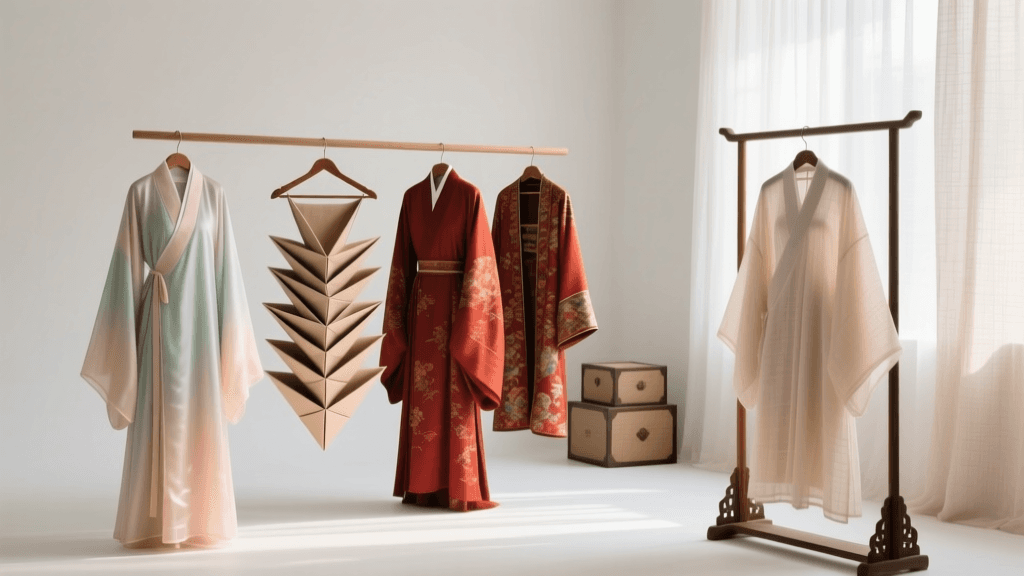
As the Xin Zhongshi (new Chinese style) movement continues to dominate global fashion weeks and everyday streetwear in 2026, the Hanfu wardrobe has evolved from a niche hobbyist collection into a sophisticated, year-round sartorial investment. Modern enthusiasts and collectors now possess garments ranging from delicate Song dynasty-inspired silk slip dresses to heavy, Ming dynasty-style woven brocade winter coats. However, the diverse material composition of these traditional garments demands a rigorous, seasonally aware storage rotation strategy. Improper storage remains the leading cause of textile degradation, with protein-based fibers like silk being particularly vulnerable to environmental fluctuations.
According to textile preservation standards outlined by the Victoria and Albert Museum's conservation department, natural fibers require specific microclimates to prevent permanent structural damage. In 2026, integrating smart home climate sensors with archival-grade physical storage solutions is the gold standard for Hanfu collectors. This comprehensive guide details the exact protocols for rotating, cleaning, and preserving your Hanfu collection through the changing seasons.
The Seasonal Rotation Calendar
The transition between seasons is the most critical period for garment maintenance. In early spring (March to April), winter wools, heavy brocades, and lined garments must be cleaned and transitioned into long-term storage, while breathable ramie, linen, and lightweight silk gauze (Luo) are brought to the front of the wardrobe. Conversely, in late autumn (October to November), the process reverses.
Before any garment enters long-term storage for six months or more, it must undergo a meticulous cleaning process. Invisible stains, such as sweat, natural body oils, or spilled tea, will oxidize and permanently discolor silk and linen fibers over time. The Canadian Conservation Institute strongly advises against storing soiled textiles, as the residual organic matter attracts pests and accelerates fiber embrittlement.
Fabric-Specific Storage Techniques
Mulberry Silk and Silk Gauze (Luo)
Silk is a protein fiber that loses tensile strength when exposed to prolonged light, high humidity, or acidic environments. For delicate summer garments like the Tang dynasty-style Qixiong Ruqun (chest-high skirt) or sheer Luo gauze tops, hanging is generally discouraged for long-term storage. The weight of the garment can cause the shoulders to stretch and the silk fibers to warp. Instead, these pieces should be gently folded with layers of acid-free, unbuffered tissue paper to prevent sharp creases. In 2026, archival brands like Lineco offer pH-neutral tissue specifically designed for protein fibers, ensuring the silk does not yellow or become brittle.
Jacquard, Brocade, and Zhi Jin
Heavier garments, such as the Ming dynasty Pifeng (cloak) or winter Ao (jacket) made from intricate Zhi Jin (woven gold) brocade, require structural support. Folding heavy brocade can cause the metallic threads to snap or permanently crease. These garments should be hung on wide, padded hangers. Avoid wire or thin wooden hangers, which create shoulder bumps and distort the traditional flat-cut silhouette of Hanfu. Wrap the garment in a breathable, unbleached cotton muslin garment bag. Never use plastic dry-cleaning bags, as they trap moisture and emit volatile organic compounds (VOCs) that degrade silk dyes.
Ramie and Linen Blends
The Xin Zhongshi movement has popularized modern linen and ramie blends for everyday summer wear. While these cellulose fibers are more robust than silk, they are highly susceptible to mold and mildew in humid environments. Linen Hanfu can be hung on sturdy wooden hangers or folded. If folding, ensure the storage environment remains strictly below 60% relative humidity to prevent fungal growth.
The Mamianqun Dilemma: Preserving Knife Pleats
The Mamianqun (horse-face skirt) is a staple of the Hanfu wardrobe, characterized by its intricate, overlapping knife pleats. Storing a Mamianqun incorrectly will result in the loss of pleat definition, requiring hours of meticulous steaming and pressing to restore. For short-term storage, hang the skirt using a wide, velvet-lined clip hanger, clipping the waistband rather than the delicate hem. For long-term seasonal rotation, the roll and wrap method is preferred by conservators. Lay the skirt flat, align the pleats carefully, and roll the skirt from the hem to the waistband around an acid-free cardboard tube padded with cotton batting. This eliminates hard fold lines and preserves the pleat structure flawlessly.
2026 Climate Control and Pest Management
Modern smart home technology has revolutionized closet climate control. In 2026, Wi-Fi-enabled smart hygrometers are inexpensive and essential for monitoring the microclimate of your wardrobe. Silk and brocade thrive in a stable environment of 50°F to 68°F (10°C to 20°C) with a relative humidity (RH) between 45% and 55%. Fluctuations in RH cause fibers to expand and contract, leading to mechanical stress and dye cracking. When placing folded garments into storage, utilize archival-grade corrugated plastic or acid-free cardboard boxes to buffer against rapid environmental shifts.
Pest management must be handled without harsh chemicals. Traditional mothballs (naphthalene or paradichlorobenzene) are highly toxic and will melt or stain synthetic and natural fibers alike. Instead, utilize natural deterrents such as sandalwood blocks, dried mugwort, or lavender sachets. Ensure these botanical deterrents are placed in small cotton pouches and never come into direct contact with the Hanfu fabric, as the natural oils can cause lipid stains.
Hanfu Fabric Storage Matrix
| Fabric Type | Garment Examples | Storage Method | Ideal Humidity (RH) | Pest Deterrent |
|---|---|---|---|---|
| Mulberry Silk | Ruqun, Beizi, Luo Gauze | Folded with acid-free tissue | 45% - 50% | Sandalwood blocks (pouched) |
| Brocade / Zhi Jin | Winter Ao, Pifeng, Cloud Shoulders | Hung on wide padded hangers | 45% - 55% | Cedar rings (no direct contact) |
| Ramie / Linen | Summer Songku, Everyday Xin Zhongshi | Folded or hung on wood | 40% - 50% | Lavender sachets |
| Wool / Felt | Winter Bixia, Lined Cloaks | Folded in archival boxes | 40% - 45% | Dried mugwort, airtight bins |
Pre-Storage Cleaning Protocols
Before executing your seasonal rotation, every garment must be cleaned. For 100% silk and metallic brocades, professional dry cleaning by a specialist familiar with traditional Asian garments is highly recommended. Communicate the exact fiber content and the presence of any metallic threads to the cleaner, as standard perc (perchloroethylene) dry cleaning can strip the lacquer from imitation gold threads, causing them to tarnish rapidly.
For everyday Xin Zhongshi blends, Tencel, and linen, gentle hand washing in cool water with a pH-neutral detergent is sufficient. Never wring or twist the fabric. Instead, press the water out by rolling the garment in a clean, dry microfiber towel, and lay it flat on a mesh drying rack away from direct sunlight. If you encounter localized stains on silk, avoid commercial spot removers. The Getty Conservation Institute notes that aggressive localized spotting can cause permanent water-rings on silk taffeta and damask. Instead, blot gently with distilled water and seek professional conservation cleaning.
Conclusion
As the appreciation for traditional Asian garments deepens in 2026, treating your Hanfu collection with museum-level care ensures these pieces remain vibrant and structurally sound for generations. By adhering to a strict seasonal rotation calendar, utilizing acid-free archival materials, and leveraging smart climate monitoring, you protect both the financial and cultural value of your wardrobe. Whether you are storing a delicate silk gauze top for the winter or preserving a heavy brocade Mamianqun for the summer, mindful maintenance is the key to sustaining the legacy of Asian textile arts.