Buy Authentic Hanbok Online 2026: Gmarket vs Etsy Guide
The Global Hanbok Boom: Beyond the Costume Bin
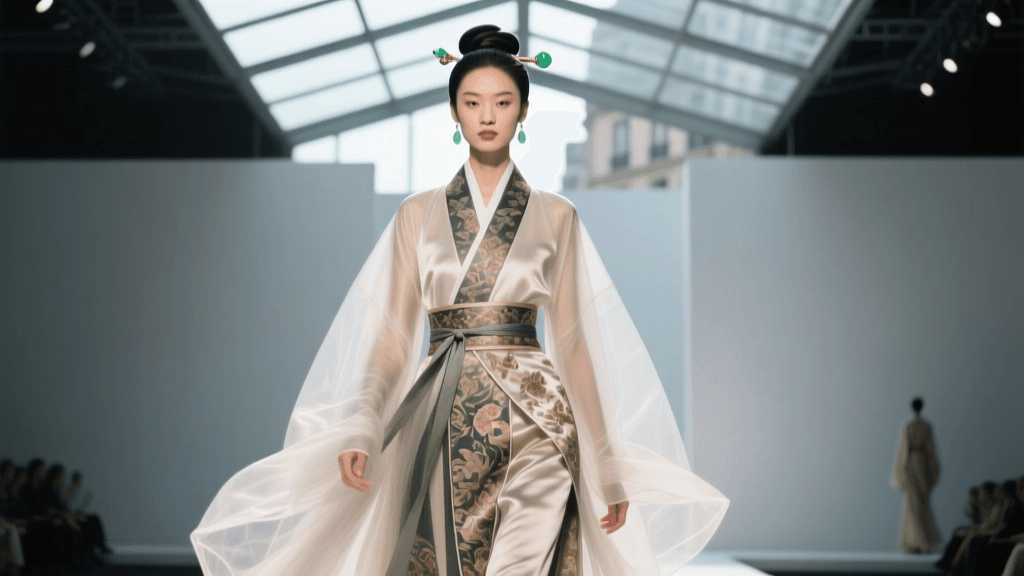
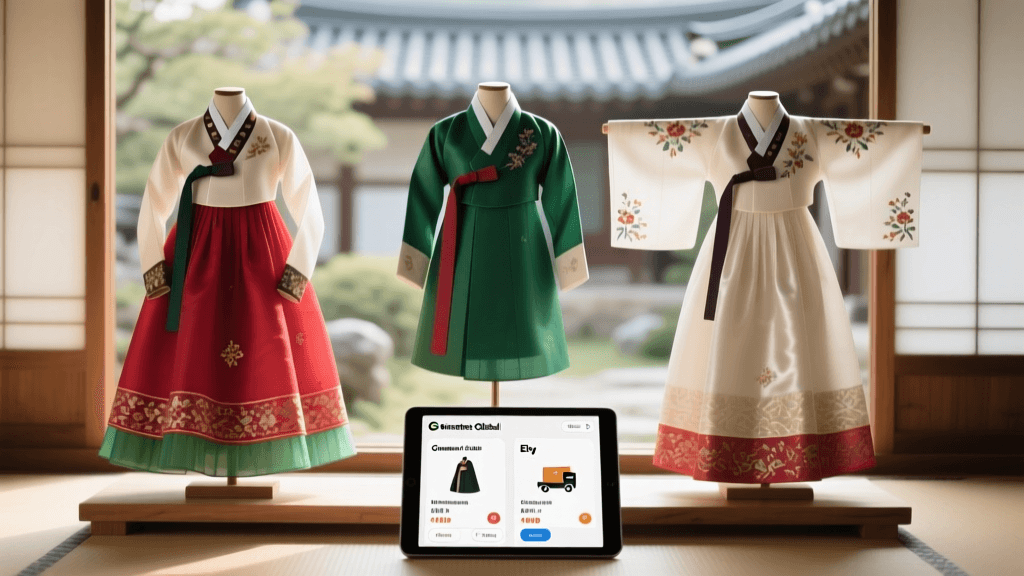
As we navigate the fashion landscape of 2026, the Korean Hanbok has firmly transcended its ceremonial roots to become a global sartorial statement. Driven by the relentless international appeal of K-culture and a renewed appreciation for slow fashion, traditional Korean garments are no longer confined to the autumn harvest festival of Chuseok or the spring celebrations of Seollal. Today, the Saenghwal Hanbok (daily life Hanbok) is a staple in global streetwear, while the Myeongjeol Hanbok (festive Hanbok) remains highly sought after for weddings, galas, and cultural milestones.
However, the surge in demand has flooded the internet with mass-produced, synthetic costumes that bear little resemblance to the structural integrity and historical elegance of genuine Korean dress. For serious collectors, cultural enthusiasts, and those seeking high-quality traditional garments, knowing where to shop is paramount. In this comprehensive 2026 buyer's guide, we dissect the two dominant online marketplaces for authentic Hanbok: South Korea's domestic giant, Gmarket Global, and the international artisan hub, Etsy. We will explore pricing, fabric authenticity, custom tailoring, and the logistical realities of importing traditional Asian garments in the current e-commerce climate.
Gmarket Global: The Direct-from-Seoul Route
For those seeking absolute authenticity and direct access to the designers operating out of Seoul's Dongdaemun and Jongno districts, Gmarket Global remains the undisputed heavyweight champion in 2026. Gmarket is essentially the Amazon of South Korea, and its global portal allows international buyers to purchase directly from domestic Korean boutiques without needing a local proxy address.
The Pros of Shopping on Gmarket
The primary advantage of Gmarket is access to the domestic Korean market. When you buy a Hanbok here, you are purchasing the exact same garments worn by locals in Seoul. The variety is staggering, ranging from budget-friendly daily wear crafted from high-grade, machine-washable poly-blends to luxurious, hand-woven silk ensembles designed for modern brides. Furthermore, Gmarket's 2026 integration of AI-driven augmented reality (AR) sizing tools has significantly reduced the return rate for international buyers, allowing you to visualize the drape of the Chima (skirt) and the fit of the Jeogori (jacket) on your specific body type before checkout.
The Challenges of the Domestic Market
Despite the technological leaps, shopping on Gmarket requires a degree of cultural and linguistic navigation. While the site offers English translation, the nuanced terminology of traditional Korean textiles often gets lost. You must know your Hangul search terms: searching for '생활한복' (Saenghwal Hanbok) will yield daily wear, while '명절한복' (Myeongjeol Hanbok) will bring up formal holiday attire. Additionally, sizing on Gmarket is strictly based on standard Korean sizing charts, which tend to run smaller and feature different proportional ratios than Western sizing. If your measurements fall outside the standard Korean matrix, you will be forced to rely on the boutique's custom alteration request forms, which can be difficult to negotiate through automated translation tools.
Etsy: The Custom-Fit Artisan Route
On the other side of the spectrum is Etsy, which in 2026 has solidified its position as the premier destination for bespoke, custom-tailored Hanbok crafted by diaspora designers and global traditional artisans. If Gmarket is the bustling Seoul marketplace, Etsy is the quiet, meticulous tailor's studio.
The Pros of the Etsy Artisan Experience
The defining feature of purchasing a Hanbok on Etsy is the bespoke measurement process. Reputable Etsy sellers specializing in Asian traditions do not rely on standard S, M, L sizing. Instead, they require a comprehensive measurement guide, ensuring that the Baji (trousers) or Chima sits perfectly at the natural waist, and the Jeogori sleeves fall exactly at the wrist bone. This level of customization is essential for historical accuracy and personal comfort. Furthermore, Etsy sellers are often highly accessible, offering direct English communication to discuss fabric swatches, color theory, and modern adaptations, such as integrating hidden pockets or adjusting the length of the skirt for modern workplace environments.
The Trade-offs: Price and Lead Time
This artisanal approach comes at a premium. A high-quality, custom-fitted silk Hanbok on Etsy will typically cost 40% to 60% more than a comparable off-the-rack piece on Gmarket, reflecting the labor-intensive nature of Western-facing bespoke tailoring. Lead times are also a significant factor. While Gmarket can ship a ready-made garment via EMS within a week, an Etsy artisan may require four to eight weeks to source specific fabrics, cut, sew, and finish your garment by hand. For buyers planning ahead for a specific cultural event or wedding, this timeline requires careful calendar management.
2026 Marketplace Comparison Chart
To help you decide which platform aligns with your specific needs, we have compiled a direct comparison of the two marketplaces based on current 2026 e-commerce data and buyer experiences.
| Feature | Gmarket Global (Korean Boutiques) | Etsy (Global Artisans) |
|---|---|---|
| Base Price Range | $60 - $400 (Off-the-rack) | $180 - $850+ (Bespoke/Custom) |
| Sizing Method | Standard Korean Sizes (AR Preview available) | Exact Custom Measurements Required |
| Fabric Authenticity | High (Direct access to Korean mills) | Variable (Depends on artisan sourcing) |
| Communication | Automated Translation / Limited Direct Contact | Direct, fluent English messaging |
| Lead Time | 3 - 10 Days (Plus international shipping) | 4 - 8 Weeks (Handmade to order) |
| Return Policy | Strict (High return shipping costs to Korea) | Flexible (Varies by shop, generally buyer-friendly) |
Fabric Authenticity: Spotting Real Myeongju and Modern Blends
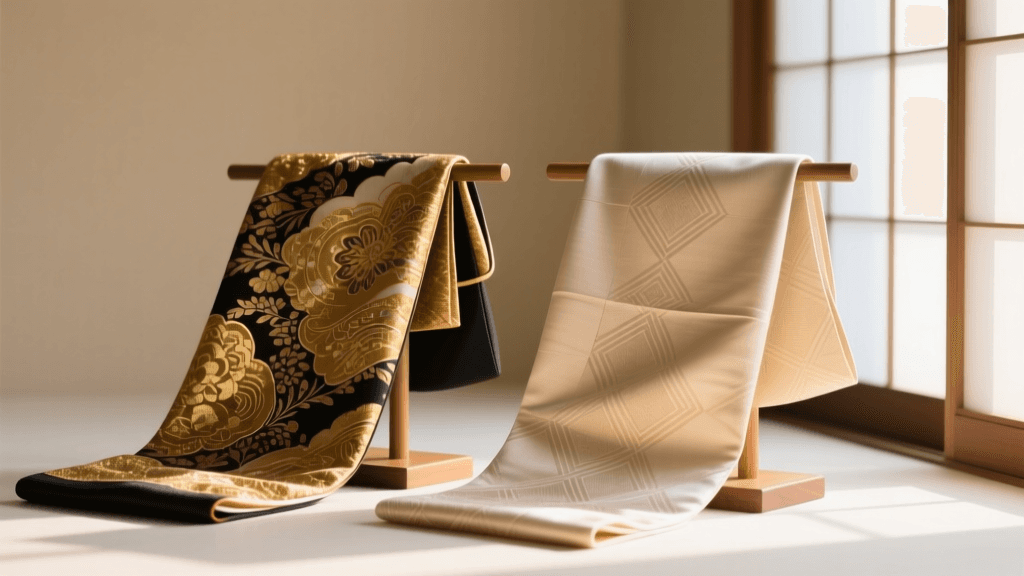
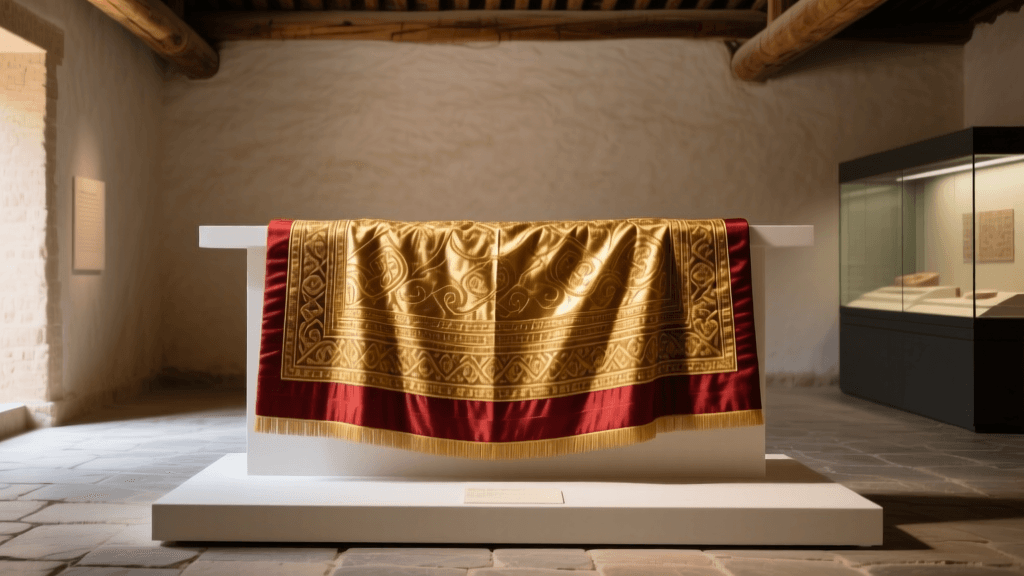
When investing in a traditional garment, understanding the textile is just as important as the silhouette. Historically, the Hanbok was a canvas for Korea's advanced textile arts. As noted in the archives of The Metropolitan Museum of Art, traditional Korean silk weaving and ramie production were highly guarded crafts that dictated the drape, sheen, and social standing associated with the garment.
In 2026, the market offers three primary fabric categories for online shoppers:
- Myeongju (Traditional Silk): A plain-weave silk that is soft, lustrous, and historically accurate for high-end festive wear. When shopping on Gmarket, look for the Hangul term '명주'. True Myeongju requires dry cleaning and careful storage.
- Mosu (Ramie): A crisp, breathable plant fiber ideal for summer Hanbok. It holds stiff pleats beautifully but wrinkles easily. Authentic Mosu is highly prized and commands a premium price on both Gmarket and Etsy.
- Modern Eco-Blends (Tencel & Poly-Silk): The most significant trend in 2026 is the rise of sustainable, machine-washable blends. Many top-tier Dongdaemun designers on Gmarket now utilize Tencel-silk blends that mimic the drape of traditional silk but offer the durability required for daily streetwear. These are highly recommended for first-time buyers looking for low-maintenance authenticity.
The Custom Measurement Guide for Online Orders
If you opt for the Etsy route or request custom alterations on Gmarket, providing accurate measurements is non-negotiable. The architecture of the Hanbok differs vastly from Western clothing, as detailed in Wikipedia's comprehensive guide to Hanbok structure. The garments are designed to create volume and conceal the body's natural lines, relying on precise anchor points rather than tight tailoring.
When communicating with your tailor, ensure you provide the following specific measurements:
- Chima/Baji Waist (치마/바지 허리): Unlike Western skirts that sit on the hips, the traditional Chima is tied high, just below the bust or at the natural waist. Measure the exact circumference where you intend the skirt band to sit.
- Jeogori Hwajang (화장): This is the most critical measurement for the jacket. It is measured from the center back of the neck, across the shoulder, and down to the wrist bone. An incorrect Hwajang will result in sleeves that are either comically short or dangerously long, disrupting the elegant curve of the Baerae (the curved underside of the sleeve).
- Jeogori Length (저고리 길이): Modern daily Hanbok often features a slightly longer Jeogori for modesty and comfort, while historical recreations demand a very short jacket that ends just above the bust. Specify your desired length from the base of the neck to the hem.
Final Verdict: Which Marketplace is Right for You?
The choice between Gmarket Global and Etsy in 2026 ultimately depends on your priorities regarding time, budget, and fit. If you are a fashion-forward buyer looking to integrate authentic, trend-setting Saenghwal Hanbok into your daily wardrobe, and you fit comfortably within standard Asian sizing matrices, Gmarket Global offers unparalleled variety and direct-from-source pricing. It is the best platform for those who want to experience the cutting edge of Seoul's modern traditional fashion scene.
Conversely, if you are preparing for a significant life event, require historical accuracy, or possess a body type that falls outside standard Korean sizing, the bespoke artisans of Etsy are worth the premium. The ability to communicate directly with a tailor, select specific sustainable fabrics, and receive a garment crafted to your exact millimeter ensures a flawless, culturally respectful, and deeply personal garment. Whichever route you choose, prioritizing authentic construction and quality textiles will ensure your Hanbok remains a cherished piece of wearable art for decades to come.