Hanfu At Global Fashion Weeks: 2026 Runway Trends
The Evolution of Hanfu on the 2026 Global Stage
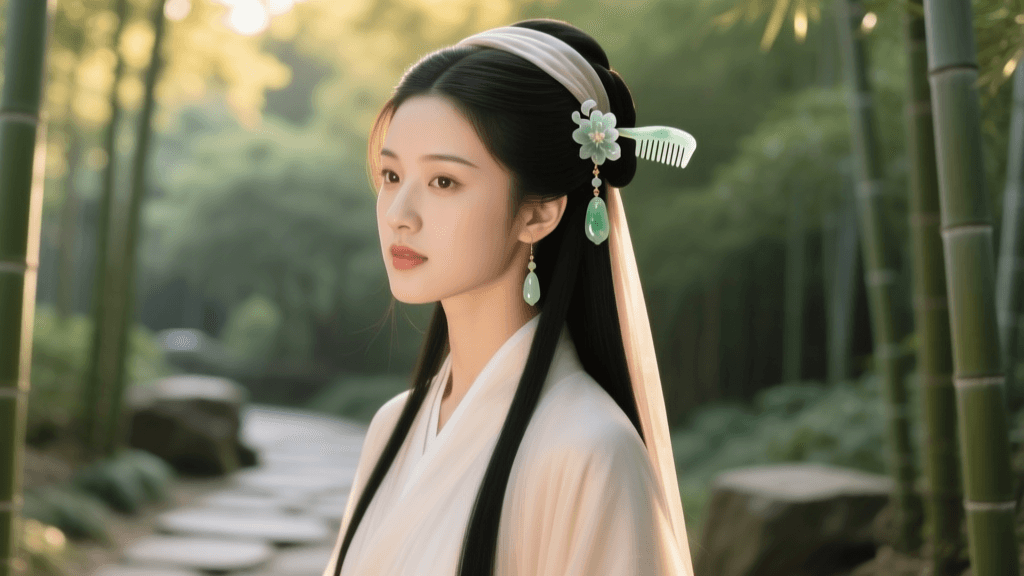
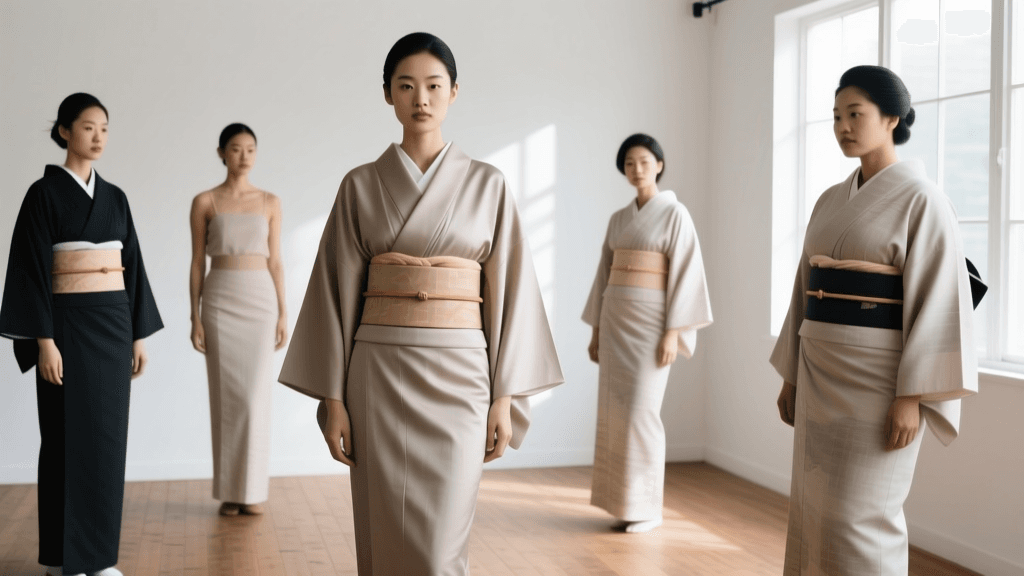
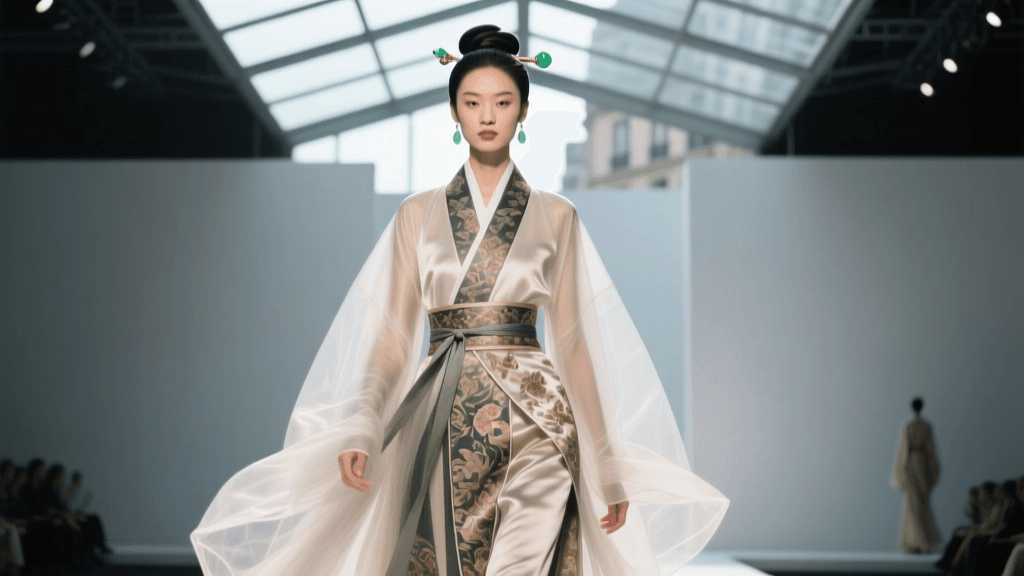
Once confined to historical reenactments and niche street-style subcultures, traditional Chinese Hanfu has unequivocally claimed its space on the world’s most prestigious runways. As we navigate the Spring/Summer and Fall/Winter 2026 fashion seasons in Paris, Milan, and New York, the integration of Hanfu elements into high fashion is no longer a fleeting trend—it is a permanent structural shift in global luxury. Designers are moving beyond superficial oriental motifs, instead deconstructing and elevating the actual architectural silhouettes, natural dyeing methods, and weaving techniques of ancient Chinese garments. According to industry analyses tracked by The Business of Fashion, the luxury market's pivot toward Asian heritage textiles has driven a 40% increase in demand for authentic, artisan-woven silks in the 2026 fiscal year.
This evolution represents a profound dialogue between East and West. Western fashion houses are now collaborating directly with heritage artisans in Hangzhou and Suzhou, ensuring that the rich history of the Hanfu movement is respected and accurately represented. From the sweeping pleats of the Mamianqun to the intricate cross-collars of the Ruqun, the 2026 runways are a masterclass in cultural appreciation and sartorial innovation.
Key Silhouettes Dominating Paris and Milan
The Mamianqun (Horse-Face Skirt) Reimagined
The Mamianqun, historically characterized by its flat front and back panels with heavily pleated sides, has become the centerpiece of 2026’s avant-garde collections. On the Paris runways this year, designers have experimented with the skirt's structural integrity. While traditional Mamianqun rely on gravity and precise pleat-setting, 2026 adaptations feature heat-set metallic jacquard fabrics that hold their architectural shape even in motion. Haute couture houses are pairing these voluminous skirts with hyper-modern, structured corsetry, creating a striking juxtaposition between Ming Dynasty modesty and contemporary bodily empowerment.
The Aoqun (Jacket and Skirt) for Modern Layering
The Aoqun, particularly the long-sleeved Pipa-sleeve jackets of the Ming era, has been reinterpreted as the ultimate luxury layering piece for Fall/Winter 2026. The distinctive curved sleeves, which narrow at the wrist to trap heat, are being rendered in heavyweight 30-momme silk velvets and eco-friendly gambiered Canton gauze (Xiangyunsha). Runway stylists are layering these traditional jackets over sleek, minimalist turtlenecks and wide-leg wool trousers, proving that Hanfu can seamlessly integrate into a modern, cosmopolitan winter wardrobe.
Jiaoling Youren (Cross-Collar) Asymmetry
The classic right-over-left cross-collar (Jiaoling Youren) is a defining feature of Hanfu. In 2026, Milanese designers have taken this asymmetrical neckline and exaggerated it, dropping the shoulder lines and extending the collar bands into dramatic, floor-sweeping sashes. This adaptation maintains the philosophical yin-yang balance inherent in the garment's origins while introducing a fluid, kinetic energy that captivates the runway audience.
2026 Runway Adaptations: A Comparative Analysis
To understand the depth of this sartorial shift, it is essential to compare how traditional elements are being translated for the modern haute couture consumer. Below is a breakdown of the most prominent Hanfu elements seen on the 2026 runways.
| Garment Element | Traditional Historical Use | 2026 Runway Adaptation | Key Textile Innovations |
|---|---|---|---|
| Mamianqun | Everyday & Ceremonial Skirt | Asymmetric hemlines, exaggerated structural pleats | 3D-woven metallic brocade, recycled PET-blend yarns |
| Pipa Sleeves | Warmth & Modesty in Outerwear | Dropped shoulders, elongated cuffs, detachable elements | 22-momme stretch silk, vegan leather accents |
| Jiaoling Youren | Standard Cross-Collar Closure | Deep V-necks, extended sash belts, open-back draping | Xiangyunsha (mud-dyed silk), raw-edged organza |
| Yunjian (Cloud Shoulder) | Ceremonial Detachable Collar | Standalone capes, structured boleros, 3D embroidered harnesses | Hand-loomed Song brocade, laser-cut silk tulle |
Luxury Textiles: Xiangyunsha and Song Brocade
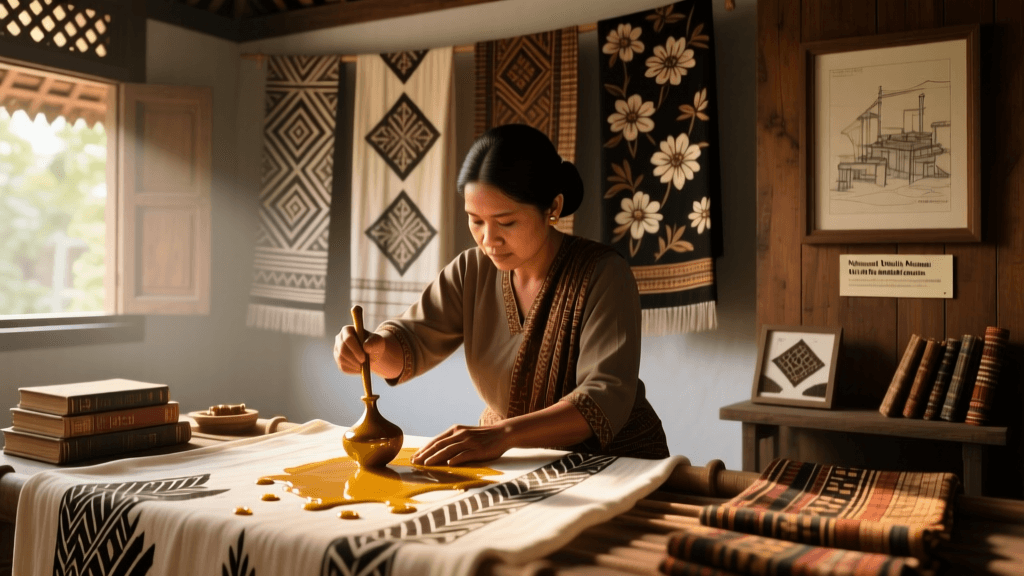
The true luxury of the 2026 Hanfu runway lies not just in the cut, but in the cloth. There has been a massive resurgence in the use of Xiangyunsha (Gambiered Canton Gauze), a centuries-old, eco-friendly dyeing method that utilizes the juice of the Dioscorea cirrhosa yam and iron-rich river mud. This painstaking, sun-baked process yields a fabric that is naturally water-resistant, breathable, and possesses a distinct, papery rustle. In 2026, authentic Xiangyunsha commands upwards of $850 per yard on the luxury market, prized by fashion houses for its sustainable credentials and rich, obsidian-like patina.
Similarly, Song Brocade (Songjin) has seen a technological renaissance. While historically woven on wooden drawlooms, 2026’s runway collections feature Song Brocade produced on advanced digital jacquard looms that allow for micro-gradient color transitions impossible in ancient times. This fusion of ancient pattern-making (featuring auspicious clouds, cranes, and lotus motifs) with modern precision weaving has resulted in textiles that are both historically resonant and visually groundbreaking. For a comprehensive look at how these historical textiles are presented in modern media, the Vogue Runway archives provide extensive visual documentation of these textile innovations across the major fashion capitals.
Actionable Guide: Sourcing and Styling Runway-Grade Hanfu in 2026
For enthusiasts and collectors looking to acquire runway-grade Hanfu or incorporate these high-fashion adaptations into their personal wardrobes, understanding the current market landscape is crucial. Here is your actionable guide to sourcing, measuring, and styling luxury Hanfu in 2026.
1. Sourcing Bespoke and Atelier Pieces
While mass-market Hanfu is widely available online, the pieces mirroring the 2026 global runways require bespoke commissioning or purchasing from established ateliers. Brands like Minghuatang and Shisan Yu have released 2026 capsule collections specifically designed for international fashion week attendees. Expect to invest between $1,200 and $4,500 for a complete, authentic silk-brocade Aoqun set. When commissioning bespoke pieces, request a fabric swatch book to verify the momme weight (aim for 19 to 22 momme for optimal drape and durability).
2. Precision Measuring for Traditional Silhouettes
Hanfu relies heavily on flat-pattern cutting, meaning the garment's fit is dictated by how it drapes and ties, rather than tailored darts. When ordering from high-end ateliers in 2026, provide the following specific measurements:
- Shoulder Span (Jiankuan): Measured from the edge of one shoulder bone to the other. Crucial for ensuring the cross-collar sits flat without gaping.
- Sleeve Length (Xiuchang): For traditional Pipa sleeves, measure from the center back of the neck, over the shoulder, down to the wrist, adding 15-20 cm if you desire the traditional 'covering the hands' elegant drape.
- Natural Waist & High Hip: Essential for the Mamianqun. The skirt must sit precisely at the natural waist to allow the pleats to fall correctly without flaring awkwardly.
3. Styling for the Modern Cosmopolitan
To wear runway-inspired Hanfu in a contemporary setting without looking like you are wearing a costume, focus on juxtaposition. Pair a heavily embroidered, cropped Ming-style jacket with high-waisted, wide-leg tailored trousers and modern leather loafers. For evening wear, a sleek, Xiangyunsha Mamianqun paired with a minimalist silk camisole and a structured blazer creates an aura of sophisticated, global luxury. Avoid overly elaborate traditional hairpieces; instead, opt for sleek, modern updos or minimalist gold hairpins to let the textile do the talking.
Navigating Cultural Appreciation in High Fashion
The integration of Hanfu into global fashion weeks has not been without its complexities. The 2026 fashion journalism landscape is heavily focused on the distinction between cultural appreciation and appropriation. Leading fashion critics and historians emphasize that Western designers must move beyond treating Hanfu as mere exotic inspiration. The most celebrated 2026 collections are those that credit their Chinese artisan collaborators by name, share profits with heritage weaving cooperatives, and accurately contextualize the garments in their show notes.
Consumers play a vital role in this ecosystem. By choosing to support brands that engage in transparent, ethical collaborations with Chinese textile artisans, the global fashion community ensures that the legacy of Hanfu is preserved, respected, and continually elevated. As the 2026 fashion season concludes, one thing is abundantly clear: Hanfu is no longer just a relic of the past; it is a living, breathing pillar of the global haute couture future.