Kimono Extreme Weather 2026: Rain, Snow & Heat Tips
Navigating the Elements: The 2026 Kimono Survival Guide
As global climate patterns continue to shift, Japan has experienced increasingly volatile weather conditions. According to data from the Japan Meteorological Agency, the frequency of intense monsoon downpours, prolonged summer heatwaves, and sudden winter freezes has risen significantly over the last decade. For enthusiasts of traditional Japanese clothing, wearing a kimono in 2026 requires more than just an appreciation for aesthetics; it demands a strategic approach to extreme weather adaptations. Whether you are navigating the sweltering humidity of a Kyoto August, the torrential rains of the June monsoon, or the biting snows of Hokkaido, preserving both your comfort and your silk garments is paramount.
The Metropolitan Museum of Art notes that the kimono has always been a deeply seasonal garment, with fabrics, linings, and motifs changing to reflect the time of year. However, the extreme weather events of 2026 have pushed traditional boundaries, giving rise to a new era of hybrid adaptations that marry Edo-period wisdom with cutting-edge modern textile technology. This comprehensive guide explores how to adapt your kimono wardrobe for rain, snow, and extreme heat.
Beating the Heat: Summer Kimono Adaptations
The Japanese summer is notoriously hot and humid. When temperatures exceed 35°C (95°F) with high humidity, wearing multiple layers of silk can quickly become unbearable. Traditional summer kimonos rely on specific weaving techniques to promote airflow, but modern adaptations in 2026 have introduced new ways to stay cool without sacrificing the elegant silhouette of the garment.
Traditional Weaves: Ro and Sha
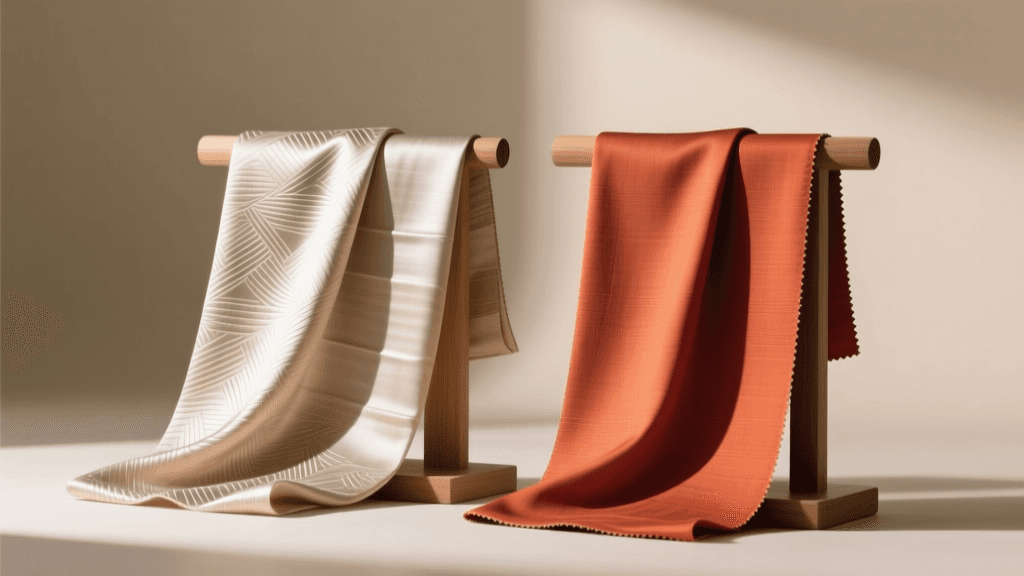
For peak summer, the traditional choices are ro (leno weave) and sha (complex gauze) silk. These fabrics feature intentional gaps in the weave that allow breezes to pass through and body heat to escape. In 2026, master weavers in Nishijin and Kiryu have introduced ultra-fine metallic thread blends into ro weaves, which reflect sunlight and lower the surface temperature of the fabric by up to 2°C compared to standard silk.
Modern Cooling Undergarments (Juban)
The secret to surviving summer in a kimono lies in the juban (undergarment). While traditional linen juban are breathable, they can become heavy with sweat. In 2026, major Japanese apparel brands have released kimono-specific lines utilizing advanced contact-cooling polymers. These modern hadajuban (undershirts) wick moisture away from the skin instantly and feature mesh panels along the back and underarms. Pairing a cooling juban with a lightweight, unlined hitoe kimono is the gold standard for summer festivals.
Accessories for Heat Management
- Koshihimo (Ties): Swap traditional cotton or silk ties for stretchy, breathable mesh koshihimo. They prevent the tight binding that causes excessive sweating around the torso.
- Datejime (Wide Belts): Use perforated or bamboo-fiber datejime to allow heat to escape from the core.
- Sensu (Folding Fans): A beautifully painted kyo-sensu is not just a fashion accessory; it is a vital tool for personal climate control.
Navigating Monsoon and Rain: Wet Weather Protection
Silk and water are natural enemies. A single drop of rain can leave a permanent water ring (suijin) on untreated silk. During the tsuyu (rainy season) or sudden typhoons, protecting your investment requires specialized outerwear and footwear adaptations.
The Evolution of the Amagappa
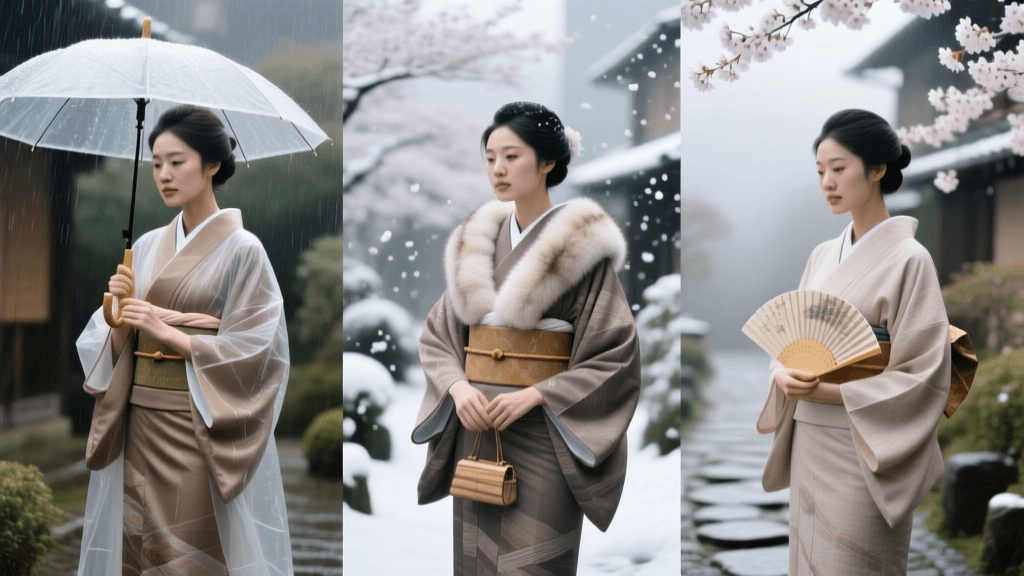
The amagappa is a traditional kimono raincoat, historically made from oiled paper or treated cotton. In 2026, the market has seen a surge in high-tech amagappa crafted from breathable, waterproof nano-membranes that mimic the drape of traditional silk crepe (chirimen). These modern raincoats, often priced between ¥15,000 and ¥45,000, feature sealed seams and hidden storm flaps, ensuring that not a single drop reaches the kimono underneath while allowing body vapor to escape.
Footwear: Geta and Zori in the Rain
Walking in puddles with flat zori sandals will ruin the hem of your kimono and soak your tabi socks. The traditional solution is the taka-ashida geta—wooden clogs with elevated teeth (usually 8 to 10 centimeters high) that lift the hem well above the wet pavement. For 2026, manufacturers have introduced geta with rubberized, slip-resistant teeth caps to prevent dangerous falls on wet asphalt. Additionally, silicone zori toe-guards and clip-on waterproof tabi covers have become essential items in the modern kimono traveler's kit.
Wagasa: The Oiled Paper Umbrella
While modern umbrellas are common, a traditional wagasa (bamboo and oiled paper umbrella) offers superior coverage for the wide sleeves of a kimono. Modern 2026 iterations of the wagasa use advanced synthetic oils and UV-treated washi paper, making them highly resistant to tearing and capable of shedding water much faster than their historical counterparts.
Braving the Snow: Winter Layering and Insulation
Wearing a kimono in the snow requires mastering the art of invisible layering. The kimono silhouette must remain sleek, meaning bulky winter coats are not an option. Instead, warmth is generated from the inside out and protected by specialized outer layers.
The Michiyuki and Haori
The michiyuki is a square-necked overcoat specifically designed for outdoor wear and travel. In freezing conditions, a wool or heavy silk michiyuki lined with fleece or quilted batting provides excellent core insulation. For less formal occasions, a heavy haori (jacket) adorned with winter motifs like pine, bamboo, or plum blossoms (shochikubai) adds a crucial layer of warmth over the shoulders and arms.
Thermal Tabi and Setta Footwear
Cold toes can ruin a winter kimono experience. While standard cotton tabi offer no insulation, 2026 has brought the widespread availability of fleece-lined and Thinsulate-infused tabi socks that maintain the traditional split-toe profile. For footwear, setta—sandals with a woven straw upper and a leather or rubber sole—are preferred in winter. The solid sole prevents snow and slush from seeping through, unlike the woven bases of standard zori.
Strategic Heat Placement
Disposable heat packs (kairo) are a winter kimono wearer's best friend. However, placing them incorrectly can ruin the silk or cause discomfort. The optimal placement is on the lower back (over the koshimaki wrap) and on the upper back between the shoulder blades. Never place adhesive heat packs directly onto the silk kimono or the juban; always apply them to the innermost cotton undershirt or a specialized heat-pack belt.
2026 Kimono Weather Gear Comparison
To help you prepare for your next outing, refer to this comparison chart detailing the best traditional and modern adaptations for extreme weather conditions.
| Weather Condition | Traditional Garment / Tool | 2026 Modern Adaptation | Key Benefit |
|---|---|---|---|
| Extreme Heat | Ro / Sha Silk Kimono | Contact-Cooling Polymer Juban | Wicks sweat instantly; prevents heatstroke |
| Heavy Rain | Taka-Ashida Geta (Wood) | Rubber-Capped Geta with Silicone Tabi Covers | Prevents slipping on wet urban surfaces |
| Snow / Freezing | Wool Michiyuki (Overcoat) | Fleece-Lined Tabi & Strategic Kairo Belts | Maintains sleek silhouette while insulating core |
Post-Exposure Care: Preserving Your Garments
After exposing your kimono to extreme weather, proper aftercare is non-negotiable. If your garment has been exposed to high humidity or light rain, it must be aired out immediately. This process, known as kage-boshi (shade drying), involves hanging the kimono on a specialized bamboo rack (emonkake) in a well-ventilated room away from direct sunlight. Direct sun will fade the delicate natural dyes and weaken the silk fibers.
For those traveling, the Japan National Tourism Organization recommends packing a portable, foldable kimono hanger and several packets of silica gel to manage moisture in your luggage. If snow or rain leaves a water spot on your silk, do not rub it. Allow it to dry completely, and then take it to a professional arimatsu or kimono cleaning specialist who can use traditional rice-powder techniques to lift the stain without damaging the fabric's sizing.
Conclusion
The kimono is a resilient, adaptable garment that has survived centuries of changing climates and lifestyles. By embracing both the time-tested techniques of the past and the innovative textile advancements of 2026, you can confidently wear traditional Japanese clothing in any weather. Whether you are admiring cherry blossoms in a sudden spring shower or attending a winter illumination festival in the snow, the right adaptations will ensure you remain comfortable, elegant, and respectful of this profound cultural tradition.