Lotus vs Mulberry Silk: Best Ao Dai Fabrics in 2026
The Evolution of Ao Dai Textiles in 2026
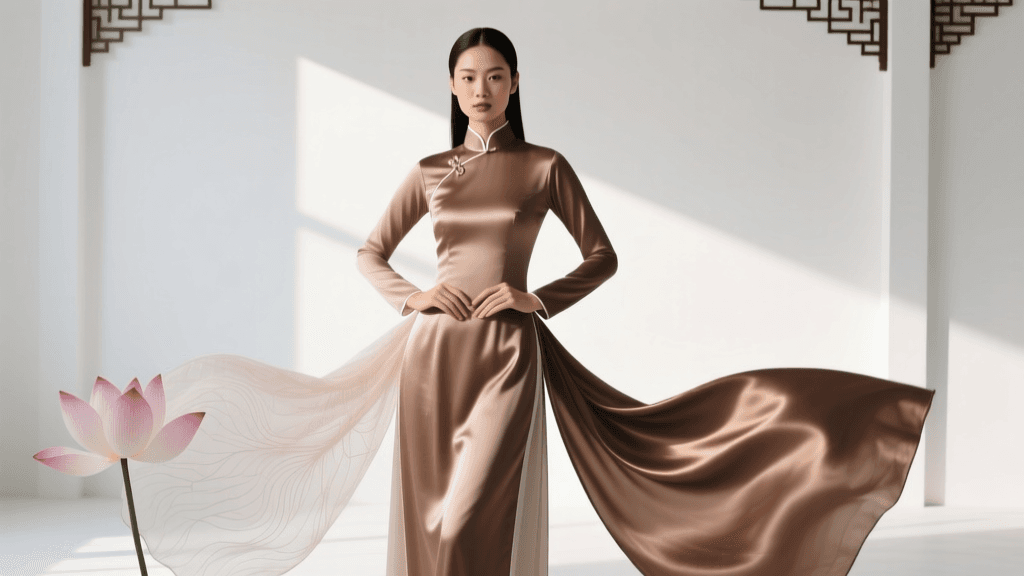
The Vietnamese Ao Dai is a masterclass in sartorial elegance, characterized by its high mandarin collar, form-fitting bodice, and flowing, floor-length panels. While the silhouette has remained largely iconic, the textiles used to craft this traditional garment have undergone a significant evolution. As we navigate the fashion landscape of 2026, the conversation among designers, tailors, and cultural preservationists is dominated by a fascinating textile debate: the timeless supremacy of traditional mulberry silk versus the rise of sustainable, plant-based lotus silk.
Choosing the right fabric for an Ao Dai is not merely an aesthetic decision; it dictates the garment's drape, breathability, and structural integrity. With Southeast Asia experiencing shifting climate patterns and a growing global demand for eco-conscious luxury, understanding the nuanced differences between these two premier fabrics is essential for anyone commissioning, styling, or preserving traditional Vietnamese garments today.
Mulberry Silk (Tơ Tằm): The Timeless Classic
For centuries, mulberry silk has been the gold standard for high-end Ao Dai. Produced from the cocoons of the Bombyx mori silkworm, which feeds exclusively on mulberry leaves, this animal protein fiber is renowned for its unparalleled luster, smooth hand-feel, and brilliant dye absorption. In 2026, advancements in sericulture have yielded even more resilient mulberry silk threads, allowing for lighter weaves that do not sacrifice tensile strength.
Recommended Momme Weights for 2026
When commissioning an Ao Dai, the 'momme' (mm) weight is the most critical metric. For the structured bodice and high collar, tailors in Hanoi and Ho Chi Minh City currently recommend a 19-momme silk charmeuse or crepe de chine. This weight provides enough body to hold the intricate darts and seams without buckling. For the flowing trousers (quần) and the sweeping outer panels, a 16-momme habotai or lightweight chiffon is preferred to achieve the signature ethereal glide when walking.
- Pros: Exceptional sheen, vibrant color retention, fluid drape, widely available.
- Cons: Prone to water spotting, requires careful temperature regulation, high water footprint in traditional processing.
Lotus Silk (Lụa Sen): The Sustainable Luxury
Lotus silk has transitioned from a niche artisanal curiosity to a highly sought-after luxury textile in 2026. Harvested primarily in the Mekong Delta and the Red River Delta, lotus silk is not a true silk but a plant-based cellulose fiber extracted from the stems of the Nelumbo nucifera lotus flower. Artisans must harvest the stems within 24 hours of the flower blooming, snap them, and hand-roll the microscopic fibers into thread before they dry. It takes approximately 32,000 lotus stems to produce just one yard of pure lotus fabric.
Texture, Drape, and Antibacterial Properties
Unlike the glassy smoothness of mulberry silk, lotus silk possesses a texture akin to a highly refined, buttery linen. It features a matte finish and a slightly nubby, organic slub that appeals to modern minimalist aesthetics. Furthermore, lotus fiber is naturally antibacterial, highly breathable, and possesses excellent moisture-wicking properties, making it an exceptional choice for Vietnam's humid climate. According to the Food and Agriculture Organization (FAO), non-wood forest products like lotus fibers are becoming crucial to rural sustainable economies, providing high-value income without deforestation.
Head-to-Head Comparison: Lotus vs. Mulberry
To help you make an informed decision for your next traditional garment, we have compiled a comprehensive comparison based on 2026 market data and textile testing.
| Feature | Mulberry Silk (Tơ Tằm) | Lotus Silk (Lụa Sen) |
|---|---|---|
| Fiber Origin | Animal protein (silkworm cocoon) | Plant cellulose (lotus stem) |
| Texture & Finish | Smooth, glassy, high luster | Matte, soft linen-like, organic slub |
| Drape | Highly fluid, heavy fall | Structured yet fluid, lighter bounce |
| Breathability | Moderate (can trap heat) | Exceptional (highly porous) |
| Average 2026 Cost | $40 - $75 per yard | $160 - $280 per yard |
| Eco-Footprint | Moderate to High (water/energy) | Very Low (regenerative, hand-processed) |
| Wrinkle Resistance | Low (creases easily) | Moderate (relaxes with body heat) |
Tailoring Considerations for the Ao Dai
The physical properties of these two fabrics demand entirely different tailoring techniques. Mulberry silk is forgiving when steamed and can be heavily manipulated with darts to achieve the skin-tight fit of the modern Ao Dai bodice. However, it requires French seams or meticulous overlocking to prevent fraying.
Lotus silk, conversely, has less natural elasticity and a more rigid drape. Master tailors in 2026 often employ traditional flat-felled seams when working with lotus silk to honor its artisanal origins and prevent unraveling. Because lotus silk does not cling to the body like mulberry silk, designers are increasingly adapting the Ao Dai silhouette for lotus fabrics, opting for slightly relaxed bodices, wider trousers, and layered, unstructured overlays that highlight the fabric's matte, organic texture.
Climate Considerations and Modern Styling
With rising average temperatures and increased humidity across Southeast Asia, the functional aspects of traditional garments are under scrutiny. The United Nations Environment Programme (UNEP) emphasizes that sustainable fashion must also address climate adaptation. Lotus silk's natural micro-pores allow for superior air circulation, making it the undisputed champion for daytime events, outdoor weddings, and summer festivals. Mulberry silk remains the preferred choice for evening galas, air-conditioned banquet halls, and winter celebrations in Northern Vietnam, where its slightly heavier drape and insulating properties are advantageous.
Sourcing Authentic Textiles in 2026
The surge in demand for lotus silk has inevitably led to the market being flooded with 'lotus-blend' fabrics—often a mix of cotton, viscose, and a minuscule percentage of lotus fiber. To ensure you are purchasing authentic textiles, look for certifications from recognized bodies. The Textile Exchange provides rigorous frameworks for verifying organic and plant-based fiber claims. When sourcing in Vietnam, seek out established craft villages such as My Luong in the Mekong Delta, or reputable Hanoi-based boutiques that provide a certificate of origin detailing the exact harvest and weaving cooperative.
For mulberry silk, authenticity is verified through the 'burn test' (pure silk smells like burning hair and leaves a crushable black ash) and by checking for the 'silk mark' or Oeko-Tex Standard 100 certification, ensuring the dyes used are free from harmful azo compounds.
Garment Care and Preservation
Proper care is vital to maintaining the integrity of these luxury textiles.
Caring for Mulberry Silk Ao Dai
- Washing: Dry cleaning is highly recommended for structured, fully lined Ao Dai. If hand-washing unlined panels, use cold water and a pH-neutral silk detergent.
- Drying: Never wring. Roll the garment in a clean, dry towel to absorb excess moisture and lay flat in the shade.
- Ironing: Use a low-heat setting with a protective pressing cloth. Steam is preferred to remove wrinkles without flattening the silk's natural luster.
Caring for Lotus Silk Ao Dai
- Washing: Lotus silk can be gently hand-washed in cool water with a mild, plant-based soap. Its natural antibacterial properties mean it requires less frequent washing than animal silks.
- Drying: Hang to dry in a well-ventilated, shaded area. The fabric's natural weight will help pull out minor wrinkles as it dries.
- Ironing: Iron on a medium setting while the fabric is still slightly damp. Avoid heavy steam, which can leave permanent water marks on the matte cellulose fibers.
Conclusion
The choice between lotus silk and mulberry silk for a Vietnamese Ao Dai in 2026 ultimately depends on the wearer's priorities. Mulberry silk offers the classic, high-glamour sheen and fluid drape that has defined the garment for generations, making it ideal for formal, evening, and highly tailored applications. Lotus silk, on the other hand, represents the pinnacle of sustainable luxury, offering unparalleled breathability, a unique organic texture, and a profound connection to Vietnam's agricultural heritage. By understanding the distinct properties, costs, and care requirements of both textiles, you can ensure your traditional garments are not only beautiful but also thoughtfully crafted for the modern era.