Hanfu Travel Wardrobe 2026: Packing Essentials & Destination Style
The Rise of the Hanfu Destination Wardrobe in 2026
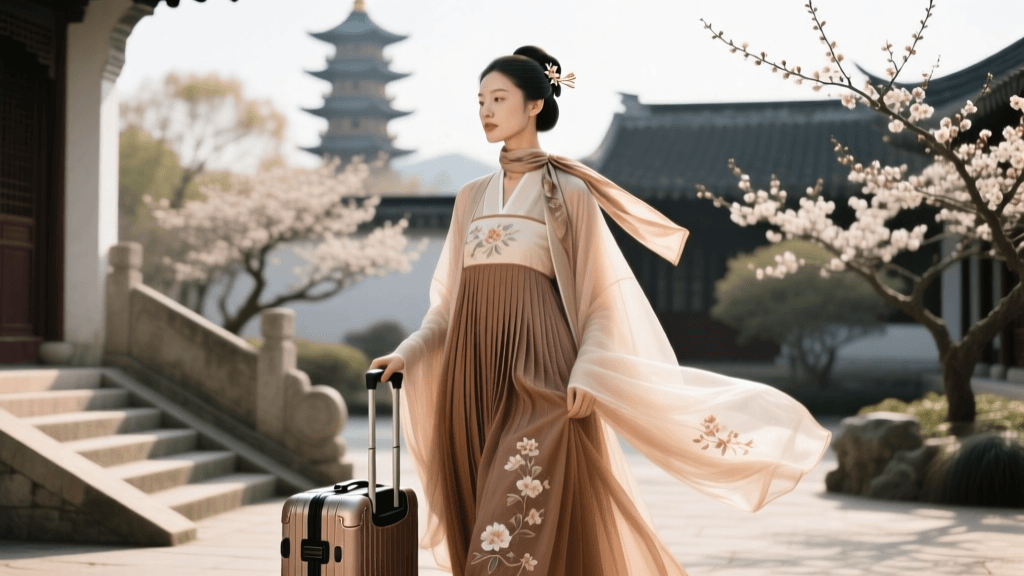
As global travel continues to evolve in 2026, the modern explorer is no longer satisfied with merely observing culture from the sidelines. Instead, travelers are actively participating in the living history of their destinations. At the forefront of this cultural immersion movement is the Hanfu destination wardrobe. Once reserved for local festivals, photography sessions, or domestic tourism in cities like Xi'an and Luoyang, traditional Chinese clothing has now become a global sartorial statement. From the cobblestone streets of Kyoto to the romantic avenues of Paris, travelers are proudly packing and styling Hanfu for international excursions.
However, traveling with traditional garments presents a unique set of logistical challenges. Voluminous sleeves, intricate pleats, and delicate silk fabrics require careful planning, specialized packing techniques, and a deep understanding of fabric technology. According to recent data from UN Tourism, cultural and heritage tourism has seen a massive surge in 2026, with travelers increasingly seeking authentic, wearable connections to history. This guide will walk you through the ultimate Hanfu travel essentials, ensuring your traditional wardrobe remains pristine, comfortable, and culturally respectful no matter where your 2026 itinerary takes you.
Fabric Technology: Choosing Travel-Ready Hanfu
The most critical mistake a traveling Hanfu enthusiast can make is packing pure, unblended mulberry silk for a multi-city trip. While historically accurate and breathtakingly beautiful, traditional silk wrinkles at the mere thought of being folded, requires meticulous climate control, and is highly susceptible to water spots and snags. In 2026, the Hanfu market has brilliantly adapted to the needs of the modern nomad through advanced textile engineering.
When curating your travel wardrobe, prioritize garments made from Tencel-silk blends, copper ammonia (Bemberg), and high-density polyester crepes. These materials mimic the drape, luster, and breathability of traditional silk but offer remarkable wrinkle resistance and machine-washable durability. The China National Silk Museum has frequently highlighted the evolution of sericulture and modern textile adaptations, noting that contemporary blends allow traditional silhouettes to be integrated into dynamic, daily lifestyles without sacrificing aesthetic integrity.
For summer destinations, look for Hanfu woven with ramie or bamboo-linen blends. These natural fibers possess inherent antibacterial properties and offer superior moisture-wicking capabilities, which are essential when exploring humid tropical climates or navigating crowded summer transit hubs. For winter travel, wool-blend Ming Dynasty jackets provide exceptional thermal retention while maintaining the structured, dignified silhouette characteristic of the era.
The Core 2026 Hanfu Travel Capsule
A successful travel capsule relies on versatility, layering, and climate adaptability. Below is a structured breakdown of the essential Hanfu silhouettes to pack for various 2026 travel scenarios.
| Garment Type | Best Destination Climate | Fabric Recommendation | Packing Volume |
|---|---|---|---|
| Song Dynasty Beizi | Mild / Transitional | Copper Ammonia / Tencel | Low (Rolls easily) |
| Ming Dynasty Aoqun | Cool / Winter | Wool-blend / Heavy Crepe | High (Requires folding board) |
| Tang Dynasty Banbi | Hot / Humid | Ramie / Bamboo-Linen | Very Low (Compact) |
| Everyday Mamian Skirt | All Seasons | Polyester Crepe / Satin | Medium (Accordion fold) |
The Song Dynasty Beizi: The Ultimate Layering Piece
The Beizi (long coat) is the undisputed champion of the Hanfu travel wardrobe. Its straight, open-front silhouette functions similarly to a modern duster or lightweight trench coat. In 2026, many contemporary Hanfu brands produce Beizi with subtle, tone-on-tone embroidery that elevates a simple jeans-and-t-shirt outfit into a culturally rich ensemble. It can be worn open over modern clothing during a museum visit in London or closed with a traditional sash for a formal dinner in Kyoto.
The Ming Dynasty Aoqun: Elegance in Cooler Climates
For autumn and winter travel, the Aoqun (jacket and skirt combination) offers unparalleled warmth and modesty. The structured collar and tailored sleeves provide a regal appearance that translates beautifully to architectural photography and heritage site tours. Opt for a mid-length jacket paired with a solid-colored, heavy-crepe Mamian skirt to minimize packing bulk while maximizing outfit combinations.
The Tang Dynasty Banbi: Beating the Summer Heat
When traveling through Southeast Asia or Southern Europe during peak summer, the Banbi (half-sleeve jacket) is your best companion. Worn over a lightweight camisole and a breathable cotton skirt, the Banbi provides the iconic Tang dynasty aesthetic without the suffocating heat of full-length, layered robes.
Essential Packing Gear for Traditional Garments
Packing Hanfu requires more than just stuffing garments into a suitcase. To maintain the structural integrity of pleats, collars, and delicate trims, you must invest in specialized travel gear designed for 2026's modern transit environment.
- Accordion Pleat Folding Boards: The Mamian skirt (horse-face skirt) relies on sharp, knife-edge pleats. In 2026, specialized lightweight acrylic folding boards are widely available. These boards allow you to fold the skirt along its natural pleat lines, securing it with silicone bands to ensure the pleats remain perfectly crisp even after a 14-hour flight.
- Ultrasonic Travel Steamers: Forget the bulky, leaky steamers of the past. The latest ultrasonic handheld steamers weigh less than 300 grams and heat up in under 15 seconds. They are essential for refreshing Tencel and crepe fabrics upon arrival at your hotel, effortlessly removing transit wrinkles without risking water spots on delicate trims.
- Velvet Accessory Rolls: Traditional hair accessories like buyao (dangling hairpins), zan (single-prong pins), and shanhua (flower combs) are easily crushed in standard toiletry bags. A velvet jewelry roll with individual, padded slots is mandatory to protect these fragile metal and enamel pieces from bending or tarnishing.
- Compression Packing Cubes: Use mesh-front compression cubes for your inner layers, sashes, and modern base garments. This keeps your suitcase organized and prevents the vibrant dyes of your Hanfu accessories from bleeding onto lighter fabrics.
Navigating Global Destinations: Etiquette and Styling
Wearing Hanfu on the global stage is a beautiful form of cultural diplomacy, but it requires mindfulness regarding etiquette, practicality, and local customs. As you step out into international destinations in 2026, keep these styling and behavioral guidelines in mind to ensure a respectful and comfortable experience.
Hem Management and Footwear
Traditional Hanfu skirts often graze the floor, which is elegant in a pristine courtyard but highly impractical on the rain-slicked streets of Paris or the crowded subway systems of Tokyo. When traveling, opt for "daily-length" Hanfu skirts that fall just above the ankle. If you must wear a floor-length skirt, utilize discreet skirt clips or magnetic hem-ties to temporarily lift the hem when navigating stairs, escalators, or muddy terrain.
Footwear is equally critical. While traditional cloud-toe shoes are stunning, they lack the arch support required for 20,000-step travel days. In 2026, many heritage footwear brands have introduced "commuter cloud-toe shoes" featuring modern EVA foam insoles, rubberized anti-slip outsoles, and water-resistant uppers. Alternatively, pairing a Ming Dynasty skirt with sleek, minimalist leather Chelsea boots creates a striking, fusion aesthetic that is both historically evocative and highly practical for extensive walking.
Cultural Respect and Context
When visiting sacred sites, temples, or solemn memorials abroad, ensure your Hanfu is styled modestly. Avoid overly theatrical makeup or dramatic, stage-style hairpieces in these environments. Opt for subdued colors, minimal accessories, and neatly tied, low-profile hairstyles. The goal is to honor the tradition and the space you are visiting, blending cultural pride with global respect.
Final Thoughts on the 2026 Hanfu Journey
Building a Hanfu travel wardrobe in 2026 is an exercise in balancing historical reverence with modern practicality. By selecting advanced, wrinkle-resistant fabrics, utilizing specialized packing techniques, and thoughtfully adapting your styling to suit global environments, you can seamlessly integrate traditional Chinese dress into your international adventures. Whether you are capturing the morning light at a Kyoto shrine or enjoying a cafe in Milan, your Hanfu destination wardrobe will serve as a beautiful, wearable bridge between the ancient world and your modern journey.