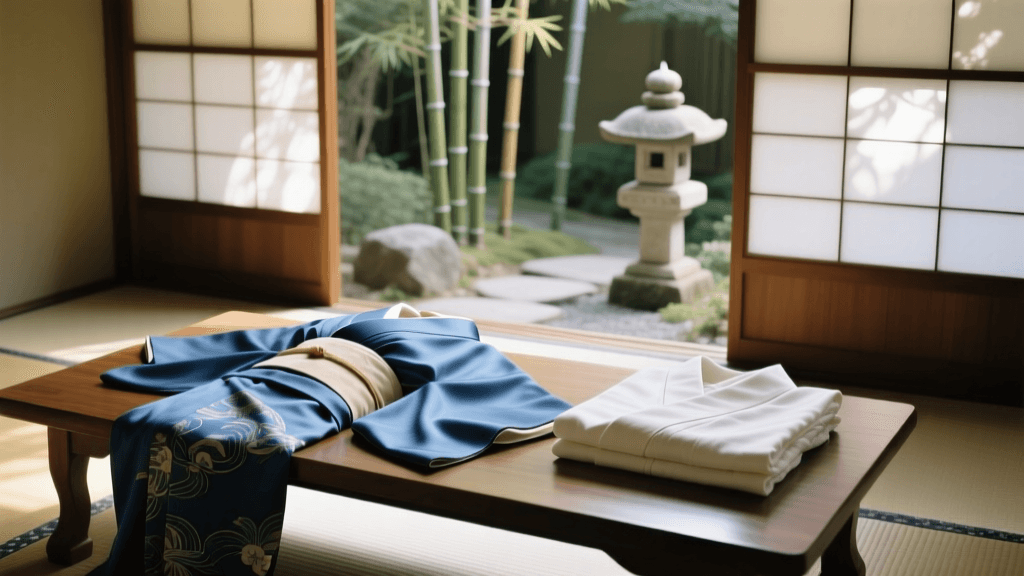
Kimono vs Yukata vs Hakama: 2026 Complete Styling Guide
Introduction to Japanese Traditional Garments in 2026
As we navigate the fashion landscape of 2026, the global appreciation for sustainable, heritage, and artisanal clothing has reached new heights. Japanese traditional garments, with their meticulous craftsmanship and deep cultural significance, are experiencing a profound renaissance. No longer confined to historical reenactments or strictly formal domestic ceremonies, pieces like the kimono, yukata, and hakama are being integrated into contemporary wardrobes, global fashion weeks, and modern ceremonial wear. Understanding the distinct differences between these garments is essential for anyone looking to invest in, rent, or style traditional Japanese attire today.
This comprehensive guide breaks down the construction, cultural context, and 2026 styling trends for Japan's most iconic garments, providing actionable advice for modern wearers.
The Kimono: Elegance, Formality, and Heritage
The word kimono literally translates to 'thing to wear' (ki = wear, mono = thing). While it historically referred to all clothing, today it specifically denotes the traditional T-shaped, straight-lined robe with attached collars and long, wide sleeves. According to The Metropolitan Museum of Art, the modern kimono evolved from the kosode (small sleeves) of the Edo period, transforming into a canvas for extraordinary textile arts.
Types of Kimono
- Furisode: The most formal kimono for unmarried women, characterized by long, swinging sleeves (ranging from 85cm to 114cm). In 2026, modern furisode designs often feature bold, asymmetrical patterns and metallic threading.
- Tomesode: The most formal kimono for married women. Kuro-tomesode (black) features crests and patterns only below the waist, while iro-tomesode (colored) offers a slightly less formal but equally elegant alternative.
- Houmongi: 'Visiting wear' that flows across the seams when laid flat. It is highly versatile and worn by both married and unmarried women for tea ceremonies, weddings, and formal parties.
- Komomon: 'Fine pattern' kimono featuring repeating motifs. This is the standard everyday or casual silk kimono, perfect for dining out or casual cultural events.
2026 Pricing and Sourcing
Investing in a silk kimono in 2026 requires a significant budget. A brand new, bespoke silk Houmongi from a traditional Kyoto weaver typically starts around 350,000 JPY (approx. $2,300 USD) and can easily exceed 1,000,000 JPY for hand-painted Yuzen silk. However, the thriving vintage and upcycled kimono market offers stunning pre-loved silk garments for 5,000 to 20,000 JPY. For tourists and short-term wearers, rental shops in hubs like Kyoto and Tokyo charge between 6,000 and 10,000 JPY for a full-day kimono dressing experience, a price that has stabilized following the post-pandemic tourism boom.
The Yukata: Summer Comfort and Accessibility
If the kimono is the epitome of formal elegance, the yukata is the champion of summer accessibility. Originally worn as a bathing robe by the nobility during the Heian period, the yukata evolved into the standard casual wear for summer festivals (matsuri) and fireworks displays.
Fabric and Construction
Unlike the multi-layered silk kimono, the yukata is made from a single layer of breathable fabric. While traditional cotton remains popular, 2026 has seen a massive surge in advanced cotton-linen blends and high-tech cooling synthetics designed to combat Japan's increasingly intense summer heat. The construction is simpler, lacking the inner lining (juban) required for silk kimonos, making it significantly lighter and easier to wash.
2026 Styling Trends
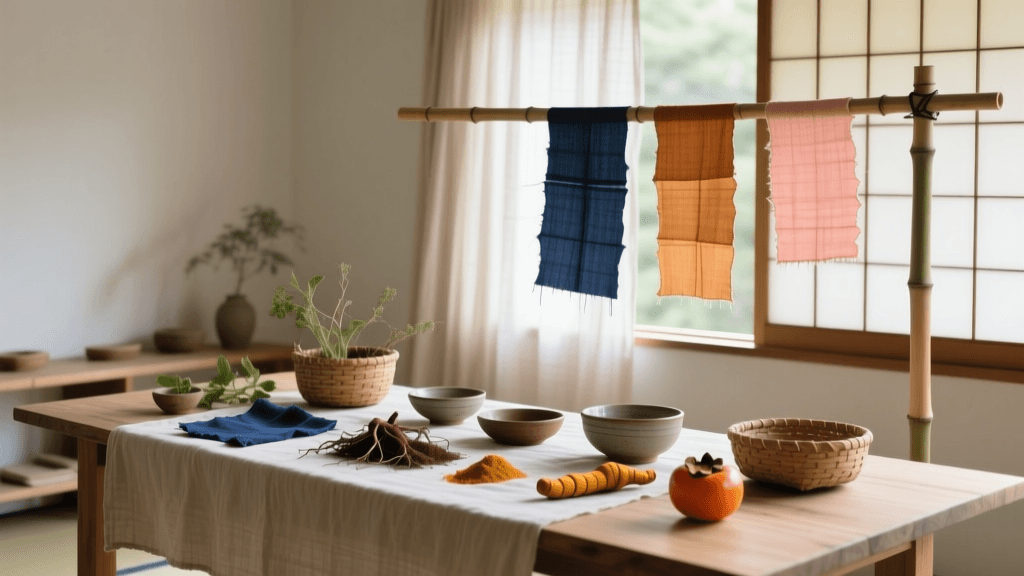
While traditional yukata featured vibrant, large-scale floral patterns, the 2026 trend heavily favors minimalist aesthetics. Muted earth tones, subtle geometric kasuri (ikat) patterns, and monochromatic indigo dyes are dominating the market. Styling a yukata today often involves pairing it with a sleek, narrow hanhaba obi (half-width sash) tied in a simple bow, and accessorizing with modern resin hairpins rather than traditional tortoiseshell.
The Hakama: Tradition Meets Movement
The hakama is a traditional Japanese garment worn over the kimono, resembling wide, pleated trousers or a long skirt. Historically worn by samurai to protect their legs while riding horses, the hakama today is a symbol of academic achievement, martial arts discipline, and Shinto religious duties.
Modern Applications and Variations
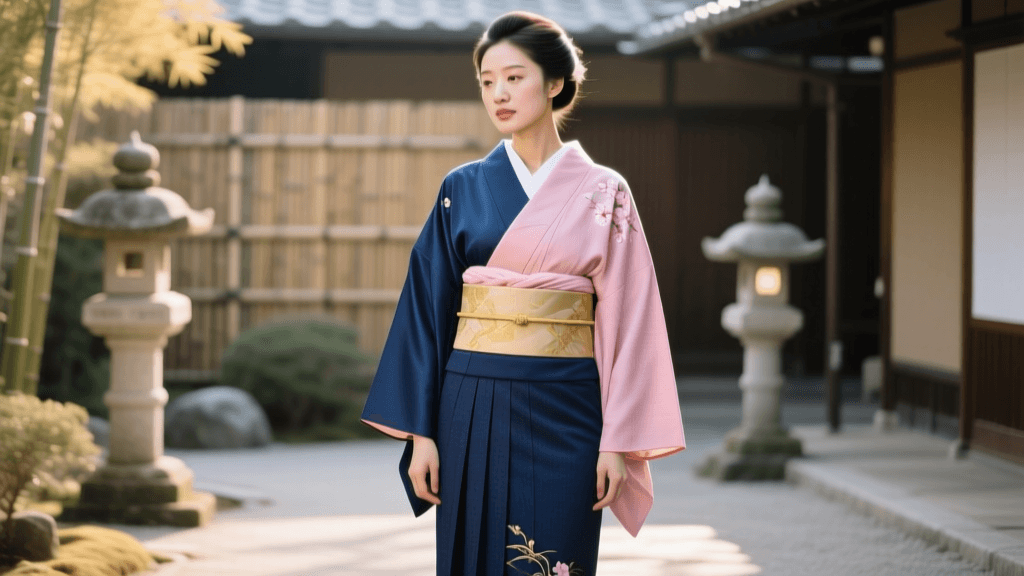
There are two main types of hakama: umanori (divided legs, like trousers) and andon (undivided, like a skirt). In 2026, the most common public sighting of the hakama is during university graduation ceremonies in March, where female graduates wear a vibrant furisode paired with a dark, embroidered andon hakama. Additionally, shrine maidens (miko) continue to wear the iconic white kimono and bright vermilion hakama as part of their daily spiritual duties.
For martial artists practicing Aikido, Kendo, or Kyudo, the hakama remains an essential uniform component, usually made from durable, heavy-duty polyester-cotton blends that can withstand rigorous movement and frequent machine washing.
Comparison Chart: Kimono vs. Yukata vs. Hakama
To help you choose the right garment for your specific needs, refer to the comparison table below:
| Feature | Kimono | Yukata | Hakama |
|---|---|---|---|
| Primary Material | Silk, Crepe, Brocade | Cotton, Linen, Synthetics | Silk, Polyester, Cotton |
| Formality Level | High (Varies by type) | Low (Casual/Summer) | High (Ceremonial/Academic) |
| Typical Occasion | Weddings, Tea Ceremonies | Summer Festivals, Onsen | Graduations, Martial Arts |
| Footwear | Zori with Tabi socks | Geta (wooden clogs) | Zori, Boots, or Barefoot |
| 2026 Avg. Retail Price | 150,000 - 500,000+ JPY | 5,000 - 25,000 JPY | 15,000 - 80,000 JPY |
Essential Accessories for the Modern Wearer
No traditional Japanese outfit is complete without its accompanying accessories. The art of dressing (kitsuke) relies heavily on these supporting pieces:
- Obi: The sash that secures the kimono. A formal Fukuro obi is heavily brocaded and stiff, while a casual Nagoya obi is pre-folded for easier tying.
- Obijime & Obidome: The decorative cord (obijime) tied over the obi, often secured with a small, ornamental clasp (obidome). In 2026, vintage glass and cloisonne obidome are highly sought after by collectors.
- Tabi: Split-toe socks. White cotton tabi are mandatory for formal kimono wear, while modern fashionistas often pair yukata with colored or patterned tabi.
- Zori & Geta: Zori are flat, formal sandals made of brocade or vinyl, while Geta are elevated wooden clogs that produce a distinctive clicking sound, traditionally paired with yukata.
Care, Maintenance, and Conservation
Proper care is vital to preserving the longevity of these garments. The Victoria and Albert Museum emphasizes that historical and high-quality silk textiles require meticulous environmental control and specialized cleaning methods to prevent fiber degradation.
For modern silk kimonos, traditional arai-hari (where the garment is completely unstitched, washed, stretched on bamboo frames, and resewn) is still available but is expensive and time-consuming. In 2026, most wearers opt for specialized eco-friendly dry cleaning services that use silicone-based solvents to clean silk without stripping its natural luster. Expect to pay around 8,000 to 12,000 JPY for professional kimono cleaning.
Yukata, being primarily cotton, can usually be hand-washed or machine-washed on a gentle cycle using a mesh laundry bag. Hakama used for martial arts are designed for durability and can be machine washed, though care must be taken to iron the pleats correctly to maintain their sharp structure.
Conclusion
Whether you are attending a summer fireworks display in a breezy cotton yukata, participating in a formal tea ceremony in a silk Houmongi, or graduating from university in a dignified hakama, Japanese traditional garments offer a profound connection to history and artistry. As we move through 2026, the blending of traditional techniques with modern styling sensibilities ensures that these magnificent garments will continue to be worn, celebrated, and cherished for generations to come.