Essential Kimono Care: Cleaning, Storage, and Maintenance
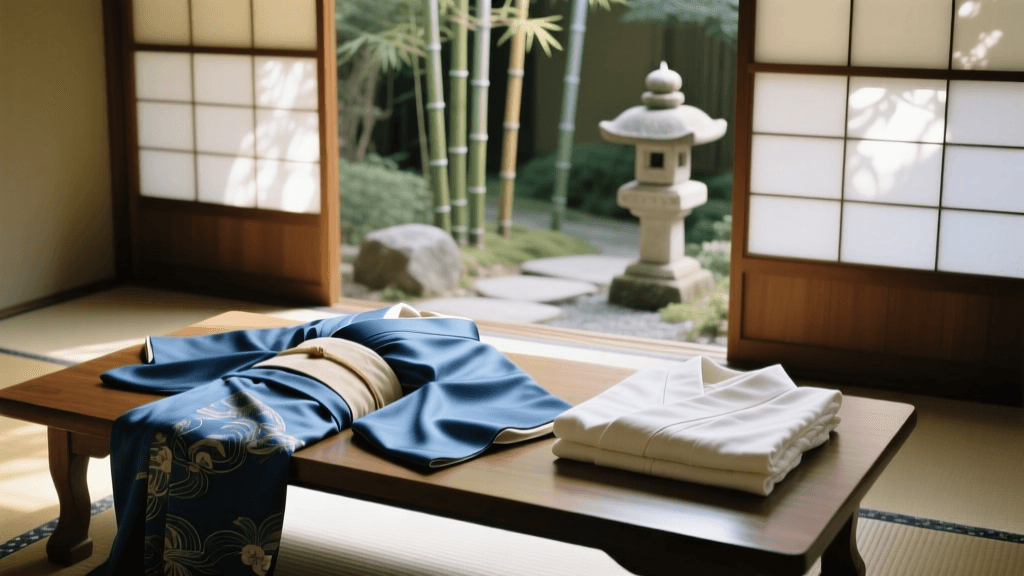
The Delicate Art of Kimono Preservation
The traditional Japanese kimono is far more than a simple garment; it is a wearable masterpiece of textile art, often passed down through generations as a family heirloom. Whether you own a vibrant silk furisode, a subdued tsuzumugi silk kimono, or a casual cotton yukata, proper care is essential to maintain the fabric's integrity, color, and structural shape. According to the Metropolitan Museum of Art's historical overview of kimono textiles, the complex weaving and dyeing techniques used in traditional Japanese garments make them particularly susceptible to environmental damage, improper folding, and harsh chemical cleaners.
This comprehensive guide will walk you through the precise methods for cleaning, folding, and storing your kimono, ensuring that these cultural treasures remain pristine for decades to come.
Understanding Your Kimono's Fabric
Before applying any cleaning or storage method, you must accurately identify the fabric of your kimono. The care regimen for a delicate silk crepe (chirimen) is vastly different from that of a sturdy cotton summer robe.
- Silk (Chirimen, Rinzu, Tsumugi): Highly sensitive to water, which can cause permanent water spots, shrinkage, and loss of the fabric's characteristic texture. Silk requires professional dry cleaning or the traditional arai-hari method.
- Cotton and Linen (Yukata): Durable and designed for summer wear. These can generally be hand-washed or machine-washed on a delicate cycle using cold water and a neutral pH detergent.
- Synthetic Blends (Polyester): Modern, budget-friendly kimono are often made from washable polyester. These are resistant to water spots and can be gently machine-washed.
Cleaning Methods: From Spot Treatment to Arai-Hari
Unlike Western clothing, a kimono is not meant to be washed after every wear. Frequent washing degrades the fibers and strips the silk of its natural luster. Instead, focus on spot cleaning and targeted professional care.
Comparison of Kimono Cleaning Methods
| Method | Suitable Fabrics | Frequency | Estimated Cost (USD) |
|---|---|---|---|
| Professional Dry Cleaning | Silk, Wool, Brocade | Every 2-3 years or after heavy use | $50 - $150 |
| Arai-Hari (Traditional) | High-end Silk, Heirlooms | Every 5-10 years, or for restoration | $150 - $350+ |
| Spot Cleaning (Benzene) | Silk (oil-based stains only) | As needed immediately after staining | $15 (DIY supplies) |
| Hand / Gentle Machine Wash | Cotton, Linen, Polyester | End of every season | $10 (Detergent) |
The Traditional Arai-Hari Process
For high-quality silk kimono, the gold standard of cleaning is arai-hari. This meticulous process involves completely unsewing the kimono into its original flat, rectangular fabric panels. The panels are then washed using specialized, mild detergents and stretched taut on wooden boards or frames (shinshi) to dry. This stretching realigns the silk fibers, removes deep-set wrinkles, and restores the fabric's original dimensions and sheen. Once dry, the panels are sent to a tailor (osaiya) to be completely resewn. While expensive and time-consuming, arai-hari can add decades to the life of an antique silk garment.
Spot Cleaning Silk
If you spill oil or makeup on a silk kimono, do not use water. Instead, use a specialized textile cleaner or pure benzene (available at kimono supply shops). Dab—never rub—the stain gently with a clean, white cotton cloth dampened with the solvent. Always test the solvent on an inconspicuous area, such as the inside of the sleeve, to ensure it does not strip the dye.
The Art of Folding: Tatami-Kata
Improper folding is the leading cause of permanent creases, which can eventually lead to fiber breakage and dye cracking along the fold lines. The traditional folding method, known as tatami-kata, is designed to align the seams and distribute the bulk of the fabric evenly.
- Preparation: Lay the kimono face down on a clean, flat surface. Ensure your hands are clean and free of lotions or oils.
- The Collar and Sleeves: Fold the left side of the body over the back, aligning the outer edge with the center back seam. Fold the right side over the left. The sleeves should be folded inward so they do not extend past the body's width.
- Protecting the Crests: If your kimono features family crests (mon), place a small piece of soft tissue paper over the embroidered or dyed crests to prevent friction damage.
- The Final Folds: Fold the bottom hem up to the collar, then fold the garment in half or thirds, depending on the length, until it forms a neat rectangle approximately 32 cm by 40 cm.
Once folded, the kimono must be wrapped in tatoushi, a specialized acid-free paper designed to allow the silk to breathe while protecting it from dust and light. Standard tatoushi measures about 40 cm by 65 cm. Never use plastic bags or vinyl covers, as these trap moisture and guarantee the growth of mold.
Optimal Storage Solutions and Environments
The environment in which you store your kimono is just as critical as how you fold it. The Victoria and Albert Museum's textile conservation guidelines emphasize that fluctuations in temperature and high humidity are the primary enemies of historic textiles.
Paulownia Wood Boxes (Kiri Bako)
In Japan, the standard for kimono storage is the kiri bako, a box crafted from Paulownia wood. Paulownia is lightweight, highly resistant to warping, and possesses natural hygroscopic properties, meaning it absorbs excess ambient moisture and releases it when the air is too dry, creating a stable microclimate for the silk. When purchasing a kiri bako, ensure the interior dimensions are at least 35 cm wide and 45 cm long to accommodate the folded kimono without crushing the edges.
Wooden Chests (Tansu)
For larger collections, a traditional Japanese wooden chest (tansu) with wide, shallow drawers is ideal. The shallow drawers prevent you from stacking too many kimono on top of one another, which can compress the lower garments and cause deep, irreversible creases.
Pest Prevention
Silk and wool are highly attractive to clothing moths and carpet beetles. To protect your garments, use natural repellents like Japanese camphor (shounou) or cedar blocks. However, never allow the camphor or cedar to touch the silk directly. The chemical oils can react with metallic threads (such as gold or silver brocade) and certain dyes, causing discoloration. Always place the repellent in the corners of the drawer or box, separated from the tatoushi-wrapped garments by a barrier of plain cotton cloth.
Seasonal Maintenance: The Mushiboshi Ritual
Even if you do not wear your kimono frequently, it requires periodic aeration. In Japan, this practice is called mushiboshi (literally "insect airing"). This ritual involves taking the kimono out of storage, unfolding them, and allowing them to breathe in a well-ventilated, shaded room.
The ideal time for mushiboshi is during the winter months—specifically January or February—when the air is cold, crisp, and exceptionally dry. Avoid airing out your garments during the summer or the rainy season (tsuyu in June and July), as the high humidity will invite mold spores to settle into the fibers. According to experts at the Kyoto Traditional Industries Fureaikan Museum, maintaining the structural integrity of traditional crafts requires a deep respect for the changing seasons, and kimono care is no exception.
During the airing process, inspect each garment carefully with a flashlight. Look for early signs of mold (small white or black specks), yellowing along the fold lines, or fraying threads. If you discover mold, do not attempt to wipe it off with a damp cloth. Take the garment to a professional textile conservator immediately.
Conclusion
Caring for a kimono is a mindful practice that connects you to centuries of Japanese textile heritage. By understanding the specific needs of your garment's fabric, utilizing the traditional tatami-kata folding method, investing in breathable Paulownia storage, and observing the seasonal mushiboshi ritual, you can protect your collection from the ravages of time. Whether it is a modern silk piece or an Edo-period antique, proper care ensures that the vibrant colors and intricate weaves of the kimono will continue to tell their stories for generations to come.