2026 Kyoto Kimono & Seoul Hanbok Sewing Retreat Guide
The Renaissance of Traditional Asian Garment Making in 2026
As the global fashion industry continues its pivot toward slow fashion, sustainability, and cultural preservation, 2026 has emerged as a landmark year for traditional Asian garment making. Discerning makers, designers, and cultural enthusiasts are no longer satisfied with merely wearing traditional garments; they want to understand the profound engineering, mathematics, and philosophy woven into every seam. According to the UNESCO Intangible Cultural Heritage registry, the safeguarding of traditional craftsmanship has seen a massive surge in global interest, driving a new wave of immersive, multi-week tailoring retreats across East Asia.
For those looking to master the structural elegance of the Japanese kimono or the sweeping, architectural grace of the Korean hanbok, 2026 offers an unprecedented array of specialized workshops. These seminars go far beyond basic stitching. They teach the ancestral mathematics of the straight-line cut, the chemistry of natural dyes, and the precise hand-finishing techniques that have been passed down through generations of master artisans. Whether you are a seasoned bespoke tailor or a dedicated beginner, this comprehensive guide details the most prestigious Kyoto kimono and Seoul hanbok sewing retreats available this year.
Kyoto Kimono Tailoring Immersion: Mastering the Art of the Silk Fold
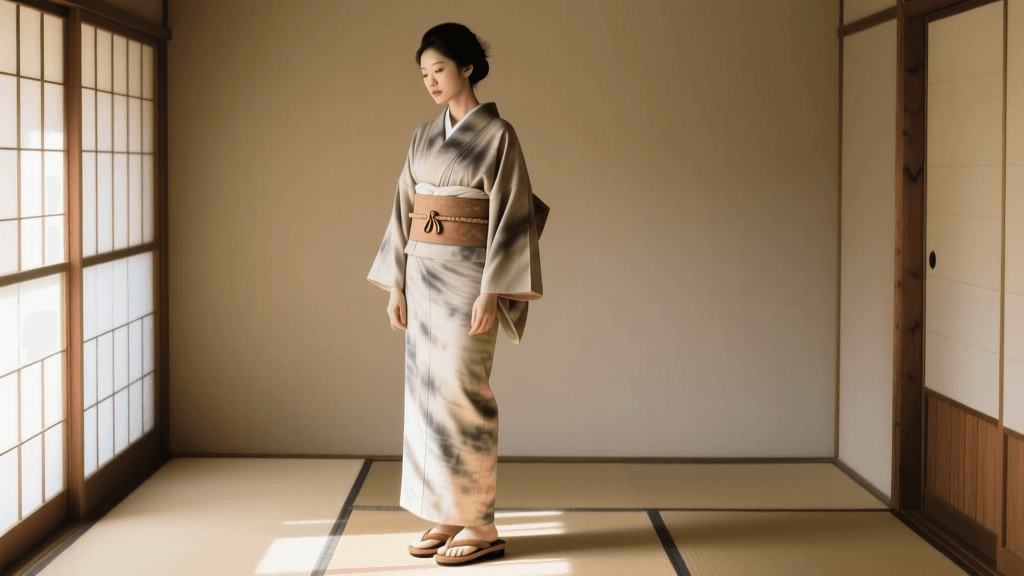
The construction of a traditional kimono is a masterclass in geometric precision and zero-waste design. Unlike Western tailoring, which relies on curved seams and darts to contour fabric to the human body, the kimono is constructed from a single bolt of fabric known as a tanmono. In 2026, the premier Kyoto workshops focus heavily on the wasa (Japanese sewing) technique, which emphasizes the use of a standard 38-centimeter fabric width, ensuring that no textile is wasted during the cutting process.
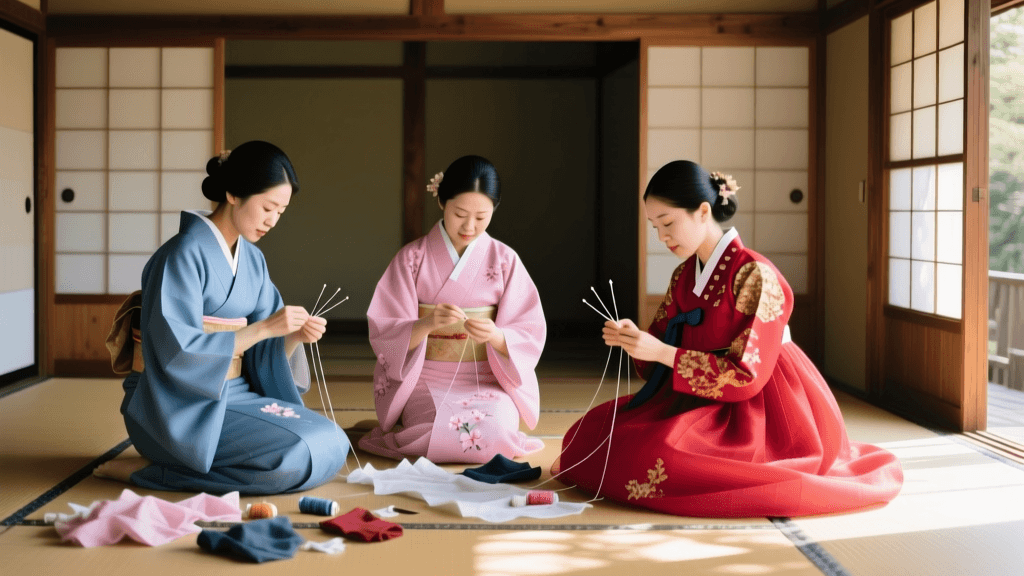
At the renowned Nishijin Silk Artisan Retreat in Kyoto, participants spend their first week learning kuke (basting) and shitate (sewing). Master instructors teach the vital skill of using a hera—a traditional bamboo spatula used to crease silk without the damaging heat of an iron. Students learn to construct the okumi (front overlap panel) and the eri (collar), mastering the hidden stitches that keep the garment's exterior immaculate. The 2026 curriculum also introduces advanced students to the integration of modern, eco-friendly peace silks that mimic the drape of historical tango chirimen crepe silk, reflecting the industry's shift toward ethical sericulture.
For those interested in the outerwear layer, specialized seminars in the Arashiyama district focus on the haori jacket. Here, the emphasis is on the intricate inner linings and the chikara-nui (reinforcement stitches) placed at high-stress points like the underarm and side vents. The Japan National Tourism Organization actively promotes these cultural deep-dives, noting that immersive craft tourism has become a primary driver for extended stays in the Kansai region.
Seoul Hanbok Construction Seminars: Sculpting the Jeogori and Chima
While the kimono relies on straight lines and flat planes, the traditional Korean hanbok is celebrated for its voluminous curves and dynamic movement. The Bukchon Hanbok Heritage Lab in Seoul offers an intensive 2026 seminar dedicated to the jeogori (traditional jacket) and the chima (wrap skirt). The defining characteristic of the hanbok is the baerae—the beautifully curved bottom line of the sleeve, which resembles the gentle slope of a traditional temple roof.
Creating the perfect baerae requires an understanding of fabric manipulation that goes beyond standard pattern drafting. Instructors at the Seoul seminars guide students through the process of steaming and stretching the silk to achieve the signature bell-like curve without adding seams. Another major focus of the 2026 curriculum is the goreum (the long, flowing chest ties). Tying and sewing the goreum requires exact measurements of tension and length to ensure they drape elegantly and hold securely without pins.
The Seoul workshops also place a heavy emphasis on the dongjeong, the crisp white paper or fabric collar that frames the face. Students learn the meticulous process of attaching and replacing the dongjeong, a historical practice born from the need to keep the garment clean. According to the Korea Tourism Organization, traditional craft villages in both Seoul and Jeonju have expanded their international seminar offerings in 2026 to accommodate the growing demand from foreign design students and heritage enthusiasts.
2026 Workshop Comparison: Kyoto vs. Seoul
Choosing the right retreat depends on your current skill level, budget, and the specific garment you wish to master. Below is a comparison of the top-rated traditional sewing retreats operating in 2026.
| Retreat Name | Location | Garment Focus | Duration | 2026 Tuition (USD) | Skill Level |
|---|---|---|---|---|---|
| Nishijin Silk Artisan Retreat | Kyoto, Japan | Kimono / Obi | 14 Days | $4,200 | Intermediate |
| Bukchon Hanbok Heritage Lab | Seoul, South Korea | Jeogori / Chima | 7 Days | $2,800 | Beginner |
| Arashiyama Natural Dye Seminar | Kyoto, Japan | Yukata | 5 Days | $1,500 | All Levels |
| Jeonju Traditional Craft Village | Jeonju, South Korea | Saekdong Jeogori | 10 Days | $3,100 | Advanced |
Modern 2026 Innovations in Traditional Tailoring
While the core techniques of these garments remain centuries old, the 2026 workshops have embraced selective modern innovations to aid the learning process. Many Kyoto and Seoul studios now utilize AI-assisted body scanning to help students understand how traditional flat patterns interact with diverse modern body types. This technology does not replace the traditional drafting process; rather, it provides a digital visualization of the drape, helping students adjust the placement of the obi or the tension of the chima waistband for optimal comfort.
Furthermore, 2026 has seen a breakthrough in botanical dyeing seminars. With climate change impacting the yield of traditional indigo and madder root crops, workshops are now teaching students how to extract vibrant, colorfast pigments from agricultural byproducts, such as onion skins, persimmon tannins, and upcycled tea leaves. This fusion of ancestral technique and modern ecological awareness is a hallmark of this year's educational retreats.
Essential 2026 Toolkit for the Traditional Tailor
Participants attending these retreats are generally provided with specialized tools during the seminar, but serious students often build their own kits. If you are preparing for a 2026 workshop, familiarize yourself with these essential items:
- Hera (Japan): A bamboo or ivory spatula used for scoring creases into delicate silks without applying heat.
- Chakki (Korea): A traditional wooden ruler and measuring stick, essential for marking the precise yardage required for the voluminous chima skirt.
- Kakehari (Japan): A tensioning clip and weight system used to hold silk taut while executing microscopic blind hems.
- Gamsim Thread (Korea): Specially spun, lightly waxed silk threads used for gathering the massive waistbands of the chima to ensure the pleats hold their shape over decades of wear.
- Thimble Rings: Unlike Western cap thimbles, Asian traditional tailoring often utilizes side-ring thimbles or leather palm guards to push needles through multiple layers of stiff silk and interfacing.
Sourcing Authentic Textiles: Nishijin-ori and Gwangjang Market
A significant component of these 2026 retreats involves guided excursions to historical textile markets. In Kyoto, students visit the Nishijin district to witness the weaving of Nishijin-ori brocades. Master weavers demonstrate the use of 2026's updated jacquard looms, which can now weave complex, multi-colored patterns with zero yarn waste. Students learn how to select the right weight of brocade for an obi sash versus a formal tomesode kimono.
In Seoul, the curriculum includes a sourcing trip to the legendary Gwangjang Market. Here, students navigate the labyrinthine silk alleys, learning how to distinguish between genuine myeongju (raw silk) and modern synthetic blends. Instructors teach the 'burn test' and the 'drape test' to ensure students purchase authentic materials capable of holding the sharp, structured pleats required for a formal hanbok.
Final Thoughts on Preserving Sartorial Heritage
Learning to construct a kimono or a hanbok is not merely an exercise in sewing; it is an act of cultural preservation. The 2026 retreats in Kyoto and Seoul offer a rare opportunity to step away from the rapid pace of modern fashion and immerse yourself in the meditative, mathematical, and deeply artistic world of traditional Asian garment making. Whether you are carefully creasing a silk collar with a bamboo hera or steaming the elegant curve of a baerae sleeve, you are participating in a living history. By investing your time and resources into these specialized seminars, you ensure that the profound sartorial heritage of East Asia continues to be understood, respected, and beautifully worn for generations to come.