Hanfu for Family Ceremonies: Birth, Weddings & Rites 2026
The 2026 Resurgence of Ceremonial Hanfu
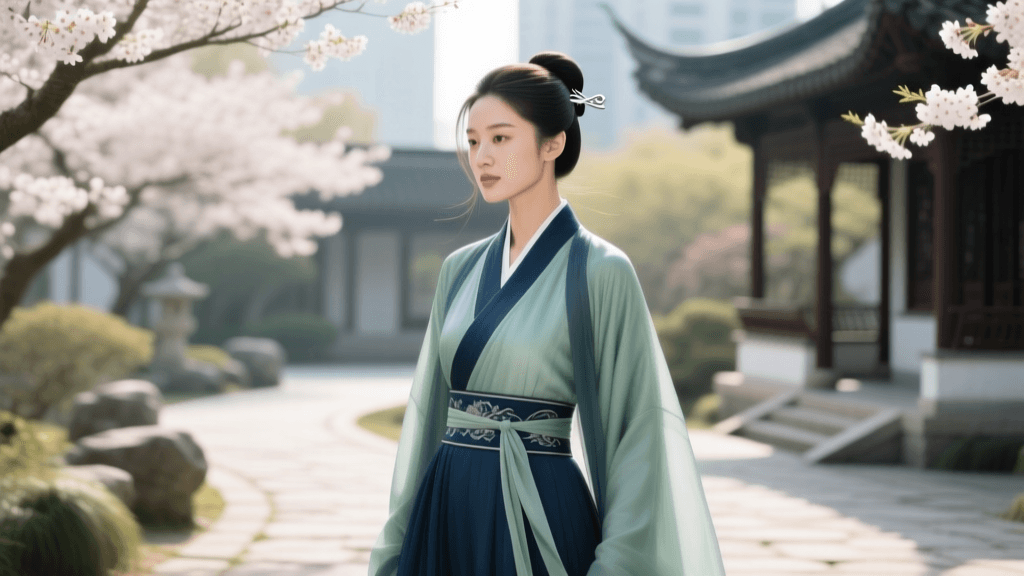
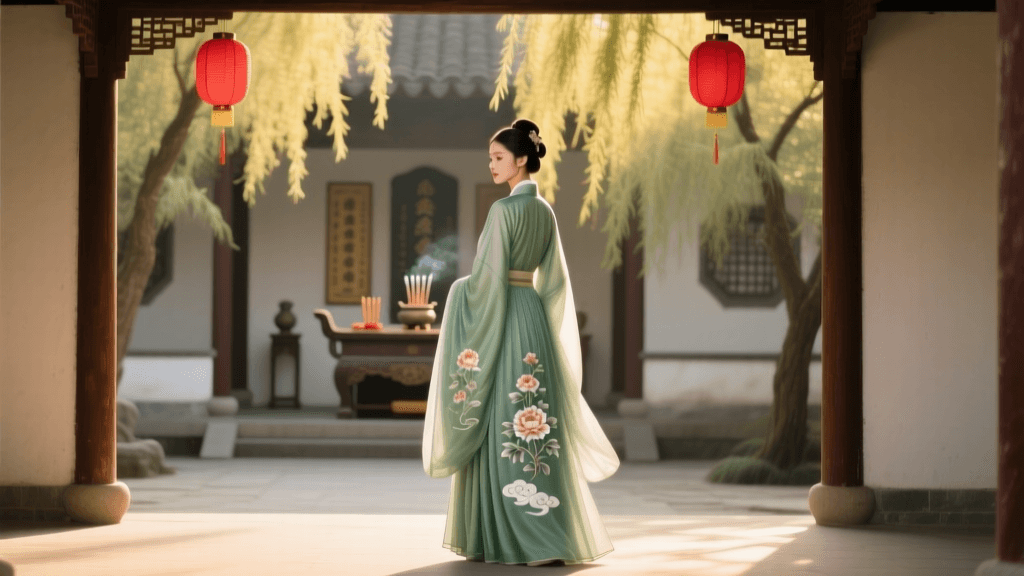
Once relegated to historical dramas and niche hobbyist circles, Hanfu—the traditional clothing of the Han Chinese—has firmly established itself as the premier sartorial choice for major family milestones in 2026. According to cultural analysts and industry reports, the modern Hanfu movement has evolved from casual streetwear into a deeply respected framework for ceremonial dress. Families across the globe are increasingly turning to historically accurate garments to mark birth, coming-of-age, weddings, and ancestral veneration. This shift reflects a broader 2026 cultural renaissance that prioritizes heritage, mindfulness, and sustainable textile practices. As noted by BBC News in their extensive coverage of the Hanfu revival, the integration of these garments into daily and ceremonial life represents a profound reconnection with ancestral identity. This comprehensive guide explores how to select, source, and wear Hanfu for the most critical family ceremonies today.
Hanfu for Birth and First Birthday Celebrations (Zhuazhou)
The first major milestone in a child's life is the Zhuazhou, or first birthday ceremony, a tradition where the infant is presented with various objects to predict their future inclinations. In 2026, dressing the infant and the parents in coordinated Hanfu has become a staple of this event. For the baby, safety and comfort are paramount. Modern parents opt for Song-dynasty inspired cross-collar tops made from 2026's most sought-after textile: organic bamboo-cotton blends. These fabrics are naturally hypoallergenic, temperature-regulating, and dyed using eco-friendly botanical extracts like madder root for auspicious reds and gardenia for warm yellows.
Infants are often adorned with traditional tiger-head shoes and bibs, featuring hand-embroidered motifs designed to ward off evil spirits and invite robust health. The mother typically wears a Song-dynasty Beizi (a long, open-front jacket) over a simple pleated skirt. The Beizi is favored for its elegant, slender silhouette and ease of movement, which is essential when managing a one-year-old. Auspicious colors such as pomegranate red, lotus pink, and soft jade green dominate these celebrations, symbolizing fertility, joy, and vitality.
Coming-of-Age Ceremonies: Guanli and Jili
The transition into adulthood is marked by the Guanli (capping ceremony for men at age 20) and the Jili (hair-pinning ceremony for women at age 15). These deeply moving family rituals involve three distinct changes of clothing, each representing a higher level of societal responsibility and maturity. In 2026, the Ming-dynasty Aoqun (jacket and skirt) is the undisputed favorite for the Jili. The centerpiece is the Mamianqun, or horse-face skirt, characterized by its flat front and back panels with pleated sides.
For the 2026 season, bespoke tailors in Hangzhou and Suzhou are utilizing lightweight, woven lotus silk threads blended with recycled metallic yarns to create the intricate patterns on the Mamianqun. This innovation provides the opulent shimmer of historical bullion embroidery without the heavy, restrictive weight. Young men participating in the Guanli often transition from a simple cotton Shenyi (deep robe) in the first stage to a formal Ming-dynasty Daopao (scholar's robe) and a traditional scholar's cap in the final stage. The ceremony is usually held in the family's ancestral hall or a rented traditional courtyard, with elders presenting the garments and offering blessings.
The Grandeur of Traditional Hanfu Weddings (Hunli)
The Hanfu wedding, or Hunli, has become a multi-billion dollar global industry by 2026. Couples are increasingly rejecting Western white gowns in favor of the breathtaking Ming-dynasty Fengguan Xiapei (Phoenix Crown and Rosary/Cape) ensemble. This style is historically significant because the Ming dynasty allowed commoners to wear noble attire on their wedding day, a tradition that democratized royal elegance and continues to resonate today.
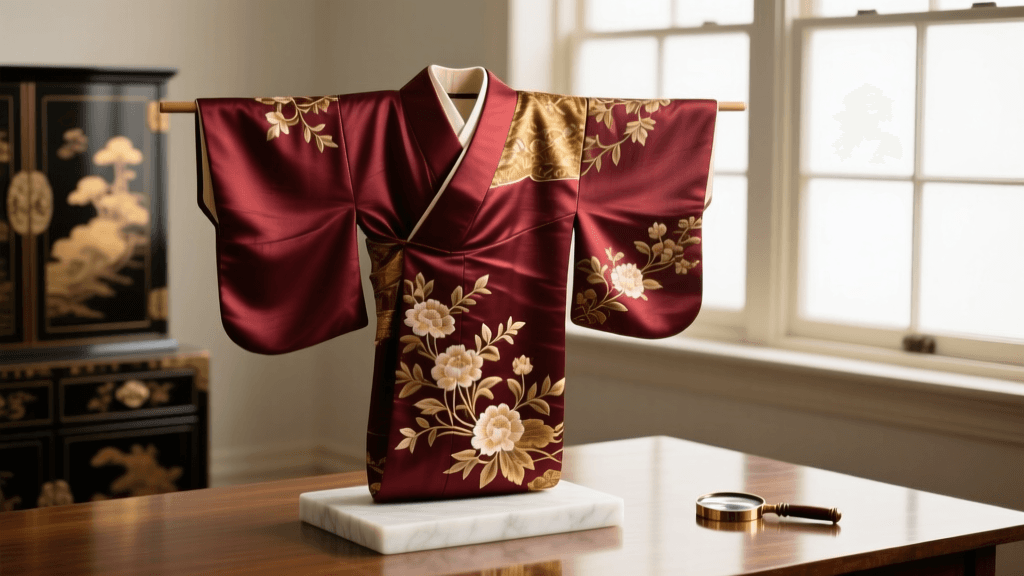
The bride's attire is a masterclass in layering and symbolism. The foundation begins with the Zhongyi (inner garment), followed by a heavily embroidered Ao (jacket) and a sweeping Qun (skirt). Over this, the bride drapes the Xiapei, a long, embroidered cape that hangs from the shoulders to the feet, weighted at the bottom with jade or gold pendants to ensure it drapes perfectly during the ceremonial bows. The Fengguan, an elaborate headdress adorned with kingfisher feathers (now ethically sourced or replicated with dyed silk and velvet in 2026 to protect wildlife), completes the look. As highlighted by The Metropolitan Museum of Art, Ming dynasty textiles were renowned for their complex weaving techniques and auspicious motifs, such as the dragon and phoenix, which represent the harmonious balance of yin and yang in marriage.
The groom typically wears a crimson or dark blue Daopao or a round-collared Yuanlingpao with an official's hat featuring fluttering wings. The cost of a fully bespoke, hand-embroidered Ming wedding set in 2026 ranges from $2,500 to over $8,000, depending on the density of the Suzhou embroidery (Su Xiu) and the quality of the mulberry silk. Due to the intricate handwork, couples are advised to commission their garments at least six to eight months before the wedding date.
Ancestral Rites and Memorials (Jisi)
In stark contrast to the vibrant joy of weddings and births, ancestral rites (Jisi) demand profound solemnity, restraint, and respect. The core philosophical underpinning of these rites is Xiao, or filial piety. The clothing worn during tomb-sweeping festivals (Qingming) or death anniversaries must reflect humility and reverence. The most appropriate garment is the Han-dynasty or Ming-dynasty Shenyi, a one-piece robe where the upper and lower sections are cut separately but sewn together to symbolize the unity of heaven and humanity.
Colors for ancestral rites are strictly muted. Charcoal, deep navy, raw hemp, and unbleached white are the standards. Bright colors, flashy embroidery, and excessive jewelry are considered highly disrespectful. In 2026, there is a strong preference for raw, unprocessed textiles like organic linen and heavy hemp, which drape heavily and enforce a slow, measured gait—a physical manifestation of the wearer's solemn state of mind. The physical restriction of the Shenyi's cut naturally prevents hasty movements, aligning the body's physical tempo with the spiritual gravity of the ritual.
The Golden Rule: Jiaoling Youren
Regardless of the ceremony, the most critical rule of Hanfu etiquette is Jiaoling Youren—the left side of the collar must always cross over the right side. This rule applies to all living participants in birth, coming-of-age, and wedding ceremonies. The reverse, right-over-left, is strictly reserved for dressing the deceased for burial. Accidentally wearing a garment right-over-left during a joyous family ceremony is considered a grave omen and a severe breach of cultural etiquette. In 2026, reputable Hanfu tailors and rental shops utilize subtle, color-coded inner ties to ensure that even those unfamiliar with traditional dressing can easily achieve the correct Jiaoling Youren alignment.
2026 Ceremonial Hanfu Comparison Guide
Selecting the right garment for the right occasion can be daunting. The table below provides a structured overview of the recommended styles, materials, and estimated costs for family ceremonies in the current market.
| Ceremony | Historical Era Inspiration | Key Garments | 2026 Fabric Trends | Estimated Cost (USD) |
|---|---|---|---|---|
| First Birthday (Zhuazhou) | Song / Ming | Tiger bib, Beizi (Mother) | Organic bamboo-cotton, botanical dyes | $80 - $300 |
| Coming-of-Age (Jili/Guanli) | Ming | Aoqun, Mamianqun, Daopao | Lotus silk, lightweight woven gold | $400 - $1,200 |
| Wedding (Hunli) | Ming / Tang | Fengguan Xiapei, Yuanlingpao | Sustainable mulberry silk, Su Xiu embroidery | $2,500 - $8,000+ |
| Ancestral Rites (Jisi) | Han / Ming | Shenyi, Duanhe | Raw hemp, unbleached organic linen | $150 - $450 |
Sourcing, Tailoring, and 3D Fitting in 2026
The Hanfu market in 2026 has embraced cutting-edge technology to solve the historical challenge of fit and drape. While traditional flat-pattern cutting remains the gold standard for authenticity, leading bespoke ateliers now offer 3D body scanning via smartphone applications. This allows international clients to receive custom-fitted ceremonial Hanfu without traveling to China. The scan data is translated into precise measurements for the tailors, ensuring that the crucial drop of the Xiapei and the pleat alignment of the Mamianqun are perfectly calibrated to the wearer's exact height and posture.
When sourcing garments, buyers must be wary of 'Hanfu-element' clothing, which blends traditional motifs with modern Western cuts. For strict ceremonial use, particularly weddings and ancestral rites, purists and cultural historians recommend purchasing from established heritage brands that adhere to historical pattern drafting. Always verify the collar orientation, the presence of traditional ties instead of modern zippers, and the use of natural fibers. By honoring these meticulous details, families in 2026 are not merely wearing clothes; they are actively participating in the living, breathing continuation of a millennia-old cultural legacy.