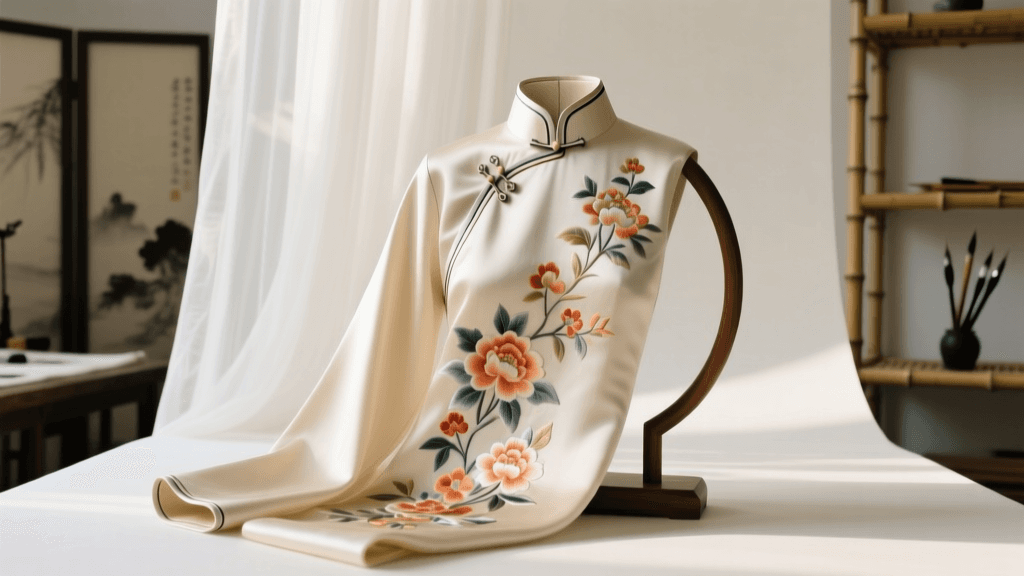
2026 Kimono Secondhand Auctions & Appraisal Guide
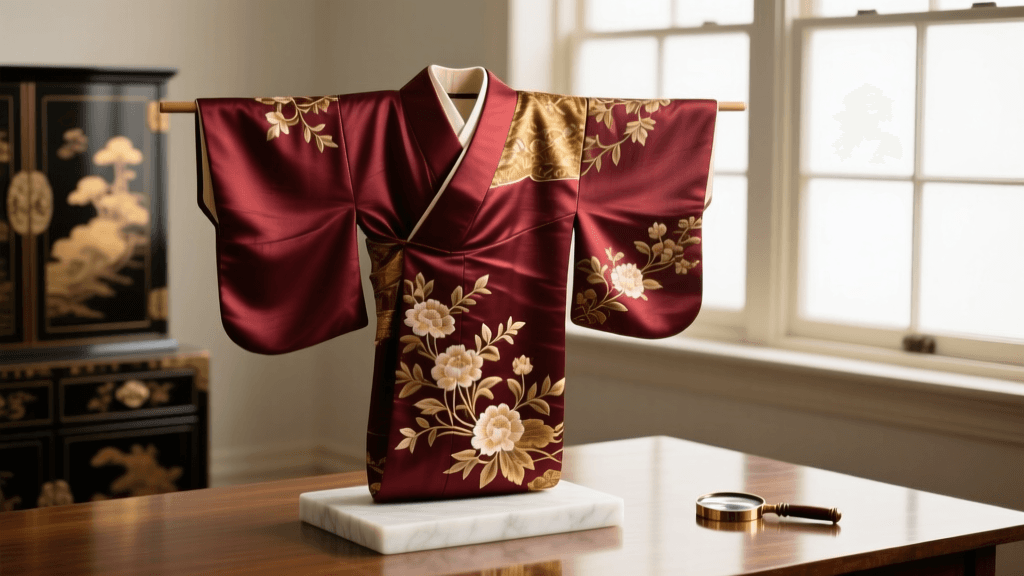
The State of the Secondhand Kimono Market in 2026
The global appetite for sustainable, heritage fashion has reached unprecedented heights in 2026. As the circular economy matures, the secondhand kimono market has transformed from a niche collector's pursuit into a highly accessible global marketplace. Thanks to advanced AI-driven proxy bidding platforms and real-time translation tools, international buyers can now seamlessly navigate Japanese domestic auctions, unlocking a treasure trove of vintage silk garments that were previously out of reach.
Whether you are a textile historian, a vintage fashion enthusiast, or a collector seeking museum-grade pieces, understanding the nuances of kimono appraisal is essential. The secondary market is flooded with everything from mass-produced synthetic garments to exquisite, hand-painted masterpieces. This comprehensive guide will equip you with the knowledge to accurately appraise vintage kimono, identify authentic silk weaves, and execute winning bids on Japan's top auction platforms in 2026.
Core Pillars of Kimono Value Appraisal
Appraising a kimono requires a trained eye for materials, construction techniques, and historical context. According to the Metropolitan Museum of Art's textile archives, the evolution of the kosode into the modern kimono involved centuries of refinement in weaving and dyeing, making provenance and technique the primary drivers of value.
Material and Weave Identification
The foundation of any kimono's value lies in its fabric. In Japanese auction listings, the term shoken (正絹) denotes 100% pure silk and is the first keyword appraisers look for. Within the realm of silk, specific weaves command premium prices:
- Chirimen (Crepe): A textured, crinkled silk that drapes beautifully and resists wrinkling. Highly prized for formal garments like furisode and houmongi.
- Rinzu (Satin Damask): Features intricate woven patterns that catch the light. Often used as a luxurious base for dyed or embroidered designs.
- Tsumugi (Pongee): A slubbed, rustic silk spun from silk waste or wild cocoons. While historically considered casual, antique Oshima Tsumugi or Yuki Tsumugi are highly collectible and can fetch thousands of dollars at auction.
- Meisen: A bold, ikat-woven silk popular in the 1920s through 1950s. Vintage Meisen kimono featuring Art Deco or modernist geometric patterns are currently experiencing a massive surge in demand among global vintage collectors in 2026.
Dyeing and Embellishment Techniques
The method used to apply color and pattern drastically alters a garment's market value. Hand-crafted techniques are always more valuable than stenciled or machine-printed alternatives.
- Yuzen (Resist Dyeing): The pinnacle of kimono dyeing. As the Victoria and Albert Museum notes, the intricate yuzen technique allows for painterly, multi-colored designs. Kaga Yuzen (from Kanazawa) is known for its realistic botanical motifs and five-color palette, while Kyo Yuzen (from Kyoto) favors stylized patterns and generous use of gold leaf.
- Shibori (Tie-Dye): Authentic hand-tied shibori, particularly the microscopic dots of kanoko shibori, requires hundreds of hours of labor. The textured, three-dimensional surface of genuine shibori is a hallmark of high-end appraisal.
- Suribaku & Kinsai: Techniques involving the application of gold or silver foil and paste. Over time, cheap foil applications may flake, which affects the condition grade, whereas high-quality kinsai remains vibrant.
Condition and Provenance
Condition is the ultimate arbiter of auction value. Japanese sellers are notoriously meticulous about grading, but international buyers must understand the terminology used in 2026 listings:
- Shimi (Stains/Age Spots): Small, localized discolorations. Minor shimi on the lower half of the skirt can often be hidden by the obi and may only reduce the value by 10-20%.
- Yake (Sun Fading): Uneven fading caused by light exposure. This is usually irreversible and significantly devalues the piece.
- Hikkake (Snags): Pulled threads in the weave. Common in chirimen and rinzu silks.
- Kamon (Family Crests): The presence of 1, 3, or 5 dyed family crests indicates the formality of the garment. Five crests (itsutsu-mon) denote the highest formality and are highly sought after by collectors.
Navigating Online Auctions and Proxy Bidding
In 2026, the undisputed king of the secondhand kimono market is Yahoo! Auctions Japan (Yahuoku). While domestic platforms like Mercari Japan and Rakuten Rakuma offer fixed-price options, Yahoo! Auctions provides the highest volume of rare, antique, and high-end pieces. Because these platforms restrict direct international shipping and require Japanese bank accounts, global buyers rely on proxy bidding services.
Leading proxy services such as Buyee, ZenMarket, and Neokyo have integrated sophisticated AI image recognition and translation tools in 2026, allowing buyers to instantly translate seller descriptions and zoom in on macro-photographs of silk weaves. When using these services, always factor in the domestic shipping fee, the proxy commission (usually 300 to 500 JPY per item), and the international consolidated shipping weight. A standard silk kimono weighs between 800g and 1.2kg; adding a vintage maru obi can push the package well over 2kg.
2026 Kimono Valuation Matrix
The following table provides a baseline valuation matrix for the 2026 auction market. Prices are estimated in USD and reflect final hammer prices before proxy and shipping fees.
| Kimono Type | Material / Technique | Condition Grade | Est. 2026 Auction Value (USD) |
|---|---|---|---|
| Furisode (Long Sleeve) | Silk Chirimen, Hand-Painted Yuzen, 5 Kamon | Excellent (Mint, no stains) | $600 - $1,500+ |
| Houmongi (Visiting) | Silk Rinzu, Kinsai Gold Leaf, Eba Pattern | Good (Minor shimi on hem) | $150 - $350 |
| Komon (Casual) | Tsumugi Pongee, Stencil Dyeing | Fair (Visible wear, fading) | $30 - $80 |
| Meisen Haori (Jacket) | Meisen Silk, Bold Kasuri Ikat | Excellent (Vibrant colors) | $120 - $280 |
| Antique Uchikake | Heavy Silk, Silk Floss Embroidery, Foil | Good (Age-appropriate patina) | $800 - $2,500 |
Expert Tips for Bidding and Authenticating
To maximize your success rate and avoid costly mistakes in the 2026 secondhand market, implement these expert strategies:
1. Master the Japanese Search Terms
Do not rely solely on English keywords. Use specific Japanese terminology to uncover hidden gems that international buyers might miss:
- リサイクル着物 (Recycle Kimono): The standard term for secondhand kimono.
- アンティーク着物 (Antique Kimono): Generally refers to garments made before the 1950s.
- 仕立て上がり (Shitate-agari): Brand new, fully tailored, and ready to wear. Often sold by estates liquidating unworn gifts.
- 解き洗い (Toki-arai): Taken apart and professionally washed. A massive value-add, as the garment is clean and ready for re-tailoring or display.
2. Beware of the 'Junk' Category
On Yahoo! Auctions Japan, items listed in the Janke (ジャンク) or 'Junk' category are sold as-is. While this category is a goldmine for textile artists looking for cheap silk to upcycle, it often harbors garments with severe structural damage, pervasive mold, or undisclosed synthetic blends. Only bid on 'junk' listings if you are comfortable with restoration or repurposing.
3. Analyze the Lining (Jura)
Authentic vintage kimono feature silk linings. If the auction photos show a white, synthetic-looking lining, or if the lining is heavily discolored and brittle, the garment may have been cheaply re-lined or is suffering from advanced silk degradation (dry rot). Always request additional photos of the interior seams if the proxy service allows seller inquiries.
Conclusion
The 2026 kimono secondhand market offers an unparalleled opportunity to acquire wearable art at a fraction of its original bespoke cost. By mastering the identification of silk weaves, understanding the historical significance of dyeing techniques, and leveraging modern proxy bidding technology, collectors can build extraordinary, museum-quality wardrobes. Whether you are hunting for a vibrant Taisho-era Meisen jacket or a formal, hand-painted Kyo Yuzen houmongi, the key to success lies in meticulous appraisal and strategic bidding.