Top Hanfu Styles for Qigong and Meditation in 2026
The Intersection of Hanfu and Somatic Wellness in 2026
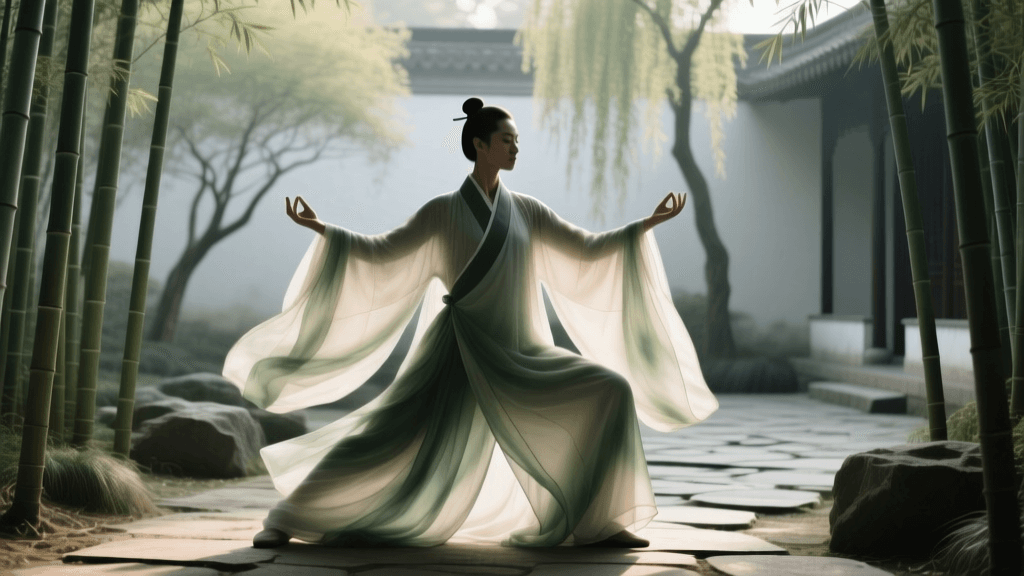
As the global wellness landscape evolves in 2026, practitioners of mindfulness, Qigong, and Tai Chi are increasingly turning away from synthetic, restrictive athleisure wear. Instead, there is a profound resurgence in utilizing traditional garments to enhance somatic practices. Hanfu, the traditional clothing of the Han Chinese, offers a unique proposition for moving meditation. Unlike modern activewear that compresses the body, Hanfu is rooted in flat-pattern cutting and generous draping, allowing for unrestricted circulation of both blood and Qi (vital energy).
According to the National Center for Complementary and Integrative Health, practices like Tai Chi and Qigong rely heavily on relaxed, fluid movements and deep diaphragmatic breathing. Wearing clothing that constricts the abdomen or binds the joints can actively impede these physiological requirements. By integrating historically accurate Hanfu silhouettes into your 2026 wellness routine, you align your physical environment with the ancient philosophies of energy flow, grounding, and natural harmony.
Top Hanfu Silhouettes for Qigong and Meditation
Not all Hanfu styles are suited for active meditation. Highly structured ceremonial garments or heavily layered court dresses can be cumbersome. For Qigong and seated meditation, the focus must be on mobility, temperature regulation, and comfort. Here are the top silhouettes dominating the wellness space in 2026.
1. Song Dynasty Beizi (褙子)
The Beizi is an open-front, parallel-collar jacket that typically falls below the knees. It is arguably the most versatile piece for morning Qigong. Because it is left unfastened at the front, it allows for maximum chest expansion during deep breathing exercises. In 2026, lightweight linen Beizi with subtle botanical embroidery are highly sought after for outdoor Tai Chi in temperate climates, providing a light barrier against morning breezes without trapping excess body heat.
2. Ming Dynasty Daopao (道袍)
Translating literally to 'Daoist Robe,' the Daopao is historically intertwined with spiritual and meditative practices. It features a crossed collar, wide sleeves, and distinctive side slits with inner swings (摆) that provide incredible freedom of movement for the legs during deep stances like the horse stance (Ma Bu). The generous cut ensures that no fabric pulls against the shoulders or hips when transitioning between postures.
3. Tang Dynasty Banbi (半臂)
For summer meditation retreats or hot yoga studios, the Banbi (a short-sleeved, cross-collared jacket) is ideal. Paired with loose-fitting, wide-leg trousers (Ku), it provides the modesty and traditional aesthetic of Hanfu while keeping the core and arms cool. Modern 2026 iterations often feature moisture-wicking bamboo-linen blends, bridging ancient design with contemporary textile performance.
Fabric Selection: Breathability and Energy Flow
The material of your meditation garment is just as critical as the silhouette. Traditional Chinese Medicine (TCM) emphasizes the skin as the body's third lung, responsible for regulating temperature and exchanging energy with the environment. Synthetic fabrics like polyester create a microclimate of trapped heat and moisture, disrupting the body's natural thermoregulation during prolonged stillness or slow movement.
Below is a comparison of the most recommended natural fabrics for Hanfu wellness wear in 2026:
| Fabric Type | Weight & Drape | Breathability | Best Use Case for Wellness |
|---|---|---|---|
| Organic Ramie | Crisp, structured, lightweight | Exceptional | Summer outdoor Qigong; highly sweat-wicking and cooling. |
| Peace Silk (Ahimsa) | Fluid, soft, medium-weight | High | Seated indoor meditation; gentle on the skin, promotes sensory calm. |
| Washed Linen | Textured, relaxed, durable | Very High | Daily Tai Chi practice; softens over time, excellent temperature control. |
| Bamboo-Cotton Blend | Stretchy, soft, lightweight | Moderate to High | Active Qigong forms; provides slight modern stretch while remaining natural. |
In 2026, the market has seen a massive shift toward traceable, eco-friendly textiles. Brands specializing in wellness Hanfu now frequently utilize GOTS-certified organic linens and cruelty-free peace silk, ensuring that your meditation practice is aligned with ethical and sustainable values.
TCM Color Theory for Meditation Wardrobes
Incorporating the Five Elements (Wu Xing) theory into your Hanfu color palette can deepen your meditative focus. TCM associates specific colors with internal organs and emotional states. By wearing colors that correspond to your wellness goals, you create a visual and psychological anchor for your practice.
- Wood (Green/Teal): Associated with the liver and the emotion of anger/stress. Wearing muted greens during morning Qigong promotes the smooth flow of Qi, encouraging patience and emotional flexibility.
- Fire (Red/Crimson): Linked to the heart and joy. While bright reds can be overstimulating for silent meditation, deep terracottas or muted crimsons are excellent for active, heart-opening Tai Chi routines.
- Earth (Yellow/Ochre): Governs the spleen and digestion, representing grounding and stability. Earth tones are perfect for standing meditation (Zhan Zhuang), helping the practitioner feel rooted to the ground.
- Metal (White/Cream): Connected to the lungs and grief. White and cream Hanfu are traditional for breathwork (Tu Na) and mourning or releasing practices, promoting clarity and purity of thought.
- Water (Black/Navy): Relates to the kidneys and fear/willpower. Deep blues and blacks are highly recommended for evening meditation, aiding in drawing energy inward and cultivating deep stillness.
Layering for Outdoor Morning Qigong
One of the most common challenges for practitioners in 2026 is dressing for the fluctuating temperatures of early morning outdoor sessions. The body temperature rises significantly after 20 minutes of Qigong, but the initial stillness requires warmth to protect the joints and meridians from 'wind-cold' pathogens, a concept heavily emphasized in traditional Chinese wellness.
The solution is strategic, traditional layering. Begin your session wearing a lightweight cotton Zhongyi (inner garment) beneath a lined Bijia (vest) or an open Beizi. As your internal heat generates, the open-front design of the Beizi allows you to easily push the garment off your shoulders or remove it entirely without breaking your meditative state or disrupting your forms. Avoid modern zip-up track jackets over your Hanfu, as the rigid zippers and elastic cuffs disrupt the aesthetic and energetic flow of the practice.
Footwear: Traditional Cloth Shoes vs. Modern Minimalist Soles
While the garment covers the body, the connection to the earth is mediated through the feet. Traditional Buxie (cloth shoes) with layered cotton soles offer a soft, flexible barrier that allows the practitioner to feel the ground, stimulating the Yongquan (Kidney 1) acupressure point on the sole of the foot. In 2026, several heritage cobblers have partnered with wellness brands to produce reinforced cotton-soled shoes that withstand morning dew on grass while maintaining the zero-drop, wide-toe-box profile required for proper balance and toe-splay during Tai Chi.
According to experts at the Mayo Clinic, the low-impact, weight-shifting nature of Tai Chi requires stable, flat footwear to prevent joint strain and maintain proper alignment. Zero-drop traditional cloth shoes fulfill this medical requirement while honoring the historical aesthetic of the practice.
Building Your 2026 Wellness Wardrobe: Actionable Steps
If you are transitioning your meditation wardrobe to incorporate Hanfu this year, follow these actionable steps to ensure authenticity and comfort:
- Prioritize Natural Fibers: Check the garment tags. If the lining contains more than 10% polyester, avoid it for prolonged meditation, as it will trap sweat and disrupt your thermal regulation.
- Measure for Movement: Hanfu sizing differs from Western tailoring. Ensure the shoulder seams drop slightly and the armholes are deep enough to allow you to raise your arms above your head without the entire torso of the garment lifting.
- Invest in a Dedicated Practice Robe: Keep your meditation Hanfu separate from your daily or festival Hanfu. The psychological act of changing into a specific, clean, and softly worn robe signals to your brain that it is time to enter a state of mindfulness.
Conclusion
The integration of Hanfu into Qigong and meditation is more than a stylistic choice; it is a return to the holistic roots of Asian wellness traditions. As highlighted by research from Harvard Health Publishing, the mental and physical benefits of moving meditation are vast, ranging from stress reduction to improved cardiovascular health. By honoring the practice with garments designed to facilitate, rather than restrict, the flow of energy, practitioners in 2026 are experiencing deeper, more grounded sessions. Whether you choose the flowing sleeves of a Ming Daopao or the breathable simplicity of a Song Beizi, your clothing becomes an active participant in your journey toward inner harmony.