Chinese Cloud Shoes & Boots: 2026 Styling & Buyer's Guide
The Renaissance of Traditional Chinese Footwear in 2026
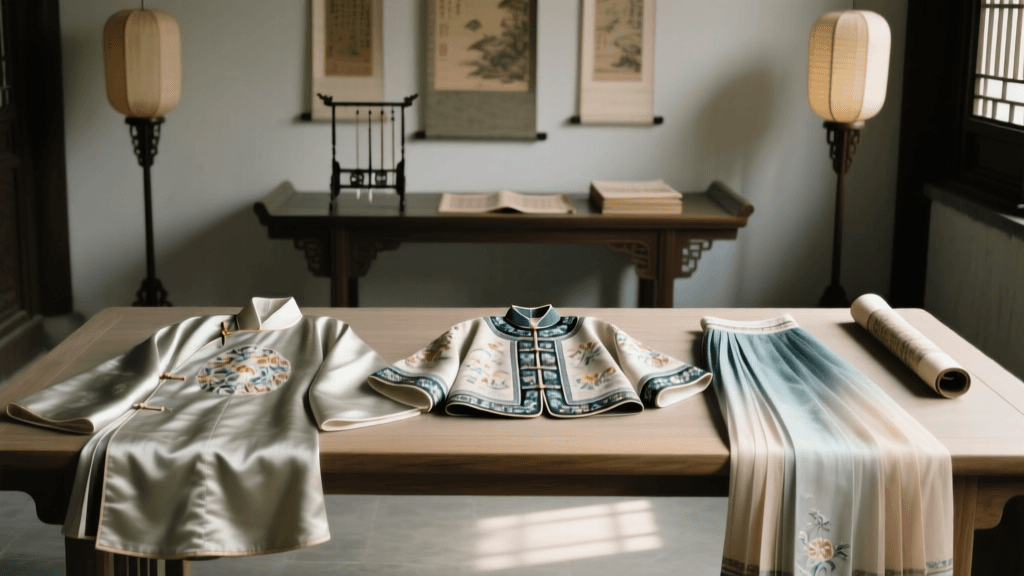
As the global fashion landscape embraces the Xin Zhongshi (New Chinese Style) movement in 2026, the conversation has rightfully expanded beyond the ubiquitous Mamianqun (horse-face skirts) and Song-style jackets to the foundation of the silhouette: traditional Chinese footwear. Once relegated to museum displays or theatrical performances, heritage footwear like the Yuntou Xie (cloud-head shoes) and historic Xuezi (boots) have been reimagined by contemporary artisans. Today, these pieces seamlessly blend centuries-old aesthetics with modern ergonomic engineering, offering a sophisticated way to anchor both avant-garde streetwear and elegant formal attire. Whether you are navigating the cobblestones of a historic district or attending a modern design week, understanding the nuances of traditional Chinese footwear is essential for the culturally conscious wardrobe in 2026.
Decoding the Cloud Shoe (Yuntou Xie)
The Yuntou Xie, instantly recognizable by its dramatically upturned toe, is perhaps the most iconic silhouette in Han Chinese footwear history. The toe, shaped like a Ruyi scepter or a stylized cloud, was originally designed during the Ming Dynasty to prevent the long hems of scholarly and noble robes from dragging in the mud. In 2026, top heritage brands have adapted this historic shape for the modern commuter. While the upper still features exquisite silk brocade or sustainable vegan peace silk, the internal structure now boasts 3D-scanned ergonomic lasts, memory foam insoles, and flexible TPU shanks that provide arch support without compromising the historic profile.
Styling cloud shoes in 2026 requires a balance of proportions. Because the upturned toe draws the eye downward and adds visual weight to the foot, they are best paired with wide-leg trousers, flowing linen skirts, or a tailored Mamianqun that grazes the ankle. Avoid skinny jeans or tapered pants, which can make the footwear look disproportionately large. For a contemporary office look, pair matte black leather cloud shoes with a structured, mandarin-collar blazer and wide-leg wool trousers.
Historic Boots (Xuezi) for the Modern Wardrobe
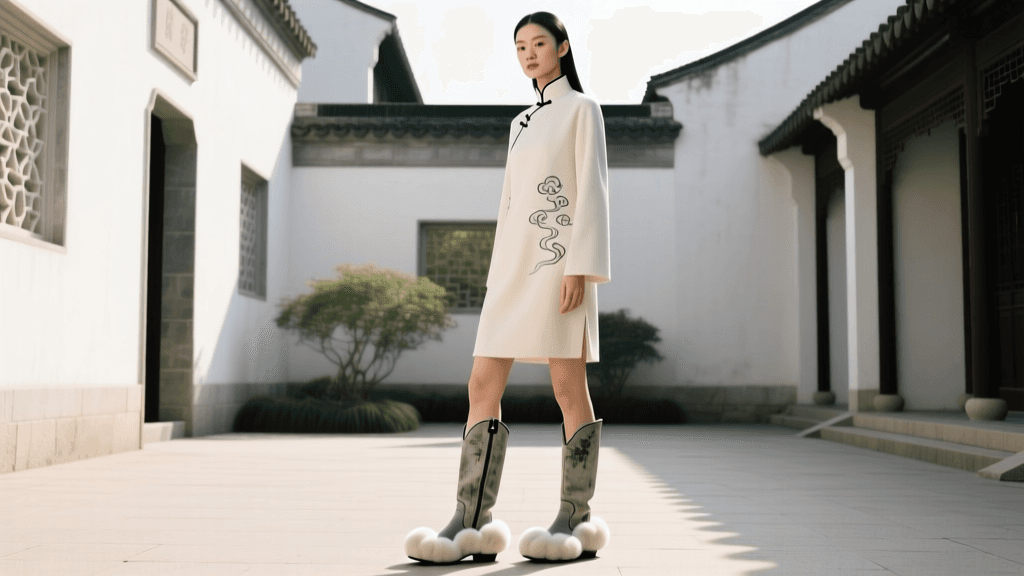
While cloud shoes represent the scholarly and civilian traditions, Xuezi (boots) bring a martial and equestrian edge to traditional Chinese dress. Originating from the nomadic cavalry influences of the Liao, Jin, and Yuan dynasties, boots were later formalized in the Ming and Qing courts. The classic official's boot featured a thick, white layered-paper or leather sole and a black satin upper. In 2026, the 'Wuxia' (martial arts) aesthetic has popularized sleek, embroidered ankle boots that capture this nomadic spirit while remaining practical for urban environments.
Modern Xuezi often feature side zippers hidden beneath traditional fabric toggles, and the soles are crafted from lightweight, shock-absorbing EVA foam rather than heavy stacked paper. To style these boots, lean into the utilitarian roots of the garment. Tuck straight-leg denim or heavy cotton trousers into the shaft of the boot, or wear them with a cropped, quilted jacket inspired by traditional Bazi (eight-character) tailoring. The juxtaposition of rugged boot silhouettes with delicate Su embroidery creates a striking visual tension that defines the 2026 Xin Zhongshi aesthetic.
2026 Footwear Comparison Guide
Choosing the right traditional footwear depends heavily on your intended use, the season, and the formality of your outfit. Below is a structured comparison to help you navigate the current market.
| Footwear Type | Historical Origin | 2026 Modern Adaptation | Best Styling Pairing |
|---|---|---|---|
| Yuntou Xie (Cloud Shoes) | Ming Dynasty Scholars | Flexible TPU soles, peace silk uppers | Mamianqun, wide-leg linen trousers |
| Xuezi (Official Boots) | Liao/Yuan Cavalry & Qing Court | EVA foam soles, hidden side zippers | Straight-leg denim, quilted jackets |
| Gongxie (Embroidered Slippers) | Qing Dynasty Han Women | Indoor/outdoor rubber grips, cotton lining | Tea ceremony wear, casual loungewear |
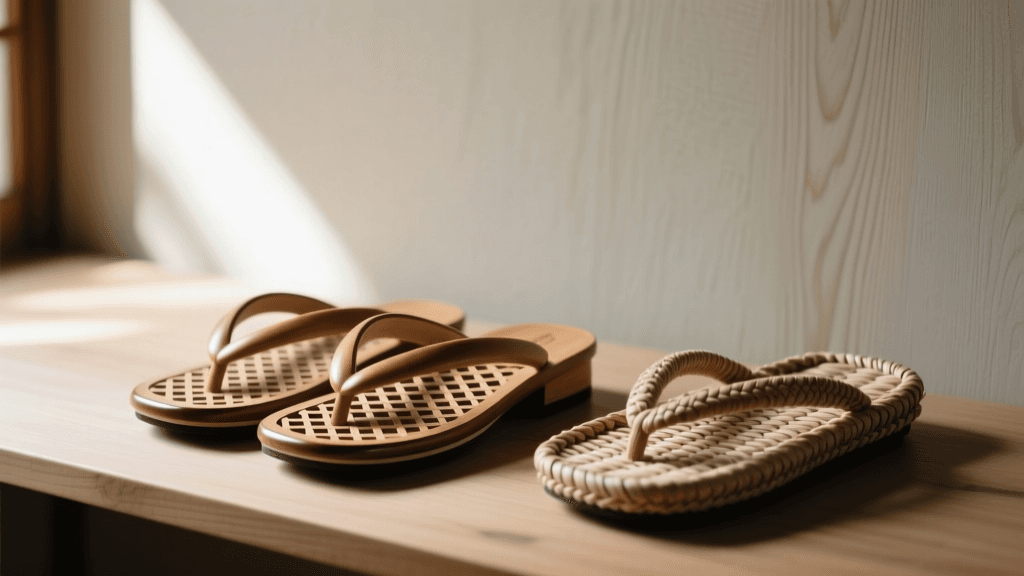
| Mangxie (Straw/Hemp Sandals) | Ancient Agrarian & Monastic | Woven hemp with ergonomic cork footbeds | Summer resort wear, casual hanfu |
Embroidery Motifs and Cultural Significance
The embroidery on traditional Chinese footwear is never merely decorative; it is a language of auspicious wishes and social signaling. When investing in artisanal footwear in 2026, understanding these motifs adds a layer of cultural appreciation to your purchase. The preservation of these intricate textile techniques is vital, and many modern brands source their brocades from regions recognized for their intangible cultural heritage, such as the traditional sericulture and silk weaving craftsmanship documented by UNESCO.
- Bats (Fu): Often embroidered in groups of five around the toe box, representing the Five Blessings (longevity, wealth, health, virtue, and a peaceful death).
- Peonies: The king of flowers, symbolizing wealth, honor, and prosperity. Frequently seen on wedding shoes or festive holiday footwear.
- Lotus: Rising unsullied from the mud, the lotus represents purity, spiritual awakening, and resilience. A popular motif for summer footwear and meditation practice shoes.
- Clouds and Water: Representing the continuous flow of life and good fortune, often used as a background lattice pattern on the heel and vamp of cloud shoes.
Sizing, Fit, and the Traditional Last
One of the most common hurdles for international buyers exploring traditional Chinese footwear is sizing. Historically, Chinese shoes were made on straight lasts, meaning there was no distinction between the left and right foot. Fortunately, 2026 productions almost exclusively utilize anatomical left/right lasts that accommodate the natural splay of the human foot. However, the traditional toe box remains significantly wider and more rounded than Western pointed-toe dress shoes.
When ordering from heritage brands based in Suzhou or Hangzhou, you will typically encounter standard Chinese sizing, which is measured in centimeters (the length of the foot). To convert, measure your foot from heel to the longest toe in centimeters. If you fall between sizes, always size up, as the structured brocade and layered silk uppers require a break-in period and will not stretch like soft calfskin leather. Furthermore, if you plan to wear traditional woven socks (which are thicker than modern cotton socks), account for an extra half-centimeter in your measurement.
Material Sustainability and Artisan Sourcing
The 2026 fashion market places a heavy emphasis on sustainability, and traditional Chinese footwear has adapted beautifully. While antique shoes were crafted using layers of cotton and rice paste for the soles—a technique still preserved by master artisans for ceremonial wear—everyday reproductions now utilize sustainable, biodegradable materials. Brands are increasingly turning to wild tussah silk, recycled PET brocades, and vegetable-tanned leathers. The historical context of these materials is deeply rooted in Asian textile traditions, with institutions like the Victoria and Albert Museum maintaining extensive archives that highlight the evolution of Asian dress and the remarkable durability of historic silk weaves.
When shopping, look for certifications regarding the dyes used in the embroidery threads. Traditional plant-based dyes, such as indigo, madder root, and gardenia yellow, are making a massive comeback. Not only do they offer a softer, more complex patina than synthetic alternatives, but they are also significantly better for the environment and the artisans who hand-dye the threads.
Caring for Silk, Brocade, and Leather
Investing in high-quality traditional footwear requires a commitment to proper maintenance. The structured uppers and delicate embroidery demand specific care routines to ensure longevity.
1. Maintaining the Upturned Toe
The defining feature of the Yuntou Xie is its structural integrity. Never store cloud shoes flat or crushed in a drawer. Invest in custom cedar shoe trees that feature an extended, curved toe block. Cedar naturally absorbs moisture and odors while maintaining the dramatic upward sweep of the Ruyi toe.
2. Cleaning Brocade and Silk
Do not submerge embroidered silk shoes in water. Instead, use a soft-bristled brush (like a horsehair shoe brush) to gently lift dust from the brocade weave. For localized stains, use a barely damp microfiber cloth with a pH-neutral textile cleaner, dabbing gently without rubbing the embroidery threads. Allow them to air dry away from direct sunlight, which can fade natural plant dyes.
3. Leather Boot Maintenance
For Xuezi crafted from leather, apply a light coat of mink oil or a vegan alternative every three months to prevent the leather from cracking at the flex points. Pay special attention to the embroidered panels; mask them with painter's tape before applying any oils or waxes to the surrounding leather to prevent darkening the silk threads.
Conclusion
The integration of traditional Chinese footwear into the 2026 global wardrobe is a testament to the enduring appeal of heritage design. By understanding the historical context of the Yuntou Xie and the Xuezi, respecting the cultural language of their embroidery, and committing to proper garment care, you do more than just elevate your personal style—you participate in the living preservation of Asian sartorial traditions. Whether you are stepping out in cloud shoes or lacing up historic boots, you are walking in the footsteps of centuries, grounded firmly in the modern world.