Bespoke Paulownia Geta & Zori Craft Guide for 2026
The Enduring Legacy of Japanese Footwear
The rhythmic karankoron of wooden geta echoing through a cobblestone alley is one of Japan's most evocative sensory experiences. In 2026, as the global fashion industry pivots heavily toward sustainable, artisanal slow fashion, traditional Japanese footwear—specifically handcrafted geta and zori—has seen a remarkable renaissance. No longer relegated solely to summer festivals or formal ceremonies, bespoke paulownia footwear is being embraced by a new generation of kimono enthusiasts and international collectors who value heritage craftsmanship and functional art.
Anatomy of Geta and Zori: Materials and Craft
The Dai (Base): Paulownia and Hinoki Wood
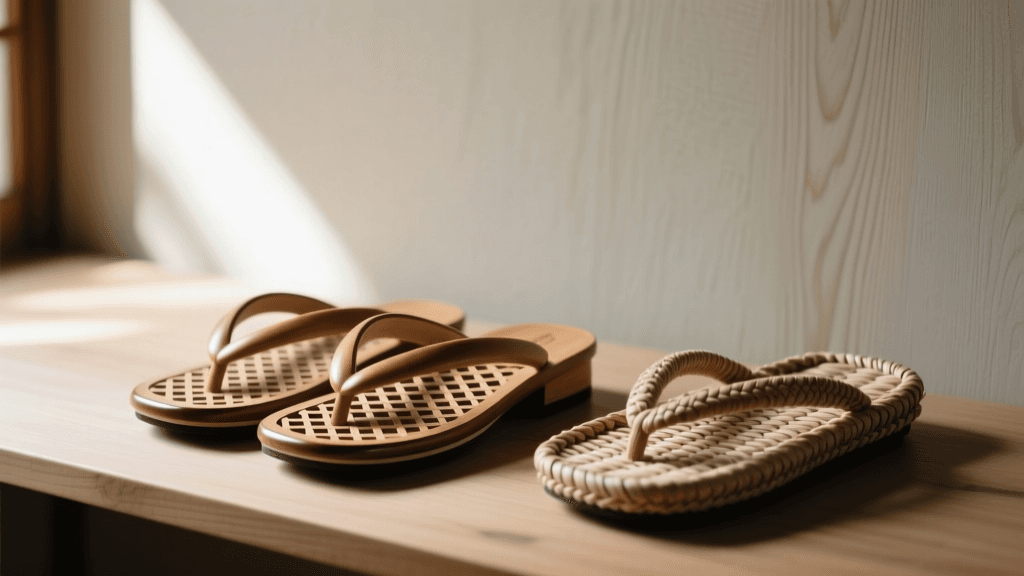
The foundation of any geta or wooden zori is the dai (base). Master artisans predominantly use kiri (paulownia) wood. Paulownia is prized for its lightweight nature, natural water resistance, and beautiful, pale grain. According to the Ministry of Economy, Trade and Industry's Kogei Japan portal, the selection of the wood is a meticulous process; the timber must be aged and dried for several years to prevent warping. For premium zori, hinoki (Japanese cypress) is sometimes used, offering a rich, aromatic scent and exceptional durability.
The Hanao (Thongs): Silk, Cotton, and Velvet
The hanao is the Y-shaped strap that secures the foot. In 2026, there is a massive trend toward upcycling vintage silk kimono fabrics to create bespoke hanao, blending sustainability with luxury. The inner core of the hanao is traditionally made from twisted hemp or cotton cord, providing structural integrity, while the outer layer is wrapped in silk, velvet, or soft cotton. The artisan must carefully adjust the tension of the three anchor points to ensure the footwear molds perfectly to the wearer's arch.
The Omote (Surface): Igusa Rush and Tatami
For zori, the omote (top surface) is where the foot rests. Traditional formal zori are covered in woven igusa (rush grass), the same material used for high-end tatami mats. This provides a breathable, slightly textured surface that absorbs moisture. In recent years, artisans have also begun incorporating woven bamboo sheaths and even recycled paper threads, offering eco-conscious buyers more options without sacrificing the traditional aesthetic.
The Artisan's Bench: Crafting Process in 2026
Crafting a single pair of bespoke geta takes weeks of dedicated labor. The process begins with rough-cutting the paulownia block. The artisan then uses specialized hand planes (kanna) to shape the dai, ensuring the slight upward curve at the toe (the tsumakagari) is perfectly angled for natural walking momentum.
Next, the ha (teeth) of the geta are carved. While some geta are carved from a single block, high-end models feature inserted teeth, joined using traditional mortise and tenon techniques without modern adhesives. The wood is then treated with natural oils or urushi (lacquer) to protect against moisture. Finally, the hanao is threaded using a specialized hook, a step that requires immense finger strength and precision to ensure the straps will not loosen over time.
The Sensory Experience and Zen Philosophy of Walking
Wearing geta is not merely a fashion choice; it is a somatic practice. The elevated teeth force the wearer to engage their core, adjust their center of gravity, and take shorter, more deliberate steps. This naturally aligns the spine and reduces the heavy heel-strike common in modern rubber-soled shoes. In Zen philosophy, mindfulness is rooted in the awareness of one's physical presence in the world. The auditory feedback of the wooden teeth striking the pavement serves as a metronome for walking meditation. In 2026, wellness practitioners and somatic therapists have increasingly highlighted the biomechanical benefits of traditional footwear, noting that the slight instability of the geta strengthens the intrinsic muscles of the foot and ankle, counteracting the atrophy caused by overly supportive modern sneakers.
Comparison Chart: Geta vs. Zori vs. Setta
| Footwear Type | Base Material | Surface / Strap | Best Occasion | Sound Profile |
|---|---|---|---|---|
| Geta | Paulownia / Hinoki Wood | Wood / Silk Hanao | Yukata, Festivals, Casual | Loud, rhythmic (Karankoron) |
| Zori | Paulownia / Cork / EVA | Igusa Rush / Brocade | Formal Kimono, Ceremonies | Soft, muffled |
| Setta | Leather / Wood | Leather / Igusa | Tea Ceremony, Martial Arts | Quiet, grounded |
Sizing and Ordering Bespoke Footwear
Unlike Western footwear, traditional Japanese sandals are designed to be slightly smaller than the foot. The golden rule of sizing is that the heel should overhang the back of the dai by 1 to 2 centimeters. This overhang prevents the heel from striking the back edge of the wood while walking, which can cause the hanao to snap and disrupts the elegant posture required for kimono wearing.
In 2026, ordering bespoke footwear online has become highly streamlined. Artisans in Tokyo's Asakusa district and Kyoto's Gion district now offer digital foot-mapping services. Buyers submit a tracing of their foot alongside their arch height, and the artisan custom-carves the dai to match the exact contour of the wearer's sole. Pricing for bespoke, hand-carved paulownia geta typically ranges from ¥35,000 to ¥85,000 ($230 to $560 USD), depending on the complexity of the lacquerwork and the rarity of the silk used for the hanao.
Care, Maintenance, and Hanao Replacement
To ensure your geta and zori last a lifetime, proper maintenance is essential. The paulownia wood should be lightly sanded with fine-grit sandpaper once a year to remove surface stains and reveal the fresh, fragrant wood beneath. If your geta feature urushi lacquer, simply wipe them with a damp cloth and dry immediately.
The hanao is considered a consumable part of the footwear. Even with the highest quality silk, the friction of walking will eventually cause wear, particularly at the thong point between the toes. Fortunately, a core tenet of Japanese craft is repairability. Most traditional footwear shops offer hanao replacement services, allowing you to completely refresh the look of your geta or zori for a fraction of the cost of a new pair.
Styling Traditional Footwear with Modern Wardrobes
While geta and zori are inherently tied to the kimono and yukata, 2026 fashion trends have seen a surge in styling them with contemporary, minimalist clothing. A pair of low-profile, unlacquered paulownia geta paired with wide-leg linen trousers or a flowing maxi skirt creates a striking silhouette that bridges East and West. The elevation provided by the geta's teeth not only adds height but also encourages a straighter spine and a more deliberate, mindful gait—a physical manifestation of Zen philosophy in everyday movement.
Conclusion
The craft of geta and zori is a testament to Japan's dedication to functional beauty. As we navigate 2026, supporting the master artisans who keep these woodworking and weaving traditions alive ensures that the iconic karankoron will continue to resonate for generations to come. Whether you are attending a summer matsuri or simply seeking a mindful, sustainable addition to your wardrobe, investing in handcrafted Japanese footwear is a step into living history. For more insights into traditional Japanese garments and styling, consult resources like the Japan National Tourism Organization or local heritage craft guilds.