2026 Hanfu Storage Rotation & Seasonal Care Guide
The Evolution of the Hanfu Wardrobe in 2026
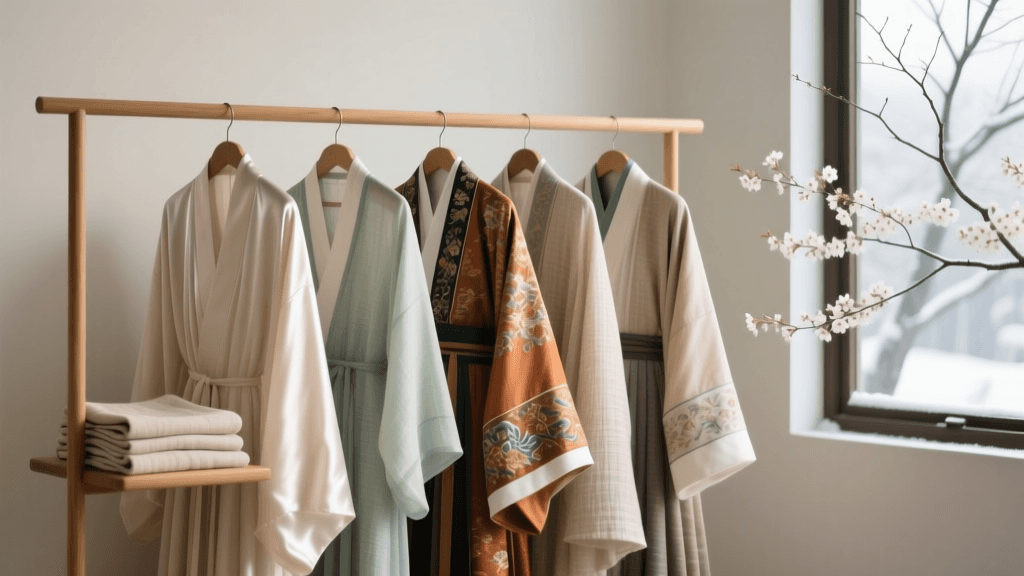
As we navigate through 2026, the Hanfu movement has transitioned from a niche historical reenactment hobby into a mainstream pillar of global fashion, heavily influencing the Xin Zhongshi (new Chinese style) aesthetic. Modern enthusiasts and collectors now possess expansive, multi-seasonal wardrobes. From delicate Song dynasty-inspired summer gauze (Luo) to heavy Ming dynasty winter brocades and fur-lined Aoqun (jacket and skirt sets), the diversity of fabrics requires a meticulous approach to preservation. Proper storage and seasonal rotation are no longer just about keeping clothes tidy; they are essential practices for protecting significant cultural and financial investments. In this comprehensive 2026 guide, we explore museum-grade techniques adapted for the modern home, ensuring your traditional garments remain pristine for generations.
The Science of Hanfu Textiles
Before establishing a rotation schedule, it is crucial to understand the material science behind traditional Chinese garments. According to the Metropolitan Museum of Art's Heilbrunn Timeline of Art History, Chinese silk production has evolved over millennia, resulting in highly specialized protein fibers that are incredibly sensitive to environmental fluctuations. Mulberry silk, the most common base for Hanfu, is prone to photodegradation (yellowing and weakening from UV light) and is a primary target for protein-eating pests like clothes moths and carpet beetles.
Conversely, summer Hanfu often utilizes Ramie or Linen. These cellulose-based fibers are highly breathable but susceptible to hard, permanent creases if folded improperly, and they can develop mildew if stored in high-humidity environments without adequate airflow. Winter formal wear frequently features Zhuanghua (cosmetics brocade) or gold-thread weaving. The metallic threads in these garments can tarnish or oxidize when exposed to sulfur compounds in the air or acidic storage materials, requiring highly specialized archival environments.
The 2026 Smart Wardrobe Ecosystem
The integration of smart home technology has revolutionized garment preservation in 2026. Enthusiasts are now utilizing Wi-Fi-enabled micro-climate sensors placed directly inside cedar wardrobes and archival storage boxes. These smart hygrometers sync with smartphone applications, sending real-time alerts if the relative humidity (RH) drops below the critical 40% threshold (which causes silk fibers to become brittle) or spikes above 60% (which invites mold and silverfish). Furthermore, UV-C sanitizing wands have become a staple in the modern Hanfu care kit, allowing collectors to safely eliminate surface bacteria and dormant pest eggs from heavy winter coats before packing them away, without the use of harsh chemical sprays that could degrade delicate dyes.
The Seasonal Rotation Calendar
A disciplined rotation schedule prevents garments from sitting in stagnant conditions for too long. In 2026, the standard rotation follows the lunar and meteorological shifts:
Spring Transition (Late March to Early April)
- Retire Winter Gear: Heavy velvets, wool-lined Ao, and faux-fur trimmed Pifeng (capelets) must be professionally dry-cleaned or gently spot-cleaned and aired out.
- Inspect for Pests: Before sealing winter items in storage bins, inspect the seams and armpits for signs of moth activity.
- Deploy Summer Fabrics: Bring out Ramie, linen, and lightweight silk chiffon. Steam gently to remove storage wrinkles.
Autumn Transition (Late October to Early November)
- Retire Summer Gear: Wash or dry-clean all summer garments. Body oils and sweat left on cellulose fibers (linen/ramie) will oxidize and cause permanent yellow stains over the winter.
- Prepare Winter Layers: Air out heavy brocades and Ming-style Mamianqun (horse-face skirts). Check the structural integrity of metallic threads and heavy embroidery.
Essential Storage Materials and Tools
The Victoria and Albert Museum's conservation guidelines emphasize that improper storage materials cause more damage to historical textiles than age itself. In 2026, collectors must strictly avoid PVC or standard plastic garment bags, which off-gas volatile organic compounds (VOCs) and trap moisture. Instead, utilize unbleached, washed cotton garment bags that allow the fabric to breathe. For folding, acid-free, unbuffered tissue paper is mandatory. Stuffing the sleeves, bodices, and pleats with tissue paper prevents hard creases that can eventually lead to fiber splitting along the fold lines. Natural cedarwood blocks are excellent for pest deterrence, but they must be sanded annually to maintain their efficacy and should never touch the silk directly, as cedar oils can stain.
Comprehensive Fabric Care & Storage Matrix
| Fabric Type | Ideal Humidity (RH) | Storage Method | Cleaning Protocol | Pest Deterrent |
|---|---|---|---|---|
| Mulberry Silk (Standard) | 45% - 55% | Folded with acid-free tissue in cotton bags | Specialist dry clean or gentle hand wash | Cedar blocks (wrapped in muslin) |
| Xiangyunsha (Gambiered Silk) | 50% - 60% | Hung on padded hangers or loosely rolled | Wipe with damp cloth; avoid alkaline soaps | Natural camphor (kept away from fabric) |
| Ramie / Linen | 40% - 50% | Rolled on archival tubes to prevent creasing | Machine wash (gentle) or hand wash | Lavender sachets |
| Gold-Thread Brocade | 45% - 50% | Flat storage in archival boxes; never hang | Spot clean only; professional conservation | Climate-controlled sealed environments |
Special Focus: Xiangyunsha (Gambiered Guangdong Silk)
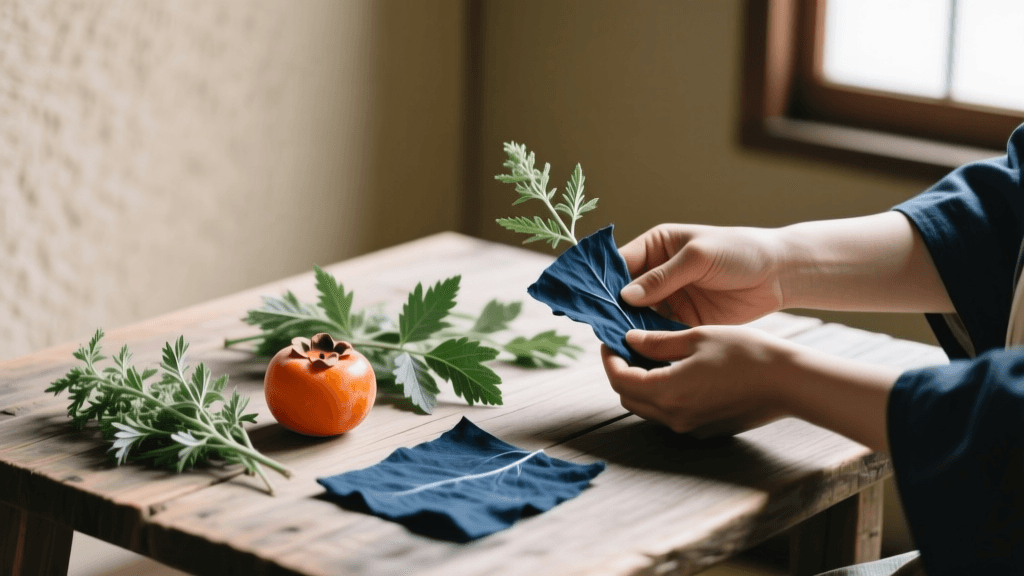
Xiangyunsha is a unique intangible cultural heritage textile, dyed with the juice of the Dioscorea cirrhosa tuber and coated in iron-rich river mud. This process creates a distinctive crackling sound and a dual-toned appearance. According to the Canadian Conservation Institute, specialized natural fibers require highly stable environmental conditions. Xiangyunsha is unique because it actually softens and improves with body heat and wear, but it can develop permanent micro-cracks if stored in excessively dry environments (below 40% RH). Never fold Xiangyunsha tightly; the mud-coated fibers will fracture along the crease. Instead, roll the garments around acid-free cardboard tubes or hang them on wide, padded hangers in a shaded, climate-controlled closet.
Preserving the Mamianqun Pleats
The Ming dynasty Mamianqun (horse-face skirt) is a staple of the modern Hanfu wardrobe, characterized by its flat front and back panels with heavily pleated sides. Storing these skirts flat in a drawer will eventually cause the pleats to lose their structural memory and sag. In 2026, the recommended museum-standard practice for home collectors is the 'accordion roll' method. Lay the skirt flat, align the pleats perfectly, and gently roll the skirt from one side to the other around a padded, acid-free tube. Store the rolled skirt horizontally in a breathable cotton box. If you must hang the skirt, use a hanger with multiple padded clips, ensuring the clips grip the sturdy waistband and not the delicate silk body, to avoid stretching the fabric over time.
The Modern Shaiyi (Airing) Tradition
Historically, the tradition of Shaiyi (晒衣) involved bringing out stored garments to air and sun them on the sixth day of the sixth lunar month to prevent mold and moths. While the principle remains vital in 2026, the execution has changed. Direct UV radiation is highly destructive to natural dyes and silk proteins. Modern Shaiyi involves hanging garments in a well-ventilated, shaded area—such as a screened-in balcony or a room with UV-filtering window films—on a dry, breezy day. This allows the fibers to release trapped moisture and odors without exposing the garments to the harsh, fading effects of direct sunlight. Utilizing a gentle oscillating fan can help simulate the necessary airflow if outdoor conditions are too humid or polluted.
Conclusion
As the appreciation for traditional Asian garments continues to grow globally, the responsibility of preserving these textiles falls on the modern collector. By combining ancient wisdom, like the Shaiyi airing tradition, with 2026's smart climate-monitoring technology and archival-grade storage materials, you can ensure that your Hanfu collection remains vibrant, structurally sound, and historically respectful. Whether you are storing a lightweight summer Beizi or a heavy winter brocade coat, treating your garments with museum-level care guarantees they will continue to tell their cultural stories for decades to come.