Kimono Milestones: 2026 Guide to Life Stage Garments
The Kimono as a Wearable Timeline
In Japanese culture, the kimono is far more than a beautiful garment; it is a wearable timeline that marks the most significant transitions in a person’s life. From early childhood blessings to coming-of-age ceremonies, weddings, and elder milestones, the style, color, and sleeve length of a kimono communicate the wearer’s exact life stage to the world. As we navigate the fashion landscape of 2026, the intersection of traditional craftsmanship and modern sustainability has breathed new life into these age-old customs. According to the Victoria and Albert Museum’s extensive kimono archives, the garment has always been a dynamic reflection of social status and age, a principle that remains fiercely protected in modern Japan.
For both locals and the record-breaking influx of cultural tourists visiting Japan in 2026, understanding the nuances of life-stage kimono is essential. Whether you are researching for a cultural expedition, planning to participate in a local festival, or simply seeking a deeper appreciation of Asian textile traditions, this comprehensive guide breaks down the kimono garments associated with every major age milestone, complete with 2026 rental costs and styling trends.
Shichi-Go-San (Ages 3, 5, and 7): Childhood Blessings
Held annually on November 15th, the Shichi-Go-San (Seven-Five-Three) festival celebrates the growth and health of young children. The garments worn during this milestone are specifically tailored to the child's age and gender, reflecting historical beliefs about childhood mortality and spiritual protection.
- Age 3 (Boys and Girls): Toddlers wear a vibrant, brightly colored kimono paired with a hifu—a padded silk vest that makes the outfit comfortable and easy to move in. In 2026, parents are increasingly renting lightweight, washable polyester-silk blends for toddlers to manage the inevitable spills and tears of festival day.
- Age 5 (Boys): Five-year-old boys don their first formal haori (jacket) and hakama (pleated trousers). The 2026 trend leans heavily toward bold, geometric family crests (kamon) and deep indigo or charcoal dyes, moving away from the overly bright primary colors of the early 2010s.
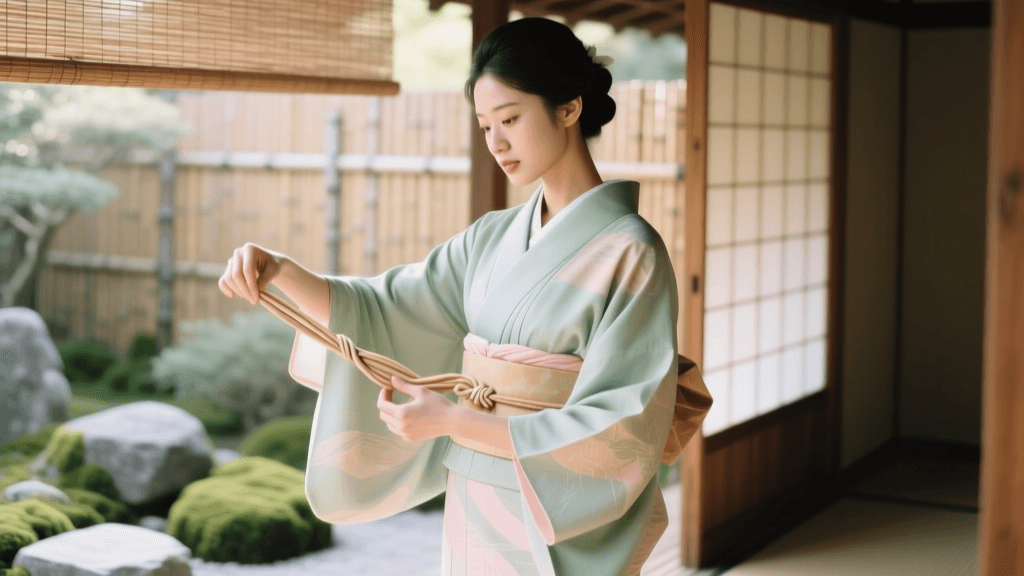
- Age 7 (Girls): Seven-year-old girls transition from the simple tied sashes of their younger years to wearing a real obi (sash), tied in a decorative knot at the back. This marks their first step into the complex world of adult kimono dressing.
For visitors and expats in 2026, renting a Shichi-Go-San package for children typically costs between ¥10,000 and ¥18,000. Many Kyoto-based rental shops now offer multi-lingual AI dressing assistants via tablet to help foreign parents understand the layering process.
Seijin no Hi (Age 20): Coming of Age Day
While Japan officially lowered the legal age of adulthood to 18 in 2022, the cultural and sartorial traditions of Seijin no Hi (Coming of Age Day) remain firmly anchored at age 20. Celebrated on the second Monday of January, this is perhaps the most visually spectacular kimono event of the year.
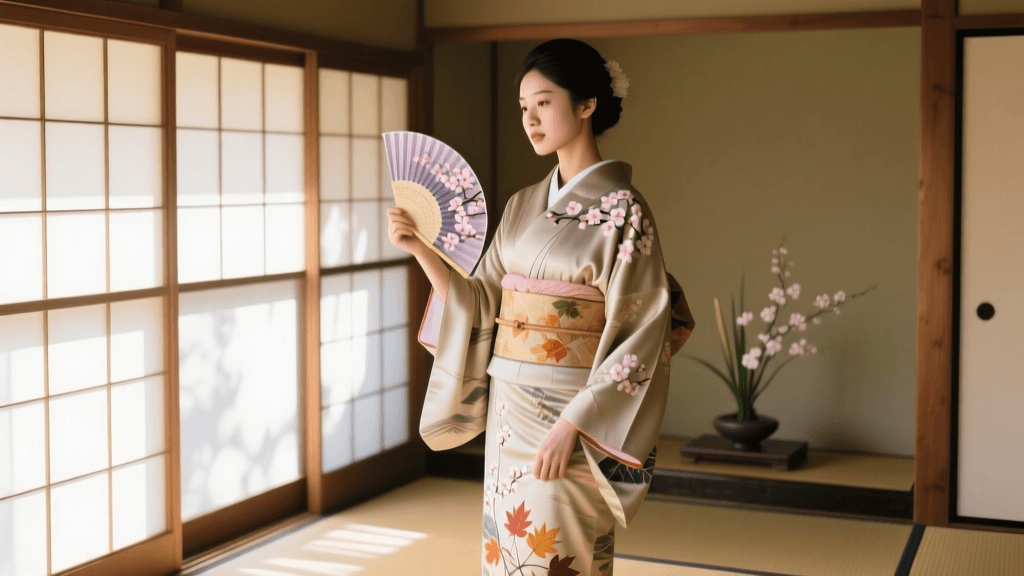
Young women celebrate by wearing the furisode, a formal kimono characterized by its dramatically long, swinging sleeves. The length of the sleeve dictates the formality: the ofurisode (large sleeves, approx. 114cm) is the most formal, while the chufurisode (medium sleeves, approx. 100cm) is the most popular choice for 20-year-olds. As noted by the Japan Guide’s comprehensive kimono overview, the furisode is exclusively reserved for unmarried young women, serving as a visual cue of their eligibility and youth.
The 2026 Furisode Trend: Gen Z adults in 2026 are driving a massive shift toward 'retro-modern' aesthetics. Rather than purchasing brand-new, mass-produced synthetic silks, there is a surging demand for upcycled, vintage Taisho-era (1912-1926) silk furisode. These antique garments are being restored by Kyoto artisans, offering a sustainable, one-of-a-kind alternative that honors the environment while respecting tradition. A full 2026 rental package—including the furisode, obi, zori sandals, hair styling, and professional dressing—averages ¥35,000 to ¥60,000.
Young men traditionally wear a formal black haori and hakama ensemble, though by 2026, over 70% of young men opt for Western business suits for the official ceremony, reserving the hakama for post-ceremony shrine visits and photo sessions.
Weddings (20s-30s): The Pinnacle of Formal Wear
A traditional Shinto wedding requires the most elaborate and expensive garments in the Japanese lifecycle. For the bride, the ceremony begins with the Shiromuku, a pure white ensemble symbolizing purity and the bride's willingness to be 'dyed' in the colors of her new family. This involves multiple layers of white silk undergarments, a white outer robe, and a wataboshi (white silk hood) or tsunokakushi (ornate headpiece).
Following the ceremony, the bride changes into an Iro-uchikake, a heavily padded, brightly colored outer robe adorned with intricate gold and silver embroidery, often featuring cranes, pine trees, and cherry blossoms to symbolize longevity and prosperity. In 2026, destination weddings in historic Kyoto machiya townhouses have pushed the lead time for securing high-end, authentic silk Iro-uchikake rentals to six or even eight months in advance. Full bridal kimono packages in 2026 range from ¥150,000 to over ¥400,000, reflecting the immense labor required for the embroidery and the specialized dressing techniques.
Kanreki (Age 60) and Beyond: Elder Milestones
Japanese culture places deep respect on longevity, and specific garments are associated with milestone birthdays in a person's later years. The most famous is Kanreki, the 60th birthday, which marks the completion of the traditional 60-year zodiac cycle and the beginning of a new one.
To celebrate this 'rebirth,' the honoree wears a chanchanko—a red, sleeveless, padded vest—along with a red zukin (hood). The color red is historically believed to ward off evil spirits and symbolizes the vitality of a newborn baby. While wearing the full traditional chanchanko was once mandatory, 2026 celebrations often see elders incorporating red silk scarves, red haori jackets, or modern red knitwear as a subtle, stylish nod to the tradition while enjoying dinner with extended family.
Subsequent milestones include Koki (70th birthday), where purple is the favored color, and Beiju (88th birthday), which utilizes gold or yellow hues to represent the harvest and wealth of a long life well-lived.
2026 Kimono Rental & Purchase Comparison Chart
| Life Stage / Milestone | Age | Primary Garment | 2026 Avg. Rental Cost (JPY) | Booking Lead Time |
|---|---|---|---|---|
| Shichi-Go-San (Child) | 3, 5, 7 | Hifu / Haori & Hakama | ¥10,000 - ¥18,000 | 1 - 2 Months |
| Seijin no Hi (Adult) | 20 | Furisode (Women) | ¥35,000 - ¥60,000 | 3 - 6 Months |
| Traditional Wedding | 20s - 30s | Shiromuku / Iro-uchikake | ¥150,000 - ¥400,000+ | 6 - 12 Months |
| Kanreki (Elder) | 60 | Red Chanchanko | ¥5,000 - ¥12,000 | 2 - 4 Weeks |
Practical Advice for 2026 Travelers and Expats
If you are planning to rent or purchase a kimono to participate in these cultural milestones in 2026, preparation is key. The post-pandemic tourism boom has fully stabilized, meaning top-tier kimono salons in Tokyo’s Asakusa district and Kyoto’s Higashiyama ward operate on strict reservation systems.
Pro-Tip for 2026: Many premier kimono rental shops now utilize AI-driven virtual fitting mirrors. By uploading your exact height, shoulder width, and hip measurements via the shop's secure portal weeks in advance, the salon will pre-select garments that fit your unique proportions, eliminating the discomfort of poorly sized tourist-grade kimono.
Furthermore, when attending formal milestones like Seijin no Hi or a wedding as a guest, always adhere to the rule of modesty. Necklines should be crossed tightly in a V-shape at the nape, and hems must graze the ankle bone. Avoid wearing Western jewelry, as the silk and the obi should remain the undisputed focal points of your silhouette. By respecting these deeply ingrained sartorial codes, you not only honor the host and the occasion but also participate in the living, breathing continuation of Asia’s most exquisite textile traditions.