Hanfu Secondhand Market 2026: Vintage Collecting & Resale Guide
The Rise of the Circular Hanfu Economy in 2026
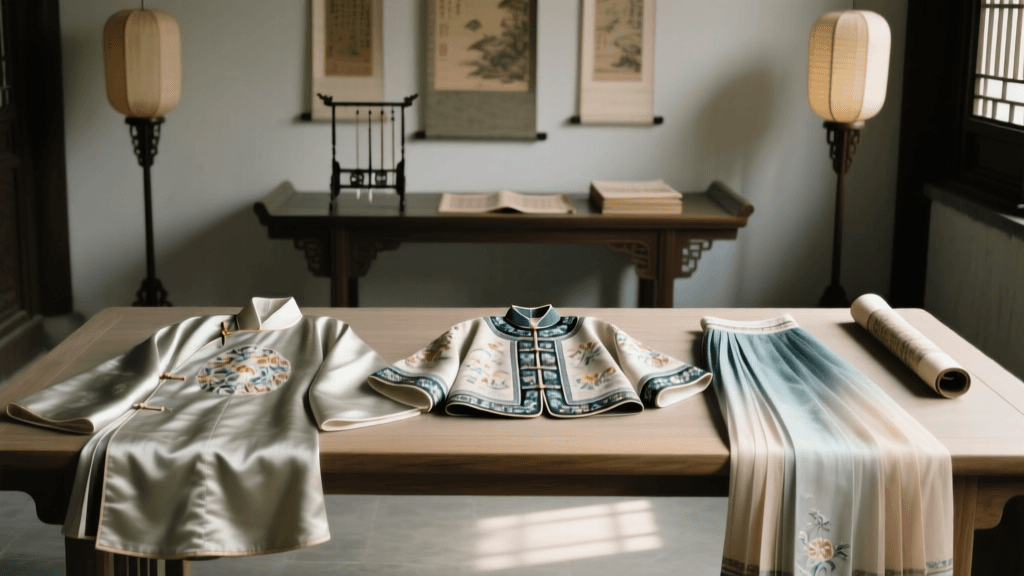
The traditional Chinese garment market has experienced a monumental shift over the last decade. As we navigate 2026, the Hanfu movement is no longer defined solely by the purchase of brand-new, mass-produced garments. A robust, highly organized secondhand and vintage resale market has emerged, driven by sustainability concerns, the desire for discontinued indie-brand pieces, and a growing interest in historical textile collecting. The circular Hanfu economy allows enthusiasts to acquire high-quality silk, brocade, and linen pieces at accessible price points while preserving the lifecycle of these intricate garments. Whether you are a seasoned collector hunting for early revivalist prototypes or a newcomer looking for a gently used Ming-style Mamianqun (horse-face skirt), understanding the nuances of the 2026 resale landscape is essential for making informed, culturally respectful purchases.
Navigating Secondhand Platforms for Traditional Garments
Finding authentic secondhand Hanfu requires knowing where the community congregates. In China, Xianyu (Idle Fish) remains the undisputed king of the circular fashion economy. By 2026, Xianyu has integrated advanced AI image recognition that helps buyers identify specific Hanfu brands, weaving techniques, and estimated market values based on current trends. However, navigating Xianyu requires a proxy shopping service if you are based outside of mainland China. For international buyers, platforms like Depop, Grailed, and specialized Facebook groups (such as the Global Hanfu Marketplace) have become vital hubs. These international platforms often feature sellers who provide English descriptions, international shipping, and detailed measurements. When purchasing through community forums or Discord servers, always use protected payment methods like PayPal Goods and Services to guard against scams, a necessary precaution in any niche collector's market.
Vintage vs. Modern Reproduction: Authentication and History
A common misconception among newcomers is that the secondhand market is flooded with genuine Ming or Song dynasty antiques. In reality, true historical garments are incredibly fragile, highly regulated, and belong in museums or private archival collections. The vintage Hanfu market in 2026 primarily consists of three historical categories: early 2000s revivalist pieces (the dawn of the modern Hanfu movement), 1980s and 1990s cinematic and stage costumes, and discontinued runs from prestigious modern heritage brands like Ming Hua Tang or Shisan Yu.
Understanding the historical baseline of Chinese dress is crucial for collectors evaluating these pieces. According to the Victoria and Albert Museum's Asian collections, the structural integrity, weaving techniques, and silhouette proportions of historical garments provide a benchmark for evaluating the accuracy of modern revivalist pieces and early vintage reproductions. When authenticating a vintage piece, examine the internal seams. Early revivalist Hanfu often features modern machine serging on the inside, whereas high-end heritage brands utilize traditional flat-felled seams and hand-finished edges.
Furthermore, the appreciation for authentic materials is deeply rooted in traditions recognized by UNESCO's Intangible Cultural Heritage list on Chinese sericulture. Vintage pieces crafted with traditional silk-weaving techniques, such as Zhuanghua or Yunjin brocade, command a massive premium on the 2026 resale market due to the rarity of the artisanal skills required to produce them. Collectors must also be wary of 'Shan Zhai' (knockoffs). In the secondhand market, verifying the original brand tag and cross-referencing the seller's photos with official brand archives from the year of release is the gold standard for authentication.
Hanfu Condition Grading and Pricing Matrix
To standardize transactions, the 2026 Hanfu resale community has adopted a strict condition grading system. This matrix helps buyers and sellers align on pricing expectations based on the garment's physical state.
| Condition Grade | Description | Market Value Impact (2026) | Recommended Action |
|---|---|---|---|
| Mint (NWT) | New with tags, unworn, original packaging intact. | 100% - 120% of retail (for discontinued brands) | Archive or sell at a premium to serious collectors. |
| Excellent | Worn once or twice, no visible flaws, tags may be removed. | 75% - 90% of original retail price | Ideal for buyers seeking high-end brands at a slight discount. |
| Good | Light wear, minor snags or faint makeup stains on collar. | 50% - 70% of original retail price | Wear with care; spot clean stains before listing for resale. |
| Fair | Noticeable wear, loose embroidery threads, faded natural dyes. | 30% - 50% of original retail price | Best for casual wear or cosplay; requires gentle hand-washing. |
| Poor / Study | Major tears, shattered silk, missing panels, strong odors. | 10% - 20% (Sold for scrap fabric or study) | Upcycle into accessories or use for textile reference. |
Best Practices for Caring for Secondhand Silk and Brocade
Acquiring a vintage or secondhand Hanfu is only the first step; preserving it requires meticulous care. Many secondhand pieces arrive with the scent of mothballs, camphor, or prolonged storage. Avoid the temptation to toss delicate silks into a washing machine. Instead, soak the garment in cold water with a pH-neutral detergent designed for protein fibers. Because many traditional Hanfu pieces utilize natural eco-friendly dyes like indigo or madder root, color bleeding is a significant risk. Always use color-catcher sheets during the first wash of a secondhand garment to prevent dye migration.
For rare, early-revival silk garments, proper conservation is paramount. Conservators often refer to guidelines similar to those used for the Metropolitan Museum of Art's textile archives, emphasizing strict climate control, avoidance of direct sunlight, and the use of acid-free storage materials to prevent silk shattering and dye degradation.
When storing your collected Hanfu, never use wire hangers, which will distort the shoulder seams and cause permanent creasing. Use padded, wide-shoulder hangers for tops (Shan and Ao), and fold heavy skirts (Mamianqun) with acid-free tissue paper stuffed into the pleats to maintain their structural sharpness. Store the garments in breathable cotton garment bags in a cool, dark closet, accompanied by natural cedar blocks rather than chemical mothballs, which can degrade natural dyes and weaken silk fibers over time.
Selling Your Hanfu: Tips for Resellers
If you are looking to fund your next acquisition by selling pieces from your collection, presentation is everything. The 2026 buyer expects transparency and high-resolution imagery. Always photograph the garment on a dress form or as a meticulously styled flat-lay on a neutral background. Include close-up macro shots of the embroidery, the fabric weave, and the brand tag to prove authenticity and highlight the craftsmanship.
Crucially, you must provide exact flat measurements. The Hanfu sizing system differs vastly from modern Western clothing. You must list the shoulder width, pit-to-pit (bust), sleeve length (measured from the center back neck to the cuff, as traditional sleeves are cut in one piece with the bodice), and total length. Disclose all flaws honestly. A small snag in a brocade skirt or a faint makeup stain on a collar will not necessarily ruin a sale, but hiding these flaws will result in returns, negative feedback, and a damaged reputation within the tight-knit Hanfu community. By fostering trust and celebrating the history of these garments, you contribute to the vibrant, sustainable ecosystem of the 2026 Hanfu secondhand market.