Styling the Japanese Haori Over Modern Tailoring 2026
The Resurgence of the Haori in 2026 Global Fashion
The global fashion landscape of 2026 has firmly embraced cross-cultural layering, moving past fleeting trends into a deep, respectful appreciation of heritage garments. Among the most versatile and striking pieces to transition from traditional Asian wardrobes into contemporary global closets is the Japanese haori. Originally worn as a formal outer layer over the kimono, the haori has evolved into a sophisticated statement piece that bridges the gap between historical craftsmanship and modern silhouettes. Whether draped over a structured merino turtleneck in a corporate setting or thrown over heavyweight denim for elevated streetwear, the haori offers an unstructured, fluid elegance that rigid Western tailoring often lacks.
In 2026, the shift towards relaxed, gender-fluid tailoring and artisanal textiles has positioned the haori as a must-have layering piece. Designers and style enthusiasts are no longer treating traditional Asian garments as mere costume elements; instead, they are integrating them as high-end textile investments. This guide will explore how to seamlessly mix the traditional Japanese haori with modern wardrobes, providing actionable outfit formulas, fabric matrices, and essential care tips for the contemporary wearer.
Understanding the Haori: Anatomy and Heritage
To style the haori correctly and respectfully, one must first understand its construction and historical context. According to The Metropolitan Museum of Art, the haori is a hip- or thigh-length jacket worn over the kimono. Unlike the kimono, which wraps tightly across the body and is secured with an obi sash, the haori is designed to hang open, showcasing the layers beneath and the intricate lining hidden within its sleeves.
Key anatomical features of the haori include:
- The Collar (Eri): Typically thinner and more structured than a kimono collar, meant to frame the neck and the layers underneath.
- The Sleeves (Sode): Often featuring a deep, open pocket at the back of the sleeve, historically used to carry small items like fans or folded papers.
- The Ties (Haori Himo): Two small loops on the inner lapels where a decorative braided cord is attached. In modern styling, these cords are often removed to maintain a cleaner, more minimalist lapel line when worn over Western clothing.
- The Lining (Uraji): Vintage and artisanal haori frequently feature stunning, hand-painted silk linings that are revealed only when the wearer moves or gestures, adding a subtle element of surprise and luxury.
The 2026 Haori Fabric and Styling Matrix
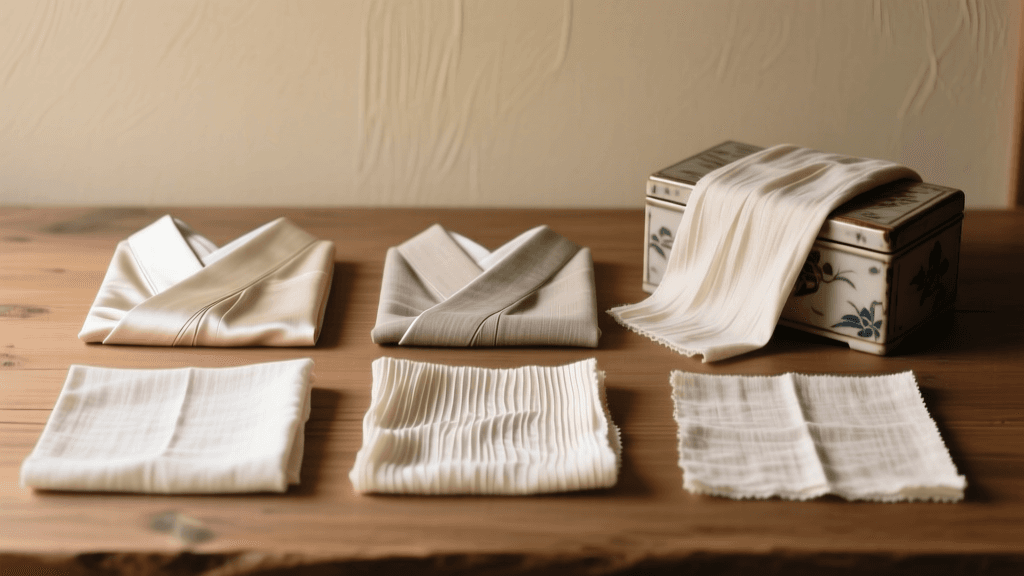
Choosing the right fabric is critical when integrating a haori into a modern wardrobe. The textile dictates the formality, the drape, and the appropriate seasonal pairing. Below is a comprehensive guide to the most common haori fabrics and how to style them in 2026.
| Fabric Type | Formality Level | Best Modern Pairing | 2026 Trend Status |
|---|---|---|---|
| Silk Crepe (Tsumugi) | High / Formal | Merino turtlenecks, wide-leg wool trousers, leather loafers | Highly sought after for quiet luxury aesthetics |
| Cotton Kasuri (Ikat) | Casual / Everyday | Heavyweight white tees, raw selvedge denim, chunky sneakers | Staple in artisanal streetwear and workwear hybrids |
| Linen / Hemp Blend | Smart Casual / Resort | Unstructured linen shirts, tailored shorts, suede moccasins | Dominant in spring/summer transitional layering |
| Wool / Cashmere Mix | Business / Winter | Flannel suits, cashmere rollnecks, Chelsea boots | Emerging as a modern alternative to the overcoat |
Outfit Formula 1: The Business Casual Hybrid
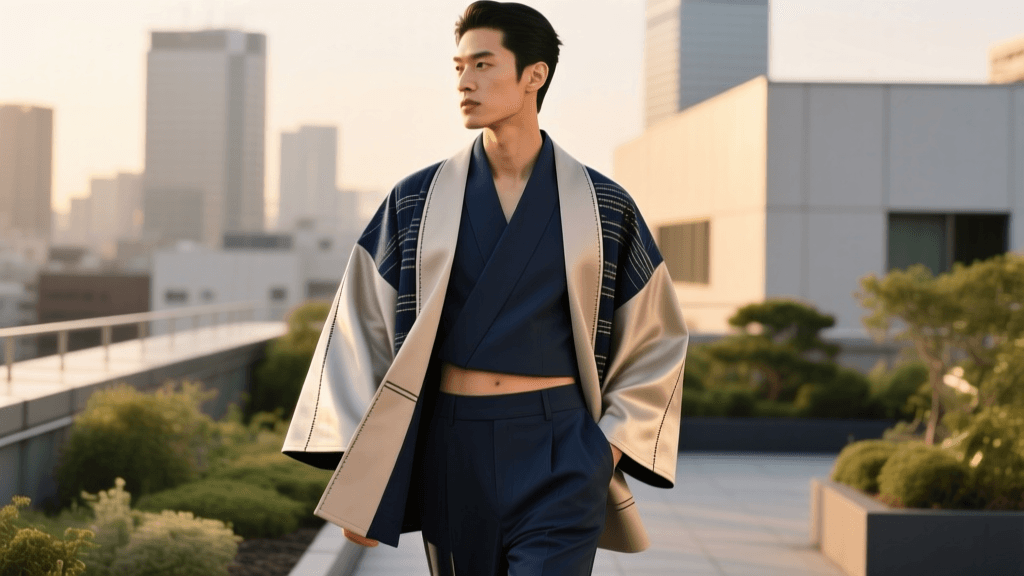
The modern business casual dress code in 2026 has largely abandoned the rigid blazer in favor of fluid, unstructured outerwear. The silk haori is perfectly suited for this environment, offering the gravitas of a suit jacket with the comfort of a cardigan.
The Formula:
- Base Layer: A fine-gauge charcoal or navy merino wool turtleneck. The high neck mirrors the high collar of traditional Japanese under-layers, providing a clean canvas for the haori’s lapels.
- The Haori: A muted, solid-colored silk crepe haori (such as deep forest green, slate grey, or midnight blue). Avoid overly loud, tourist-style souvenir prints. Opt for subtle woven patterns or a solid exterior that hides a vibrant, hand-painted silk lining.
- Trousers: High-waisted, single-pleated wool trousers with a wide leg and a slight break. The volume of the trousers balances the boxy, cropped silhouette of the haori.
- Footwear: Polished leather penny loafers or split-toe derby shoes. Avoid athletic sneakers, which clash with the formality of the silk.
- Styling Note: Remove the traditional haori himo (ties). Allow the jacket to hang completely open, creating long, vertical lines that elongate the torso.
Outfit Formula 2: Elevated Streetwear and the Noragi Crossover
Streetwear in 2026 continues to draw heavily from global workwear and traditional utility garments. The cotton kasuri haori, and its close cousin the noragi (a traditional Japanese farmer’s jacket), are ideal for creating textured, rugged, yet highly refined street outfits.
The Formula:
- Base Layer: A heavyweight, boxy-fit cotton t-shirt in off-white or faded black. The thick collar of the tee provides structure against the soft cotton of the jacket.
- The Haori/Noragi: A mid-thigh length cotton kasuri haori featuring indigo-dyed geometric patterns. The irregular, slubby texture of hand-loomed cotton adds immense visual depth to a minimalist outfit.
- Trousers: Wide-leg, washed black or raw indigo selvedge denim. Cuff the hem once to showcase the selvedge line and prevent the denim from dragging.
- Footwear: Chunky, lug-sole boots or retro-runner sneakers in earth tones. The rugged footwear grounds the delicate artisanal nature of the cotton textile.
- Accessories: A braided leather belt or a simple silver signet ring. Keep jewelry minimal to let the intricate weaving of the kasuri fabric take center stage.
In 2026, the most successful cross-cultural styling relies on treating heritage garments as masterworks of textile art rather than novelty costume pieces. The contrast between ancient weaving techniques and hyper-modern silhouettes is where true style emerges.
Navigating Cultural Appreciation vs. Appropriation
When integrating traditional Asian garments into a Western wardrobe, the line between appreciation and appropriation is a vital consideration. The Victoria and Albert Museum extensively documents the global journey of the kimono and its derivatives, highlighting how these garments have historically been traded, adapted, and respected across borders.
To wear the haori respectfully in 2026, adhere to the following principles:
- Avoid Costume Mimicry: Do not pair the haori with other traditional Japanese items like geta (wooden sandals) or tabi (split-toe socks) unless you are attending a specific cultural festival or participating in a traditional ceremony. Mixing the haori with Western garments contextualizes it as a modern fashion choice rather than a cultural cosplay.
- Respect the Form: Do not alter the garment. Cutting the sleeves, adding Western-style buttons, or tailoring the shoulders to mimic a Western blazer destroys the integrity of the traditional T-shape construction. The beauty of the haori lies in its unstructured, geometric drape.
- Understand the Motifs: Be mindful of the patterns you wear. While geometric and floral motifs are universally celebratory, certain family crests (mon) or highly specific ceremonial patterns carry deep ancestral weight. When in doubt, opt for abstract, nature-inspired, or geometric textiles.
Sourcing and Garment Care for the Modern Wardrobe
Acquiring a high-quality haori in 2026 is easier than ever, thanks to a robust network of vintage exporters and contemporary artisanal brands. For vintage silk pieces, specialized online curators based in Kyoto and Tokyo offer authenticated, pristine-condition garments that have been meticulously stored. For new, everyday cotton and linen pieces, contemporary brands that collaborate directly with rural Japanese weavers provide ethically made options that support traditional craftsmanship.
Essential Care Guidelines:
- Silk Haori: Never wash silk crepe at home. The internal structure and the delicate lining will warp. Always take silk haori to a dry cleaner who specializes in vintage or delicate textiles. Store them folded flat in a breathable cotton garment bag with cedar blocks to deter moths and absorb moisture.
- Cotton and Linen Haori: These can be gently hand-washed in cold water using a pH-neutral detergent. Do not wring the fabric; instead, press the water out between two clean towels and lay flat to dry in the shade. Direct sunlight will rapidly fade natural indigo and botanical dyes.
- Wrinkle Removal: Avoid direct contact with a hot iron. Use a handheld garment steamer to gently release wrinkles, which preserves the natural luster of the silk and the textured slub of the cotton.
Conclusion
The integration of the Japanese haori into modern tailoring and streetwear represents a high point in 2026’s cross-cultural fashion dialogue. By understanding the garment’s anatomy, selecting the appropriate fabrics, and adhering to principles of cultural respect, you can elevate your wardrobe with a piece of living history. The haori is not merely a jacket; it is a canvas of artisanal heritage that brings fluidity, texture, and profound elegance to the contemporary silhouette.