Best Hanfu Education Workshops & Certifications 2026
The Maturation of the Hanfu Movement in 2026
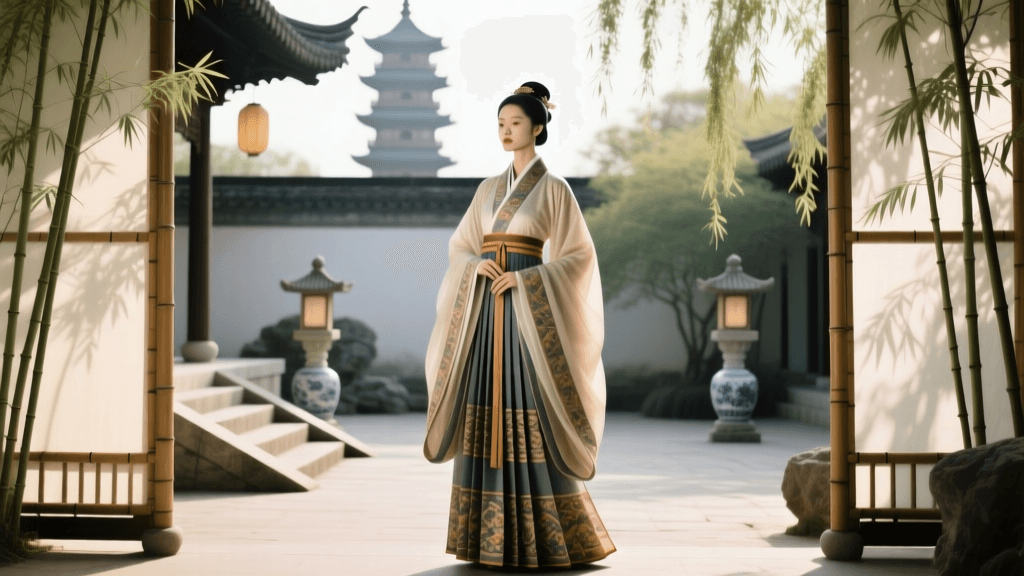
By 2026, the global Hanfu revival has evolved far beyond a grassroots internet subculture. What began two decades ago as a passionate, self-taught movement to reclaim traditional Han Chinese clothing has matured into a highly structured, multi-billion-dollar heritage fashion industry. Today, film studios, high-end wedding planners, international museums, and cultural diplomacy organizations demand verified expertise. This surge in professional demand has given rise to formalized Hanfu education workshops and rigorous certification programs designed to train the next generation of historical stylists, textile conservators, and cultural ambassadors.
For enthusiasts looking to transition into professional roles, or for fashion historians seeking to deepen their practical knowledge, enrolling in a certified program is no longer optional—it is the industry standard. These programs bridge the gap between theoretical history and the tactile, complex reality of traditional garment construction, draping, and ceremonial etiquette.
Why Professional Certification Matters Now
In the current 2026 landscape, the margin for error in historical representation has narrowed significantly. Audiences and clients are highly educated regarding the nuances of dynastic dress. Misidentifying a Ming dynasty Daopao (scholar's robe) or improperly tying a Song dynasty Ruqun (blouse and skirt ensemble) can lead to public backlash in media productions or deep disrespect in ceremonial settings.
Certification programs provide a standardized curriculum that ensures practitioners understand the foundational rules of Hanfu, such as Jiaoling Youren (the right lapel crossing over the left) and the structural importance of the Zhongfeng (the center back seam that symbolizes moral uprightness). According to cultural heritage frameworks outlined by UNESCO's Intangible Cultural Heritage guidelines, the transmission of traditional craftsmanship and social practices requires structured, community-recognized education to ensure authenticity and respect are maintained across generations.
Top Hanfu Education Workshops & Certification Programs for 2026
Whether you are looking for an immersive in-person intensive in China or a comprehensive hybrid course accessible globally, the 2026 cohort of certification programs offers unparalleled access to master artisans and historians.
1. The Beijing Heritage Styling & Draping Masterclass
Hosted in collaboration with leading historical garment archivists, this intensive three-week in-person program is the gold standard for film and television stylists. The 2026 curriculum places a heavy emphasis on the Ming and Song dynasties, teaching students how to rapidly dress actors while maintaining strict historical continuity. Students learn the mechanics of period-accurate undergarments, the precise folding techniques for the Mamianqun (horse-face skirt), and the use of traditional metal clasps and silk ties instead of modern hidden fasteners.
2. Global Silk Road Textile Certificate (Online/Hybrid)
For those who cannot travel to China, this prestigious hybrid program focuses on the material culture of Hanfu. The coursework covers the history of Chinese sericulture, traditional loom weaving techniques, and the chemistry of natural eco-friendly dyeing methods. Students receive a physical material kit containing raw silk, ramie, hemp, and natural dye extracts like indigo, madder root, and Gambier to complete practical assignments at home. The historical evolution of these textiles, from the wrapped robes of the Han dynasty to the structured jackets of the Ming, is extensively documented in resources like The Metropolitan Museum of Art's Heilbrunn Timeline of Art History, which serves as a core textbook for this course.
3. Ming Dynasty Ceremonial Dress Intensive (Shanghai)
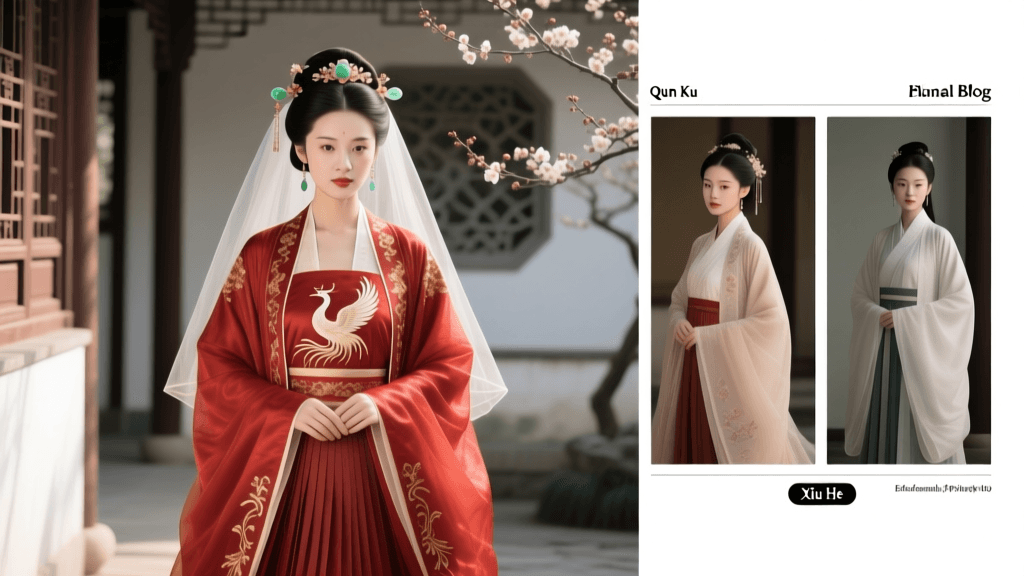
This specialized workshop focuses exclusively on the opulent and highly regulated ceremonial dress of the Ming dynasty. It is designed for wedding planners and ceremonial officiants. Students learn the intricate layering required for the Fengguan Xiapei (phoenix coronet and cloud scarf) and the proper draping of the Yuanlingpao (round-collar robe). The course also covers the deep philosophical and cosmological meanings embedded in the colors and motifs used in traditional weddings and coming-of-age ceremonies (Guan Li and Ji Li).
Core Curriculum: What You Will Learn
While each program has its specialty, all accredited 2026 Hanfu certifications share a rigorous core curriculum designed to build a comprehensive understanding of the garment ecosystem.
Historical Silhouette and Pattern Cutting
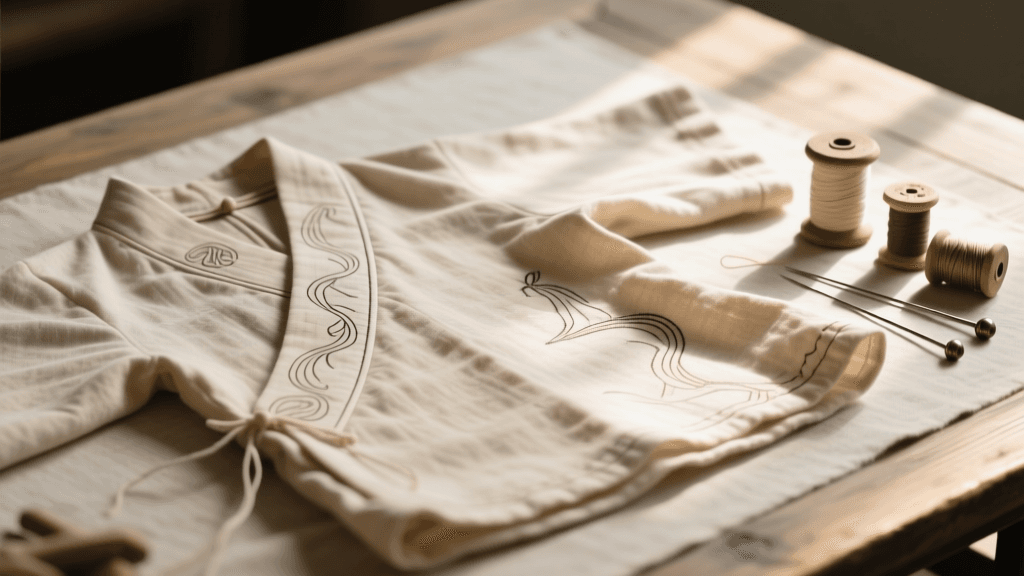
Unlike Western tailoring, which relies on darts and curved seams to fit the body's contours, traditional Hanfu pattern cutting is fundamentally geometric and flat. Students learn to draft patterns using straight lines and right angles, utilizing the natural drape of the fabric to create volume and movement. Understanding how to manipulate the Shenyi (deep robe) to connect the upper and lower garments seamlessly is a critical milestone in the certification process.
The Art of the Mamianqun Pleat
The Mamianqun is arguably the most iconic and complex skirt in the Hanfu wardrobe. Workshops dedicate entire modules to the mathematics and physical pressing of the knife pleats and box pleats that allow the skirt to lay flat when standing but explode into a beautiful fan when walking or spinning. Students learn traditional pleat-setting techniques using steam and natural starches, ensuring the garments maintain their structure without the use of modern synthetic interfacings.
Natural Dyeing and Textile Care
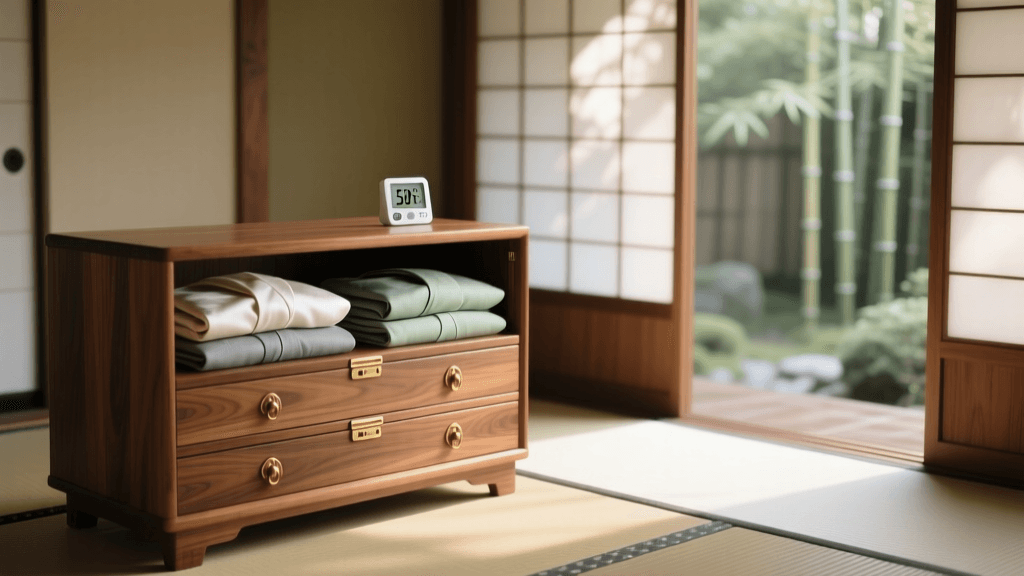
Sustainability is a major focus in 2026 fashion education. Hanfu workshops teach the ancient art of botanical dyeing, emphasizing how different mordants (like alum or iron) alter the final color of organic dyes. Furthermore, students are trained in the conservation and care of delicate silks and heavily embroidered textiles, learning how to properly store, clean, and repair historical replicas.
2026 Certification Program Comparison Chart
To help you choose the right path, we have compiled a comparison of the leading Hanfu certification programs available this year.
| Program Name | Format | Duration | 2026 Tuition (USD) | Best For |
|---|---|---|---|---|
| Beijing Heritage Styling Masterclass | In-Person (Beijing) | 3 Weeks | $3,800 | Film/TV Stylists, Costume Designers |
| Global Silk Road Textile Certificate | Online / Hybrid | 12 Weeks | $1,450 | Textile Conservators, Eco-Fashion Designers |
| Ming Ceremonial Dress Intensive | In-Person (Shanghai) | 10 Days | $2,200 | Wedding Planners, Cultural Officiants |
| Hanfu Etiquette & Draping Foundations | Online (Live Cohort) | 6 Weeks | $650 | Beginners, Museum Docents, Enthusiasts |
Building Your Workshop Practice Wardrobe
Before attending an in-person workshop or beginning a hybrid course, students are required to assemble a basic practice wardrobe. In 2026, certified programs recommend investing in high-quality, accurate baseline garments rather than cheap, mass-produced costume pieces.
- A Basic Song Dynasty Beizi: A straight-collar, long-sleeved jacket essential for learning layering and tie-tying mechanics.
- A Standard Ming Dynasty Mamianqun: Opt for a mid-weight woven fabric (like cotton-linen blends or raw silk) that holds a pleat well for draping practice.
- A Han Dynasty Quju Shenyi: A curved-hem deep robe necessary for understanding the complex wrapping and Jiaoling Youren lapel crossing techniques.
- Traditional Undergarments: Proper draping is impossible without the correct foundational layers, such as the Zhongyi (inner shirt) and Zhongku (inner trousers).
Career Pathways for Certified Hanfu Stylists
The mainstreaming of this attire is frequently covered in international media, with China Daily's Culture section regularly highlighting how traditional dress is being integrated into modern diplomatic events, global fashion weeks, and high-profile cultural festivals. This visibility has created lucrative career pathways for certified professionals.
1. Film and Television Consultant: Streaming platforms producing historical dramas in 2026 are under immense pressure to ensure sartorial accuracy. Certified stylists are hired as on-set consultants to manage continuity and dress principal actors.
2. Heritage Wedding Planner: As more couples opt for traditional Hunli (traditional weddings) over Western-style ceremonies, planners who understand the specific color taboos, layering rules, and ceremonial props of different dynasties are in incredibly high demand.
3. Museum and Gallery Educator: Institutions worldwide are expanding their Asian textile exhibits. Certified experts are recruited to train docents, design interactive draping exhibits, and ensure the mannequins are dressed with historical and structural accuracy.
Final Thoughts on Preserving Intangible Heritage
Enrolling in a Hanfu education workshop in 2026 is about much more than learning how to put on beautiful clothes. It is an active participation in the preservation of intangible cultural heritage. These certification programs ensure that the profound philosophy, meticulous craftsmanship, and rich history woven into every thread of traditional Chinese garments are not lost to time or diluted by fast fashion. Whether you aim to style actors on a bustling film set or simply wish to wear your Ruqun with absolute historical confidence, formal education is the key to honoring the legacy of Asian sartorial traditions.