Chinese Cloud Shoes & Boots 2026: Xin Zhongshi Footwear Guide
The Xin Zhongshi (New Chinese Style) movement has matured from a niche aesthetic into a dominant force in global fashion by 2026. While earlier years focused heavily on garments like the Mamianqun (horse-face skirt) and modernized Song-style jackets, the current frontier of traditional Asian dress lies beneath the hemline: footwear. Traditional Chinese footwear, particularly the iconic Cloud Shoes (Yuntou Xie) and structured historical boots (Xue), are experiencing a massive renaissance. Today’s designers are merging centuries-old embroidery techniques with 2026’s ergonomic advancements and sustainable material science, creating pieces that are as comfortable for a modern commute as they are culturally resonant.
The Anatomy and Evolution of Cloud Shoes (Yuntou Xie)
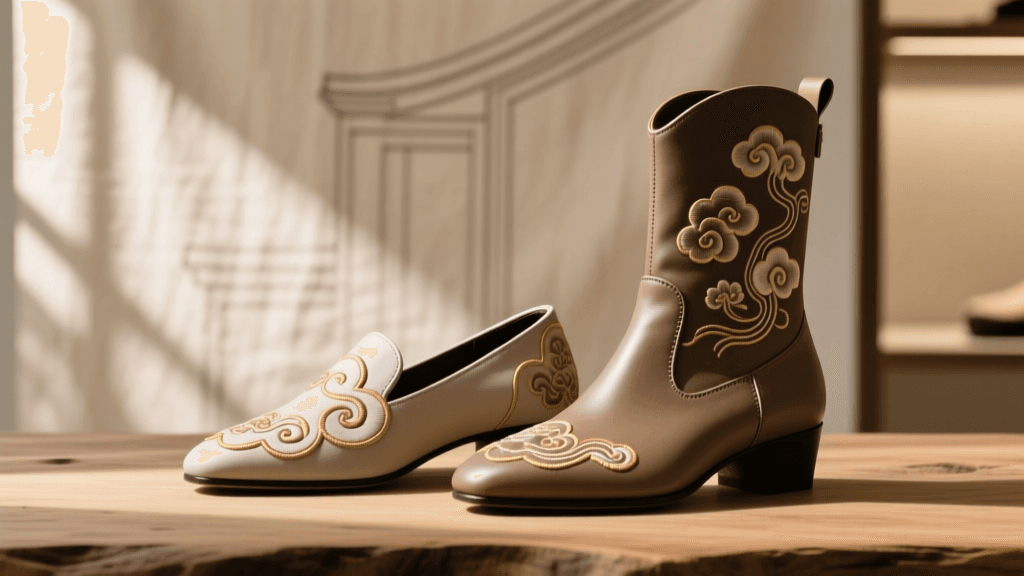
Cloud shoes, or Yuntou Xie, are instantly recognizable by their upturned toe caps, which are traditionally shaped and embroidered to resemble the Ruyi cloud motif. Historically popular during the Ming and Qing dynasties, these shoes were worn by both men and women, with variations in embroidery complexity denoting social status and regional origin. The upward curve of the toe was not merely decorative; it served a practical purpose in lifting the hem of long robes and preventing the wearer from tripping, while also symbolizing an ascent to higher fortunes and spiritual elevation.
In 2026, the modern revival of the cloud shoe has addressed the primary critique of historical footwear: a lack of arch support and durable traction. Contemporary artisan brands are now utilizing 3D-scanned footbeds wrapped in traditional silk brocade. Furthermore, the introduction of 'lotus-leaf effect' nano-coatings on natural silk and hemp blends means that modern cloud shoes are highly water-resistant and stain-repellent, solving the age-old problem of delicate embroidery being ruined by a sudden rainstorm. The upturned toe is now often reinforced with lightweight, flexible bio-resins, maintaining the iconic silhouette without the heavy, rigid structure of the past.
Traditional Boots (Xue): From Equestrian Roots to Streetwear
While cloud shoes represent elegance and scholarly refinement, traditional Chinese boots (Xue) bring a bold, structural edge to the Xin Zhongshi wardrobe. Originating from nomadic equestrian cultures and later integrated into Han and Manchu court dress, these boots are characterized by their thick, layered cloth or wooden soles and high shafts. According to historical textile archives, such as those preserved and studied by institutions like the China National Silk Museum, the layering of cotton and hemp for boot soles was a masterclass in pre-industrial shock absorption, designed to protect the feet during long hours on horseback or standing in drafty palace courtyards.
For 2026, traditional boots have been reimagined as the ultimate statement piece in avant-garde streetwear. Designers are swapping heavy historical velvets for breathable, recycled acoustic-weave textiles and vegan suede, making them viable for year-round wear. The thick, platform-like soles of Manchu-inspired boots have been adapted using lightweight EVA foam, providing the imposing height and architectural silhouette of historical court boots while offering the comfort of a modern running shoe. These boots are frequently seen in global fashion capitals paired with oversized linen blazers, tech-wear cargo pants, and deconstructed tunics.
2026 Buyer’s Guide: Comparing Traditional Footwear
Whether you are attending a formal tea ceremony or navigating a modern urban environment, selecting the right traditional footwear requires an understanding of materials and use cases. Below is a comprehensive comparison of the top three categories dominating the 2026 market.
| Footwear Type | Primary Materials (2026) | Avg. Price Range (USD) | Best Use Case | Maintenance Level |
|---|---|---|---|---|
| Cloud Shoes (Yuntou Xie) | Nano-coated Silk, Brocade, Cork | $140 - $380 | Formal events, office wear, cultural ceremonies | Moderate (Spot clean, air dry) |
| Embroidered Flats (Xiu Xie) | Organic Cotton, Hemp, Vegan Silk | $85 - $220 | Daily casual wear, travel, light walking | Low (Machine washable variants available) |
| Traditional Boots (Xue) | Recycled Velvet, Bio-Suede, EVA | $250 - $550 | Streetwear, winter fashion, avant-garde styling | High (Requires brushing, waterproofing) |
How to Style Traditional Footwear for Modern Wardrobes
Integrating historical footwear into a contemporary wardrobe requires a balance of proportions and textures. The key to the 2026 Xin Zhongshi aesthetic is juxtaposition—pairing ancient craftsmanship with modern tailoring.
- The Cloud Shoe & Wide-Leg Trouser: Pair upturned-toe cloud shoes with high-waisted, wide-leg linen or wool-blend trousers. Ensure the hem of the trouser rests just above the toe cap to allow the Ruyi embroidery to remain visible. This creates a flowing, elongated silhouette that mimics the drape of historical robes without the impracticality.
- The Boot & Midi Skirt: Manchu-inspired platform boots look striking when paired with a modern, asymmetrical midi skirt or a pleated Mamianqun. The heavy visual weight of the boot grounds the outfit, allowing for lighter, more breathable fabrics on the upper half of the body.
- Monochromatic Embroidery: Instead of relying on the high-contrast reds and golds of historical court shoes, opt for 2026’s trending monochromatic embroidery. A black velvet boot with subtle, tonal black threadwork offers a sophisticated, understated nod to tradition that seamlessly integrates into minimalist, dark-academia, or tech-wear aesthetics.
Care and Maintenance for Artisan Silk and Brocade
Despite the advent of modern nano-coatings, traditional materials require specific care to ensure their longevity. The structural integrity of embroidered footwear relies heavily on the tension of the threads and the stability of the base fabric.
For silk and brocade cloud shoes, avoid direct, prolonged exposure to UV light, which can degrade both natural dyes and modern eco-friendly colorants over time. When cleaning, never submerge hand-embroidered pieces in water. Instead, use a soft-bristled brush to remove dry debris and a slightly damp microfiber cloth for spot cleaning. Always insert cedar shoe trees when the shoes are not in use; this not only maintains the unique upturned shape of the toe box but also absorbs ambient moisture and odors.
For traditional boots made of velvet or bio-suede, regular brushing with a specialized velvet brush is essential to maintain the nap of the fabric. If the boots feature layered cloth soles, avoid walking through deep puddles, as the compressed cotton layers can take days to dry and may develop mildew if not properly ventilated.
Sourcing Authentic Pieces and Supporting Intangible Heritage
As the demand for Xin Zhongshi footwear grows, the market has seen an influx of mass-produced, machine-embroidered imitations. For collectors and cultural enthusiasts, sourcing authentic, handcrafted pieces is vital to supporting the artisans who keep these techniques alive. Many of the intricate embroidery styles used on premium cloud shoes, such as Suzhou and Shu embroidery, are recognized on the UNESCO Intangible Cultural Heritage lists, highlighting their global cultural significance and the need for their preservation.
When shopping in 2026, look for brands that provide transparency regarding their supply chain and artisan partnerships. Authentic hand-embroidery will feature slight, natural variations in stitch tension and a distinct three-dimensional texture that machine embroidery cannot replicate. Furthermore, reputable brands will often include a certificate of authenticity detailing the specific region, artisan, and embroidery technique used. Historical artifacts and reference materials housed in the Metropolitan Museum of Art's Asian Art collection can also serve as excellent visual references for understanding the historical accuracy of motifs, color palettes, and structural proportions when evaluating modern reproductions.
Ultimately, the revival of traditional Chinese footwear is more than a passing trend; it is a profound reconnection with material history. By embracing the cloud shoe and the traditional boot, modern wearers are not just stepping into a pair of shoes—they are walking forward with centuries of artistry, symbolism, and cultural resilience beneath their feet.