Hanfu Revival Guide: Styling and Buying Mamianqun Skirts
The Hanfu Revival Movement: Reclaiming Sartorial Heritage
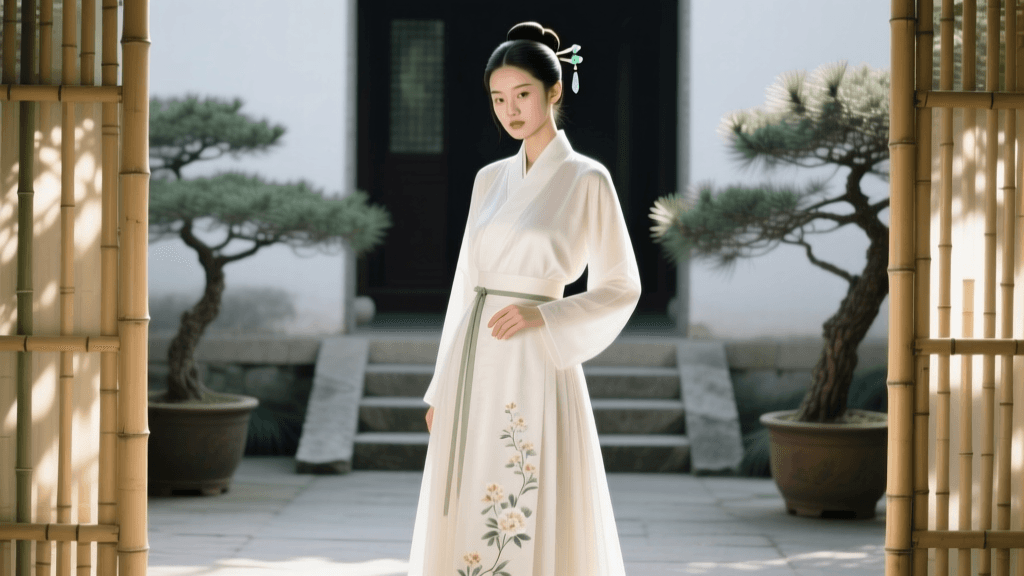
The Hanfu revival movement, known in Chinese as Hanfu Yundong (汉服运动), is far more than a fleeting fashion trend; it is a profound cultural renaissance. Originating in the early 2000s on Chinese internet forums, the movement sought to resurrect the traditional clothing of the Han ethnic group, which had been largely absent from daily life for over three centuries following the Qing Dynasty's imposition of Manchu dress codes. Today, this grassroots initiative has blossomed into a booming industry. According to a report by Reuters, the Hanfu market has surged into a multi-billion-dollar sector, driven by Gen Z consumers who view these garments as a vital connection to their historical identity and a canvas for modern self-expression.
For newcomers eager to participate in this vibrant cultural dialogue, the sheer volume of historical dynasties, silhouettes, and terminology can be overwhelming. While the flowing, ethereal robes of the Wei and Jin dynasties or the opulent, wide-sleeved garments of the Tang Dynasty often dominate social media, the most practical and popular entry point for modern wearers is the Ming Dynasty Mamianqun (马面裙), or 'horse-face skirt.' This guide provides actionable, detailed advice on how to navigate the Hanfu market, accurately size your garments, and seamlessly integrate the Mamianqun into your contemporary wardrobe.
Why the Mamianqun Leads the Modern Hanfu Revival
The Mamianqun is a wrap-around skirt characterized by two flat, unpleated panels (the 'horse faces') at the front and back, connected by heavily pleated side panels. Historically favored during the Ming Dynasty (1368–1644) for its elegance and ease of movement, the skirt has become the undisputed superstar of the modern Hanfu revival. As noted by BBC Culture, the Mamianqun's structural brilliance lies in its versatility. Unlike the complex, multi-layered ensembles of earlier dynasties, the Mamianqun can be effortlessly paired with modern blouses, knitwear, and tailored blazers, bridging the gap between historical authenticity and contemporary urban fashion.
Furthermore, the wrap-around construction of the Mamianqun makes it inherently size-inclusive. Because it relies on fabric overlap and tie-fastenings rather than rigid zippers or buttons, it accommodates fluctuations in body weight and offers a customizable fit that mass-produced Western fashion rarely achieves.
Practical Buying Guide: Sizing and Measurements
Purchasing authentic Hanfu requires a shift in how you think about sizing. Most Taobao and independent Hanfu brands do not use standard S/M/L Western sizing. Instead, garments are sold based on precise flat-lay measurements in centimeters. To ensure your Mamianqun drapes correctly and provides adequate coverage, you must take accurate body measurements and understand the mechanics of the skirt's overlap.
How to Measure for a Mamianqun
- Waist Measurement: Measure your natural waist (or where you intend to wear the skirt, as Mamianqun can be worn at the natural waist or dropped to the high hip). Add 4 to 6 centimeters to this number to account for the thickness of the top you will be tucking in.
- The Overlap Rule: A proper Mamianqun requires a minimum overlap of 15 to 20 centimeters at the front and back panels to prevent the skirt from flying open when walking or sitting in windy conditions. Therefore, the total waistband length of the skirt should be at least 1.5 times your actual waist measurement.
- Skirt Length: The skirt should ideally end just above the ankle bone or graze the top of your foot. Wearing it too long will cause the pleats to drag and fray, while wearing it too short ruins the elegant, sweeping silhouette.
Mamianqun Sizing and Length Chart
Use the following data table as a baseline reference when selecting your skirt length based on your height. Note that these lengths assume you are wearing the skirt at your natural waistline.
| Wearer Height (cm) | Wearer Height (ft/in) | Recommended Skirt Length (cm) | Recommended Skirt Length (in) | Best Styling Footwear |
|---|---|---|---|---|
| 150 - 155 | 4'11' - 5'1' | 90 - 95 cm | 35.5 - 37.5' | Flat Mary Janes, Loafers |
| 156 - 160 | 5'1' - 5'3' | 95 - 100 cm | 37.5 - 39.5' | Low block heels, Ankle boots |
| 161 - 165 | 5'3' - 5'5' | 100 - 105 cm | 39.5 - 41.5' | Standard heels, Cloud shoes |
| 166 - 170 | 5'5' - 5'7' | 105 - 110 cm | 41.5 - 43.5' | Mid-calf boots, Kitten heels |
| 171 - 175+ | 5'7' - 5'9'+ | 110 - 115+ cm | 43.5 - 45.5'+ | Tall boots, Platform shoes |
Cost Breakdown: Budgeting for Your First Hanfu Set
The Hanfu market is incredibly diverse, catering to everyone from college students on a strict budget to collectors seeking museum-quality silk weaves. When shopping on platforms like Taobao, Tmall, or international proxy sites, understanding the pricing tiers will help you make an informed investment.
1. Entry-Level and Fast Fashion Hanfu ($25 – $60 USD)
Brands like Shisan Yu (十三余) and Zhongling offer highly accessible, mass-produced Mamianqun skirts. These are typically made from polyester blends or jacquard fabrics. While they may lack the historical accuracy of natural fibers, they are durable, machine-washable, and perfect for daily wear or travel. Warning: At this price point, pleat retention can be an issue. Look for skirts that feature heat-pressed pleats or plan to iron them carefully after washing.
2. Mid-Tier and Historical Accuracy ($80 – $180 USD)
This is the sweet spot for serious Hanfu enthusiasts. Brands such as Ming Huatang (明华堂 - often considered the gold standard, though their prices skew higher), Tingyue, and Zhiye focus on historical accuracy, utilizing traditional motifs, better fabric drape (like wool blends, viscose, or high-quality cotton), and superior tailoring. The pleats are sharp, the waistbands are reinforced, and the hardware (metal ties or clasps) is durable.
3. High-End, Custom, and Intangible Cultural Heritage ($300 – $1,000+ USD)
For collectors, skirts featuring genuine gold-leaf weaving (Zhi Jin), Xiangyunsha (mud-silk) dyeing techniques, or intricate hand-embroidery represent the pinnacle of the craft. These garments are treated as wearable art and investment pieces.
Understanding Taobao Timing: Xian Hua vs. Yu Shou
A crucial aspect of buying Hanfu is understanding the release model. Unlike Western fast fashion, many Hanfu brands operate on a pre-order system to minimize fabric waste.
- Xian Hua (现货 - In Stock): The item is ready to ship immediately. You will pay a slight premium, and sizes may be limited.
- Yu Shou (预售 - Pre-order): Brands open a 'group buy' window for 7 to 15 days. Once the window closes, the brand manufactures the exact number of skirts ordered. Timing: Expect to wait 30 to 60 days from the close of the pre-order window before the item ships. Plan your purchases well in advance of specific festivals or events.
Styling Your Mamianqun for Modern Daily Wear
The true beauty of the Hanfu revival lies in its integration into everyday life. You do not need to wear a full, historically accurate Ming Dynasty ensemble (which includes specific undergarments, collars, and headpieces) to participate in the movement. 'Hanfu daily' (汉服日常) is a massive subculture dedicated to mixing traditional skirts with modern tops.
Top Pairings
- The Modern Button-Down: A crisp, white, oversized cotton button-down shirt tucked into a dark, woven Mamianqun creates a striking contrast that is perfectly acceptable in a modern corporate or academic environment.
- Knitwear and Sweaters: In autumn and winter, pair a heavy wool Mamianqun with a fitted turtleneck or a chunky, cropped cardigan. The volume of the skirt balances the fitted top beautifully.
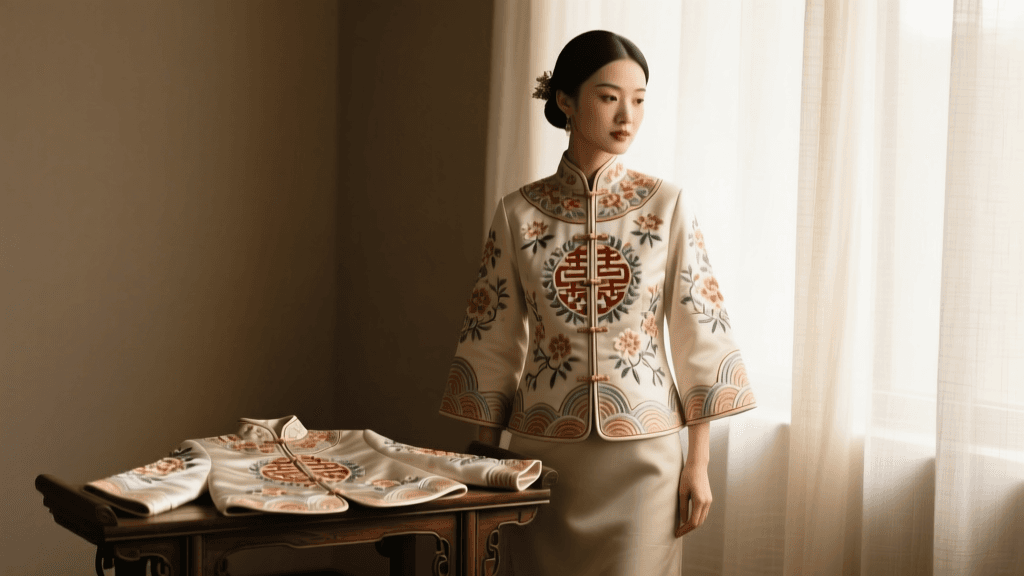
- The Traditional Ao (袄): If you wish to lean more traditional, purchase a Ming-style Ao (a lined, cross-collar or standing-collar jacket). Ensure the jacket is tailored to end exactly at the hip bone to avoid cutting the visual line of the skirt's pleats.
Footwear and Accessories
Avoid the trap of wearing cheap, costume-like 'ancient' shoes with daily wear. Instead, ground your outfit with high-quality modern footwear. Leather Mary Janes, Chelsea boots, and even clean, minimalist white sneakers work exceptionally well with the structured pleats of the Mamianqun. For accessories, opt for subtle, modern minimalist gold or silver jewelry, or a single, elegant hair stick (Zan) crafted from wood or jade to tie the aesthetic together without looking like you are wearing a theatrical costume.
Joining the Community
The Hanfu revival is sustained by a passionate, global community. To deepen your understanding of textile history, pattern drafting, and styling, engage with communities on Reddit (such as r/Hanfu), Xiaohongshu (Little Red Book), and Instagram. By supporting authentic makers and educating yourself on the rich history of Chinese sartorial traditions, you become an active participant in preserving and evolving a magnificent cultural legacy.