Traditional Chinese Cloud Shoes & Boots: 2026 Style Guide
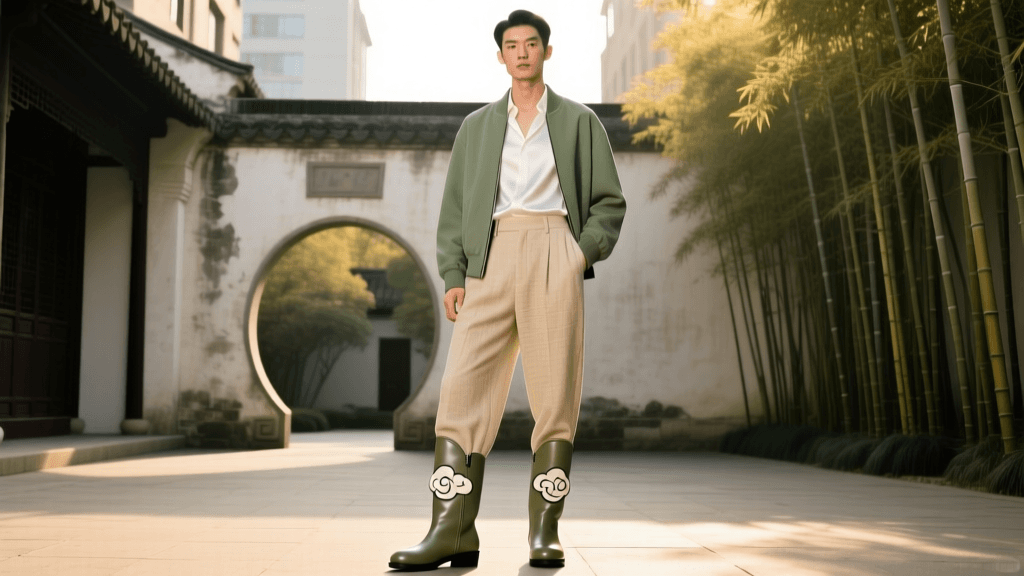
The 2026 Xin Zhongshi Footwear Renaissance
The Xin Zhongshi (New Chinese Style) movement has fundamentally reshaped global fashion, transitioning heritage garments from ceremonial closets into everyday luxury wardrobes. As we navigate the Spring and Summer 2026 seasons, traditional Chinese footwear—specifically the elegant Cloud Shoe (Yuntou Xie) and the structured traditional boot (Xuezi)—has emerged as a cornerstone of this aesthetic. No longer confined to theatrical stages or historical reenactments, these silhouettes are being reimagined by contemporary artisans and luxury houses alike. According to recent analyses of the evolution of Chinese dress, the integration of historical motifs with modern ergonomic demands represents a pivotal shift in how we consume and respect heritage fashion. This comprehensive guide explores the history, 2026 innovations, and practical styling matrices for traditional Chinese footwear.
Decoding the Cloud Shoe (Yuntou Xie)
Historical Roots and Symbolism
The Cloud Shoe, characterized by its distinctive upturned toe that mimics the shape of a ruyi cloud or a lotus petal, has roots stretching back to the Ming and Qing dynasties. Historically, the upward curve was not merely decorative; it served a practical function in preventing the wearer from tripping over the long, flowing hems of traditional robes and mamianqun (horse-face skirts). The cloud motif itself is deeply auspicious in Chinese cosmology, symbolizing heavenly blessings, upward mobility, and good fortune. Artisans of the past spent hundreds of hours applying Su Xiu (Suzhou embroidery) to the silk uppers, utilizing metallic threads to catch the light with every step.
2026 Material and Ergonomic Innovations
In 2026, the traditional Cloud Shoe has undergone a radical, comfort-first transformation. While heritage brands still offer hand-embroidered silk versions for formal events, the everyday Xin Zhongshi market has embraced sustainable and ergonomic innovations. Leading ateliers are now utilizing Xiangyunsha (gambiered Canton gauze) for the uppers—a luxurious, naturally dyed silk that is water-resistant and breathes exceptionally well in humid climates. Furthermore, the rigid cloth-layered soles of antiquity have been replaced by disguised EVA foam midsoles and memory-foam insoles, providing the arch support required for modern urban commuting while maintaining the illusion of a traditional stacked cloth sole.
The Evolution of the Traditional Boot (Xuezi)
From Equestrian Necessity to Runway Staple
Traditional Chinese boots, or Xuezi, were historically favored by northern nomadic tribes and later adopted by Manchu and Han officials for their protective qualities and equestrian utility. Unlike the delicate Cloud Shoe, the Xuezi features a robust, structured shaft and a thick, often white, layered sole. In the context of 2026 fashion, the traditional boot has been hybridized. Designers are merging the sleek, knee-high silhouette of the historical riding boot with the hardware and ease of the modern Chelsea boot. Brocade panels featuring subtle, tone-on-tone Song dynasty weave patterns are being paired with matte vegan leather shafts, creating a footwear hybrid that bridges the gap between ancient armor and contemporary minimalist streetwear.
2026 Styling Matrix: Pairing Footwear with Heritage Garments
Styling traditional footwear requires an understanding of proportion, hem length, and textile weight. The golden rule of the 2026 Xin Zhongshi aesthetic is contrast: pairing heavy, structured historical garments with sleek modern accessories, or elevating minimalist contemporary tailoring with highly ornate heritage footwear. Below is a structured guide to pairing traditional shoes with modern and historical garments.
| Footwear Type | Best Garment Pairing | 2026 Material Trend | Ideal Occasion |
|---|---|---|---|
| Embroidered Cloud Shoe (Low Heel) | Floor-length Mamianqun or wide-leg linen trousers | Peace silk with metallic Su Xiu thread | Tea ceremonies, gallery openings, formal dinners |
| Modernized Cloud Loafer (Wedge) | Cropped tailored trousers or midi slip skirts | Gambiered Canton gauze (Xiangyunsha) | Office wear, urban commuting, daytime events |
| Traditional Brocade Boot (Xuezi) | Structured wool overcoats or modern Hanfu wrap dresses | Jacquard brocade with matte leather shafts | Autumn/Winter streetwear, fashion week events |
| Velvet Ankle Boot (Cloud Toe) | Denim or heavy canvas workwear jackets | Crushed velvet with rubberized lug soles | Casual outings, travel, evening social gatherings |
Sizing, Fit, and the Modern Last
One of the most significant barriers to adopting traditional Chinese footwear has historically been the sizing system and the narrowness of the traditional wooden shoe last. Historically, footwear was often custom-made or bound tightly, prioritizing a diminutive silhouette over anatomical correctness. In 2026, heritage shoemakers have adopted the 'Modern Asian Last,' a foot mold specifically designed to accommodate the wider forefoot and higher instep common in many demographics, while still preserving the elegant, tapered toe box of the Cloud Shoe. When purchasing Xuezi boots online, it is highly recommended to measure your calf circumference at the widest point, as traditional shaft widths are often narrower than Western equestrian boots. Most premium 2026 collections now offer adjustable side-gussets hidden beneath traditional brocade flaps to ensure a custom fit.
Caring for Brocade, Silk, and Gambiered Gauze
Heritage textiles require meticulous maintenance to preserve their structural integrity and vibrancy. The textile traditions of the Ming era remind us that silk is a protein fiber, highly susceptible to alkaline damage and UV degradation. Here are the essential care protocols for your 2026 traditional footwear collection:
- Xiangyunsha (Gambiered Gauze): Never submerge this fabric in water. The iron-rich mud and yam juice dye process creates a unique patina that can be disrupted by harsh detergents. Spot clean only with a damp, pH-neutral microfiber cloth.
- Silk Brocade: Store brocade boots stuffed with acid-free tissue paper to maintain the shaft's structure. Keep them in a breathable cotton dust bag away from direct sunlight, which will cause the metallic threads to tarnish and the silk to rot.
- Embroidery Maintenance: Use a soft-bristled brush (like a clean makeup brush) to gently remove dust from the crevices of Su Xiu embroidery. Never rub, as this will fray the delicate silk floss.
'The elegance of a traditional garment is ultimately grounded by the shoe. A meticulously embroidered hem deserves a foundation that speaks the same silent language of heritage and craftsmanship.' — Principles of Xin Zhongshi Styling, 2026 Edition.
Where to Source Authentic Pieces in 2026
As the demand for authentic, high-quality Xin Zhongshi footwear grows, so does the market for mass-produced imitations. To ensure you are investing in genuine craftsmanship, look for ateliers that provide transparency regarding their embroidery origins and textile sourcing. Brands operating out of Suzhou and Hangzhou continue to lead the market in hand-embroidered Cloud Shoes, while independent designers in Shanghai are pioneering the hybrid Xuezi boot. When shopping, verify that the 'brocade' is indeed a woven jacquard rather than a printed synthetic, and ensure that the upturned toe of the Cloud Shoe is structured with natural bamboo or modern flexible resins, rather than cheap wire that will easily bend and lose its iconic ruyi shape over time. By investing in these heritage pieces, you are not just buying footwear; you are participating in the living, breathing continuation of Asian sartorial history.