Modern Hanbok Red Carpet Styling in Global Fashion Media 2026
The Hanbok Takeover in 2026 Global Fashion Editorials
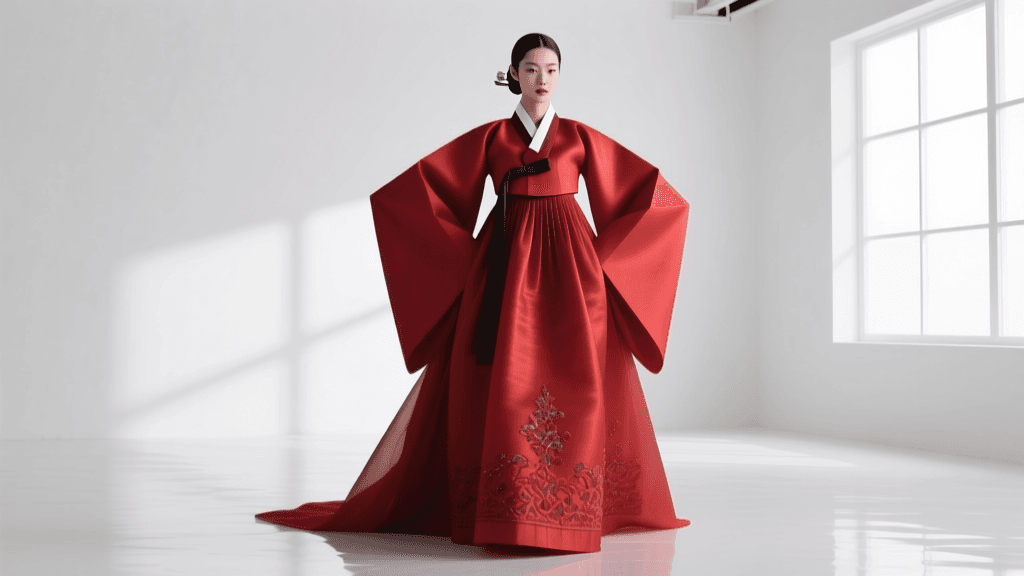
The year 2026 marks a definitive watershed moment for Asian traditional garments in Western-dominated fashion media. No longer relegated to niche cultural showcases or ceremonial costume features, the modern Hanbok has firmly established itself as a structural powerhouse on global red carpets and in the pages of high-fashion editorials. Major publications like Vogue, Harper's Bazaar, and Elle have dedicated extensive 2026 coverage to the architectural brilliance of Korean traditional dress, highlighting how contemporary designers are manipulating historical silhouettes to create avant-garde, red-carpet-ready haute couture.
This shift in global fashion media is not merely about aesthetic appreciation; it is a recognition of the Hanbok's unique approach to volume, proportion, and negative space. Unlike Western tailoring, which historically emphasizes the body's natural contours through restrictive corsetry and darting, the traditional Hanbok celebrates the space between the fabric and the body. In 2026, global stylists and celebrity fashion directors are actively seeking out modern Hanbok pieces to provide dramatic, sweeping silhouettes that photograph exceptionally well under the intense lighting of international film festivals and award ceremonies.
Deconstructing the 2026 Red Carpet Hanbok Silhouette
To successfully integrate the Hanbok into a global red carpet context, one must understand the core components of the garment and how they are being adapted for modern formal wear. The 2026 editorial approach focuses on three primary elements: the jeogori (jacket), the chima (skirt), and the goreum (ribbon).
The Modern Jeogori: Structure Meets Crop
Traditionally, the jeogori is a short jacket with long sleeves. In 2026 global media coverage, the modern red carpet jeogori has been refined into a sharp, structured crop top. Designers are incorporating hidden internal corsetry and boning to provide the bust support required for high-profile events, while maintaining the illusion of a delicate, unstructured outer layer. The sleeves, often featuring the traditional curved baerae shape, are being crafted from lightweight, translucent silk organza to create a ethereal, floating effect when the wearer moves.
The Chima: Engineering Volume
The chima is the voluminous wrap skirt that defines the Hanbok's lower half. For 2026 red carpet styling, the traditional bell shape is being engineered with modern crinolines, horsehair braids, and asymmetric hemlines. Global stylists are requesting a high-waisted placement that sits precisely at the natural waist or slightly above, elongating the legs. A standard 2026 editorial chima features a sweeping hemline of up to 120 inches in circumference, allowing for dramatic wind-blown photography while maintaining a structured, buoyant silhouette that refuses to collapse against the legs.
The Goreum: From Functional Tie to Statement Sash
Historically used to tie the jeogori closed, the goreum has evolved into a central focal point in 2026 fashion media. Designers are elongating the goreum into dramatic, floor-sweeping sashes or transforming them into rigid, sculptural bows that act as built-in bustles. This adaptation provides a striking visual anchor for editorial photographers, offering a dynamic element that moves fluidly with the subject.
Sourcing Authentic and Modern Hanbok for Global Events
For international stylists, fashion editors, and private clients looking to source modern Hanbok pieces for 2026 galas and premieres, it is crucial to collaborate with brands that understand both traditional construction and the rigorous demands of global red carpets. Below is a comparison of the top luxury modern Hanbok brands currently dominating international fashion media.
| Brand | Signature 2026 Style | Price Range (USD) | Global Shipping & Fitting | Best For |
|---|---|---|---|---|
| Danha | Avant-garde silhouettes, upcycled vintage textiles, dramatic sleeve volumes | $2,500 - $8,000 | Worldwide shipping; virtual consultations available | Met Gala, high-fashion editorial covers |
| Tchai Kim | Contemporary fusion, tailored baji (trousers), structured corset-chima hybrids | $1,200 - $4,500 | International shipping; flagship alterations via partner tailors | Film festival premieres, luxury brand ambassador events |
| Leesle | Accessible luxury, modern streetwear-infused Hanbok, vibrant color blocking | $400 - $1,500 | Direct global e-commerce; standard international sizing | Press junkets, after-parties, music video styling |
| Guiroe | Bespoke ceremonial fusion, intricate hand-embroidery, sustainable silks | $5,000 - $15,000+ | By appointment only; international travel for VIP fittings | Royal weddings, state dinners, ultra-luxury red carpets |
Styling and Accessorizing for the Global Stage
Integrating a modern Hanbok into a Western-centric red carpet environment requires a nuanced approach to accessories. The goal in 2026 is to avoid a "costume" appearance by blending traditional Korean accessories with contemporary fine jewelry and luxury footwear.
Reimagining the Norigae
The norigae is a traditional pendant tied to the goreum or waist. In 2026 editorial styling, oversized, modernized norigae crafted from precious metals and uncut gemstones are being utilized as statement brooches on the lapel of a structured jeogori, or as dramatic, weighted tassels attached to minimalist acrylic clutches. This allows the cultural artifact to serve a dual purpose, anchoring the look in heritage while functioning as high jewelry.
Footwear and Hemline Management
Traditional kkotsin (floral silk shoes) are rarely practical for the uneven surfaces of a Cannes or Venice red carpet. Instead, 2026 stylists are pairing modern Hanbok with architectural, platform luxury heels or bespoke pointed-toe mules. The key to this styling is hemline management: the chima must be hemmed to graze the floor precisely when the wearer is in their chosen footwear, ensuring the shoes are only visible during movement, preserving the floating illusion of the skirt.
Hair and Makeup Synergy
Global beauty directors in 2026 are moving away from overly literal historical recreations. Instead of traditional braided daenggi (ribbons), hair is often styled in sleek, minimalist chignons or wet-look sculptural updos that complement the high collar of the jeogori. Makeup focuses on a luminous, glass-skin base with a bold, gradient lip—a nod to the traditional Korean aesthetic of softly blurred, vibrant lip colors.
Navigating Cultural Appreciation in Fashion Media
As the Hanbok's presence in global fashion media accelerates, the conversation surrounding cultural appreciation versus appropriation has become a central theme in 2026 fashion journalism. Global stylists and media houses are under strict mandates to ensure that the garment is treated with the reverence it commands as a vital piece of living cultural heritage.
According to cultural heritage resources detailed on Korea.net, the Hanbok is deeply intertwined with Korean identity, philosophy, and historical social structures. When international celebrities and stylists borrow these silhouettes, it is imperative to credit the Korean designers and artisans who are keeping these techniques alive. The global fashion media has largely adopted a policy of "nothing about us without us," ensuring that Korean creative directors, historians, and consultants are actively involved in the styling and editorial framing of these garments.
Furthermore, institutions like The Metropolitan Museum of Art have long documented the intricate evolution of Korean fashion, emphasizing the deep symbolism embedded in the garment's colors and construction. The five traditional colors (obangsaek) are not merely decorative; they represent the balance of yin and yang and the five elements of the universe. In 2026, top-tier fashion editors ensure that their editorial copy reflects this profound symbolism, educating their global audience rather than merely exoticizing the aesthetic.
For consumers and independent stylists looking to embrace the modern Hanbok, the most respectful approach is to invest directly in authentic Korean brands like Danha or Tchai Kim, rather than purchasing mass-produced, culturally diluted imitations from fast-fashion conglomerates. Supporting the original artisans ensures the continued innovation and preservation of this magnificent sartorial tradition.
Conclusion: The Future of the Hanbok on the Global Stage
The integration of the Hanbok into 2026 global fashion media is a testament to the garment's timeless adaptability and structural genius. By understanding the precise tailoring of the modern jeogori, the engineered volume of the chima, and the cultural weight of its accessories, stylists and fashion enthusiasts can confidently bring this Asian tradition to the world's most prestigious red carpets. As we move further into the decade, the Hanbok will undoubtedly continue to challenge and expand the Western-centric definitions of haute couture, proving that true global fashion is a rich, respectful dialogue across cultures.