2026 Guide to Modern Haori Styling and Nishijin-ori
The Evolution of the Haori in 2026
The Japanese haori has transcended its historical roots as a formal samurai garment to become one of the most versatile, globally recognized pieces in contemporary fashion. In 2026, the intersection of traditional Japanese weaving methods, Zen minimalism, and modern streetwear has created a renaissance for this iconic jacket. No longer confined to ceremonial life stages or strict traditional dress codes, the modern haori is celebrated for its fluid silhouette, sensory fabric experiences, and adaptability across seasons and genders.
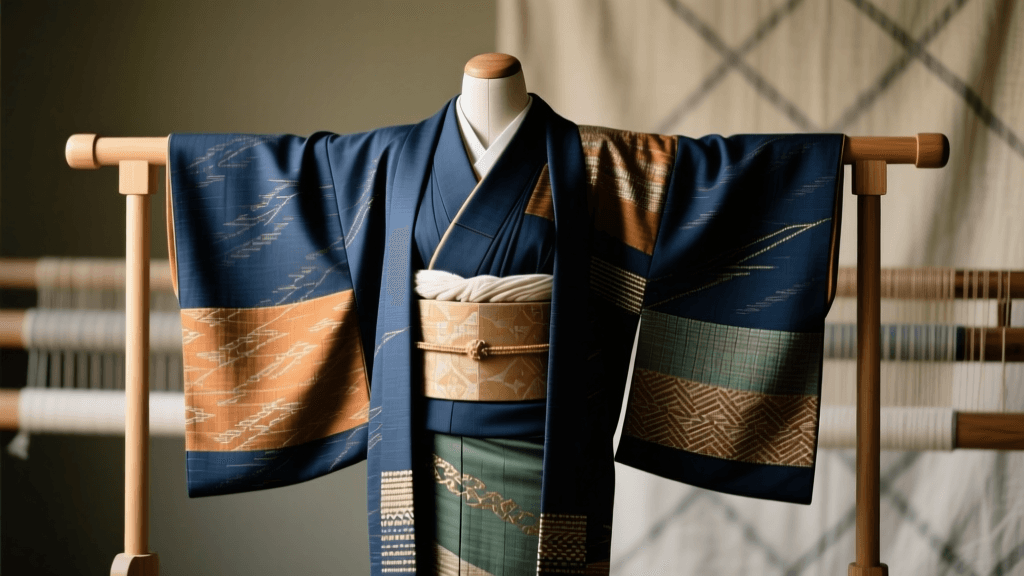
At the heart of this 2026 revival is a deep appreciation for preservation and artisanal craftsmanship. Fashion enthusiasts and international designers alike are looking toward Kyoto’s historic weaving districts to source textiles that offer both cultural weight and sustainable longevity. According to the Victoria and Albert Museum's extensive archives on Japanese dress, the haori's structural simplicity—featuring straight seams and a T-shape construction—allows the textile itself to become the primary canvas for artistic expression. Today, that expression is dominated by the masterful techniques of Nishijin-ori weaving, reimagined for the modern wardrobe.
Nishijin-ori: The Master Weaving Technique
Nishijin-ori is not merely a fabric; it is a designated traditional craft of Kyoto, representing the pinnacle of Japanese textile production. Originating in the Nishijin district, this weaving method is characterized by its use of pre-dyed yarns (sakizome) and intricate, multi-layered brocade patterns. In 2026, the sensory experience of wearing Nishijin-ori is unmatched: the fabric possesses a distinct structural memory, a subtle acoustic rustle known as kinu-zure (the sound of silk), and a visual depth that shifts dynamically under different lighting conditions.
While historically reserved for the obi (sash) or highly formal kimono, 2026 has seen a massive shift in how Nishijin-ori is applied. Artisan cooperatives are now collaborating with contemporary pattern-makers to produce lightweight, breathable haori jackets that maintain the opulent metallic threads and complex geometric motifs of the past, but utilize modern, eco-friendly looms and recycled metallic yarns. The Nishijin Textile Center in Kyoto notes that recent innovations in jacquard loom programming have allowed weavers to introduce micro-ventilation patterns into the silk, making these heavy-looking brocades surprisingly comfortable for year-round global travel and urban commuting.
Traditional vs. 2026 Contemporary Applications
To understand how to style and purchase these garments today, it is essential to recognize the differences between heritage pieces and the current market's contemporary adaptations.
| Feature | Heritage Nishijin-ori Haori | 2026 Contemporary Nishijin-ori Haori |
|---|---|---|
| Primary Use | Ceremonial events, tea ceremonies, formal life stages | Streetwear, gallery openings, Zen retreats, smart-casual layering |
| Weight & Drape | Heavy, stiff, highly structured drape | Mid-weight, softened via enzyme washing, fluid drape |
| Thread Composition | 100% Mulberry silk, pure gold/silver leaf threads | Silk-hemp blends, recycled cupro, eco-friendly metallic yarns |
| Lining (Uraji) | Hand-painted silk crepe (Yuzen dyeing) | Minimalist solid linings, breathable organic cotton, or unlined |
| 2026 Price Range | $1,500 - $4,000+ | $450 - $1,200 |
Actionable Styling: Measurements and Layering
Styling a haori in 2026 requires a departure from the strict measurements of traditional kimono dressing. The modern aesthetic embraces the 'drop-shoulder' look and variable lengths that interact dynamically with the garments worn underneath. Whether you are dressing for a minimalist Zen meditation retreat or an avant-garde urban environment, precision in proportion is key.
Crucial Measurements for the Modern Wardrobe
- Back Length (Mitake): For a contemporary streetwear look that layers well over t-shirts and light knitwear, aim for a back length between 75cm and 85cm (approx. 29-33 inches). This hits just below the hips, providing movement without overwhelming the lower body.
- Sleeve Length (Sode): Traditional haori sleeves are open at the back, creating a dramatic 'wing' effect. In 2026, look for sleeves that measure 35cm to 40cm in depth. This ensures the sleeve does not catch on bags or belts when navigating crowded city streets.
- Shoulder Width (Yuki): Unlike Western jackets, the haori lacks a tailored shoulder seam. The fabric drapes from the center back. A standard modern width is 65cm to 70cm across the back, allowing the garment to naturally slope off the shoulders for that coveted relaxed, wabi-sabi silhouette.
The Art of Layering
The haori is inherently an open-front garment, secured only by a small braided tie (haori-himo) at the chest. In 2026, the most prominent styling technique involves high-contrast layering. Pair a dark, metallic-threaded Nishijin-ori haori with a stark white, heavy-cotton crewneck sweater and wide-leg, pleated hakama-style trousers. This juxtaposition highlights the intricate weaving of the jacket while grounding the outfit in modern, utilitarian comfort. For warmer months, an unlined, hemp-blend haori worn over a simple linen tunic and tapered trousers offers a breathable, sensory-rich ensemble perfect for international travel.
Footwear Pairings: Tabi, Zori, and Modern Soles
No comprehensive guide to Japanese fashion is complete without addressing footwear. The foundation of the haori's silhouette relies heavily on what anchors it to the ground. In 2026, the boundary between traditional zori (straw or fabric sandals) and contemporary footwear has beautifully blurred.
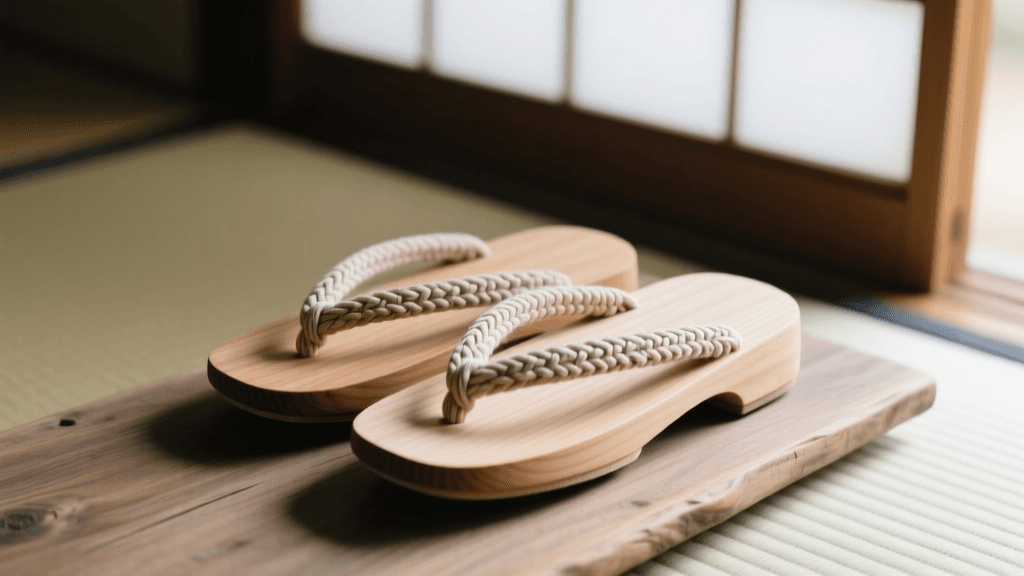
For traditional settings or immersive cultural travel, a lacquered wooden geta or a woven rush zori worn with split-toe tabi socks remains the gold standard. However, for daily urban wear, the modern iteration of the tabi boot—popularized by international design houses but perfected by Kyoto-based makers like Sou-Sou and Ookura—provides the necessary arch support and weather resistance for 2026 cityscapes. When wearing a mid-length Nishijin-ori haori, opt for a matte leather or suede tabi boot in charcoal or navy. This maintains the Zen-like neutrality of the outfit while allowing the intricate brocade of the jacket to serve as the focal point.
Sourcing, Preservation, and the 2026 Market
As global interest in heritage crafts surges, the preservation of Nishijin-ori has become a critical topic within the Asian traditions community. The Kyoto Museum of Traditional Crafts actively promotes the apprenticeship programs that keep these weaving methods alive, emphasizing that purchasing authentic, newly woven textiles directly supports the livelihoods of aging master weavers and young apprentices alike.
When sourcing a haori in 2026, buyers should look for the official Nishijin-ori certification seal, which guarantees the fabric was woven in the designated Kyoto district using approved methods. Beware of mass-produced 'brocade' jackets that mimic the visual style but lack the structural integrity and sensory weight of true sakizome weaving. Investing in an authentic piece is not merely a fashion purchase; it is an act of cultural preservation, ensuring that the rhythmic clatter of the Kyoto looms continues to echo into the future.
'The haori is the ultimate expression of spatial awareness in clothing. It does not restrict the body; it creates an architecture of air and silk around the wearer, reflecting the Zen principle of emptiness and form.' — 2026 Kyoto Textile Symposium Keynote.
Whether you are draping a vintage silk piece over a modern evening gown or integrating a tech-enhanced Nishijin-ori jacket into your daily commute, the haori remains a testament to the enduring power of Asian traditional garments. By understanding its measurements, respecting its weaving heritage, and styling it with intentional modernity, you participate in a living, breathing fashion tradition that continues to evolve beautifully in 2026.