Traditional Japanese Geta and Zori Footwear Craft 2026
The Resurgence of Japanese Footwear in 2026
In the global fashion landscape of 2026, the appreciation for slow fashion, heritage preservation, and mindful consumption has brought traditional Japanese footwear back into the spotlight. Far from being mere historical artifacts, geta (wooden clogs) and zori (flat sandals) are experiencing a renaissance. Artisans and contemporary designers are merging centuries-old woodworking techniques with modern ergonomic insights, creating footwear that honors the past while stepping firmly into the future. According to the Japan National Tourism Organization, interest in experiential craft tourism—where visitors learn to craft their own traditional items—has surged in 2026, with footwear workshops in Niigata and Kyoto reporting record bookings.
The Anatomy of Geta and Zori
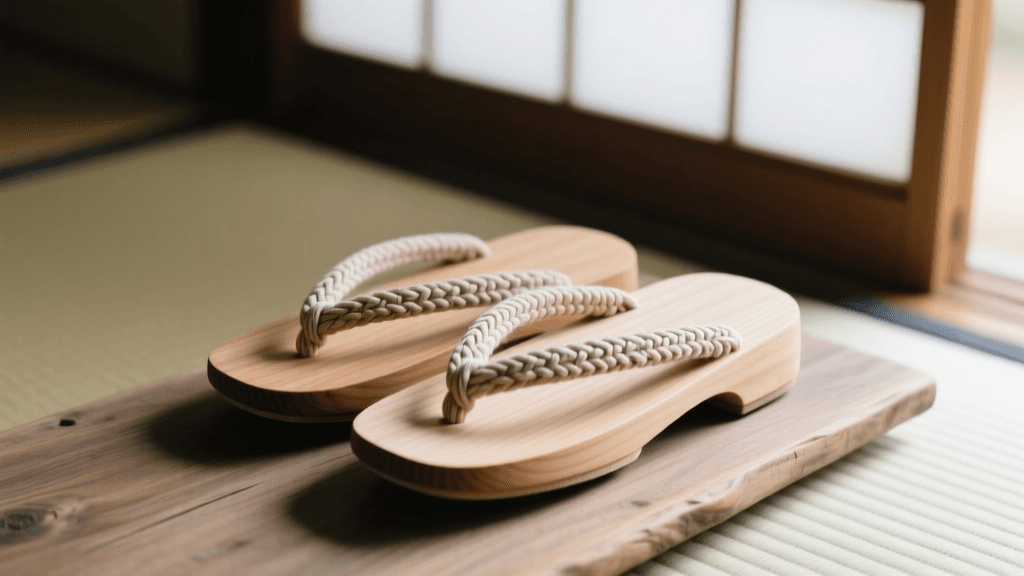
To understand the craftsmanship, one must first understand the anatomy of these iconic garments. While they share the iconic hanao (thong) that passes between the first and second toes, their bases differ significantly.
Geta: The Elevated Wooden Clog
- Dai (Base): The main wooden board that supports the foot. In 2026, ergonomic carving that follows the natural arch of the foot is standard for bespoke pairs.
- Ha (Teeth): The wooden supports underneath the dai. Traditional geta have two teeth, though modern variations for festivals may feature a single solid block (komageta) or three teeth for maiko (apprentice geisha).
- Hanao (Thong): The fabric cord that secures the foot, traditionally made from cotton, silk, or vinyl.
Zori: The Flat Sandal
Unlike geta, zori have no wooden teeth. The base is flat and historically constructed from compressed rice straw (tatami-omote), though 2026 iterations frequently utilize sustainable cork, recycled vinyl, or lacquered wood. Zori are considered more formal than geta and are the standard footwear paired with high-end silk kimono.
Sustainable Paulownia (Kiri) Wood Crafting
The soul of a premium geta lies in its wood. Kiri (paulownia) has been the gold standard for centuries due to its lightweight nature, moisture resistance, and beautiful pale grain. In 2026, sustainable forestry practices have revolutionized kiri harvesting. Artisans in the Aizu region of Fukushima are utilizing selective logging and extended 40-year growth cycles to ensure the wood is dense enough to resist cracking but light enough for all-day wear.
The crafting process begins with rough-cutting the timber and allowing it to air-dry for up to two years. Master carvers then use specialized Japanese planes (kanna) to shape the dai. The 2026 trend leans heavily toward shizen-kei (natural style) geta, where the wood is finished with cold-pressed tung oil rather than synthetic lacquers, allowing the paulownia to breathe and age beautifully with the wearer.
The Bespoke Art of Hanao-Suge (Thong Tying)
Perhaps the most specialized skill in Japanese footwear crafting is hanao-suge, the art of replacing and tying the thongs. A poorly tied hanao will cause blisters and alter the wearer's gait, while a masterfully tied one feels like an extension of the body.
As highlighted by the Japan Guide's overview of traditional crafts, the preservation of niche artisanal skills like hanao-suge is critical to the survival of the kimono industry. In 2026, bespoke hanao customization has become a major trend. Clients select from over 300 textile patterns, including upcycled vintage obi silk and sustainably dyed organic cotton.
The Tying Process
- Preparation: The artisan threads the main cord through the three holes in the dai (one at the front, two at the back).
- The Front Knot: Using a specialized metal hook (kagi), the cord is pulled taut. The front knot must be flat to prevent pressure on the top of the foot.
- Tensioning: The back cords are pulled with precise, calculated force. Too tight, and the wood will warp over time; too loose, and the foot will slide forward.
- The Final Seal: The cords are knotted at the back and sealed with a traditional heat tool or natural resin to prevent fraying.
"The sound of geta—karankoron—is not just noise; it is the heartbeat of the street. When we tie the hanao, we are tuning an instrument."
— Kenjiro Sato, Master Footwear Artisan, Kyoto, 2026.
The Zen and Sensory Experience of Walking
Walking in geta and zori requires a fundamentally different biomechanical approach than walking in Western footwear. Because the footwear is not bound to the heel, the wearer must engage their core, maintain an upright posture, and lift from the hip rather than pushing off the toe. This promotes a gliding gait that aligns the spine and reduces impact on the knees.
In 2026, wellness retreats in Japan have incorporated "Geta Walking Meditation" into their programs. The sensory feedback of the wooden teeth striking the stone or pavement forces the wearer to remain present, transforming a simple commute into a mindful, Zen-like practice.
2026 Market Trends and Pricing Comparison
The market for traditional footwear in 2026 is distinctly bifurcated between mass-produced imports and domestic artisan bespoke pieces. Below is a comparison of what consumers can expect when purchasing geta and zori today.
| Feature | Mass-Produced Footwear (2026) | Artisan Bespoke Footwear (2026) |
|---|---|---|
| Base Material | Imported MDF, plastic, or composite woods | Domestic Aizu Paulownia (Kiri) or Hinoki Cypress |
| Hanao Material | Synthetic vinyl, polyester blends | Upcycled Obi silk, organic indigo-dyed cotton |
| Ergonomics | Flat, uniform base | Custom-carved arch support and heel cup |
| Average Price (USD) | $35 - $80 | $250 - $600+ |
| Lifespan | 1 - 2 seasons | 10+ years (with hanao replacements) |
| Lead Time | Immediate (Retail) | 4 - 8 weeks (Custom order) |
Care, Maintenance, and Longevity
A well-crafted pair of paulownia geta can last a lifetime, provided it receives proper care. The 2026 standard for footwear maintenance emphasizes natural, non-toxic treatments.
- Drying: Never place wet geta near a direct heat source, as this will cause the wood to split. Allow them to air dry in a shaded, well-ventilated area.
- Oiling: Twice a year, apply a thin layer of natural camellia oil (tsubaki) or tung oil to the bare wood to replenish moisture and prevent brittleness.
- Hanao Replacement: The thongs will naturally stretch and wear. A key benefit of traditional construction is that the dai can be reused indefinitely; simply take the base to a local hanaya (footwear shop) to have new thongs tied.
- Teeth Protection: For those walking on modern asphalt, artisans now offer discreet, flush-mounted rubber caps for the bottom of the ha (teeth) to prevent rapid wear and reduce noise in quiet environments.
Conclusion: Stepping into the Future
The traditional Japanese footwear craft of 2026 is a testament to the enduring appeal of functional artistry. By embracing sustainable paulownia forestry, elevating the bespoke hanao-suge craft, and recognizing the biomechanical and mindful benefits of the karankoron gait, modern wearers are keeping a vital piece of Asian heritage alive. Whether paired with a formal silk kimono or contemporary wide-leg linen trousers, geta and zori remain a profound connection to the ground we walk upon.