Top Chinese Fashion Creators 2026: Xin Zhongshi Trends
The Evolution of Xin Zhongshi in 2026 Digital Journalism
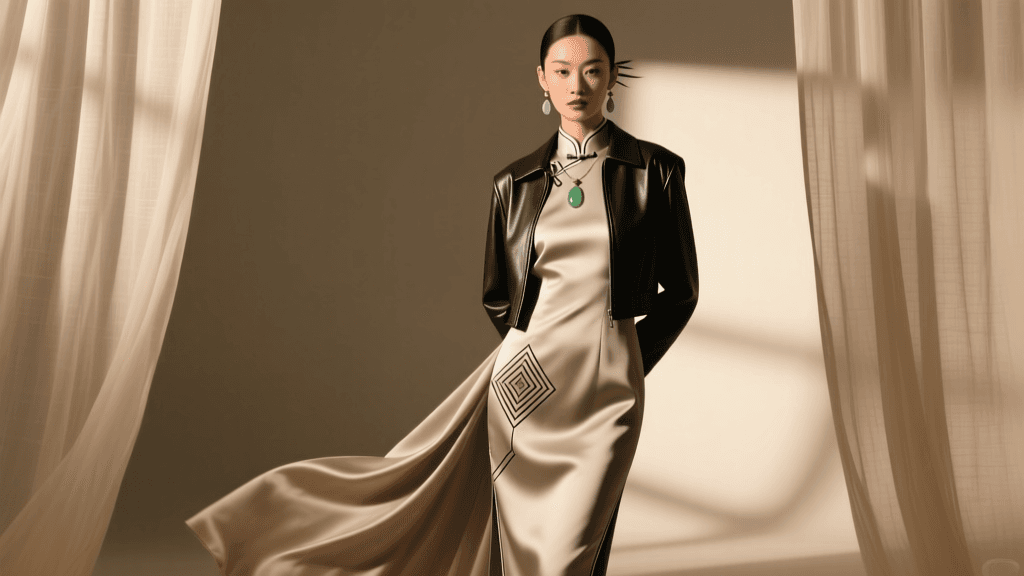
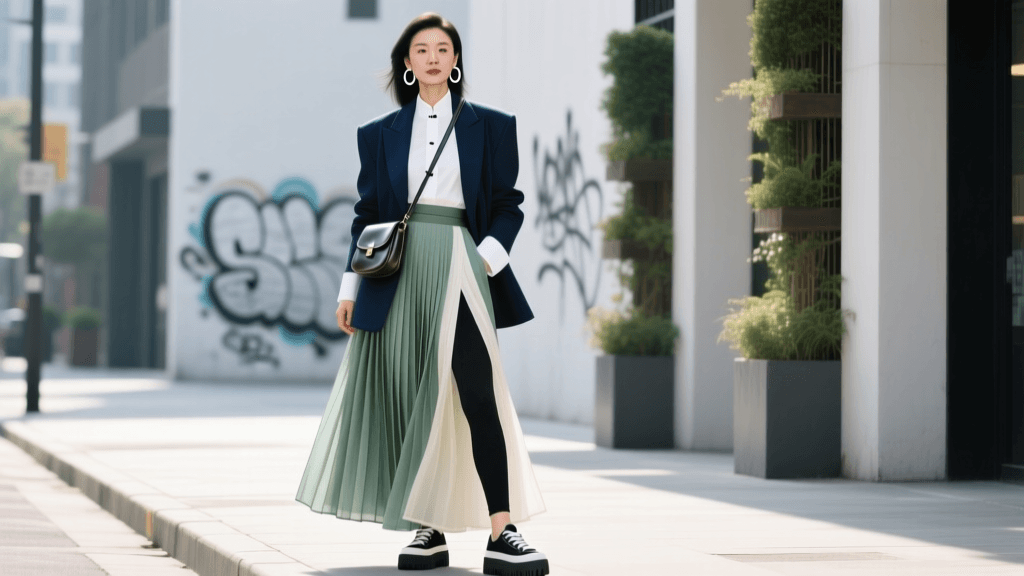
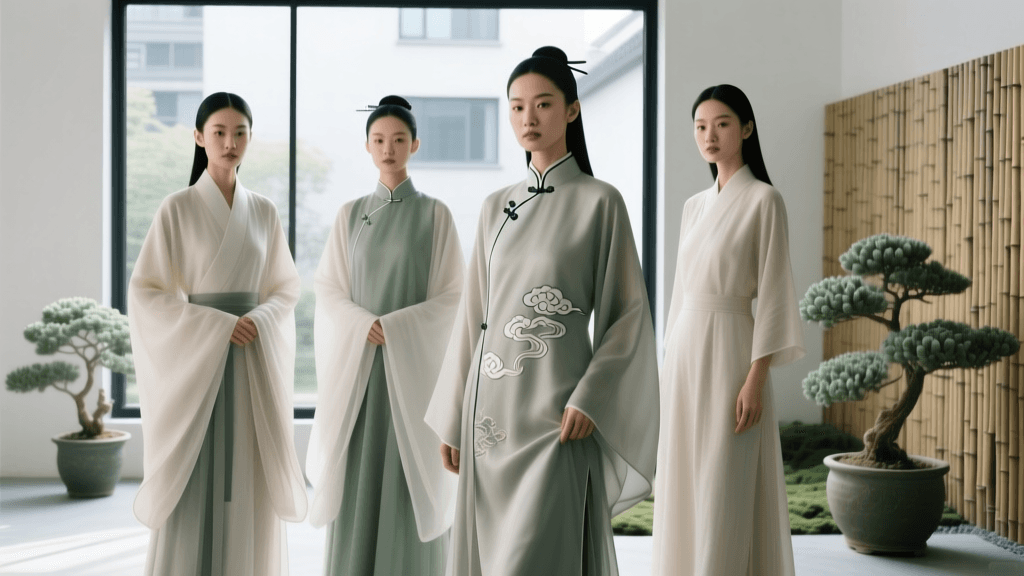
The landscape of Chinese fashion journalism has undergone a seismic shift by 2026. It is no longer solely about translating Western runway trends for a domestic audience; instead, the most influential digital creators are driving the 'Xin Zhongshi' (New Chinese Style) movement. This aesthetic and cultural renaissance blends traditional Hanfu silhouettes, intricate heritage textiles, and Ming or Song dynasty tailoring with modern, sustainable, everyday wear. For traditional garment enthusiasts and industry professionals alike, understanding how Chinese fashion bloggers and content creators operate today is essential to grasping the future of Asian sartorial heritage.
Unlike the early revivalist movements that focused strictly on historical reenactment, the 2026 wave of Xin Zhongshi journalism prioritizes wearability, eco-friendly textile innovation, and deep-dive supply chain transparency. Creators are now acting as investigative journalists, tracing the origins of Xiangyunsha (gambiered Canton gauze) and Song Jin (Song brocade) from the loom to the modern wardrobe. As noted by industry analysts at Vogue China, the modern Chinese fashion consumer demands rigorous historical accuracy paired with contemporary sustainability mandates, a balance perfectly struck by today's top digital journalists.
The Big Three: Where Chinese Fashion Journalism Lives
To understand the ecosystem of traditional Chinese fashion content, one must look at the distinct platforms that host these creators. Each platform demands a unique journalistic approach, shaping how traditional garments are presented to millions of daily users.
Xiaohongshu (Little Red Book): Visual Storytelling and AR Integration
Xiaohongshu remains the undisputed king of visual fashion journalism in China. In 2026, the platform's algorithm heavily favors 'Heritage Craft' content, boosting posts that educate users on traditional garment construction. Top creators here do not just post Outfit of the Day (OOTD) photos; they publish micro-essays on the structural engineering of the Mamianqun (horse-face skirt), detailing how the flat front and pleated sides allow for dynamic movement. Furthermore, Xiaohongshu's native AR try-on features, updated in early 2026, allow bloggers to let their followers virtually drape digital replicas of vintage Qipaos and Ming dynasty Beizi (outer jackets), bridging the gap between historical education and modern e-commerce.
Bilibili: Long-Form Documentary and Historical Accuracy
For deep-dive journalism, Bilibili is the premier destination. Content creators here function more like documentary filmmakers. A standard 20-minute video essay might explore the chemical-free, mud-silk dyeing process of Xiangyunsha in Guangdong, featuring interviews with third-generation artisans. Bilibili's highly educated, younger demographic appreciates rigorous citations, and top fashion UPhosts (creators) frequently reference archaeological textile reports from the China Silk Museum to debunk fast-fashion knockoffs.
WeChat Official Accounts: Editorial Depth and Industry News
WeChat serves as the home for long-form, magazine-style editorial journalism. Independent fashion critics and heritage brand founders use WeChat to publish 5,000-word treatises on the socio-economic impact of the Xin Zhongshi movement. According to digital luxury watchdogs at Jing Daily, WeChat newsletters are the primary driver of high-ticket heritage textile sales, as readers develop deep parasocial trust with creators who meticulously review the stitch count, warp density, and natural dye fastness of premium traditional garments.
Meet the 2026 Creator Archetypes
The diversity of Chinese fashion journalism is best understood through the distinct archetypes of creators dominating the space this year.
- The Archival Investigator: These creators specialize in museum-grade research. They visit provincial archives to study unearthed textiles, translating ancient weaving patterns into actionable guides for modern bespoke tailors. Their content often focuses on the precise geometry of the Jiaoling Youren (cross-collar, right lapel) and its philosophical roots in Yin-Yang cosmology.
- The Sustainable Stylist: Focused on the environmental impact of fashion, these bloggers champion traditional eco-friendly dyeing methods. They actively promote garments dyed with indigo, pomegranate rinds, and薯莨 (shouliang) yam juice, contrasting these ancient, biodegradable methods with the microplastic pollution of modern synthetic fast fashion.
- The Runway Synthesizer: These journalists attend global fashion weeks and immediately translate the overarching trends into traditional Chinese equivalents. If oversized, structured shoulders are trending in Paris, they will curate a guide on how to achieve a similar silhouette using heavily structured, brocade-lined Song dynasty outerwear.
Data Table: 2026 Platform Engagement & Content Focus
Below is a comparative analysis of how traditional garment content performs across China's top digital platforms in 2026.
| Platform | Primary Format | Top Garment Focus | 2026 Algorithm Priority |
|---|---|---|---|
| Xiaohongshu | Visual Essays, AR Try-Ons | Mamianqun, Modern Qipao | Styling versatility, OOTD, Heritage tags |
| Bilibili | Video Documentaries, Lo-Fi Vlogs | Xiangyunsha, Song Jin Brocade | Watch time, historical citations, artisan interviews |
| Long-form Text, Supply Chain Reports | Bespoke Hanfu, Ceremonial Dress | Read completion rate, shareability, niche authority | |
| Douyin | Short-form Video, Live Commerce | Ruqun, Everyday Hanfu Separates | Live engagement, rapid styling transitions |
The Eco-Dyeing Renaissance: Content That Drives Change
One of the most vital sub-genres of Chinese fashion journalism in 2026 is the coverage of natural, eco-friendly dyeing methods. As global conversations around carbon-neutral fashion peak, Chinese bloggers are turning the spotlight back onto indigenous, zero-waste dyeing techniques. The production of Xiangyunsha, for instance, requires dipping silk into the juice of the shouliang yam and then smearing it with iron-rich river mud from specific regions in the Pearl River Delta. This reaction creates a rich, dark, leather-like fabric that is entirely biodegradable and naturally cooling.
Investigative fashion journalists on Bilibili and WeChat have spent the past year exposing 'fake' Xiangyunsha—synthetic fabrics treated with chemical dyes to mimic the look of mud-silk. By educating consumers on how to identify the distinct crackled patina and the subtle scent of natural river mud and yam, these creators are protecting heritage artisans and driving a 40% year-over-year increase in certified, authentic mud-silk purchases. The Business of Fashion has frequently highlighted this phenomenon, noting that China's digital creators are effectively policing their own heritage textile supply chains through crowdsourced journalism.
Actionable Guide: Launching Your Own Traditional Fashion Blog
For aspiring fashion journalists, cultural historians, or digital creators looking to enter the Xin Zhongshi space in 2026, success requires a blend of historical reverence and modern digital strategy. Here is an actionable blueprint to build an authoritative platform:
1. Niche Down to a Specific Dynasty or Textile
The term 'Hanfu' is too broad for a specialized blog. Instead, focus your journalism on a specific niche. Dedicate your platform to Ming dynasty outerwear, the evolution of the Tang dynasty Banbi (half-sleeve jacket), or the regional variations of Zhejiang silk embroidery. Authority is built through hyper-specific expertise.
2. Master the Technical Vocabulary
Your audience will expect precise terminology. Never refer to a traditional collar simply as a 'V-neck.' Use the correct terms: Jiaoling Youren (cross collar right lapel), Yuanling (round collar), or Liling (standing collar). Understanding and teaching the anatomy of traditional flat-pattern cutting—where garments are constructed from geometric planes rather than curved, Western-style darts—will set your journalism apart from superficial fashion influencers.
3. Leverage 2026 AI and AR Tools for Sourcing
Modern fashion journalism requires verifying authenticity. Utilize 2026's advanced AI pattern-recognition tools to analyze vintage textiles. Many top WeChat bloggers now use AI macro-lens attachments to photograph the warp and weft of vintage Qipao brocades, verifying the thread count and dye composition before reviewing a piece for their audience. Transparency in your sourcing and verification process will build immense trust with your readership.
4. Collaborate with Heritage Artisans
Do not just review the final garment; review the process. Travel to heritage hubs like Suzhou for Song brocade or Nanjing for Yunjin (cloud brocade). Interview the weavers, document the sound of the wooden looms, and explain the physical toll and immense skill required to produce a single meter of authentic heritage fabric. This humanizes the garment and justifies the premium pricing of authentic traditional wear to a modern audience.
Conclusion
Chinese fashion journalism in 2026 is a vibrant, intellectually rigorous, and visually stunning ecosystem. The creators leading the Xin Zhongshi movement are not merely influencers; they are cultural custodians, sustainability advocates, and investigative journalists. By blending the ancient wisdom of Asian textile traditions with the cutting-edge digital tools of today, they are ensuring that garments like the Mamianqun and Xiangyunsha are not relegated to museum displays, but are lived in, loved, and continuously evolved for the modern world.