Kabuki Noh Bunraku Theater Kimono Costumes Guide 2026
The Living Textiles of Japanese Traditional Theater
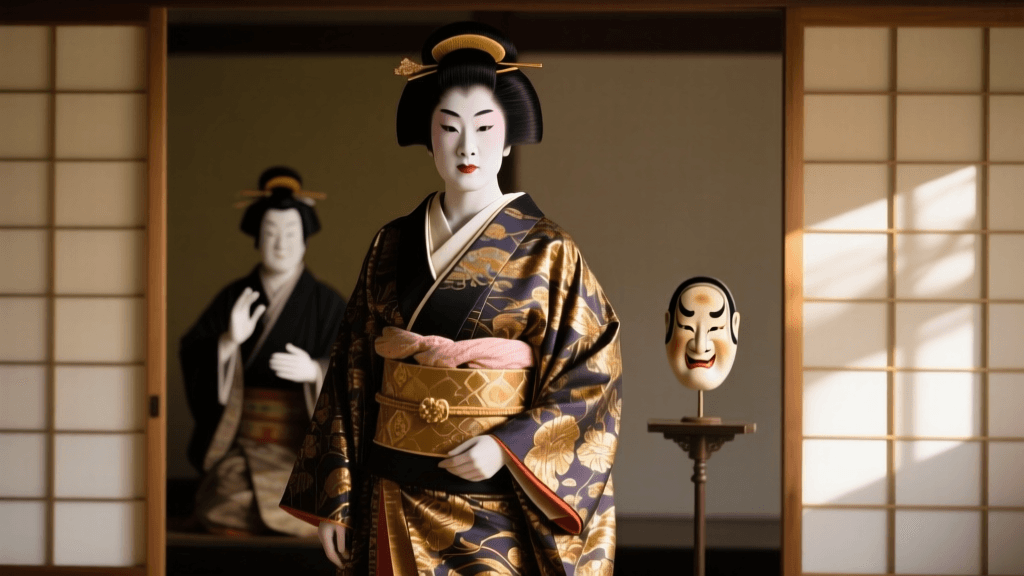
Japanese traditional theater—comprising the austere elegance of Noh, the explosive spectacle of Kabuki, and the intricate puppetry of Bunraku—relies heavily on the visual language of the kimono. In 2026, these garments are not merely clothing; they are dynamic storytelling devices, architectural structures, and masterpieces of textile engineering. While everyday kimono fashion has evolved to meet modern lifestyle demands, theatrical costumes remain fiercely anchored in historical techniques, even as the institutions that preserve them adopt cutting-edge 2026 conservation technologies. Understanding the distinctions between Noh shozoku, Kabuki isho, and Bunraku puppet garments offers a profound glimpse into Japan's sartorial heritage and the meticulous craftsmanship of Nishijin-ori weavers and Yuzen dyers.
Noh Shozoku: The Architecture of Stillness and Symbolism
Noh theater, recognized globally for its masked performances and deliberate, gliding movements, utilizes costumes known as shozoku. Unlike the form-fitting everyday kimono, Noh costumes are designed to amplify the actor's physical presence, transforming the human body into a broad, imposing silhouette that reads clearly across the dimly lit, minimalist stage. In 2026, the major Noh schools, including Kanze and Hosho, continue to utilize Edo-period garments for their most sacred performances, relying on advanced non-invasive spectroscopy to monitor the degradation of historical silk dyes without risking damage to the textiles.
Key Noh Garments and Textile Techniques
- Karaori (Chinese-style Brocade): Worn primarily by actors playing female roles, the karaori is a stiff, heavily brocaded jacket woven with silk and metallic threads. The intricate jacquard weaving creates a raised, almost three-dimensional floral or geometric pattern that catches the stage light, compensating for the lack of facial expressions behind the Noh mask.
- Nuihaku (Embroidery and Gold Leaf): This garment features vast expanses of gold and silver leaf (surihaku) paired with dense silk embroidery. The contrast between the reflective metallic leaf and the matte silk threads symbolizes the duality of the mortal and spiritual realms.
- Mizugoromo (Water Robe): A lightweight, unlined hemp or silk gauze robe worn by characters portraying ascetics, madwomen, or spirits. Its translucent, flowing quality provides a stark visual contrast to the heavy brocades, indicating vulnerability or otherworldly origins.
The sheer weight of a full Noh costume ensemble can exceed 10 kilograms. Actors must undergo rigorous physical conditioning to maintain the kamae (foundational posture) while bearing this immense textile load, a practice that remains unchanged in the 2026 training regimens of Noh apprentices.
Kabuki Isho: Spectacle, Silk, and the Art of Hikinuki
If Noh is the theater of subtlety, Kabuki is the theater of excess. Kabuki costumes, or isho, are characterized by their vibrant colors, exaggerated silhouettes, and heavy use of chirimen (silk crepe) and rinzu (silk damask). The visual impact of a Kabuki kimono is designed to convey a character's social status, emotional state, and moral alignment instantly to an audience seated far from the stage.
One of the most thrilling aspects of Kabuki costume design is the hikinuki (pulling out) technique. This highly choreographed quick-change method allows an actor to transform their character's kimono on stage in a matter of seconds. The outer kimono is stitched together with basting threads that are pulled away by stage assistants (koken) at the dramatic climax of a scene, revealing a completely different, brightly colored kimono underneath. In 2026, the Kabukiza Theatre in Tokyo has integrated subtle, LED-compatible reflective threads into the gold-leaf accents of hikinuki garments, enhancing the visual explosion of the quick-change under modern, programmable stage lighting without breaking traditional aesthetic rules.
The Hikizuri and the Roppo
For female roles (onnagata), the hikizuri (trailing skirt) is essential. This kimono features an exceptionally long hem that trails elegantly across the stage floor, requiring immense skill to maneuver. Conversely, male roles in dynamic action sequences utilize the roppo (six directions) stylized walk. The kimono worn for roppo often features the suso-mawashi technique, where the heavy silk hem is manipulated to flare out dramatically, emphasizing the character's supernatural power or intense emotional turmoil.
Bunraku Ningyo: Dressing the Articulated Soul
Bunraku, the traditional puppet theater of Japan, presents a unique set of sartorial challenges. The puppets (ningyo) are life-sized, articulated wooden figures operated by three puppeteers in full view of the audience. The kimono used in Bunraku must be tailored specifically to accommodate the puppet's internal wooden frame, the articulation joints, and the physical hands of the puppeteers who manipulate the limbs from within the garment.
The costume dresser (ningyo-koshirae) plays a critical role in Bunraku. They must pad the wooden torso with cotton and straw to give the puppet a lifelike, fleshy silhouette beneath the silk kimono. The obi (sash) is tied in a specialized, flat knot that does not interfere with the main puppeteer's arms, which must reach inside the kimono to operate the puppet's head and right arm. In 2026, the National Bunraku Theatre in Osaka has introduced 3D-scanning technology to map the exact dimensions of antique Edo-period puppet frames, allowing modern weavers to reproduce historically accurate textile widths that match the original garments perfectly.
Comparative Analysis: Theater Costume Profiles
| Theater Type | Primary Garment Name | Dominant Textile | Defining Feature | 2026 Preservation Focus |
|---|---|---|---|---|
| Noh | Shozoku (Karaori) | Nishijin-ori Brocade | Stiff, architectural silhouette; heavy metallic threads | Non-invasive dye spectroscopy and climate-controlled Edo-period archives |
| Kabuki | Isho (Hikizuri) | Chirimen (Silk Crepe) | Trailing hems; Hikinuki quick-change basting threads | Digital archiving of quick-change rigging and LED-compatible metallic threads |
| Bunraku | Ningyo Isho | Rinzu (Silk Damask) | Tailored for wooden frames; flat obi knots for puppeteer access | 3D-scanning of antique puppet armatures for precise textile reproduction |
The 2026 Landscape: Preservation, Nishijin-Ori, and Digital Archives
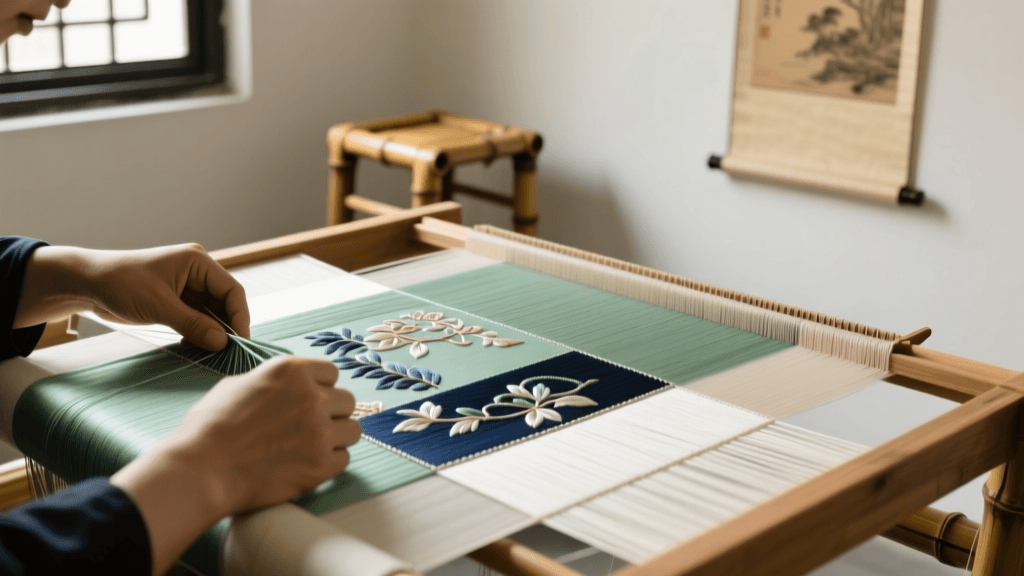
The creation of theatrical kimono relies heavily on the master weavers of Kyoto's Nishijin district and the dyers of Kanazawa. However, the industry has faced a severe shortage of master artisans capable of executing the complex jacquard loom setups required for karaori and atsuita brocades. In response, the Japanese Agency for Cultural Affairs expanded its 'Living National Treasure' apprenticeship grants in early 2026, specifically targeting the preservation of theatrical textile techniques. This initiative provides substantial financial stipends to young weavers who commit to producing shozoku and isho for the major national theaters.
Furthermore, the Japan Arts Council has accelerated its digital archiving project for Kabuki and Bunraku textiles. By utilizing high-resolution multispectral imaging, conservators are creating exhaustive digital twins of fragile 19th-century stage garments. This allows costume designers for new 2026 productions to study historical stitch counts, dye saturation levels, and fabric drape physics without handling the deteriorating originals.
Where to View Authentic Theater Kimono in 2026
For textile enthusiasts, historians, and fashion scholars, experiencing these garments in person is unparalleled. While the stage is their natural habitat, several institutions offer intimate, up-close viewings of theatrical kimono:
- The Kyoto National Museum: Renowned for its extensive collection of Edo-period kosode and Noh shozoku. The museum's 2026 spring exhibition specifically highlights the evolution of the nuihaku technique, showcasing the integration of gold leaf application on silk. Visit the Kyoto National Museum for their current textile rotation schedule.
- The Kabukiza Gallery (Tokyo): Located beneath the main theater, this gallery frequently displays the actual isho worn in recent productions, complete with explanatory diagrams of the hikinuki quick-change threading.
- The National Bunraku Theatre (Osaka): Offers backstage tours and lobby exhibitions where visitors can observe the intricate padding and tailoring methods used to dress the ningyo, providing a masterclass in functional garment engineering.
As recognized by UNESCO's Intangible Cultural Heritage list, the survival of these theatrical traditions is inextricably linked to the survival of the textile arts. The kimono in Kabuki, Noh, and Bunraku are not static museum pieces; they are living, breathing partners in performance, continuously adapted by the master artisans of 2026 to ensure that the soul of Japanese theater remains vividly draped in silk, gold, and history.