Xin Zhongshi Guide: Building a New Chinese Style Capsule Wardrobe
The Rise of Xin Zhongshi: Heritage Meets Modernity
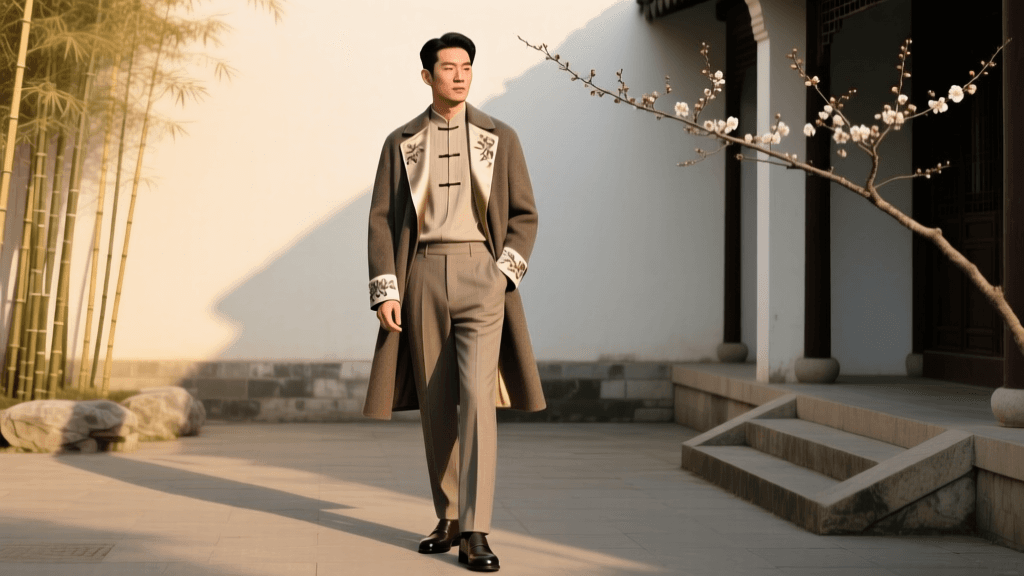
The global fashion landscape is currently witnessing a profound shift toward cultural heritage, and at the forefront of this movement in Asia is Xin Zhongshi (New Chinese Style). Unlike traditional Hanfu or strict historical reenactment, Xin Zhongshi is a contemporary fashion movement that distills classic Chinese aesthetic elements—such as Mandarin collars, Pankou (frog) closures, and traditional brocades—and integrates them into modern, wearable silhouettes. This trend is deeply intertwined with the broader cultural phenomenon known as the Guochao (national trend) movement, which reflects a growing preference among younger Asian consumers for domestic brands and cultural pride.
Building a Xin Zhongshi capsule wardrobe is not about wearing a costume; it is about weaving cultural memory into the fabric of daily life. Whether you are navigating a corporate environment, attending an evening gala, or enjoying a weekend in the city, the New Chinese Style offers a sophisticated, gender-fluid, and highly versatile approach to dressing. In this comprehensive guide, we will break down the core elements of Xin Zhongshi, provide actionable advice on building a capsule wardrobe, and offer precise sizing and fabric care tips.
Core Aesthetic Elements of the New Chinese Style
To successfully curate a Xin Zhongshi wardrobe, one must understand the foundational motifs and structural elements that define the aesthetic. The fusion of Eastern motifs and Western tailoring echoes the themes explored in the Metropolitan Museum of Art’s landmark China: Through the Looking Glass exhibition, which highlighted how Chinese aesthetics have continuously shaped global fashion. However, Xin Zhongshi reclaims these elements for everyday, authentic expression.
- Pankou (Frog Closures): Hand-knotted silk buttons that serve as both functional fasteners and intricate decorative art.
- Mandarin Collars (Liling): High, stand-up collars that frame the face and elongate the neck, often seen on modified Tangzhuang jackets and Qipao tops.
- Flat Cutting (Pingmian Caizhi): A traditional Chinese tailoring method that cuts fabric in two dimensions, relying on the natural drape of the textile rather than Western darts and seams to shape the body.
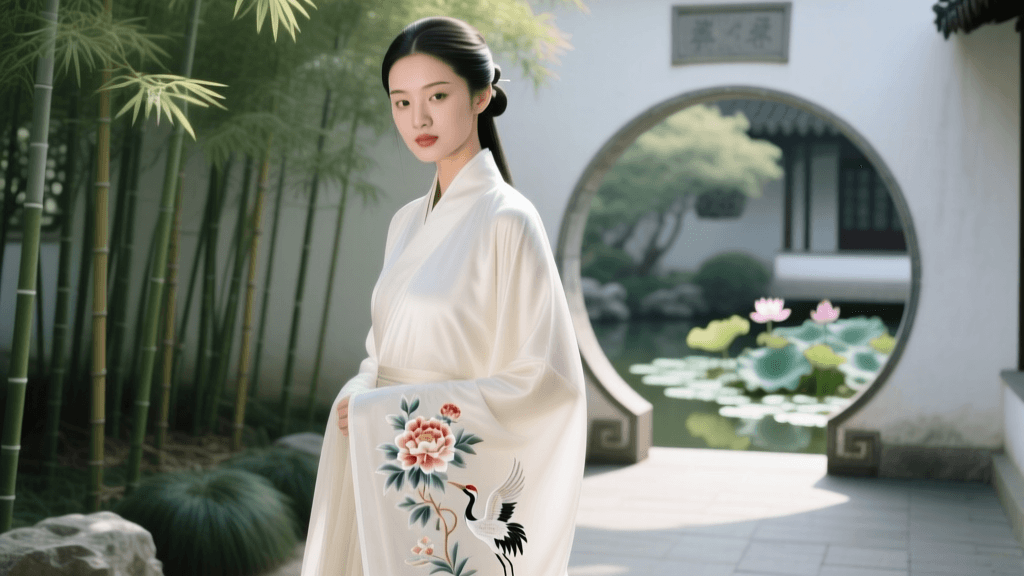
- Heritage Motifs: Subtle embroidery featuring bamboo (resilience), lotus (purity), or cranes (longevity), often rendered in tonal threads for a minimalist, modern look.
Building Your Xin Zhongshi Capsule Wardrobe
A well-curated capsule wardrobe requires versatile pieces that can be mixed and matched with your existing contemporary clothing. Here is a practical, season-spanning guide to the essential Xin Zhongshi garments, complete with estimated costs and styling advice.
1. The Modified Mandarin-Collar Blouse
Cost: $60 - $150
Fabric: Silk-cupro blends, lightweight linen, or washed cotton.
Styling: Swap your standard Oxford button-down for a crisp, white Mandarin-collar blouse. Tuck it into high-waisted tailored trousers or a midi skirt. The lack of a traditional fold-down collar creates a sleek, unbroken line from the chest to the jawline, making it an excellent choice for professional settings. Look for hidden plackets (where the buttons are concealed) to maintain a minimalist profile.
2. The Everyday Mamian (Horse-Face) Skirt
Cost: $80 - $250
Fabric: Woven jacquard, pleated polyester blends, or raw silk.
Styling: The Mamian skirt is a staple of the Ming Dynasty that has experienced a massive revival. Characterized by its flat front and back panels with deeply pleated sides, it is incredibly dynamic in motion. For a modern office look, pair a solid-colored, matte-finish Mamian skirt with a fitted black turtleneck and a structured leather belt. As noted in Vogue's coverage of China's heritage fashion movements, the Mamian skirt has become a symbol of youthful cultural reclamation, frequently styled with chunky sneakers or combat boots for streetwear appeal.
3. The Song Brocade Bomber Jacket
Cost: $150 - $400
Fabric: Modern lightweight jacquard or vegan silk brocade.
Styling: Outerwear is where Xin Zhongshi truly shines. A bomber jacket or a relaxed-fit trench coat crafted from traditional Song brocade patterns (featuring geometric or floral motifs) acts as a statement piece. Keep the rest of your outfit neutral—black denim, a simple white tee, and Chelsea boots—to let the intricate textile take center stage.
4. The Deconstructed Qipao Slip Dress
Cost: $120 - $300
Fabric: Mulberry silk, satin, or velvet for winter.
Styling: The traditional Qipao (Cheongsam) is notoriously form-fitting. The Xin Zhongshi adaptation relaxes the silhouette into an A-line or bias-cut slip dress, retaining the iconic asymmetric neckline and Pankou closures at the shoulder. Layer it over a sheer mesh long-sleeve top for autumn, or wear it alone with a tailored oversized blazer for evening events.
Traditional vs. Xin Zhongshi: A Practical Comparison
Understanding the difference between historical garments and their modern adaptations is crucial for online shopping and styling. Below is a comparison chart to help you identify true Xin Zhongshi pieces versus traditional replicas.
| Feature | Traditional Garment (Hanfu/Qipao) | Xin Zhongshi (Modern Adaptation) |
|---|---|---|
| Closure | Hand-knotted Pankou frogs, ties, and sashes. | Magnetic snaps, hidden zippers with decorative faux Pankou. |
| Fabric Weight | Heavy silk brocade, raw hemp, stiff linens. | Lightweight jacquard, linen-cotton blends, breathable cupro. |
| Silhouette | Strict, voluminous, entirely flat-cut (2D). | Tailored, darted, A-line, or slim-fit (3D tailoring hybrid). |
| Length | Floor-sweeping or strict historical calf-lengths. | Midi, mini, and asymmetrical hems for urban mobility. |
| Maintenance | Dry clean only, highly delicate, requires ironing. | Machine washable (gentle cycle), wrinkle-resistant blends. |
Sizing and Measurement Guide: Navigating the 'Flat Cut'
One of the most common hurdles for international buyers exploring Asian fashion is sizing. Traditional Chinese garments utilize pingmian caizhi (flat cutting), which means the garment is cut in a T-shape without shoulder seams or bust darts. While Xin Zhongshi incorporates Western tailoring, many designers retain the relaxed, dropped-shoulder aesthetic of flat cutting.
When shopping for Xin Zhongshi tops and jackets, do not rely solely on standard S/M/L sizing charts. The drape is intentional; a garment that looks 'oversized' on a hanger is designed to fall elegantly across the collarbones.
Actionable Sizing Advice:
- Shoulder Width: For modified Tangzhuang jackets, add 5 to 8 cm (2 to 3 inches) to your exact shoulder measurement to achieve the correct dropped-shoulder drape.
- Bust/Chest: Because flat-cut garments lack darts, the bust measurement of the garment must be at least 10 cm (4 inches) larger than your actual body measurement to prevent the fabric from pulling across the chest and distorting the Mandarin collar.
- Sleeve Length: Traditional aesthetics favor sleeves that extend past the wrist bone, sometimes covering half the hand. Check the sleeve length measurement carefully; if you prefer a modern, tailored cuff, you may need to size down or budget $15-$25 for a local tailor to adjust the hem.
Fabric Guide: What to Look For
The soul of the New Chinese Style lies in its textiles. When browsing online boutiques or independent designers, prioritize these specific fabrics to ensure authenticity and longevity:
- Xiangyunsha (Gambiered Gauze): A highly prized, heritage silk from Guangdong province, dyed with plant extracts and river mud. It has a unique, slightly crisp texture, a dark, earthy sheen, and is naturally antibacterial. Best for: Summer outerwear and premium skirts.
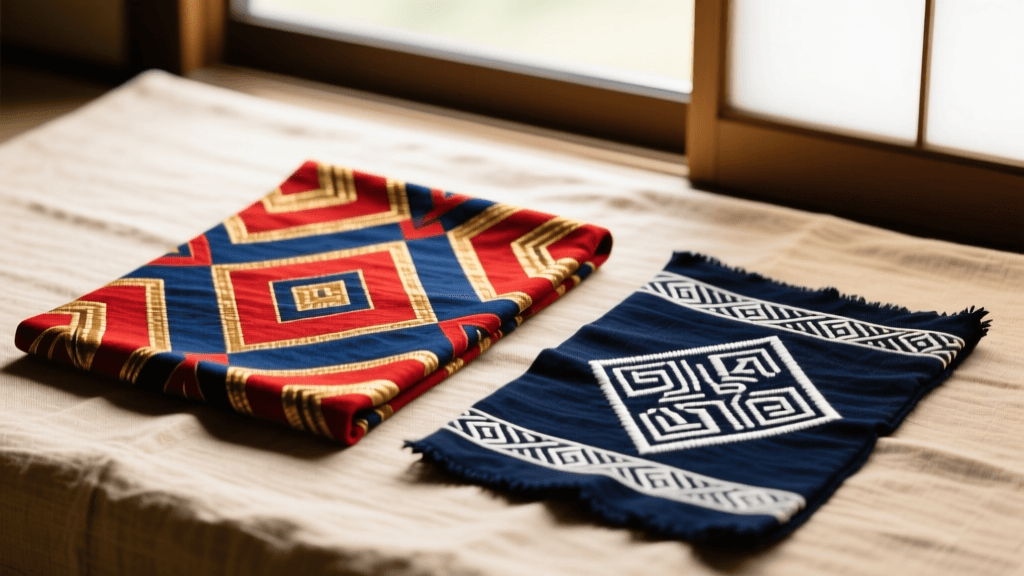
- Song Brocade (Songjin): Originating from the Song Dynasty, this fabric features intricate, tone-on-tone woven patterns rather than loud, contrasting embroidery. Modern Xin Zhongshi designers often use cotton-blended Song Brocade to make it machine-washable. Best for: Bomber jackets, structured vests, and handbags.
- Bamboo-Linen Blends: For a more understated, scholarly aesthetic (often associated with the 'Zen' or tea-culture lifestyle), bamboo-linen provides excellent breathability and a beautiful, slubbed texture that softens with every wash. Best for: Relaxed trousers, tunics, and spring layering pieces.
Garment Care and Maintenance
To preserve the structural integrity of Pankou closures and the sheen of heritage-inspired textiles, proper care is essential. Never hang heavy Mamian skirts or brocade jackets on wire hangers, as the weight of the fabric will distort the shoulders and pleats. Instead, use padded, velvet-lined hangers. For garments with genuine hand-knotted Pankou frogs, always fasten the buttons before washing or storing to prevent the silk loops from stretching or snagging on other items in your wardrobe. If your piece features metallic woven threads (common in festive Mamian skirts), steam it on a low setting using a pressing cloth to avoid melting the synthetic metallic fibers.
Conclusion
The Xin Zhongshi movement is a testament to the enduring power of cultural heritage when reimagined through a modern lens. By investing in a carefully curated capsule wardrobe featuring modified Mandarin blouses, versatile Mamian skirts, and intricately woven outerwear, you can participate in this dynamic fashion narrative. Focus on quality textiles, respect the nuances of flat-cut tailoring, and embrace the elegant fusion of ancient aesthetics and contemporary life.