Suzhou Embroidery: Mastering Su Xiu for Modern Hanfu Design
The Legacy of Suzhou Embroidery (Su Xiu)
When discussing the pinnacle of Asian textile arts, few traditions command as much reverence as Suzhou embroidery, universally known as Su Xiu. Originating in the Jiangsu province over 2,000 years ago, this meticulous craft is celebrated for its delicate patterns, elegant colors, and extraordinary needlework. According to the Victoria and Albert Museum, Chinese embroidery has long been a marker of social status, cultural identity, and artistic mastery, with Su Xiu standing at the absolute forefront of the Four Great Embroideries of China.
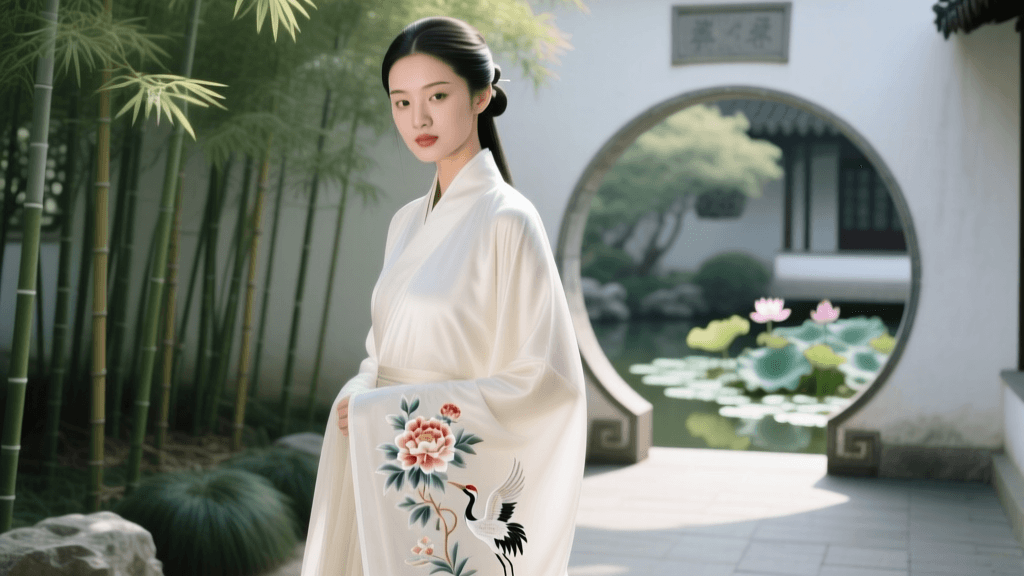
Today, as the Hanfu revival movement sweeps across the globe, modern designers and enthusiasts are increasingly looking to Su Xiu to elevate traditional garments from simple reproductions to wearable masterpieces. Whether adorning the sweeping hem of a Ming dynasty mamianqun (horse-face skirt) or the subtle cuffs of a Song dynasty beizi, Suzhou embroidery breathes life into silk. This comprehensive guide explores the technical mastery of Su Xiu, actionable advice for integrating it into modern Hanfu design, and the practical realities of sourcing and commissioning these exquisite textiles.
The Anatomy of Su Xiu: Silk Thread Preparation
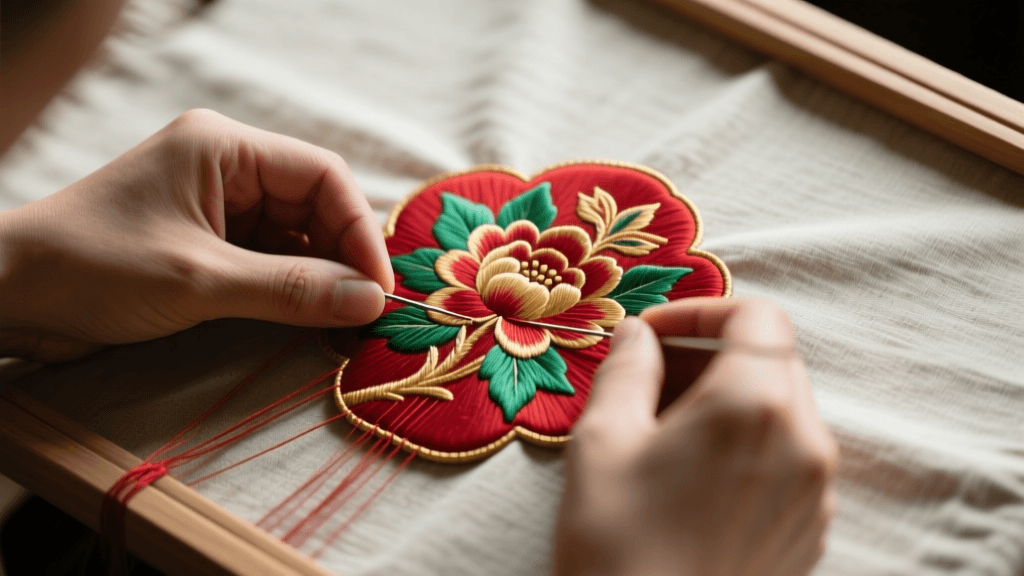
The secret to the photorealistic and breathtakingly smooth gradients in Suzhou embroidery lies in the preparation of the silk thread. Unlike standard cotton or wool embroidery floss, Su Xiu utilizes unspun mulberry silk filaments. A single strand of embroidery silk is composed of two main plies, and each ply contains multiple microscopic filaments. Master artisans practice the art of thread splitting, known as "pi xian", to achieve unparalleled fineness.
Actionable Guide to Silk Thread Splitting
- Standard Thread (1/1): Used for bold outlines and couching metallic threads. Suitable for heavy 30-momme silk brocades.
- Half Thread (1/2): Achieved by separating the two main plies. Ideal for filling large floral motifs on a mamianqun.
- Quarter Thread (1/4): Created by splitting one ply in half. Used for detailed leaves and secondary patterns.
- Sixteenth Thread (1/16): The realm of master artisans. This microscopic filament is used for shading, creating seamless color transitions in petals and bird feathers.
- Sixty-Fourth Thread (1/64): Reserved for the most hyper-realistic details, such as the pupils of a koi fish or the delicate whiskers of a cat. At this gauge, the silk is nearly invisible to the naked eye, requiring a magnifying glass and immense patience.
For modern Hanfu makers attempting Su Xiu at home, it is recommended to start with 1/2 or 1/4 splits using a size 12 or 15 sharp embroidery needle. Ensure your hands are meticulously clean and moisturized, as dry skin will snag and break the delicate silk filaments.
The Art of Silk Dyeing
Before a single stitch is cast, the raw silk threads must be dyed. Su Xiu artisans utilize a vast palette of up to 1,500 distinct shades, achieved through meticulous vat dyeing and gradient dipping. To create a seamless ombre effect on a single lotus petal, an artisan might use up to twelve slightly varying shades of pink, transitioning from a deep magenta at the base to a translucent blush at the tip. When sourcing threads for your own Hanfu projects, seek out brands that offer pre-dyed, colorfast mulberry silk specifically graded for embroidery, ensuring the dyes will not bleed when exposed to ambient humidity or light perspiration.
Core Stitching Techniques for Hanfu Embellishment
Suzhou embroidery boasts over 40 distinct stitch types, but a few are particularly relevant when embellishing traditional Chinese garments. The choice of stitch dictates the texture, drape, and visual weight of the Hanfu piece.
Ping Xiu (Flat Stitch)
The flat stitch is the foundation of Su Xiu. The threads are laid parallel to one another without overlapping, creating a smooth, satin-like surface. In Hanfu design, Ping Xiu is perfect for rendering the crisp, geometric borders often found on Ming dynasty collars and lapels. Because the stitches are flat, they do not add unwanted bulk to the garment, preserving the natural drape of the silk.
Luan Xiu (Random or Messy Stitch)
Despite its name, Luan Xiu is highly controlled. The stitches cross over one another at varying angles and lengths, mimicking the texture of fur, feathers, or rough bark. When designing a winter Hanfu cloak (doupeng) featuring cranes or phoenixes, Luan Xiu is essential for giving the bird's plumage a three-dimensional, lifelike quality. As noted by The Metropolitan Museum of Art, the manipulation of silk's natural triangular prism-like structure allows it to catch light at different angles, a property maximized by the Luan Xiu technique.
Dazi Xiu (Seed Stitch)
Composed of tiny, knotted dots, this stitch is used for floral centers, distant foliage, or subtle background textures. It adds a tactile element to the garment without overwhelming the primary motif.
Integrating Su Xiu into Modern Hanfu Design
When commissioning or designing a bespoke Hanfu piece, placement and fabric selection are critical. The embroidery must complement the garment's historical silhouette while accommodating modern wearability.
"True mastery in Su Xiu is not about covering every inch of fabric, but understanding the negative space. The silk speaks; the embroidery merely guides the eye." — Master Embroiderer of the Suzhou Silk Museum.
Fabric Selection and Hoop Tension
For Su Xiu, the base fabric must be taut and stable. A 19-momme silk satin or a 16-momme silk crepe de chine are ideal. Avoid highly slippery fabrics like lightweight chiffon unless backed with a water-soluble stabilizer. When hooping the fabric for a Hanfu sleeve or hem, use a 20cm to 30cm wooden embroidery hoop. The tension should mimic a drumhead; if the silk sags, the stitches will pucker when removed from the hoop, ruining the garment's drape.
Strategic Placement on Historical Silhouettes
- Song Dynasty Beizi (Jacket): Focus on narrow, vertical bands of embroidery along the front lapels and the edges of the wide sleeves. Subtle orchid or bamboo motifs in 1/4 thread splits maintain the era's minimalist elegance.
- Ming Dynasty Aoqun (Jacket and Skirt): The mamianqun offers expansive flat panels. A sprawling peony or dragon motif placed on the front and back panels (using 1/2 thread splits for coverage) creates a regal, structured look.
- Collars and Huling (Detachable Collars): Embroidering a detachable huling allows the wearer to swap out intricate Su Xiu pieces depending on the season or occasion, protecting the delicate needlework from frequent washing.
Sourcing, Costs, and Timing: A Practical Guide
Authentic Suzhou embroidery is a labor-intensive luxury. Understanding the market dynamics is crucial for designers and collectors looking to source genuine Su Xiu Hanfu components. The UNESCO Intangible Cultural Heritage listing for Chinese sericulture and silk craftsmanship underscores the immense cultural and economic value of these artisanal skills.
Below is a comparative breakdown of what to expect when commissioning bespoke Su Xiu motifs for Hanfu garments from artisans in Suzhou or specialized studios.
| Complexity Level | Motif Size (Example) | Thread Split Used | Estimated Time | Average Cost (USD) |
|---|---|---|---|---|
| Beginner / Geometric | 10cm x 10cm (Collar) | 1/2 to 1/4 | 15 - 25 Hours | $150 - $300 |
| Intermediate / Floral | 20cm x 30cm (Sleeve Cuff) | 1/4 to 1/8 | 60 - 90 Hours | $600 - $1,200 |
| Master / Realistic Fauna | 40cm x 40cm (Skirt Panel) | 1/16 to 1/32 | 200 - 400 Hours | $3,000 - $6,000+ |
| Grandmaster / Hyper-real | Full Hemline (Custom) | 1/32 to 1/64 | 1 - 2 Years | $15,000+ |
Tips for Commissioning and Care
When working with an embroidery studio, always request a "sample swatch" (da yang) before approving the full garment. This 5x5cm test piece allows you to verify the colorfastness of the silk dyes and the smoothness of the stitch transitions. Once your Su Xiu Hanfu is complete, never machine wash or aggressively wring the garment. Spot clean with a damp cloth and a pH-neutral silk detergent, and always store the piece flat in a breathable cotton garment bag with natural cedar blocks to deter moths without introducing harsh chemical odors that can degrade the silk proteins.
Preservation and Archival Storage
The longevity of a Su Xiu Hanfu garment depends heavily on archival storage practices. Silk is a protein fiber, making it highly susceptible to UV degradation and environmental acidity. Never store an embroidered Hanfu piece on a wire hanger, as the weight of the heavy silk and dense embroidery will warp the fabric's warp and weft threads over time. Instead, pad the folds with acid-free tissue paper to prevent sharp creases from snapping the delicate embroidery threads. Displaying the garment requires UV-filtering glass and climate-controlled environments maintaining a relative humidity of 45% to 55%, preventing the silk from becoming brittle or fostering mold growth.
Conclusion
Suzhou embroidery is far more than a decorative afterthought; it is the soul of traditional Chinese textile art. By understanding the rigorous mechanics of thread splitting, the historical context of stitch placement, and the realistic investments of time and capital required, modern Hanfu enthusiasts can honor this ancient craft. Whether you are a designer sketching your next collection or a collector seeking a museum-grade mamianqun, embracing the meticulous world of Su Xiu ensures that the legacy of Asian textile arts continues to thrive in the modern wardrobe.