Hakama and Dogi: Martial Arts and Tea Ceremony Uniforms
The Philosophy of the Way of the Cloth
The intersection of Japanese martial arts (Budo) and the traditional tea ceremony (Chado or Chanoyu) is a fascinating study in discipline, mindfulness, and movement. While one discipline is rooted in physical combat and the other in aesthetic hospitality, both share a profound reverence for traditional garments. In Japan, the clothing worn during these practices is not merely a uniform; it is a tool for learning, a physical manifestation of respect, and a boundary that separates the mundane world from the sacred space of the dojo or the chashitsu (tea room).
According to Britannica's comprehensive guide to the kimono and traditional Japanese dress, the evolution of these garments was deeply tied to the samurai class, whose strict codes of conduct influenced both martial and cultural arts. Understanding the nuances of the dogi (training jacket) and the hakama (pleated trousers) provides deep insight into the physical and spiritual requirements of these ancient practices.
Hakama: The Shared Garment of the Dojo and Chashitsu
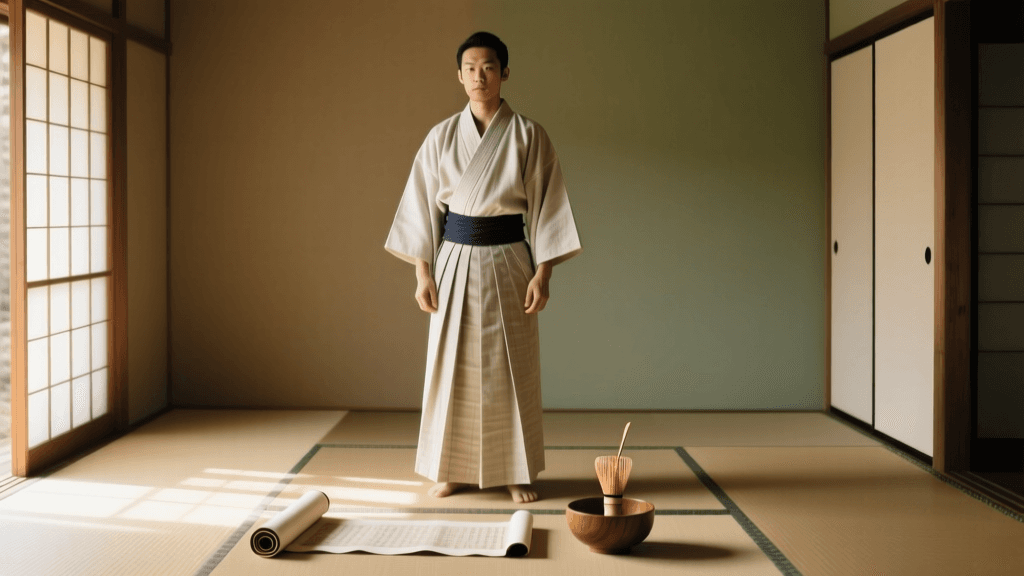
The hakama is perhaps the most iconic garment shared across various Japanese traditions. Originally worn by samurai to protect their legs while riding horses, it evolved into a symbol of status, formality, and martial readiness. Today, it is a staple in Aikido, Kendo, Iaido, and Kyudo, as well as in formal tea ceremonies.
Fabric and Construction Differences
While the silhouette remains similar, the material and construction of a martial arts hakama differ significantly from one used in the tea ceremony.
- Martial Arts Hakama (Budo): Practitioners of Aikido and Kendo require extreme durability. These hakama are typically made from heavy cotton canvas or a trademarked polyester-rayon blend known as Tetron. Tetron is highly prized because it resists wrinkling, holds its pleats permanently, and dries quickly after intense sweating. The fabric is stiff, which helps the garment stand away from the body, allowing for rapid, sweeping movements and hiding the footwork from opponents.
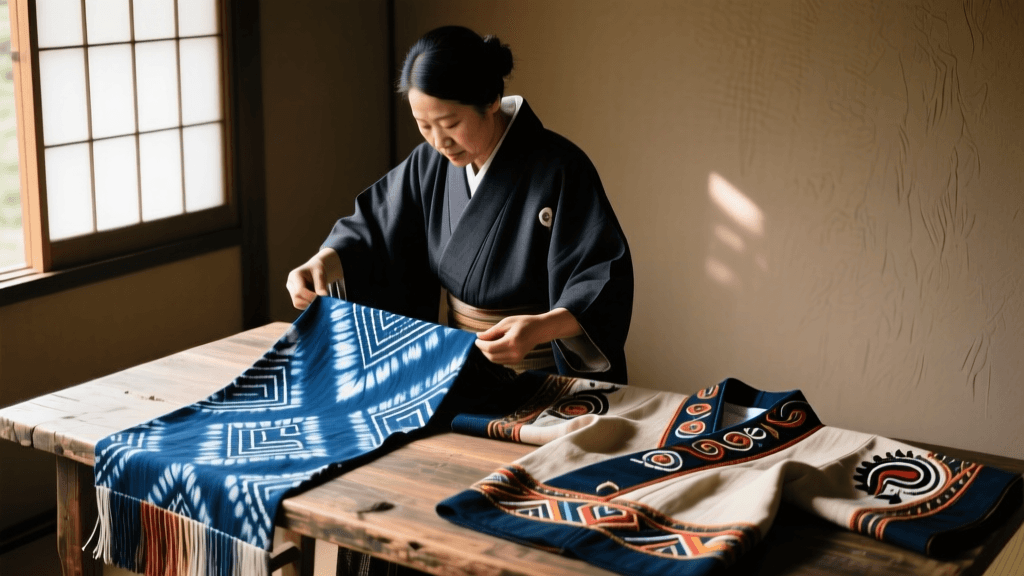
- Tea Ceremony Hakama (Chado): The tea ceremony prioritizes aesthetics, subtlety, and a quiet rustle of fabric. Tea masters and advanced students wear hakama made from silk, silk crepe, or traditional woven textiles like Sendai-hira or Tsumugi. The drape is softer, and the colors are often subdued, featuring intricate but subtle geometric patterns or family crests (kamon). As noted in historical overviews of the tea ceremony, the host's attire must reflect the season and the specific theme of the gathering, making silk the preferred, breathable choice for formal presentations.
Sizing and Measurement Guide
Sizing a hakama correctly is crucial for both safety in martial arts and proper etiquette in the tea room. A hakama that is too long will cause tripping during seated transitions (seiza), while one that is too short looks informal and restricts movement.
How to Measure:
- Stand straight with your feet shoulder-width apart.
- Measure from your navel (heso) down to the prominent bone on the outside of your ankle (kurubushi).
- Subtract 2 to 3 centimeters from this measurement to ensure the hem clears the floor when wearing tabi socks.
- Match this final number to the manufacturer's sizing chart, which is often listed in traditional Japanese units (shaku and sun) or modern centimeters (e.g., Size 22 to 30).
Keikogi vs. Samue: Jackets of Discipline
The upper body garments worn in these traditions also reflect their distinct practical needs. The martial arts jacket, known as a keikogi or simply dogi, is engineered for grappling and striking. A standard Judo or Aikido dogi is woven from heavy 10oz to 12oz cotton sashiko (rice-grain) or hishi (diamond) weave. The thick collar is heavily padded to withstand choking techniques, and the sleeves are cut to allow for wrist grabs while maintaining structural integrity.
Conversely, the samue is the traditional workwear of Zen Buddhist monks, which was adopted by tea practitioners for preparation and outdoor garden work (roji). Made from lightweight cotton or linen, the samue features a simple overlapping jacket and loose, ankle-tied trousers. It is highly breathable and allows for the kneeling, bending, and sweeping required to prepare the tea garden and cleanse the tea utensils. While a dogi is meant to absorb impact, the samue is meant to facilitate mindful, unencumbered labor.
Comparative Guide: Budo vs. Chado Attire
The following table highlights the practical differences between the garments used in these two disciplines, helping collectors and practitioners make informed purchasing decisions.
| Feature | Martial Arts (Budo) | Tea Ceremony (Chado) |
|---|---|---|
| Primary Hakama Fabric | Tetron (Poly/Rayon), Heavy Cotton | Silk, Sendai-hira, Tsumugi |
| Jacket Style | Keikogi (Heavy weave, padded collar) | Kimono, Montsuki, or Samue |
| Typical Cost (USD) | $50 - $150 (Tetron/Cotton) | $250 - $1,000+ (Silk/Formal) |
| Footwear | Barefoot or thin split-toe tabi | White split-toe tabi with zori sandals |
| Maintenance | Machine wash cold, air dry | Dry clean only, specialized folding |
| Pleat Stiffness | Very stiff, permanent heat-set pleats | Soft drape, requires careful pressing |
The Ritual of Maintenance and Folding
In both Budo and Chado, the way a garment is treated after practice is considered just as important as how it is worn. Folding a hakama is a meditative practice that reinforces the mental discipline cultivated during training or tea preparation. According to cultural resources like Japan Guide's exploration of traditional arts, the meticulous care of one's tools and attire is a core tenet of Japanese cultural practices.
Step-by-Step Hakama Folding
Properly folding a hakama preserves the pleats and shows respect to the garment. Follow these steps for a standard 7-pleat hakama:
- Preparation: Lay the hakama face down on a clean, flat surface. Smooth out the back panel, ensuring the koshi-ita (the rigid backboard) is flat.
- Align the Pleats: Turn the hakama face up. Carefully align the five front pleats and the two back pleats. Use your fingers to press the edges sharply.
- Side Folds: Fold the left and right outer edges inward toward the center, aligning them with the outermost front pleats.
- Bottom Fold: Fold the bottom hem up toward the waist. For standard lengths, fold it in half, and then fold it in half again so the hem rests just below the koshi-ita.
- String Wrapping: Cross the long front himo (strings) over the back, bring them to the front, and tie them in a secure, flat knot. Tuck the shorter back strings into the wrapped front strings to create a neat, rectangular package.
Washing and Storage Advice
For Tetron and cotton martial arts hakama, always wash in cold water on a gentle cycle to prevent the cotton from shrinking or the polyester from warping. Never use bleach, as it will weaken the fibers and cause yellowing. Hang dry in a shaded area; direct sunlight will fade indigo and black dyes rapidly. For silk tea ceremony hakama, avoid water entirely. Invest in professional dry cleaning services that specialize in traditional Japanese garments, and store the silk in a breathable cotton sleeve (tatoushi) with natural camphor to deter insects.
Conclusion
Whether you are stepping onto the tatami mats for an Aikido throw or entering the nijiriguchi (crawling-in entrance) of a tea room, the garments you wear dictate your posture, your mindset, and your respect for the tradition. By understanding the distinct material choices, precise measurements, and rigorous maintenance routines of the dogi and hakama, practitioners can deepen their connection to the rich, shared heritage of Japanese martial and cultural arts.