Mastering Kimono Seasonality: Layering & Dressing Rules
The Art of Koromogae: Understanding Kimono Seasonality
In the intricate world of traditional Japanese clothing, seasonality is not merely a matter of comfort; it is a profound cultural expression. The practice of koromogae (衣替え), or the seasonal changing of the wardrobe, dictates exactly when specific garments, fabrics, and motifs are worn. Unlike Western fashion, which often transitions gradually, traditional kimono dressing adheres to strict calendar dates, deeply connecting the wearer to the natural rhythms of the Japanese archipelago. According to The Metropolitan Museum of Art, the kimono's T-shaped structure serves as a canvas for this seasonal dialogue, where layering and textile choices reflect both practical needs and aesthetic philosophies.
Mastering these seasonal transitions requires an understanding of garment construction, undergarment layering, and precise dressing techniques. This guide provides actionable advice, measurements, and cost expectations for navigating the Japanese seasonal wardrobe, ensuring both authenticity and physical comfort throughout the year.
The Three Pillars of Seasonal Kimono
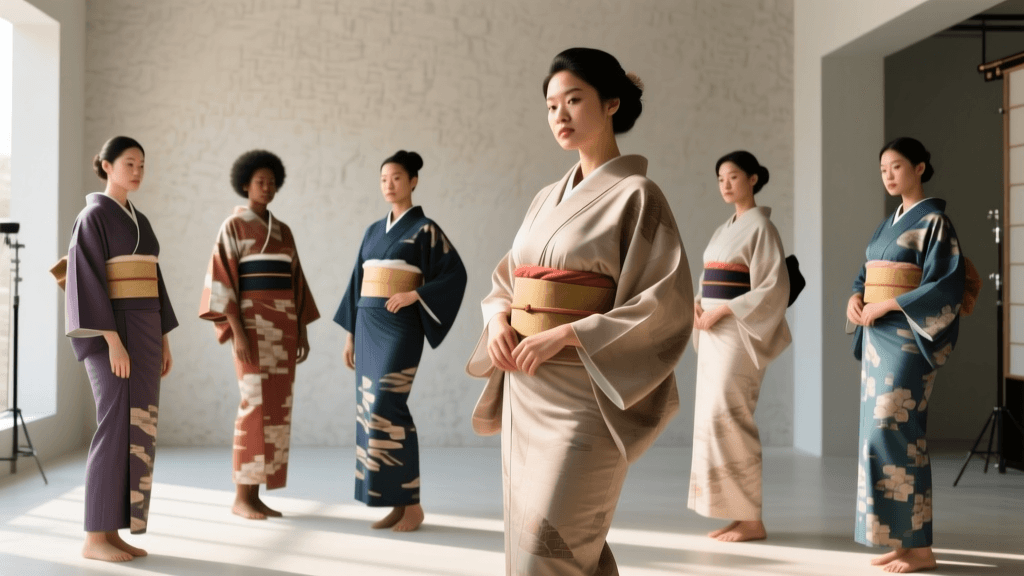
The foundation of kimono seasonality rests on three primary garment types, categorized by their lining and weave. Transitioning between these occurs on two official dates: June 1st and October 1st.
1. Awase (Lined Kimono)
Timing: October 1st to May 31st.
Construction: Features a distinct outer layer and an inner lining, usually made of lightweight silk or synthetic blends.
Materials: Heavy silks (chirimen, rinzu), wool, and modern polyester blends.
Cost Expectations: A quality vintage silk awase ranges from $150 to $500, while brand-new, artisan-crafted silk garments can cost between $1,500 and $5,000+.
Dressing Note: Because of the lining, awase kimono trap heat. In the transitional months of May and October, wearers often opt for lighter linings or breathable cotton nagajuban (undergarments) to prevent overheating.
2. Hitoe (Unlined Kimono)
Timing: June 1st to June 30th, and September 1st to September 30th.
Construction: Made from a single layer of fabric with no inner lining. The seams are finished with specific binding techniques to maintain structure.
Materials: Medium-weight silks, linen, and high-quality cottons.
Cost Expectations: Generally more affordable due to less fabric usage; expect to pay $100 to $400 for vintage, and $800 to $2,000 for new.
Dressing Note: The hitoe is highly breathable. When dressing, the ohashori (waist fold) should be kept neat, as the lack of lining makes the garment drape more fluidly and cling to the body.
3. Usumono (Sheer/Summer Kimono)
Timing: July 1st to August 31st.
Construction: Unlined and woven with an open, sheer technique to allow maximum airflow.
Materials: Ro (leno weave with distinct horizontal lines) and sha (gauze weave).
Cost Expectations: $200 to $800 for vintage; $1,500 to $4,000+ for new, as weaving sheer silk requires immense technical skill.
Dressing Note: Because usumono is transparent, the choice of undergarment is critical. A sheer or beautifully dyed nagajuban is worn beneath, acting as a secondary visual layer.
Month-by-Month Kimono Dressing Guide
To help you navigate the nuances of koromogae, refer to the structured data table below. This chart outlines the precise combinations of outerwear, undergarments, and accessories required for each month.
| Month | Outer Garment | Nagajuban (Undergarment) | Obi & Accessories | Motif Rule |
|---|---|---|---|---|
| Jan - Feb | Awase (Heavy Silk/Wool) | Lined Silk or Quilted | Fukuro Obi, Velvet Obijime | Plum blossoms, Pine, New Year motifs |
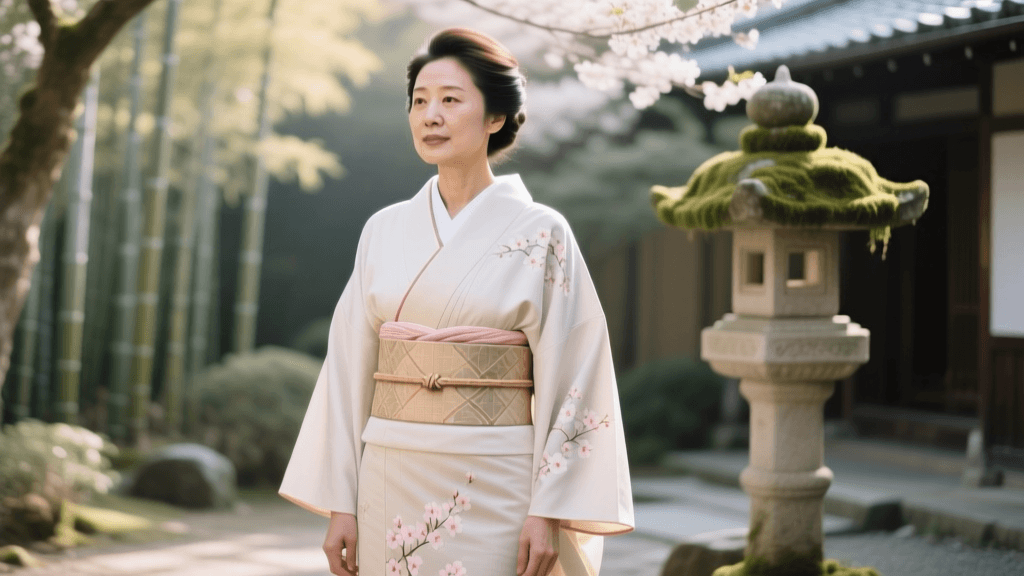
| Mar - Apr | Awase (Standard Silk) | Standard Silk/Synthetic | Nagoya Obi, Silk Obijime | Cherry blossoms (worn before they peak) |
| May | Awase (Lightweight Lining) | Breathable Cotton/Ro | Nagoya Obi, Woven Obijime | Wisteria, Iris, Early Summer flora |
| June | Hitoe (Unlined) | Unlined Cotton or Linen | Hakata Obi, Glass Obidome | Ayame (Iris), Rain motifs, Hydrangea |
| Jul - Aug | Usumono (Ro or Sha) | Sheer Ro or Sha | Sheer Obi, Bamboo/Rattan Obidome | Fireworks, Goldfish, Morning Glory, Water |
| September | Hitoe (Unlined) | Unlined Cotton/Synthetic | Nagoya Obi, Autumn-tone Obijime | Susuki (Pampas grass), Full Moon, Maple |
| Oct - Nov | Awase (Standard Silk) | Standard Silk/Synthetic | Fukuro or Nagoya Obi | Chrysanthemum, Autumn leaves, Ginkgo |
| December | Awase (Heavy/Wool) | Lined or Quilted | Fukuro Obi, Festive Obijime | Camellia, Snow rings, Winter preparation |
Strategic Layering: The Role of the Nagajuban
The nagajuban is the foundational undergarment that protects the delicate outer kimono from sweat and body oils while providing structural support. Seasonal dressing relies heavily on swapping this layer.
- Winter Layering (Dec-Feb): Use a lined nagajuban or add a hada-juban (undershirt) and suteteko (long cotton leggings) beneath. For extreme cold, specialized quilted inner jackets called kimono shitagi can be worn. Ensure the eri-shin (collar stay) is rigid to support the heavy collar.
- Summer Layering (Jul-Aug): Swap to a kohada-juban (a half-length undergarment that stops at the hips) paired with suteteko made of cooling shijira (seersucker-like cotton). This eliminates bulk around the torso, allowing the sheer usumono kimono to drape elegantly while maximizing airflow.
Practical Dressing Techniques for Seasonal Comfort
Dressing in a kimono involves precise measurements and tying techniques that must be adapted for seasonal comfort. As highlighted by the Victoria and Albert Museum, the structural integrity of the kimono relies on the obi and the waist fold, but these can be manipulated for temperature regulation.
Adjusting the Ohashori (Waist Fold)
The ohashori is the horizontal fold of fabric visible at the waist, created because kimono are woven to a standard length (usually around 160cm) and must be folded to fit the wearer's height. The standard visible drop of the ohashori is 5 to 7 centimeters.
- Winter Technique: Keep the ohashori perfectly level and slightly puffed to trap a layer of warm air against the abdomen. Use a thick, padded koshihimo (tying cord) to secure it without cutting off circulation over heavy layers.
- Summer Technique: Pull the ohashori slightly tighter and flatter against the body to reduce fabric bulk. Some modern dressers use a technique called ohashori-nashi (hiding the fold entirely by tucking it under the obi) for casual summer yukata or thin hitoe, which drastically reduces torso insulation.
Obi Selection and Tying
The obi is the most expensive and structurally vital component of the outfit. Its width and stiffness dictate the formality and seasonal appropriateness of the ensemble.
- Nagoya Obi (Width: 30cm / 12 inches): Pre-folded and stitched at the narrow end. Ideal for hitoe and casual awase. In summer, choose unlined hakata-ori or sheer ro Nagoya obi. The standard knot is the otaiko musubi (drum knot), which sits flat against the lower back.
- Fukuro Obi (Width: 68cm / 27 inches): Fully patterned and lined, reserved for formal awase kimono (like furisode or houmongi). Never wear a heavy, lined fukuro obi with a summer usumono kimono; the visual and physical weight will clash terribly. Cost: $300 to $3,000+.
The Golden Rule of Seasonal Motifs
One of the most fascinating aspects of Japanese dress is the rule of anticipating the season. You should never wear a motif at its absolute peak or after it has passed. Instead, motifs are worn roughly one month before they appear in nature. For example, cherry blossom (sakura) motifs are worn in March, while the actual flowers bloom in April. Once the flowers fall, wearing the motif is considered late and aesthetically discordant. Similarly, autumn maple leaves are worn in October and November, before the trees fully turn. This practice, documented extensively by the Japan National Tourism Organization (JNTO), reflects a cultural desire to celebrate the anticipation of nature's beauty rather than merely reflecting it.
Conclusion
Mastering kimono seasonality and dressing techniques is a lifelong pursuit that blends aesthetic sensitivity with practical engineering. By respecting the dates of koromogae, investing in the correct awase, hitoe, and usumono garments, and adjusting your layering and ohashori techniques for temperature control, you honor the deep traditions of Japanese textile culture. Whether you are tying a sheer ro obi in the heat of August or wrapping yourself in a lined silk awase in January, the kimono remains a living, breathing calendar of the natural world.