Xin Zhongshi Fashion 2026: The Ultimate New Chinese Style Guide
The Evolution of Xin Zhongshi in 2026
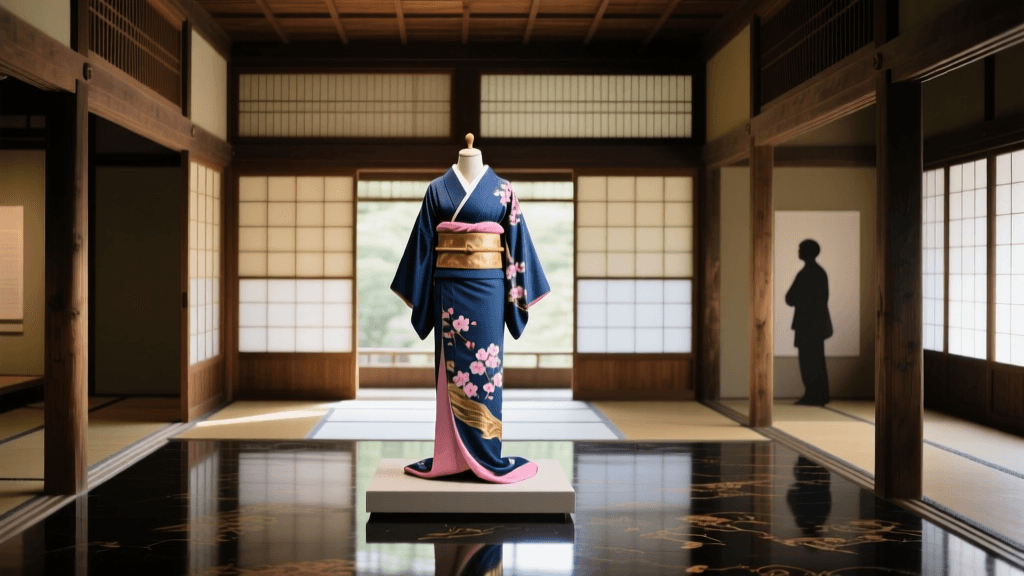
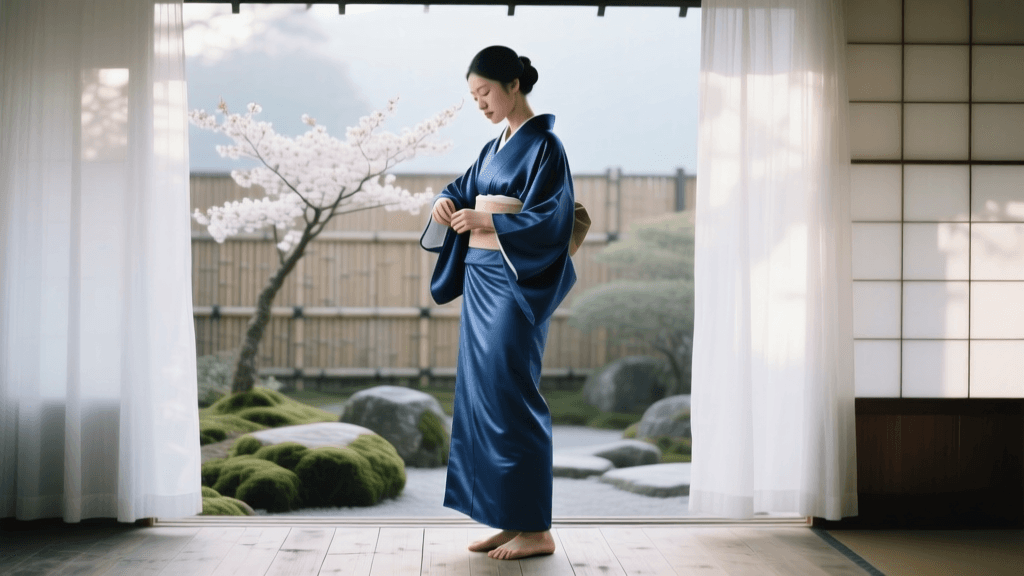
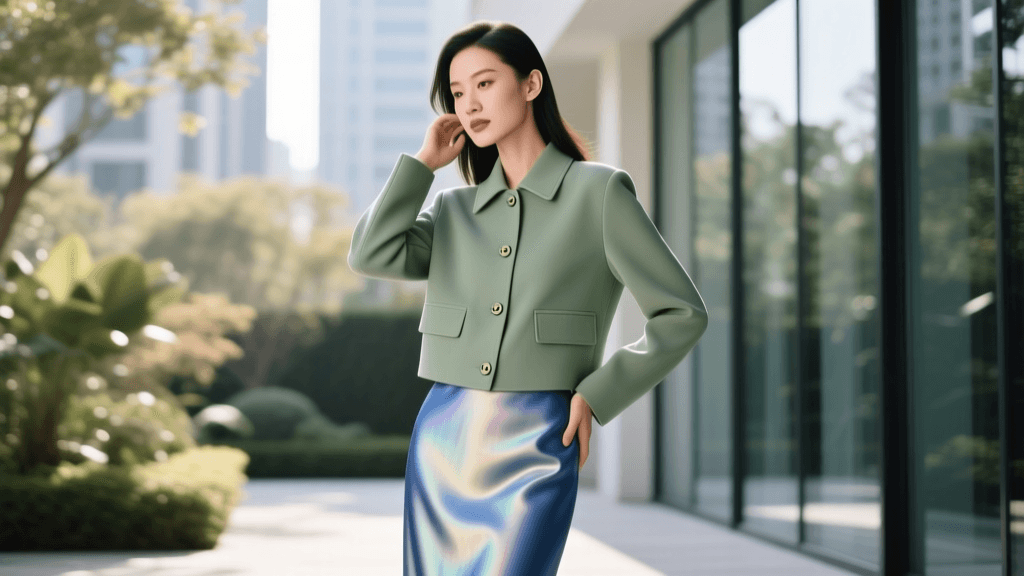
The sartorial landscape of Asia has undergone a profound transformation over the last decade, culminating in the dominant fashion movement of 2026: Xin Zhongshi (新中式), or 'New Chinese Style.' Moving far beyond the costume-like reproductions of the early Hanfu revival, Xin Zhongshi represents a sophisticated, highly wearable synthesis of Ming and Song dynasty silhouettes with contemporary urban tailoring. In 2026, this aesthetic is no longer confined to niche subcultures or festive holidays; it is the foundation of a modern capsule wardrobe for professionals, creatives, and fashion enthusiasts globally.
At its core, the 2026 Xin Zhongshi movement prioritizes structural elegance, heritage textiles, and functional modernity. Designers are reimagining ancient garment architecture to suit the dynamics of modern city living, integrating hidden pockets, stretch-woven natural fibers, and climate-responsive silk blends. This deep dive explores the essential components of the New Chinese Style, offering actionable guidance on building, styling, and maintaining a Xin Zhongshi wardrobe this year.
Core Pillars of the 2026 New Chinese Style
1. The Modernized Mamianqun (Horse-Face Skirt)
The undisputed centerpiece of the Xin Zhongshi wardrobe is the Mamianqun. Historically, the Mamianqun is characterized by its flat front and back panels (the 'horse faces') flanked by pleated sides, originating from the Ming Dynasty. In 2026, the modern iteration retains this striking geometric silhouette but introduces significant functional upgrades. Contemporary versions feature reinforced waistbands with discreet elastication, hidden side-seam pockets, and stain-resistant nano-coatings applied to the silk-satin brocades. The 2026 trend heavily favors midi-length Mamianqun skirts in muted, earthy tones—such as celadon, oxidized bronze, and ink wash grey—making them appropriate for both the boardroom and evening gallery openings.
2. Next-Generation Xiangyunsha (Mud Silk)
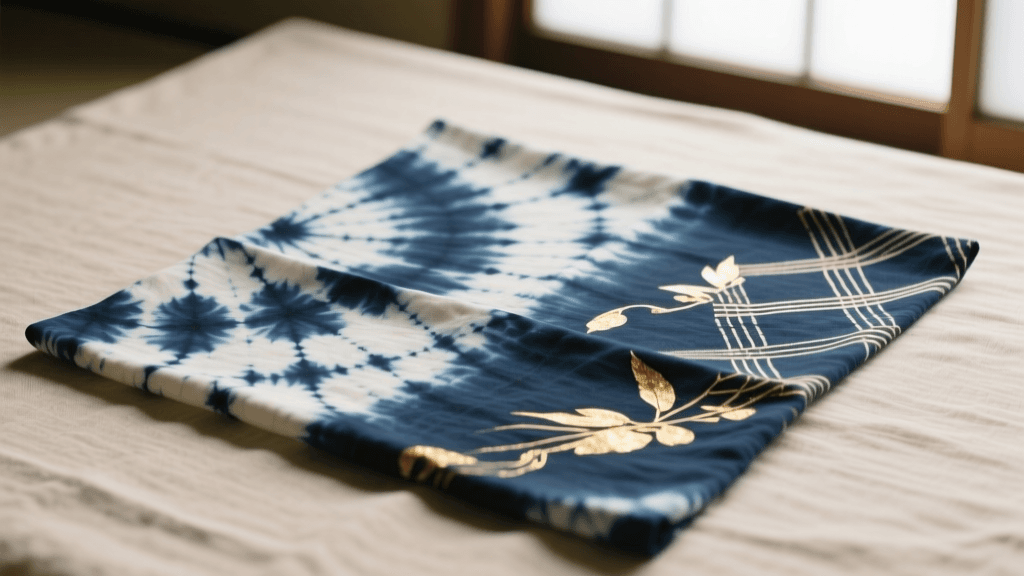
Heritage textiles remain the soul of Xin Zhongshi. Xiangyunsha, a luxurious silk dyed with yam juice and sealed with iron-rich river mud, is prized for its crisp drape, natural cooling properties, and distinctive crackled texture. As recognized by UNESCO's Intangible Cultural Heritage list, traditional Chinese sericulture and silk craftsmanship require immense skill. In 2026, textile innovators have developed 'Tech-Xiangyunsha,' which undergoes a secondary bio-enzyme wash to soften the traditionally stiff hand-feel, making it ideal for draped blouses and relaxed-fit bomber jackets without sacrificing the fabric's legendary durability and antimicrobial properties.
3. Architectural Pan Kou (Frog Buttons)
The traditional Pan Kou (knotted frog button) has evolved from a purely functional closure into a focal point of hardware design. The 2026 collections feature 'architectural Pan Kou,' where traditional silk knotting is replaced or reinforced with matte titanium, brushed brass, and lab-grown jade composites. These modernized fasteners are often oversized, serving as asymmetrical lapel pins or structural closures on modified Mao-collar blazers and Song-style Beizi (long vests).
Traditional Hanfu vs. 2026 Xin Zhongshi: A Comparison
Understanding the distinction between historical recreation and modern adaptation is crucial for curating an authentic New Chinese Style wardrobe. Below is a comparative analysis of traditional garments versus their 2026 Xin Zhongshi counterparts.
| Feature | Traditional Hanfu / Historical Qipao | 2026 Xin Zhongshi (New Chinese Style) |
|---|---|---|
| Silhouette & Fit | Loose, voluminous, requires precise historical layering and tying. | Structured, tailored, integrates modern darts, zippers, and elastic. |
| Fabric Care | Dry-clean only; highly susceptible to water spots and snags. | Often treated; many tech-silks and bamboo blends are machine-washable on delicate. |
| Length & Mobility | Floor-grazing skirts and trailing sleeves; limits fast-paced mobility. | Midi and tea-length hems; tapered sleeves designed for typing and commuting. |
| Price Range (USD) | $80 - $300 (Mass market) / $1,000+ (Custom historical) | $120 - $450 (Ready-to-wear designer) / $800+ (Artisanal Xiangyunsha) |
| Styling Context | Festivals, photography, cultural ceremonies. | Daily office wear, street style, fine dining, international travel. |
Building Your 2026 Xin Zhongshi Capsule Wardrobe
To successfully integrate Asian traditions into a contemporary closet, focus on versatile anchor pieces that bridge the gap between ancient aesthetics and modern utility.
- The Modified Song-Style Beizi (Long Vest): A sleeveless, open-front vest that falls just below the knee. In 2026, look for versions crafted from heavy crepe silk or structured linen-cotton blends. It acts as an elegant alternative to the Western trench coat or longline blazer. Layer it over a simple turtleneck and tailored trousers for a minimalist, intellectual aesthetic.
- The Zhongshan-Hybrid Blazer: Drawing inspiration from the Zhongshan suit (Mao suit), the 2026 hybrid features the iconic stand-up Mandarin collar but utilizes the relaxed, dropped-shoulder construction of modern European tailoring. Opt for charcoal or deep plum wool-blends with hidden frog-button closures for a sleek, uninterrupted facade.
- The Everyday Mamianqun: Invest in a high-quality, mid-weight jacquard skirt. The 2026 market offers exceptional ready-to-wear options in the $180 to $250 range. Choose a skirt with a matte finish and subtle, tone-on-tone weaving patterns (such as bamboo or crane motifs) rather than high-shine metallic threads, which can skew too theatrical for daytime wear.
- The Xiangyunsha Bomber Jacket: A masterclass in East-meets-West styling. The traditional mud-silk is cut into the universally flattering bomber silhouette, featuring ribbed cuffs and a subtle stand collar. It pairs effortlessly with denim or wide-leg linen pants.
Footwear and Accessory Pairings
The golden rule of Xin Zhongshi in 2026 is contrast. Avoid pairing traditional garments with historically accurate footwear (like cloth boots or embroidered slippers) for daily wear, as this pushes the outfit into costume territory. Instead, ground your Mamianqun with chunky leather loafers, minimalist white sneakers, or architectural ankle boots. The juxtaposition of a flowing, pleated Ming-dynasty skirt with a sleek, modern leather boot creates the dynamic tension that defines the New Chinese Style.
When it comes to accessories, less is more. The intricate brocades and structural collars of Xin Zhongshi garments command attention. Supplement your look with modernized jade jewelry—such as a single, unadorned jadeite bangle or geometric nephrite ear cuffs. Avoid heavy, ornate gold hairpins; instead, secure your hair with matte metal clasps or simple wooden sticks to maintain a clean, contemporary profile.
Garment Care and Storage Maintenance
Preserving the integrity of heritage-inspired textiles requires specific care protocols. Institutions like the Victoria and Albert Museum have long documented the delicate nature of Chinese silk weaving, and while 2026 fabrics are more resilient, proper maintenance is essential to protect your investment.
- Washing Xiangyunsha: Never use alkaline detergents on mud-silk, as they will strip the iron-rich mud coating and alter the color. Use a pH-neutral silk wash in cold water. Gently press the water out—never wring—and dry flat in the shade. The natural crackling sound of the silk will return once fully dry.
- Storing Pleated Mamianqun: Do not hang your Mamianqun by the waistband for long periods, as the weight of the heavy jacquard fabric will stretch the pleats. Instead, fold the skirt along its natural pleat lines, wrap it in acid-free tissue paper, and store it flat in a breathable cotton garment bag.
- Maintaining Frog Buttons: If your Pan Kou are made of traditional silk thread, avoid catching them on rough surfaces. For the 2026 titanium and jade composite buttons, simply wipe them with a damp microfiber cloth to remove oils and maintain their matte finish.
Conclusion
The Xin Zhongshi movement of 2026 is a testament to the enduring power of Asian traditions when thoughtfully adapted for the modern world. By understanding the historical roots of garments like the Mamianqun and embracing the functional innovations of contemporary textile design, you can cultivate a wardrobe that is deeply rooted in culture yet entirely relevant to today's global lifestyle. The New Chinese Style is not merely a trend; it is a sophisticated, living dialogue between the past and the future of fashion.