Guide to Japan's Best Kimono Museums and Heritage Sites
The Living History of Japanese Textiles
For centuries, the kimono was the standard garment of Japan, serving as a canvas that reflected the wearer's social status, age, marital status, and the changing of the seasons. Today, while the kimono is primarily reserved for formal occasions and festivals, its legacy is fiercely protected by a network of world-class museums and regional heritage sites. For textile enthusiasts, fashion historians, and cultural travelers, exploring these institutions offers an unparalleled glimpse into the meticulous craftsmanship of Japanese weaving, dyeing, and embroidery.
Unlike Western fashion museums that often focus on the evolution of the silhouette, Japanese kimono museums emphasize the surface design, the mastery of the loom, and the profound symbolism embedded in every motif. According to The Metropolitan Museum of Art's Heilbrunn Timeline of Art History, the kosode (the precursor to the modern kimono) evolved from a simple undergarment in the Heian period to the principal outer garment of the Edo period, driving an explosion of artistic innovation in textile design. To truly understand this evolution, one must visit the institutions dedicated to its preservation.
Top Kimono and Textile Museums in Japan
Tokyo National Museum (TNM)
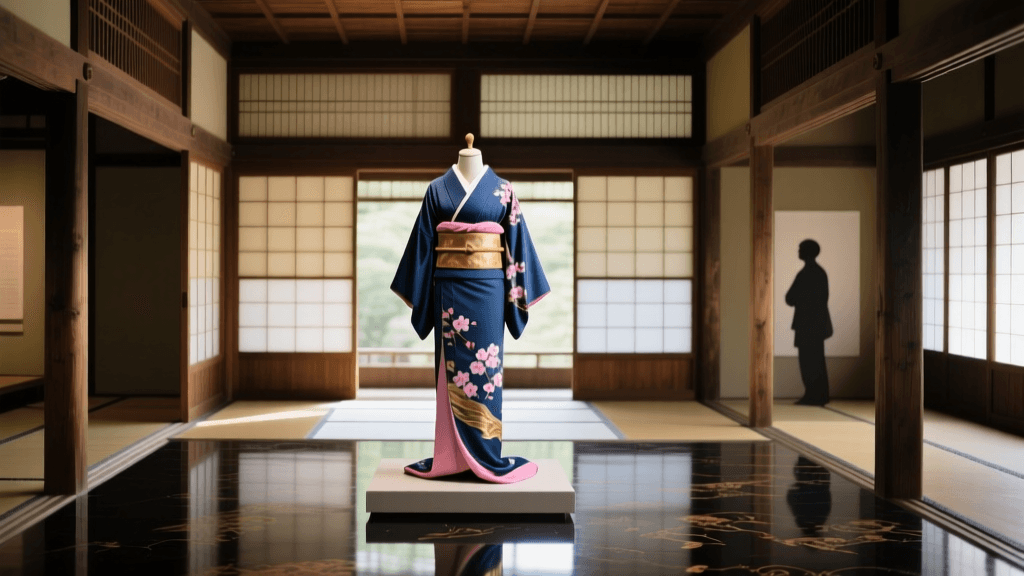
Located in the sprawling Ueno Park, the Tokyo National Museum is Japan's oldest and most prestigious national museum. Its Honkan (Japanese Gallery) houses an extraordinary permanent collection of textiles, though due to light sensitivity, the specific garments on display are rotated every few months. The second floor of the Honkan is dedicated to the arts of the samurai and the merchant classes, featuring exquisite Edo-period kosode, formal Noh theater costumes, and intricate uchikake (wedding over-robes).
Visitors can observe the transition from the understated elegance of the Muromachi period to the flamboyant, gold-leaf-laden styles of the Genroku era (1688–1704). The museum's collection of Noh shozoku (Noh costumes) is particularly breathtaking, showcasing heavy silk brocades (karaori) that were woven specifically to catch the dim light of the traditional stage.
Kyoto National Museum (KNM)
As the cultural heart of Japan, Kyoto is synonymous with traditional arts, and the Kyoto National Museum reflects this heritage brilliantly. The modern Heisei Chishinkan wing, designed by Yoshio Taniguchi, provides a climate-controlled, minimalist backdrop that allows the vibrant colors of antique textiles to pop. KNM is particularly renowned for its collection of religious garments, including Buddhist kesa (priestly robes) woven with gold and silver threads, and imperial court attire from the Heian period.
Kyoto was the epicenter of the Nishijin weaving industry and the birthplace of Kyo-Yuzen dyeing. The museum frequently hosts special exhibitions focusing on these local techniques, allowing visitors to see the paper stencils (katagami) and resist-dyeing tools used by master artisans to create the pictorial landscapes that adorn high-end kimono.
Regional Heritage Centers: Ojiya and Yuki
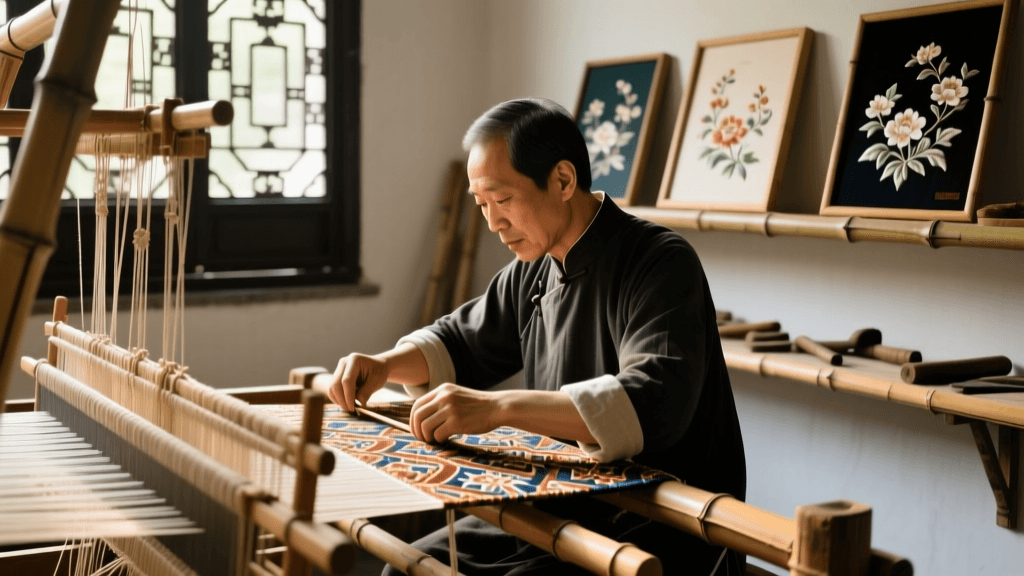
Beyond the major metropolitan museums, Japan's regional heritage sites offer a look into the raw materials and weaving techniques that have earned UNESCO Intangible Cultural Heritage status. The Ojiya-chijimi Textile Museum in Niigata Prefecture celebrates the art of ramie weaving. Ojiya-chijimi is a lightweight, crimped fabric highly prized for summer kimono due to its breathability. Similarly, in Ibaraki Prefecture, the Yuki Tsumugi Museum showcases the labor-intensive process of spinning silk floss by hand and dyeing it with indigo using intricate tie-resist (kasuri) patterns before weaving. These regional centers often feature live demonstrations by master weavers, providing a tactile understanding of the garments you see behind glass in Tokyo and Kyoto.
Museum Comparison Chart
When planning a textile-focused itinerary, it is helpful to understand the distinct focus and logistical requirements of each institution. Below is a comparison of the top destinations for kimono and textile heritage.
| Museum / Site Name | Location | Primary Textile Focus | General Admission (Approx.) | Best Time to Visit |
|---|---|---|---|---|
| Tokyo National Museum (Honkan) | Ueno, Tokyo | Samurai formal wear, Noh costumes, Edo kosode | 1,000 JPY | Autumn (Special textile exhibitions) |
| Kyoto National Museum | Higashiyama, Kyoto | Buddhist robes, Imperial court attire, Yuzen dyeing | 700 JPY | Spring (Cherry blossom season pairings) |
| Ojiya-chijimi Textile Museum | Ojiya, Niigata | Ramie weaving, summer kimono textiles | 300 JPY | Winter (To see the snow-bleaching process) |
| Yuki Tsumugi Museum | Yuki, Ibaraki | Silk floss spinning, indigo kasuri weaving | 500 JPY | Year-round (Live weaving demos) |
Master Dyeing Techniques on Display
A major highlight of visiting these museums is witnessing the sheer variety of dyeing and weaving techniques developed over centuries. Understanding these terms will greatly enhance your appreciation of the exhibitions:
- Shibori: A manual resist-dyeing technique where fabric is bound, stitched, folded, or clamped to create intricate, spiderweb-like patterns. The three-dimensional texture of kanoko shibori (fawn-spot tie-dye) is a marvel of patience, with a single kimono requiring hundreds of thousands of tiny hand-tied knots.
- Yuzen: A paste-resist dyeing method that allows for highly detailed, painterly designs. Artisans apply a rice-paste barrier to the silk before painting vibrant dyes directly onto the fabric, creating sweeping landscapes, flowing rivers, and delicate floral motifs that look like canvas paintings.
- Tsujigahana: A highly prized Muromachi-period technique combining stitch-resist dyeing with ink painting and gold leaf. Because the exact historical methods were lost to time, surviving tsujigahana garments in museum collections are considered national treasures.
- Edo Komon: A micro-pattern dyeing technique originally developed for the samurai class's formal kamishimo. From a distance, the fabric appears to be a solid, muted color, but up close, the museum lighting reveals tens of thousands of tiny, precise dots per square inch.
Navigating Special Exhibitions and Rotation Schedules
One of the most critical aspects of planning a visit to a Japanese kimono museum is understanding the concept of light damage. Silk is an organic protein fiber that is highly susceptible to fading and degradation when exposed to ultraviolet and intense visible light. Consequently, museums like the Tokyo National Museum and Kyoto National Museum strictly limit the display time of their most precious textiles.
A garment may be displayed for only one to three months before being returned to the climate-controlled archives for a "rest" period that can last several years. Therefore, if you are traveling to Japan specifically to see a famous National Treasure textile, such as the legendary Kosode with Autumn Grasses, you must check the museum's official exhibition schedule in advance. Special exhibitions, often held in the spring and autumn, are the best opportunities to see rare, archived pieces brought out for public viewing.
Practical Visitor Etiquette and Preservation Rules
Japanese museums are renowned for their immaculate preservation standards, and visitors are expected to adhere to strict etiquette to protect these fragile artifacts. When visiting kimono and textile exhibitions, keep the following actionable rules in mind:
- Bag Checks and Cloakrooms: Large bags, backpacks, and umbrellas are almost never permitted in the gallery spaces. You will be required to use the free cloakroom or lockers at the museum entrance. This prevents accidental brushing against display cases or artifacts.
- The "No Ink" Rule: Many textile galleries prohibit the use of ink pens for note-taking. A stray drop of ink can permanently destroy a centuries-old silk garment. Always carry a standard graphite pencil if you plan to sketch or take notes in the gallery.
- Photography Restrictions: While some permanent collections allow non-flash photography, special exhibitions frequently ban photography entirely to protect the dyes from cumulative light exposure and to manage crowd flow. Always look for the camera icon with a red slash at the entrance of the gallery.
- Climate Control Awareness: Textile galleries are kept at strict humidity and temperature levels (usually around 20°C and 50% humidity) to prevent mold and fiber brittleness. The rooms may feel slightly cool compared to the humid Japanese summer outside; bringing a light cardigan is advisable for comfort during long viewing sessions.
"The preservation of the kimono is not merely about saving cloth; it is about safeguarding the chemical, botanical, and mathematical knowledge of the artisans who coaxed color and form from nature." — Curator's note on Japanese textile conservation.
Conclusion
Exploring Japan's kimono museums and heritage sites is a deeply rewarding journey into the soul of Japanese aesthetics. From the grand, gold-threaded Noh costumes of the Tokyo National Museum to the rhythmic clacking of the ramie looms in snowy Niigata, these institutions ensure that the artistry of the past continues to inspire the future. By planning your visit around seasonal exhibitions, respecting the delicate nature of the artifacts, and taking the time to understand the grueling craftsmanship behind each thread, you will gain a profound appreciation for the kimono not just as a garment, but as a masterpiece of wearable art.