Kimono & Zen Spirituality: Mindful Dressing Guide 2026
The Intersection of Zen Spirituality and Mindful Kitsuke
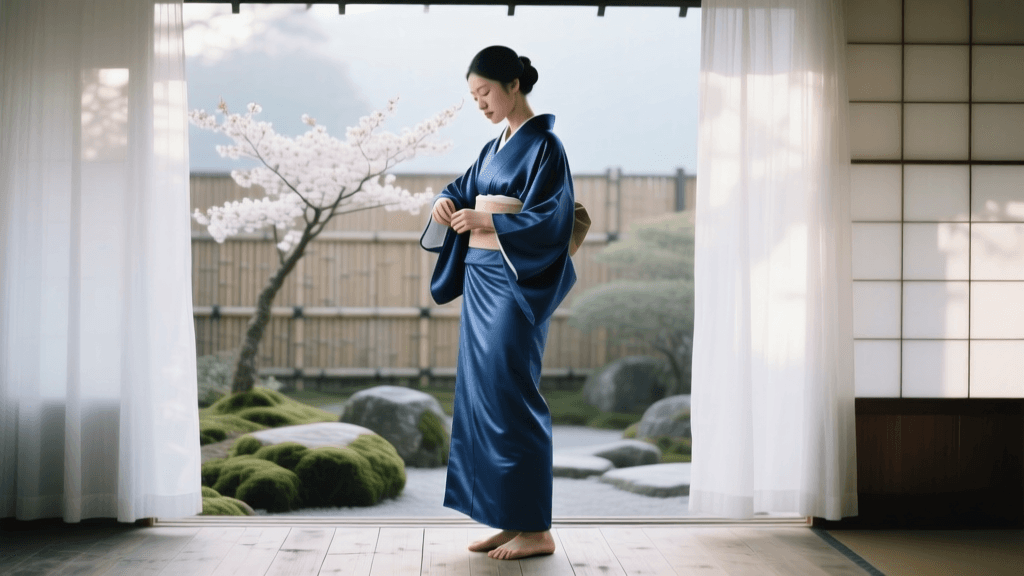
In the rapidly accelerating digital landscape of 2026, seekers of mindfulness are increasingly turning toward the tactile, grounding traditions of the past to combat screen fatigue and sensory overload. Among the most profound of these ancient practices is the intersection of traditional Japanese garments and Zen spirituality. While the kimono is globally recognized as a masterpiece of textile art and cultural heritage, its true depth is revealed in the intimate, deliberate act of wearing it. Known as kitsuke, the process of dressing in a kimono is not merely a sartorial choice; it is a moving meditation, a ritual of presence that prepares the mind and body for deep spiritual work.
At The Garment Atlas, we explore how the physical constraints, sensory inputs, and deliberate movements of mindful dressing can serve as a gateway to zazen (seated meditation) and everyday Zen awareness. By treating traditional garments as a sacred boundary between the chaotic external world and the serene internal landscape, practitioners in 2026 are rediscovering the profound psychological and physiological benefits of traditional Asian dress.
The Philosophy of Samu: Dressing as Working Meditation
In Zen Buddhism, samu refers to "working meditation"—the practice of bringing total, unwavering mindfulness to mundane, physical tasks. Sweeping the temple courtyard, chopping vegetables, and, crucially, dressing are all considered equal in spiritual weight to formal seated meditation. When you engage in mindful kitsuke, you are actively practicing samu. Every fold of the fabric, every adjustment of the collar, and every pull of the silk tie demands your complete, undivided attention.
According to the Metropolitan Museum of Art's Heilbrunn Timeline of Art History, the kimono's T-shaped, straight-seamed construction is fundamentally different from Western tailored clothing. It does not conform to the body's curves; rather, the body must conform to the garment's geometry. This requires a surrender of the ego and an acute awareness of one's physical dimensions. As you wrap the fabric, you are literally constructing a sacred space around your body, a concept deeply tied to the Zen principle of shoji (the boundary between the sacred and the profane). The garment becomes a wearable temple.
Selecting Your Meditation Garments in 2026
Choosing the right garment is the first step in your mindful practice. While formal silk kimono are breathtaking, they are not always practical for daily meditation or active temple chores. In 2026, the most recommended garments for Zen practitioners balance traditional aesthetics with breathability, allowing for the deep diaphragmatic breathing required in meditation. The market has seen a massive surge in sustainably dyed, organic textiles that honor both the earth and the spirit.
| Garment Type | Primary Fabric | Weight & Feel | 2026 Avg. Price (USD) | Best Zen Application |
|---|---|---|---|---|
| Samue | Organic Kurume Cotton / Hemp | Medium, structured | $145 - $180 | Active meditation, samu (temple chores), walking meditation |
| Yukata | Thin, breathable Cotton | Light, flowing | $85 - $120 | Summer breathwork, casual seated meditation, evening wind-down |
| Tsumugi | Silk Pongee (slubbed silk) | Heavy, grounding | $450 - $800 | Winter grounding, formal zazen, deep sensory anchoring |
| Jinbei | Hemp & Cotton blend | Very Light, loose | $60 - $90 | Beginner mindfulness, indoor walking, post-meditation rest |
For those beginning their mindful dressing journey in 2026, the Samue is the most versatile entry point. Originally designed as work clothes for Zen monks, the modern Samue features a jacket and loose trousers that allow for unrestricted cross-legged sitting while maintaining a dignified, structured silhouette. Look for artisans in Kurume, Fukuoka, who are currently pioneering indigo-dyed organic hemp blends that soften beautifully with each wash, recording the passage of time on the fabric itself.
The Step-by-Step Mindful Dressing Ritual
To transform dressing into a spiritual practice, one must slow down the process significantly. A standard kitsuke routine might take five minutes; a mindful kitsuke ritual should take at least twenty. Follow this structured sequence to align your breath with your movements.
Step 1: Misogi (Purification and Grounding) - 3 Minutes
Before touching your garments, stand barefoot on a natural surface (wood or tatami). Close your eyes and practice the 4-7-8 breathing technique: inhale for 4 seconds, hold for 7 seconds, and exhale for 8 seconds. Visualize the stresses of the external world leaving your body through the soles of your feet. This acts as a mental misogi (purification), signaling to your nervous system that you are entering a sacred timeframe.
Step 2: The Juban (Base Layer Alignment) - 5 Minutes
Put on your juban (undergarment). As you smooth the fabric over your shoulders, focus on the senui (the central back seam). In Zen, the spine is the pillar of the spirit. Run your fingers down your spine and ensure the seam rests perfectly against it. This physical alignment promotes mental clarity and prepares the body for the upright posture required in meditation.
Step 3: The Kimono Wrap (Left Over Right) - 7 Minutes
Drape the main garment over your shoulders. Bring the right panel across your body first, followed by the left panel over the right. (Note: Right over left is strictly reserved for dressing the deceased in Japanese culture). As you pull the fabric taut, synchronize your movements with your breath. Inhale as you lift the fabric; exhale as you smooth it down. Feel the tactile sensation of the textile against your skin. If wearing silk Tsumugi, notice the subtle friction and warmth; if wearing cotton Yukata, notice the cool, crisp snap of the weave.
Step 4: Tying the Koshihimo and Obi (The Anchor) - 5 Minutes
The koshihimo (waist tie) and the obi (sash) are the anchors of the garment. The obi should sit exactly two finger-widths below the navel, resting directly on the tanden (the body's physical and spiritual center of gravity in martial arts and Zen). When tying the knot, apply firm, even pressure. This gentle compression on the lower abdomen naturally encourages diaphragmatic breathing, preventing shallow chest breaths and forcing the breath deep into the belly. As noted by cultural authorities like Japan Guide's section on Zen Buddhism, the physical environment and bodily discipline are inextricably linked to mental states; the obi acts as a physical reminder to return to the tanden whenever the mind wanders.
Posture, Zazen, and the Sensory Experience
Once fully dressed, the kimono inherently restricts slouching. The straight seams, the tension of the obi, and the high, snug collar create a physical framework that naturally enforces the upright, alert posture required for zazen. When you sit on your zafu (meditation cushion), the kimono drapes elegantly over your crossed legs, creating a stable, triangular base that mirrors the architecture of a pagoda.
The sensory experience of the garment continues to anchor you throughout the meditation. The subtle rustle of silk or the soft friction of cotton against itself serves as an auditory anchor, similar to the sound of a singing bowl or a temple bell. If your mind drifts to anxieties about the future or regrets about the past, the gentle, restrictive hug of the obi around your tanden provides an immediate tactile cue to return to the present moment. You are held by the garment, just as you are held by the earth.
Modern Applications: 2026 Retreats and Daily Life
In 2026, the integration of mindful kitsuke into daily wellness routines has expanded far beyond the walls of Japanese monasteries. Global mindfulness centers and boutique wellness retreats—from the cedar forests of Kyoto to the coastal meditation centers of California—now offer "Garment & Grounding" workshops. These sessions teach participants how to use the ritual of dressing to transition from the high-stress environment of remote work into a state of deep, restorative presence.
You do not need to be on a formal retreat to practice this. Dedicate ten minutes each morning before your workday begins to mindfully put on a simple cotton Samue or Jinbei. Use the ritual to set an intention for the day. By the time the final knot is tied, your mind will be as smooth, aligned, and purposeful as the seams of the garment itself.
Conclusion
The kimono and its related garments are far more than historical artifacts or fashion statements; they are sophisticated tools for spiritual cultivation. By approaching kitsuke through the lens of Zen samu, we transform a daily chore into a profound meditation on presence, posture, and breath. In an era defined by digital distraction, the mindful wrapping of traditional textiles offers a deeply necessary return to the physical body, proving that the path to enlightenment can begin simply with the way we choose to dress.