Hanfu Life Milestones 2026: Rites, Weddings & Graduations
The Renaissance of Hanfu for Life Milestones in 2026
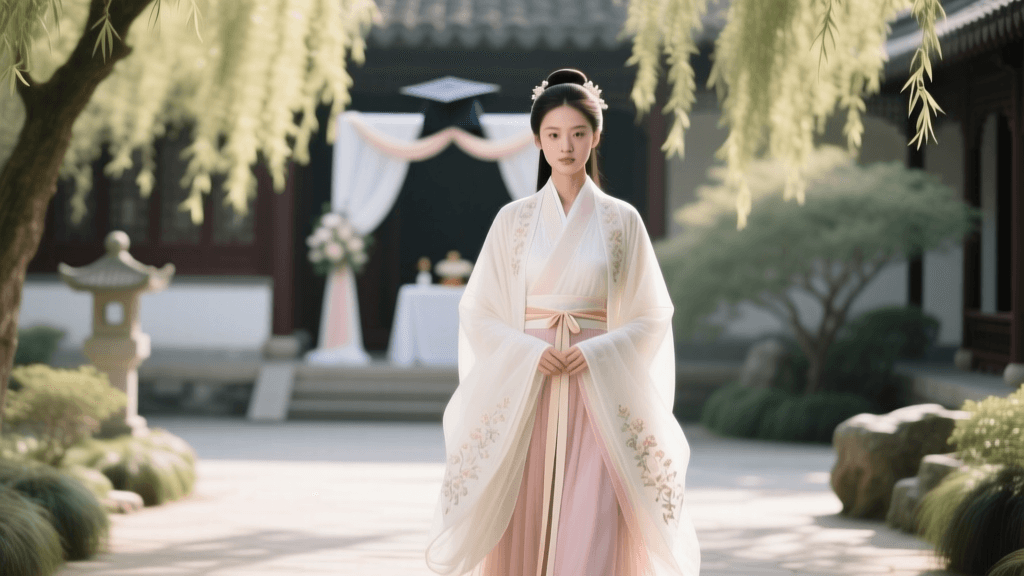
As we navigate through 2026, the global appreciation for traditional Asian garments has reached an unprecedented peak. The Hanfu movement has fully transcended casual streetwear, photography, and cosplay, cementing itself as the premier choice for formal life milestones. Across Asia and within global diaspora communities, individuals are increasingly turning to historically accurate, meticulously crafted Hanfu to mark their most significant life transitions. From the ancient coming-of-age ceremonies to modern university graduations and lavish traditional weddings, Hanfu offers a profound connection to cultural heritage while embracing contemporary tailoring innovations.
This comprehensive guide explores the specific garments, etiquette, and 2026 market trends for wearing Hanfu during major life milestones. Whether you are planning a Guan Li, selecting a wedding ensemble, or preparing for a university commencement, understanding the nuanced rules of fabric drape, layering, and historical context is essential for a flawless ceremonial appearance.
The Coming of Age: Guan Li and Ji Li in the Modern Era
The transition from childhood to adulthood is one of the most sacred milestones in traditional Chinese culture. Historically, this was marked by the Guan Li (capping ceremony for men at age 20) and the Ji Li (hair-pinning ceremony for women at age 15). In 2026, these rites have experienced a massive revival, with universities, cultural societies, and local municipalities hosting grand collective ceremonies that blend ancient liturgy with modern event planning.
Garments for the Guan Li and Ji Li
For these coming-of-age rites, the attire must reflect scholarly virtue, modesty, and maturity. The Shenyi (deep robe), which connects the upper and lower garments into a single piece, is the undisputed standard. Specifically, the Zhuzi Shenyi, popularized during the Song and Ming dynasties, is favored in 2026 for its structured drape and philosophical symbolism, representing the unity of heaven and earth.
- First Addition (Guan Li): A simple black Zhubian Guan (scholar's cap) paired with a plain, unadorned dark blue or black Shenyi.
- Second Addition: A leather or stiffened fabric cap paired with a darker, more formal robe featuring subtle woven geometric borders.
- Third Addition: The formal Juebian (ceremonial cap) worn with a richly colored, multi-layered robe, signifying full adult status and societal responsibility.
For the Ji Li, young women transition through three distinct hairstyles and hairpins, culminating in the elegant Daji (large hairpin) and a flowing Qixiong Ruqun (chest-high skirt) or a dignified Aoqun (jacket and skirt) combination. According to historical encyclopedias detailing Hanfu construction and etiquette, the layering and color progression during these rites are strictly codified to reflect the wearer's growing maturity and social standing.
Hanfu Weddings: Fengguan Xiapei and 2026 Innovations
The traditional Chinese wedding remains a spectacular display of textile artistry. When researching the evolution of the traditional Chinese wedding dress, it becomes clear that the Ming Dynasty Fengguan Xiapei (Phoenix Crown and Rosy Cape) remains the gold standard for brides in 2026. However, modern artisans have introduced significant updates to improve comfort without sacrificing historical grandeur.
The 2026 Bridal Ensemble
The traditional Phoenix Crown was historically a heavy, cumbersome piece weighing up to five kilograms, adorned with kingfisher feathers and solid gold. In 2026, master craftsmen utilize 3D-woven gold threads, lightweight titanium armatures, and ethically sourced synthetic peacock feathers to reduce the crown's weight to under 800 grams. This allows brides to wear the Fengguan throughout the entire tea ceremony and banquet without fatigue.
The Xiapei (rosy cape or stole) is draped over the shoulders and fastened with a jade or gold pendant at the front to ensure the fabric hangs perfectly straight. Brides typically wear a Da Xiu Shan (large-sleeved shirt) in deep crimson or emerald green, featuring intricate Kesi (silk tapestry) weaving. Grooms complement this with the Ming Dynasty Yuanlingpao (round-collar robe) in crimson or dark blue, adorned with rank-badge-inspired embroidery, and topped with a Wusha hat featuring extended wings.
The 2026 Graduation Hanfu Phenomenon
Perhaps the most explosive trend of 2026 is the adoption of Hanfu for university graduations. Moving away from the standard Western academic cap and gown, millions of graduates across Asia are donning traditional attire to receive their diplomas. This movement is heavily influenced by the Xin Zhongshi (New Chinese Style) aesthetic, which prioritizes mobility and modern tailoring while retaining historical silhouettes.
Styling for Commencement
Graduation requires walking across stages, climbing stairs, and sitting for long periods. Therefore, the voluminous sleeves of wedding or ceremonial Hanfu are impractical. Instead, graduates favor the Song Dynasty Beizi (a long, side-slit overcoat) paired with a Baizhequn (hundred-pleat skirt) or tailored Mamianqun (horse-face skirt). The Beizi offers a sleek, vertical silhouette that photographs beautifully and allows for unrestricted movement.
Many universities in 2026 have even introduced official Hanfu sashes or color-coded Pibo (shawls) that correspond to the graduate's faculty—such as deep purple for humanities, emerald for sciences, and gold for engineering—allowing students to express their academic achievements through traditional textile codes.
2026 Sourcing, Pricing, and Fabric Guide
Sourcing high-quality Hanfu for life milestones requires an understanding of the current market. In 2026, the divide between mass-produced fast-fashion Hanfu and bespoke ceremonial wear is wider than ever. For life milestones, investing in bespoke or high-end rental is highly recommended. Below is a comparison of the 2026 market landscape for ceremonial Hanfu.
| Milestone | Recommended Style | 2026 Fabric & Tech | Avg. Purchase Cost (USD) | Avg. Rental Cost (USD) |
|---|---|---|---|---|
| Guan Li / Ji Li | Zhuzi Shenyi / Aoqun | Matte Mulberry Silk, Anti-wrinkle Weave | $250 - $450 | $60 - $90 |
| Wedding (Bride) | Fengguan Xiapei / Da Xiu Shan | Kesi Silk Tapestry, 3D Gold Threading | $1,800 - $5,000+ | $300 - $600 |
| Wedding (Groom) | Yuanlingpao / Wusha Hat | Heavy Brocade, Structured Shoulders | $600 - $1,200 | $120 - $200 |
| Graduation | Song Beizi / Mamianqun | Xin Zhongshi Blends, Hidden Zippers | $120 - $300 | $40 - $75 |
Footwear, Accessories, and Drape Management
The elegance of Hanfu relies heavily on its drape, which is managed through specific accessories and footwear. For formal rites, modern sneakers or Western heels are strictly avoided as they disrupt the historical silhouette and the natural swing of the skirt.
Traditional Footwear
Women typically wear Yunlv (cloud shoes) or embroidered flat slippers with upturned toes. In 2026, many bespoke shoemakers offer Yunlv with hidden memory-foam insoles and reinforced arch support, acknowledging that ceremonial events require hours of standing. Men wear Xuezi (traditional black boots) with thick, layered white soles, which add height and force the wearer into a dignified, upright posture.
The Importance of Yupei (Jade Pendants)
To prevent the lightweight silk skirts from clinging to the legs or blowing inappropriately in the wind, Yupei (jade pendant groups) are tied to the waist sash. The weight of the jade pulls the fabric downward, creating the coveted 'water-flow' drape that is essential for formal photography and ceremonial walking. Furthermore, the clinking sound of the jade is traditionally said to regulate the wearer's walking pace, ensuring a slow, deliberate, and graceful stride.
Etiquette and Styling Rules for Formal Rites
When wearing Hanfu for a milestone event, adhering to traditional etiquette is non-negotiable. The most critical rule is Jiaoling Youren—the left side of the collar must always cross over the right side, forming a 'y' shape at the neckline. Reversing this is historically reserved only for the deceased and is considered highly inauspicious for a wedding or graduation.
Hair must also be managed according to the era being represented. For Ming Dynasty wedding attire, the hair should be pulled back into structured buns to support the heavy headpieces, while Song Dynasty graduation styles allow for softer, half-up arrangements secured with wooden or jade hairpins. For deeper reading on the specific capping and hair-pinning rites, the Guan Li historical archives provide extensive translations of the ancient liturgical texts that govern these ceremonies.
Conclusion: Honoring the Past in 2026
The integration of Hanfu into life milestones is more than a fleeting fashion trend; it is a profound reclamation of cultural identity. As we move through 2026, the availability of historically accurate garments, combined with modern ergonomic improvements, makes it easier than ever to celebrate coming-of-age, marriage, and academic triumphs in traditional attire. By understanding the specific styles, fabrics, and etiquette associated with each milestone, you can ensure that your ceremonial garments are not only visually breathtaking but deeply resonant with centuries of Asian heritage.