Traveling With Hanfu In 2026: Packing Tips & Destinations
The Rise of Hanfu Tourism in 2026
As the Xin Zhongshi (new Chinese style) movement continues to dominate global and domestic fashion in 2026, traveling with traditional Hanfu has evolved from a niche hobby into a mainstream cultural tourism phenomenon. Millions of travelers are now curating destination-specific wardrobes, seeking out historical architecture that perfectly complements their meticulously researched garments. However, traveling with centuries-old silhouettes presents unique logistical challenges. Delicate silks, structured brocades, and intricate pleats require specialized packing techniques to ensure they arrive at your destination in pristine, camera-ready condition.
This comprehensive 2026 guide covers everything from the latest wrinkle-free travel gear to step-by-step folding methods, alongside a curated list of the top destinations for Hanfu photography and cultural immersion this year.
Essential 2026 Gear for Wrinkle-Free Hanfu Travel
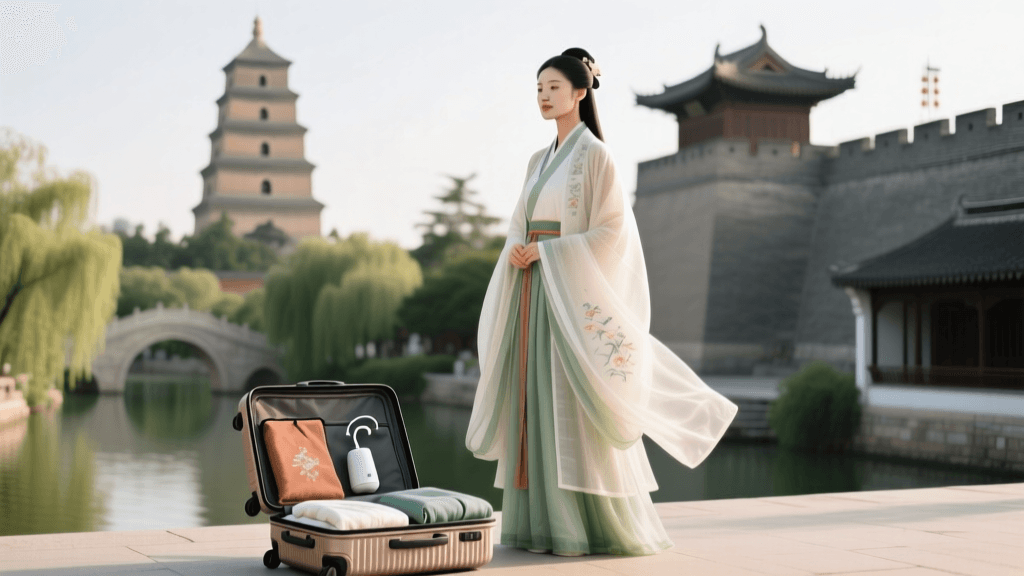
The foundation of a successful Hanfu trip lies in your packing arsenal. Standard suitcases and generic garment bags are insufficient for the structural complexity of traditional Chinese clothing. Here is the essential gear for the 2026 travel season:
- Dual-Voltage Portable Steamers: The latest 2026 models, such as the Panasonic NI-GSD090 or the Philips CompactTouch ST2030, offer rapid heat-up times and micro-steam technology that is safe for delicate silk Ruqun (jackets) and heavy brocade Mamianqun (horse-face skirts). Always ensure your steamer has a ceramic or Teflon-coated soleplate to prevent snagging on gold-woven threads.
- Acid-Free Tissue Paper: Crucial for buffering folds. When packing embroidered collars or stiffened cuffs, layering acid-free tissue paper prevents permanent creasing and protects metallic threads from oxidizing against body oils or moisture.
- Specialized Hanfu Garment Bags: Unlike Western suits, Hanfu garments are often wider and feature trailing elements. Look for breathable, water-resistant canvas garment bags with expandable gussets, specifically designed to accommodate the wide sleeves of a Pifeng (cloak) or a Dahu (Ming dynasty robe).
- Pleat Preservation Clips: For Ming dynasty skirts, specialized silicone-tipped pleat clips are a must-have in 2026. These gently hold the accordion folds in place during transit without leaving indentations or damaging the fabric weave.
The Art of Packing: Preserving Pleats and Embroidery
Different historical eras dictate entirely different packing strategies. The most notorious challenge for Hanfu travelers is the Mamianqun. If folded incorrectly, the signature flat front panels and side pleats will lose their structural integrity, requiring hours of steaming upon arrival.
Step-by-Step Mamianqun Packing Method
- Align the Pleats: Lay the skirt flat on a clean surface. Carefully align every single side pleat, ensuring the overlapping panels sit perfectly flush.
- Secure with Clips: Place silicone pleat clips at the waistband and the hem to lock the folds in place.
- The Tissue Buffer: Lay a sheet of acid-free tissue paper over the entire skirt.
- Accordion Fold: Fold the skirt along the natural lines of the pleats. Never fold across the pleats horizontally.
- Roll, Don't Crush: Place the folded skirt at the bottom of your suitcase, or ideally, keep it in a rigid, cylindrical hat-box-style travel case to prevent crushing from other luggage items.
Packing Tops and Outerwear
For cross-collar Ruqun and wide-sleeved Banbi (half-sleeve jackets), the "roll, don't fold" method is highly recommended. Folding creates sharp creases across the chest embroidery. Instead, lay the garment flat, place tissue paper inside the sleeves to maintain their volume, and gently roll the garment from the hem up to the collar. Store these rolls vertically in packing cubes.
| Garment Type | Historical Era | Packing Technique | Essential Accessory |
|---|---|---|---|
| Mamianqun (Horse-face Skirt) | Ming Dynasty | Accordion fold with clips | Silicone pleat protectors |
| Qixiong Ruqun (Chest-high Skirt) | Tang Dynasty | Loose roll from hem to waist | Satin garment bag |
| Pifeng (Long Cloak) | Ming / Song Dynasty | Flat fold with tissue buffering | Wide-hanger travel case |
| Yuanlingpao (Round-collar Robe) | Tang / Ming Dynasty | Inside-out roll to protect chest | Acid-free tissue paper |
Top Hanfu Destinations for 2026
Choosing the right destination is just as important as packing the right garment. In 2026, several cities have heavily invested in Hanfu-friendly infrastructure, offering dedicated changing rooms, secure storage for modern clothes, and specialized photography routes.
1. Xi'an: Tang Dynasty Grandeur
Formerly known as Chang'an, Xi'an remains the undisputed capital for Tang Dynasty Hanfu enthusiasts. The city's vibrant nightlife and illuminated architecture make it the perfect backdrop for the opulent, wide-sleeved Qixiong Ruqun and elaborate floral hairpins. The Datang Everbright City pedestrian district is specifically designed to mimic the bustling markets of the 8th century. According to UNESCO's Silk Roads Programme, Xi'an served as the eastern terminus of the ancient trade routes, making it a historically rich location to showcase garments featuring Central Asian textile influences, such as pearl-roundel motifs and vibrant silk brocades. In 2026, the city has expanded its late-night Hanfu rental and photography services, allowing travelers to shoot during the magical blue hour without battling daytime crowds.
2. Suzhou: Ming and Qing Elegance
For those favoring the refined, understated elegance of the Ming and Song dynasties, Suzhou is the ultimate destination. The Classical Gardens of Suzhou, such as the Humble Administrator's Garden and the Lingering Garden, provide a masterclass in landscape architecture that perfectly frames the structured lines of a Ming dynasty Mamianqun and Pifeng. The interplay of shadow, lattice windows, and tranquil koi ponds demands garments in muted, natural tones like celadon, lotus pink, and bamboo green. Travelers in 2026 should book early morning entry tickets to capture photos before the gardens fill with tour groups, taking advantage of the soft, diffused morning light filtering through the ancient ginkgo trees.
3. Luoyang: Wei and Jin Mystique
Luoyang offers a deeply spiritual and historical atmosphere, ideal for showcasing the flowing, ethereal garments of the Wei and Jin dynasties. The Longmen Grottoes provide a breathtaking, monumental backdrop for wide-sleeved, cross-collar robes that emphasize movement and wind-blown drapery. The city's recent 2026 cultural initiatives have integrated traditional music performances along the Luo River, creating dynamic opportunities for video content and slow-motion photography. When visiting sacred sites like the White Horse Temple, travelers should opt for modest, layered Hanfu styles, ensuring that the historical reverence of the location is matched by the respectful presentation of the attire.
Photography and Etiquette Tips on the Road
Traveling in full traditional attire requires a blend of logistical planning and cultural awareness. To maximize your 2026 Hanfu travel experience, keep these practical tips in mind:
- The Golden Hour Advantage: Hanfu photography relies heavily on natural light to highlight the texture of silk and the sheen of metallic embroidery. Plan your shoots for the first hour after sunrise or the last hour before sunset. Midday sun creates harsh shadows that flatten the intricate details of your garments.
- Footwear Realities: While traditional cloth shoes (Buxie) are aesthetically pleasing, they offer zero arch support for navigating cobblestone streets and vast temple complexes. In 2026, many Hanfu brands have released historically inspired shoes with hidden modern orthotic insoles. Invest in a pair specifically designed for travel to prevent fatigue.
- Respecting Sacred Spaces: When visiting active temples or shrines, avoid overly revealing styles or garments with overly dramatic, floor-dragging trains that might sweep across sacred thresholds. Always carry a lightweight, modern wrap or shawl to cover your shoulders if required by local temple etiquette.
- Secure Your Accessories: Elaborate hairpieces, jade hairpins, and silk fans are easily lost in crowded tourist areas. Use strong-hold hairpins and secure your fan to your waist sash with a traditional tassel lanyard when not actively posing for photos.
Conclusion
Traveling with Hanfu in 2026 is a deeply rewarding endeavor that bridges the gap between historical appreciation and modern exploration. By investing in the right packing gear, mastering the art of preserving delicate pleats, and choosing destinations that honor the historical context of your garments, you can transform a simple vacation into a breathtaking visual journey. Whether you are wandering the illuminated streets of Xi'an or finding quiet reflection in the classical gardens of Suzhou, your carefully packed Hanfu will ensure you step into every photograph as a seamless part of Asia's living heritage.