Kyoto Kimono Wedding Guide: Rentals, Venues, and Timelines
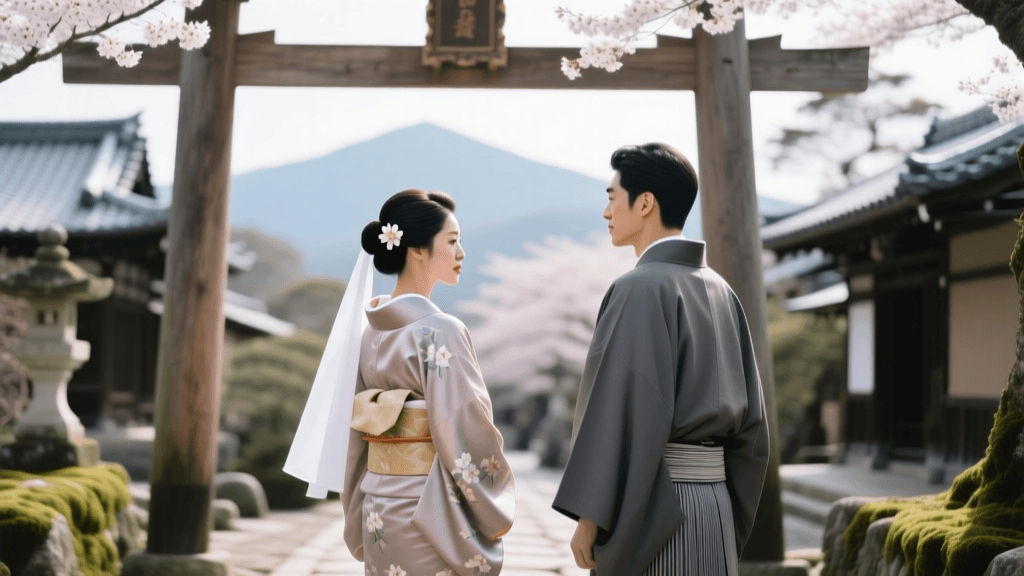
The Allure of a Kyoto Destination Wedding
Destination weddings in Japan have surged in popularity over the last decade, with couples from around the globe drawn to the country's rich cultural heritage, meticulous hospitality, and breathtaking historical landscapes. Among the myriad of Japanese cities, Kyoto stands out as the undisputed crown jewel for traditional ceremonies. Planning a Kyoto kimono destination wedding requires navigating a unique intersection of ancient customs, modern logistics, and precise timing. Unlike Western weddings, where the bride might simply step into a gown an hour before the ceremony, a traditional Japanese wedding involves a deeply ritualistic preparation process centered around the bridal kimono.
When planning a traditional Japanese wedding, the garment is not merely clothing; it is a profound symbol of transition, purity, and familial respect. This comprehensive guide will walk you through the essential aspects of organizing a kimono-clad destination wedding in Kyoto, from selecting the right garments and understanding rental logistics to choosing the perfect venue and mastering the wedding day timeline.
Understanding Bridal Kimono: Shiro-maku, Uchikake, and Iro-uchikake
The traditional Japanese bridal wardrobe is incredibly nuanced, with specific garments designated for different phases of the wedding day. Understanding these distinctions is crucial for destination brides working with local planners and rental studios.
The Shiro-maku (Pure White)
The Shiro-maku is the most formal and traditional bridal kimono, worn exclusively during the Shinto wedding ceremony. Translating to 'pure white,' this garment symbolizes the bride's purity and her willingness to be 'dyed' in the colors of her new family. It is entirely white, from the underlying layers to the outer robe and the traditional headpiece known as the tsunokakushi or wataboshi. The sheer volume and weight of the Shiro-maku are staggering, often requiring multiple assistants to help the bride move gracefully.
The Uchikake (Brocade Reception Robe)
Following the ceremony, the bride typically changes into an Uchikake for the reception. This is a heavily brocaded, unbelted outer robe worn over a base kimono. Traditional Uchikake feature lavish motifs such as cranes, pine trees, and cherry blossoms, woven with gold and silver threads. The hem is heavily padded to trail elegantly on the floor. Because it is incredibly heavy and expensive, renting an Uchikake is the standard practice even among local Japanese brides.
The Iro-uchikake (Colored Reception Robe)
For a more modern or vibrant reception, many brides opt for an Iro-uchikake. This garment shares the same structural silhouette as the traditional Uchikake but features rich, vibrant colors—most commonly deep reds, golds, or purples. It allows the bride to express personal style while maintaining the regal aesthetic of traditional Japanese formalwear.
Comparison Chart: Japanese Bridal Kimono
| Kimono Type | Ceremony Phase | Average Weight | Est. Rental Cost (JPY) |
|---|---|---|---|
| Shiro-maku | Shinto Ceremony | 3 - 5 kg | 150,000 - 250,000 |
| Uchikake | Reception | 4 - 6 kg | 200,000 - 400,000 |
| Iro-uchikake | Reception / Party | 3 - 5 kg | 150,000 - 300,000 |
Logistics: Renting vs. Buying for Destination Brides
For international couples, purchasing a brand-new bridal kimono is rarely practical. Authentic, high-quality silk Uchikake can cost upwards of 1,000,000 JPY (approximately $6,500 USD), and they require specialized climate-controlled storage. Therefore, renting is the undisputed best option for destination weddings. According to resources provided by the Kyoto City Tourism Association, the city boasts dozens of specialized bridal studios that cater specifically to international clients, offering comprehensive packages that include the garment, accessories, hair, makeup, and dressing services.
Essential Measurements for Kimono Rental
Unlike Western dresses that are altered to fit the body, a kimono is folded and tied to accommodate the wearer's proportions. When booking a rental studio in Kyoto, you will need to provide the following precise measurements at least two to three months in advance:
- Height: Crucial for determining the length of the kimono and the amount of folding required at the waist (the ohashori).
- Bust, Waist, and Hips: Used to select the appropriate width of the kimono panels and to prepare the necessary padding (hadajuban and towel padding) to create the traditional cylindrical silhouette.
- Yuki (Arm Span): Measured from the center of the back of the neck, over the shoulder, and down to the wrist bone. This ensures the sleeves fall at the correct, elegant angle.
- Shoe Size: Required for renting the traditional zori (sandals) and tabi (split-toe socks).
Selecting the Perfect Kyoto Venue
Kyoto offers a myriad of breathtaking venues, but not all are equally suited for a traditional kimono wedding. The logistics of moving a bride in a heavy Shiro-maku must be considered when choosing your location.
Shinto shrines, such as the historic Kamigamo or Shimogamo shrines, provide the most authentic backdrop for a Shinzen Shiki (Shinto wedding ceremony). However, many major shrines require couples to work with an approved local wedding planner to mediate the booking, arrange the Shinto priest, and handle the sacred sake-sharing ritual (san-san-kudo). Furthermore, navigating the gravel paths and steep wooden stairs of ancient shrines in traditional zori sandals requires careful planning and often the assistance of shrine attendants.
Alternatively, renting a traditional Machiya (wooden townhouse) or booking a private garden within a historic Ryokan (inn) offers a more intimate and logistically manageable experience. These venues often have flat, paved walkways and accessible dressing rooms, which are vital when managing the heavy layers of an Uchikake. The Japan National Tourism Organization maintains extensive directories of certified wedding venues and planners who specialize in bridging the gap between foreign couples and historic Japanese properties.
The Wedding Day Timeline: Dressing and Photography
One of the most critical mistakes destination couples make is underestimating the time required for traditional Japanese bridal preparation. The art of kitsuke (kimono dressing) is a meticulous, multi-step process that cannot be rushed.
'The art of kitsuke is not merely about putting on clothes; it is about sculpting the bride into a vision of traditional elegance, requiring patience, precise timing, and a team of dedicated professionals.'
Sample Wedding Day Schedule
To ensure a flawless ceremony, your wedding day timeline should follow a structured sequence:
- 6:00 AM - Hair and Makeup Begins: Traditional Japanese bridal styling (nihongami) or modern updos take a minimum of 90 minutes. The hair must be heavily pinned to support the weight of the kanzashi (ornamental hairpins) and the wataboshi hood.
- 7:30 AM - Kimono Dressing (Kitsuke): The dresser will begin by wrapping the bride in specialized undergarments and applying strategic towel padding to flatten the curves. The Shiro-maku is then layered, tied with multiple koshihimo (silk ties), and secured with the heavy, ornate obi and obi-jime cords. This process takes 60 to 90 minutes.
- 9:00 AM - Final Adjustments and First Look: The bride is now fully dressed. This is the ideal time for private couple portraits or a 'first look' before the ceremony.
- 10:00 AM - Travel to Venue: Transportation must be arranged carefully. Brides in full Shiro-maku often require a specialized high-roof van or a modified vehicle to accommodate the height of the hair and the width of the sleeves without crushing the garments.
- 11:00 AM - Shinto Ceremony: The traditional ritual, lasting about 30 minutes, including the purification rites and the exchange of nuptial cups.
- 12:00 PM - Outfit Change (Naoshi): The bride returns to the dressing room to change from the Shiro-maku into the Uchikake or Iro-uchikake for the reception. This changeover takes approximately 45 minutes.
- 1:00 PM - Reception and Photography: The celebration begins, featuring the cutting of the cake, speeches, and extensive garden photography.
Navigating Legalities and Cultural Etiquette
Beyond the aesthetics and logistics, couples must also navigate the cultural etiquette and legalities of a Japanese wedding. While a Shinto ceremony is a beautiful spiritual ritual, it is not legally binding on its own. Couples must ensure they have handled the legal marriage registration in their home country or at their local embassy in Japan prior to the trip. The Agency for Cultural Affairs in Japan emphasizes the importance of respecting the sacred nature of shrine grounds, reminding international visitors that wedding ceremonies are deeply religious events, not merely photo opportunities.
When interacting with shrine priests and local vendors, understanding basic etiquette goes a long way. For instance, it is customary to provide a shugi-bukuro (a specially decorated envelope containing money) to the shrine as an offering, and to present small gifts (hikidemono) to your guests. Your local Kyoto wedding planner will be instrumental in sourcing these specific items and ensuring all cultural protocols are observed flawlessly.
Conclusion
A kimono destination wedding in Kyoto is a profoundly moving experience that blends sartorial splendor with centuries of cultural tradition. By understanding the distinctions between the Shiro-maku and Uchikake, partnering with reputable local rental studios, selecting an accessible and historic venue, and adhering to a meticulous preparation timeline, international couples can ensure their special day is as seamless as it is visually spectacular. Embrace the patience required for the dressing process, respect the sacred environments of Kyoto's shrines, and allow yourself to be fully immersed in the timeless elegance of Japanese bridal fashion.