Best Kyoto Kimono Sewing Workshops 2026: Expert Guide
The Renaissance of Wafuku: Why Learn Kimono Sewing in 2026?
As the global fashion industry continues to grapple with the environmental impact of fast fashion, 2026 has seen a massive resurgence in the appreciation of slow, sustainable, and heritage garment making. At the forefront of this movement is the traditional Japanese art of wafuku (traditional Japanese clothing) construction. Unlike Western tailoring, which relies on complex curved patterns and generates significant textile waste, kimono sewing—known as shitate—is a masterclass in zero-waste design. For textile enthusiasts, fashion students, and cultural historians, traveling to Kyoto to attend a traditional garment making seminar has become a premier educational experience. According to the Ministry of Economy, Trade and Industry (METI), government-backed initiatives in 2026 have heavily subsidized traditional craft workshops to preserve intangible cultural heritage, making these masterclasses more accessible to international students than ever before.
The Philosophy of Shitate: Zero-Waste Garment Construction
Before diving into the specific workshops available in Kyoto this year, it is essential to understand the foundational philosophy of kimono construction. A traditional kimono is constructed from a single bolt of fabric called a tanmono. This bolt measures approximately 36 centimeters in width and 12 meters in length. The genius of the shitate technique lies in its straight-line cutting. The fabric is cut into rectangular panels and sewn together using entirely straight seams. Because no curved cutting is involved, the garment can be completely disassembled, washed, re-dyed, and sewn back together, or even repurposed into a new garment decades later. This inherent sustainability is precisely why learning traditional Asian garment making is highly relevant to modern eco-conscious designers in 2026.
Top 3 Kyoto Kimono Sewing Masterclasses for 2026
Kyoto remains the undisputed heartland of Japanese textile arts. Whether you are a complete beginner looking to sew a simple yukata (summer cotton kimono) or an advanced tailor seeking certification, the city offers specialized seminars. Below are the top three highly rated workshops operating in Kyoto for the 2026 season.
1. Kyoto Nishijin Textile Center: Weaving and Assembly Intensive
The Nishijin district is world-renowned for its intricate brocade weaving. In 2026, the Kyoto Museum of Traditional Crafts (Fureaikan) and the Nishijin Textile Center have partnered to offer a comprehensive two-week intensive that covers both the creation of the textile and the subsequent sewing. Students spend the first week operating traditional Jacquard looms to weave their own silk obi (sash) fabric, followed by a week of learning the fundamental straight-line stitching techniques required to assemble a basic kimono jacket (haori). This workshop is ideal for those who want a holistic understanding of the garment's lifecycle, from raw thread to finished apparel.
2. Camellia Wafuku Studio: The English-Friendly Shitate Seminar
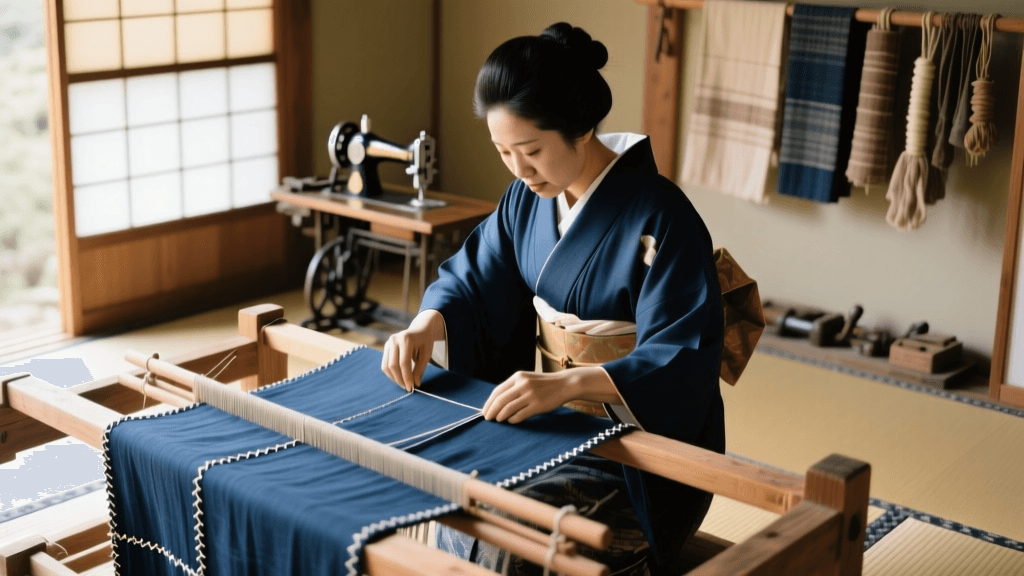
For international visitors who do not speak fluent Japanese, Camellia Wafuku Studio remains the top choice in 2026. Located in the historic Higashiyama ward, this studio specializes in bridging the gap between traditional Japanese techniques and Western sewing terminology. Their flagship 'Foundations of Shitate' weekend seminar focuses on the precise art of basting (shitsuke-ito) and the hidden seam allowance folding technique known as kise. Students work with upcycled vintage silk from the 1980s, learning how to properly handle slippery textiles using traditional bamboo tools. The 2026 curriculum has been updated to include a module on adapting traditional wafuku measurements for non-Japanese body types, ensuring a perfect fit regardless of the wearer's proportions.
3. Kyoto Kimono Sewing Academy: Advanced Certification Prep
For serious practitioners and professional tailors, the Kyoto Kimono Sewing Academy offers a rigorous, month-long masterclass designed to prepare students for the national shitate-shi (kimono tailor) certification exams. This is not a casual tourist experience; it is a grueling, deeply technical seminar. Students master the complex construction of the awase (lined kimono), learning how to seamlessly attach the silk lining (habutae) to the outer shell without any visible puckering. The academy's 2026 schedule includes specialized guest lectures from Living National Treasures, offering unparalleled insight into the highest echelons of Japanese sartorial heritage.
2026 Workshop Comparison Chart
To help you select the right educational experience, we have compiled a comparison of the top Kyoto-based kimono sewing seminars available this year.
| Workshop Name | Duration | 2026 Price (JPY) | Language Support | Skill Level & Focus |
|---|---|---|---|---|
| Nishijin Textile Intensive | 14 Days | ¥280,000 | Japanese (Translators available) | Intermediate; Weaving & Haori Assembly |
| Camellia Wafuku Studio | 3 Days | ¥65,000 | English & Japanese | Beginner; Basting, Kise, & Vintage Silk |
| Kyoto Kimono Sewing Academy | 30 Days | ¥550,000 | Japanese Only | Advanced; Lined Kimono & Certification |
Anatomy of the Garment: Essential Panels and Seams
When attending a seminar, instructors will use specific terminology to describe the anatomy of the kimono. Familiarizing yourself with these terms before your 2026 trip will greatly enhance your learning experience. The main body panels are called migoro, while the front overlapping panels are the okumi. The sleeves, or sode, are constructed with a deep, open pouch at the bottom that historically served as a pocket. The collar, known as the eri, requires precise layering and stiffening with a specialized core fabric called eri-shin. The most critical technique you will learn is kise, which involves folding the seam allowance inward and hiding the actual stitching line beneath the fold, creating a soft, unbroken visual line on the exterior of the garment.
Essential Tools: What to Buy in Kyoto
While most workshops provide materials, serious students often prefer to purchase their own traditional tools in Kyoto. Skip the modern sewing machines; traditional shitate is done entirely by hand. You will need a hera, a smooth bamboo or bone spatula used to crease fabric without damaging the delicate silk fibers. You will also need a yubikake, a traditional Japanese thimble made of leather and cloth that sits on the palm of the hand rather than the fingertip, allowing for the unique pushing motion required in Japanese hand-sewing. For needles, a visit to Misuya Harujiro, a legendary Kyoto needle shop established in 1819, is a mandatory pilgrimage. Their hand-forged sanbon-mawari needles are specifically designed to prevent silk threads from snagging, a crucial detail when working with high-end Nishijin brocades.
Etiquette and Preparation for Your Seminar
Japanese craft workshops operate with a deep sense of respect for the materials and the lineage of the teachers. In 2026, as international tourism continues to boom, studios have become more accommodating, but traditional etiquette remains paramount. Always arrive at least fifteen minutes early to prepare your workspace. Wash your hands thoroughly and avoid wearing heavy lotions or perfumes that could transfer to the vintage silks. Remove all jewelry, particularly rings and bracelets, which can easily catch and tear delicate chirimen (crepe) fabrics. When receiving instruction, observe the master's hands closely before attempting the stitch yourself, and never pull your thread too tightly; the hallmark of a master tailor is a stitch that holds the garment securely while allowing the fabric to drape naturally without tension.
Conclusion
Learning the art of traditional kimono sewing in Kyoto is more than just acquiring a new technical skill; it is an immersion into a philosophy of mindfulness, sustainability, and profound respect for textiles. The 2026 workshop season offers unprecedented opportunities for global makers to engage with these ancient techniques, supported by modern educational frameworks and English-friendly resources. Whether you are weaving your own obi in Nishijin or mastering the hidden kise seam in a quiet Higashiyama studio, the knowledge you gain will fundamentally transform your approach to garment construction and textile preservation for the rest of your life.