Traditional Chinese Wedding Attire: Qun Kwa vs Xiu He Fu
The Resurgence of Traditional Chinese Wedding Attire
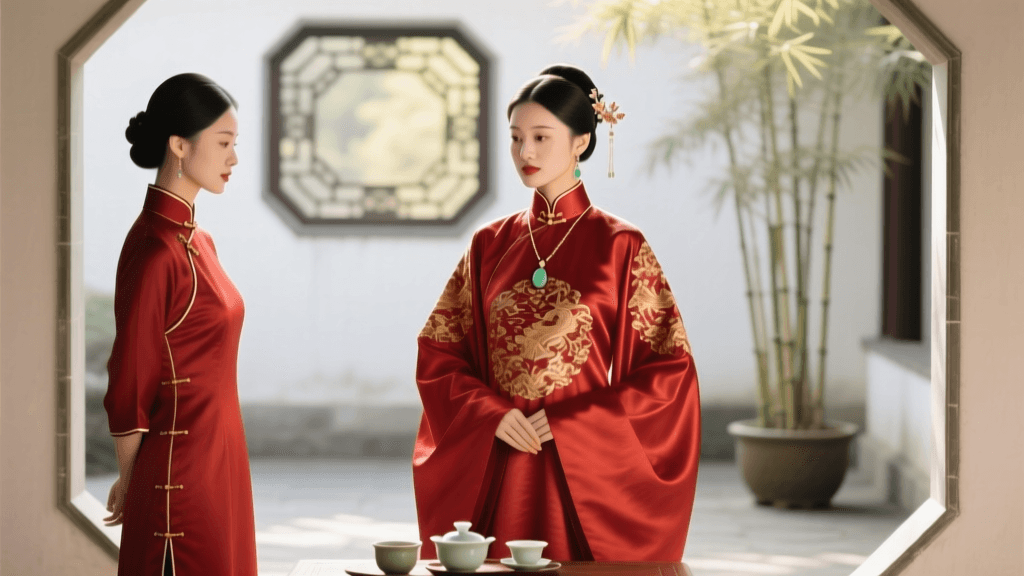
For many modern brides of Chinese descent, the wedding day is a beautiful tapestry of Eastern and Western traditions. While a white gown often takes center stage at the evening banquet, the morning tea ceremony demands a profound respect for heritage. This is where Traditional Chinese wedding attire steps into the spotlight. Today, brides primarily choose between two iconic garments: the meticulously embroidered Qun Kwa and the flowing, romantic Xiu He Fu. Understanding the historical roots, structural differences, and practical considerations of each is essential for making an informed decision for your ceremonial look.
Qun Kwa (裙褂): The Cantonese Masterpiece
The Qun Kwa, often simply referred to as a 'Kwa' or 'Longfeng Gua' (Dragon Phoenix Jacket), is a two-piece ensemble consisting of a tailored top and a straight, ankle-length skirt. Originating in the 18th century among the Cantonese elite, it is a symbol of immense wealth, status, and meticulous craftsmanship. The defining feature of the Qun Kwa is its dense embroidery, traditionally executed with metallic gold and silver threads woven into rich red silk.
Embroidery Density and Grading
Not all Qun Kwa are created equal. The value and prestige of the garment are dictated by the density of its embroidery, which obscures the underlying red silk. The grading system is highly structured:
- Xiao Wu Fu (Small Five Blessings): The most affordable tier, featuring a lower density of embroidery where the red silk is clearly visible. Ideal for budget-conscious brides or bridesmaids.
- Zhong Wu Fu (Medium Five Blessings): A mid-range option offering a balanced look with moderate metallic thread coverage.
- Da Wu Fu (Large Five Blessings): A premium tier where the embroidery covers up to 90% of the fabric, creating a striking, almost armored appearance.
- Gua Huang (Jacket Emperor): The pinnacle of Qun Kwa craftsmanship. The red silk is 100% obscured by dense, three-dimensional gold and silver thread work. Creating a single Gua Huang can take master artisans up to a year.
Costs and Procurement
Because of the intense labor involved, purchasing a brand-new, high-quality Qun Kwa is a significant investment. A Da Wu Fu can cost between $3,000 and $8,000 USD, while a bespoke Gua Huang frequently exceeds $15,000 USD. Consequently, Chinese wedding customs in modern times heavily favor renting. Rental costs typically range from $500 to $1,500 USD for a three-day period, making this luxurious option accessible to a wider range of brides.
Xiu He Fu (秀禾服): The Modern Classic
Despite its ancient appearance, the Xiu He Fu is a relatively modern invention. It was popularized by the 2001 Chinese television drama 'Orange Turned Red' (Ju Zi Hong Le), in which the protagonist, Xiu He, wore a distinctive, flowing bridal outfit. The style resonated so deeply with audiences that it became a staple in bridal boutiques across Asia.
Silhouette and Design Elements
Unlike the structured, form-fitting Qun Kwa, the Xiu He Fu is characterized by its relaxed, A-line silhouette. The top features wide, sweeping sleeves (often layered or flared) and a looser fit through the bodice. The skirt is typically a variation of the 'Mamianqun' (horse-face skirt), featuring deep pleats and a wide, flowing hemline. This design is incredibly forgiving, accommodating various body types and allowing for comfortable movement during the physically demanding tea ceremony.
Regional Preferences and Layering
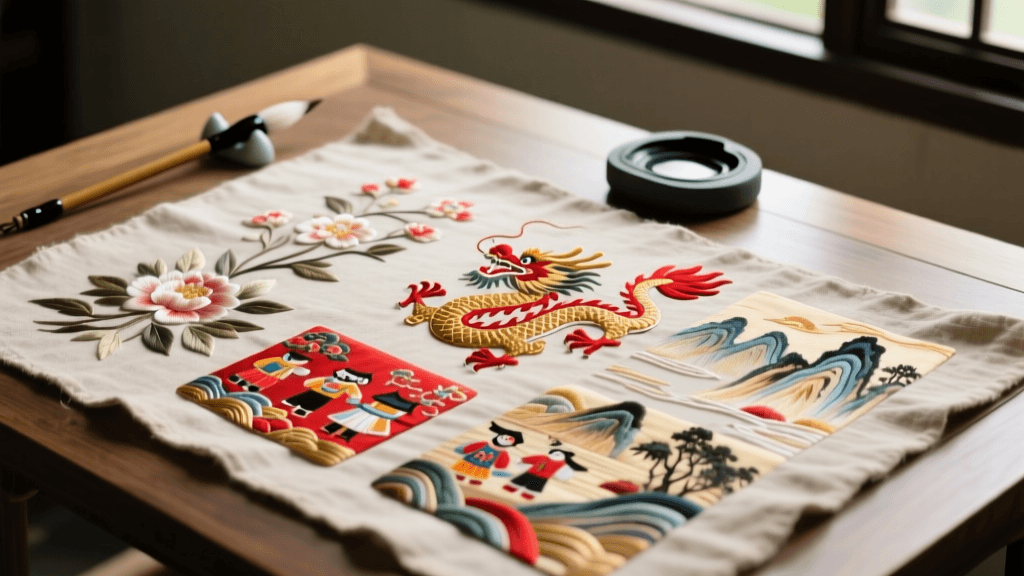
The Xiu He Fu is particularly favored in Northern China and among brides holding winter weddings. The generous cut of the skirt and sleeves allows brides to wear thermal underlayers without bulking up the silhouette. Furthermore, the embroidery on a Xiu He Fu, while beautiful, is generally flatter and less densely packed than a Qun Kwa, utilizing colorful silk threads alongside metallic ones to depict motifs like peonies, bats, and cranes. Purchasing a high-quality Xiu He Fu is generally more affordable, ranging from $300 to $2,500 USD, with rentals averaging $150 to $400 USD.
Direct Comparison: Qun Kwa vs. Xiu He Fu
To help you decide which garment aligns with your vision, budget, and comfort needs, review the structured comparison below:
| Feature | Qun Kwa (裙褂) | Xiu He Fu (秀禾服) |
|---|---|---|
| Historical Origin | 18th Century Cantonese Elite | Early 2000s Television Drama |
| Silhouette | Straight skirt, tailored structured top | A-line pleated skirt, relaxed wide-sleeve top |
| Embroidery Style | Dense 3D gold/silver thread, rigid feel | Flat silk and metallic thread, softer drape |
| Body Type Suitability | Best for slender or petite frames | Highly forgiving, suits all body types |
| Estimated Rental Cost | $500 - $1,500+ USD | $150 - $400 USD |
| Best Climate/Season | Spring/Summer (less fabric layering) | Autumn/Winter (allows hidden thermal layers) |
Practical Guide: Timelines, Measurements, and Fittings
Securing your ceremonial attire requires careful planning. Do not leave your dress selection to the last minute, especially if you are aiming for a premium Qun Kwa rental, as boutiques only hold one or two pieces of each size.
The 12-Month Procurement Timeline
- 8-12 Months Prior: Begin researching boutiques and deciding between Qun Kwa and Xiu He Fu. If purchasing a bespoke Gua Huang, you must place your order now to allow artisans time for hand-embroidery.
- 6 Months Prior: Schedule your first fitting. For rentals, this is when you will reserve your specific garment. Discuss any necessary minor alterations, such as hemming the skirt to match your chosen heel height.
- 2 Months Prior: Finalize your undergarments and footwear. Bring both to your second fitting to ensure the skirt falls perfectly at the ankle bone.
- 1 Week Prior: Pick up your rental garment. Inspect the embroidery for any loose threads and ensure all matching accessories (like the veil or hairpins) are included in the garment bag.
Crucial Measurements and Undergarments
When getting measured, ensure you are wearing the exact undergarments you plan to use on the wedding day. Traditional red silk garments are unforgiving of visible panty lines or modern lace patterns. Invest in high-quality, seamless red underwear. If you require bust enhancement, use silicone inserts during the measurement phase, as the stiff brocade of a Qun Kwa does not offer built-in structural support like a Western corset. For the Xiu He Fu, a supportive but unembellished bralette is recommended to maintain the smooth drape of the wide sleeves.
Accessorizing the Ceremonial Look
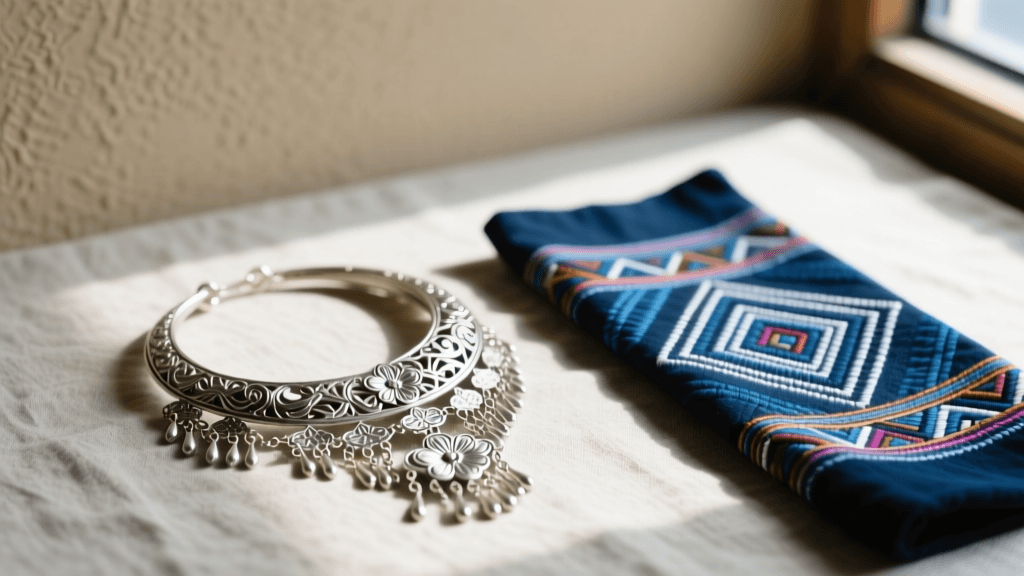
The garment is only half the equation. Traditional Chinese embroidery and textile arts demand equally exquisite accessories. The most vital jewelry pieces are the 'Longfeng Zhuo' (Dragon and Phoenix bangles). In Cantonese tradition, the groom's family gifts the bride multiple solid gold bangles, which she must wear stacked on her wrists during the tea ceremony. The heavy gold contrasts beautifully against the red silk and metallic thread of the Qun Kwa.
For the hair, a traditional updo is mandatory to showcase the neckline of the jacket and the elaborate gold hairpins. Avoid wearing your hair down, as it can catch on the dense, three-dimensional embroidery of the Qun Kwa collar. Opt for a classic bun adorned with a filigree crown or dangling jade and pearl hairpins that echo the motifs on your dress.
Expert Styling Tip: When performing the traditional kneeling tea ceremony, the stiff, straight skirt of the Qun Kwa can restrict movement. Practice your kneeling and rising motions in your rental garment during the final fitting. Brides wearing the Xiu He Fu will find the pleated skirt much easier to manage when kneeling on traditional floor cushions.
Garment Care and Preservation
If you choose to purchase your Qun Kwa or Xiu He Fu as a family heirloom, proper preservation is critical. The metallic threads used in traditional embroidery are prone to oxidation and tarnishing if exposed to humidity. Never store your garment in a plastic dry-cleaning bag, as trapped moisture will cause the silver threads to blacken and the red silk to mildew.
Instead, have the garment professionally dry-cleaned by a specialist who understands delicate brocades and metallic threads. Once cleaned, stuff the sleeves and bodice with acid-free tissue paper to maintain the shape and prevent deep creasing. Store the ensemble in a breathable, acid-free cotton garment bag, and keep it in a cool, climate-controlled environment. With proper care, these magnificent garments can be preserved to dress future generations, carrying forward the rich legacy of Asian ceremonial traditions.